


Neuronavigation-Guided Surgery at Apollo Hospitals, Gurugram (Gurgaon)
Anmeldt af Apollos redaktion · Sidst anmeldt november 2026
Hurtigt svar
Neuronavigation-guided surgery is brain or spine surgery performed with a computer system that links the patient's own MRI or CT scans to the position of the surgeon's instruments in real time. It works much like a map with a live position marker. It is used to plan a smaller, more accurate opening, to find lesions that are deep or hard to see, and to help avoid important structures. Navigation is an aid used during an operation, not a separate operation in itself.
Fakta
| Procedure | Neuronavigation-Guided Surgery |
| Tilgængelig på | Apollo Hospitaler, Gurugram (Gurgaon) |
| OPD-tider | 9 am til 4 pm |
| Udnævnelser | +080 6999 1061 |
Oversigt
Neuronavigation-guided surgery is brain or spine surgery performed with a computer system that links the patient's own MRI or CT scans to the position of the surgeon's instruments in real time. It works much like a map with a live position marker. It is used to plan a smaller, more accurate opening, to find lesions that are deep or hard to see, and to help avoid important structures. Navigation is an aid used during an operation, not a separate operation in itself.
Navigation may help people having surgery for brain tumours, vascular malformations, epilepsy, skull base conditions, hydrocephalus and selected spinal problems, especially when the target is small, deep, or near areas that control speech, movement or vision. Whether it is used is decided by the neurosurgeon while planning the operation, based on the location of the problem on the scans, the type of surgery proposed and whether image guidance is likely to add accuracy or safety for that individual.
Book a consultation at Apollo Hospitals, Gurugram to learn whether neuronavigation-guided surgery is suitable for you.
Why is Neuronavigation-Guided Surgery Necessary?
The brain and spine offer few visible landmarks, and a lesion can look very similar to normal tissue. Navigation helps the surgeon relate what is seen in the operating field to what was seen on the scans.
Conditions That May Require Neuronavigation-Guided Surgery
Navigation may be used as part of surgery for the following conditions, when the surgeon judges it helpful.
- Hjernetumorer: Helps to plan the skin incision and bone opening over the tumour and to estimate its margins during removal of gliomas, meningiomas and metastases.
- Deep or small lesions: Guides the route to cavernous malformations, small tumours or cysts that lie below the surface and cannot be seen directly.
- Epilepsikirurgi: Used to place recording electrodes accurately and to locate the area of brain planned for removal in selected patients.
- Pituitary and skull base conditions: Assists orientation in the nose, sinuses and skull base, where major arteries and nerves lie close to the surgical path.
- Spinal instrumentation: May be used to guide the placement of screws in the spine, particularly where the anatomy is altered or the bones are small.
Tegn og symptomer at holde øje med
The symptoms relate to the underlying condition for which surgery is planned and commonly include the following.
- Headache with nausea or vomiting: Progressive headache, especially with vomiting or drowsiness, may reflect a mass or raised pressure in the skull.
- Beslaglæggelser: Fits that begin in adult life or that are not controlled by medicines may come from a lesion that can be treated by surgery.
- Limb weakness or clumsiness: Loss of strength or coordination may arise from a lesion pressing on the movement pathways of the brain or spinal cord.
- Speech or vision disturbance: Trouble speaking, understanding or seeing to one side suggests a lesion near important functional areas.
- Back or neck pain with nerve symptoms: Pain with numbness, weakness or walking difficulty may point to a spinal problem that needs stabilisation or decompression.
Når andre behandlinger ikke længere er nok
Many brain and spine conditions are first managed with medicines, such as anti-seizure drugs, steroids to reduce swelling, or pain relief and physiotherapy for spinal problems, and some small lesions are simply watched with repeat scans. Surgery is considered when a lesion is growing, causing symptoms that medicines do not control, needs a tissue diagnosis, or threatens neurological function. Once surgery is decided upon, navigation is one of the tools the surgeon may choose to make the operation more precise.
Types of Neuronavigation-Guided Surgery
Navigation systems and the ways they are used differ according to the operation.
- Optical navigation: Cameras track reflective markers on the instruments and on a reference attached near the patient, and display their position on the scan images.
- Electromagnetic navigation: A magnetic field tracks sensors in the instrument tip, which can be useful for fine instruments and in children or shunt placement.
- Navigation with functional imaging: Functional MRI and nerve fibre tract images can be loaded into the plan so that speech and movement pathways are displayed during surgery.
- Navigation with intra-operative imaging: Scans or ultrasound taken during the operation can update the map when the brain shifts after the skull is opened.
- Spinal navigation: Images of the spine are used to guide the direction and depth of screws and to confirm their position during the operation.
Juridiske og etiske krav i Indien
Før behandlingen forklarer det kliniske team indikationen, alternativerne, de forventede fordele og risiciene og indhenter skriftligt informeret samtykke. Du kan stille spørgsmål, søge en second opinion og tage dig tid til at beslutte dig.
Kontakt neurovidenskabsteamet på Apollo Hospitals, Gurugram, for en individuel vurdering.
Risks of Delaying Neuronavigation-Guided Surgery
Delaying a recommended operation carries risks that depend on the underlying diagnosis.
- Progression of the lesion: A tumour or other lesion may enlarge, which can make surgery more extensive and recovery slower.
- Permanent neurological deficit: Prolonged pressure on the brain, nerves or spinal cord can cause weakness or numbness that does not fully recover.
- Ukontrollerede anfald: Continuing seizures carry risks of injury and can affect work, driving and daily independence.
- Emergency presentation: Sudden bleeding or a rapid rise in pressure may force urgent surgery under less favourable conditions.
- Spinal instability or deformity: An unstable spine may shift further, increasing pain and the chance of nerve or spinal cord injury.
Your surgeon can advise how urgent your operation is and whether a short delay for planning is safe.
Benefits of Neuronavigation-Guided Surgery
For suitable patients, the use of navigation during surgery may offer the following.
- More accurate targeting: The surgeon can check the position of an instrument against the scans, which may help to reach the lesion along the planned route.
- Smaller, well-placed openings: Knowing exactly where the lesion lies can allow a shorter incision and a smaller bone opening centred over it.
- Protection of important structures: Displaying vessels, nerves and functional areas may help the surgeon to plan a path that avoids them.
- Guidance on extent of removal: Navigation may help the surgeon judge how much of a lesion has been removed, within the limits caused by brain shift.
- Support for accurate implant placement: In spinal surgery, image guidance may improve the accuracy of screw positioning in selected cases.
Navigation supports the surgeon's judgement but does not replace it, and results still depend on the condition and the individual patient.
Neuronavigation-Guided Surgery at Apollo Hospitals, Gurugram (Gurgaon)
Why Choose Apollo Hospitals, Gurugram for Neuronavigation-Guided Surgery?
Apollo Hospitals, Gurugram combines specialist assessment with coordinated care for people who need neuronavigation-guided surgery.
- Specialistvurdering: The neurosurgeon reviews your symptoms and scans to decide on the operation needed and whether image guidance would add value in your case.
- Præoperativ planlægning: Scans are loaded into the planning software in advance so that the target, entry point and structures to avoid are marked before surgery begins.
- Koordineret opfølgning: After surgery the team reviews your recovery, the pathology report and any post-operative imaging, and plans further care with you.
- Tværfaglig planlægning: Specialister fra de relevante afdelinger gennemgår komplekse sager sammen, før de anbefaler en plan.
- Individualiseret behandling: Anbefalingerne tager højde for dine symptomer, testresultater, alder, generelle helbred og præferencer.
- Patientfokuseret kommunikation: Plejeteamet forklarer forberedelse, forventet bedring, medicin og advarselstegn i et letforståeligt sprog.
- Kontinuitet i plejen: Opfølgende besøg sporer bedring og hjælper med at håndtere den underliggende tilstand over tid.
Neuronavigation-Guided Surgery Care for Patients in Gurugram and Delhi NCR
Apollo Hospitals, Gurugram is located on Golf Course Road, Sector 28, Gurugram, Haryana 122009. It offers Neuronavigation-Guided Surgery for patients from Gurugram, the wider Delhi NCR and Haryana, with specialist doctors, nursing and diagnostic teams working together from assessment to follow-up.
How to Reach the Neuronavigation-Guided Surgery Team in Gurugram
- Adresse: Apollo Hospitaler Gurugram, Golfbanevej, Sektor 28, Gurugram, Haryana 122009
- Telefon: 0124-6501600 eller 08069991061
- Book online: Book a Neuronavigation-Guided Surgery consultation in Gurugram
Få rutevejledning til Apollo Hospitaler, Gurugram
Apollo Hospitals, Gurugram ligger på Golf Course Road, sektor 28. Åbn hospitalets placering og få rutevejledning på Google Maps.
Hvis du bor uden for Gurugram
If you are travelling from elsewhere in Delhi NCR or Haryana, ask the care team how to plan your consultation, tests and follow-up visits for Neuronavigation-Guided Surgery so that you are not making more trips than needed.
Hvad du skal medbringe til din første konsultation
- Scanninger, testrapporter og tidligere lægejournaler relateret til din tilstand
- En liste over din nuværende medicin og eventuelle allergier
- Foto-ID og forsikringsoplysninger, hvis du har dem
Relateret pleje på Apollo Hospitals, Gurugram
Udforsk neurovidenskabelig afdeling på Apollo Hospitals i Gurugram for at lære om de specialister og tjenester, der er tilgængelige.
Preparation for Neuronavigation-Guided Surgery
Klinisk vurdering
Your specialist first confirms the diagnosis and whether neuronavigation-guided surgery is the right option.
- Del din historie: Mention previous brain or spine surgery, implants such as pacemakers or metal clips, allergies to contrast, and all your regular medicines.
- Deltag i eksamen: A neurological examination documents your baseline function, and you may be asked to have a dedicated planning scan close to the date of surgery.
- Diskuter alternativer: Ask what the operation involves with and without navigation, and whether observation, radiosurgery or medicines are options for your condition.
Test før behandling
Tests before a navigation-guided operation usually include the following.
- Planning MRI or CT scan: A thin-slice scan taken to a specific protocol provides the three-dimensional images that the navigation system uses.
- Functional MRI or tractography: In selected patients these show speech and movement areas and their connecting pathways in relation to the lesion.
- CT or MR angiography: Shows the arteries and veins near the surgical path when the lesion lies close to major vessels.
- Blodprøver og bedøvelsesvurdering: Confirm fitness for general anaesthesia and check blood count, clotting, kidney function and blood group.
Medicin og allergier
Ændringer i medicinering bør kun foretages efter anbefaling fra det behandlende team.
- Giv en medicinliste: Inkluder receptpligtig medicin, insulin, blodfortyndende medicin, kosttilskud og håndkøbsmedicin.
- Rapportér allergier: Fortæl teamet om tidligere reaktioner på kontrastvæske, medicin, latex eller anæstesi.
- Følg specifikke anvisninger: Du kan blive bedt om at justere blodfortyndende medicin eller diabetesmedicin før proceduren.
Mad og praktisk planlægning
Følg hospitalets personlige indlæggelses- og fasteinstruktioner.
- Følg fastevejledningen: Stop med at indtage mad og væske på det tidspunkt, du får besked på, hvis faste er nødvendig.
- Arranger support: Bed en ansvarlig voksen om at ledsage dig og hjælpe efter udskrivelsen.
- Planlæg dit ophold: Medbring identifikation, rapporter, behageligt tøj og vigtige personlige ejendele.
Samtykke og endelig gennemgang
Holdet gennemfører sikkerhedstjek og besvarer spørgsmål inden behandlingen.
- Forstå planen: Gennemgå forventede fordele, begrænsninger, alternativer og mulige komplikationer.
- Bekræft samtykke: Underskriv først samtykkeerklæringen, når du har modtaget oplysninger, du forstår.
- Rapportér ændringer: Informer hospitalet om feber, infektion eller nye symptomer inden proceduren.
Recovery After Neuronavigation-Guided Surgery
Umiddelbart efter behandling
Overvågningen begynder, så snart proceduren er afsluttet.
- Monitoring in a high-dependency area: Your alertness, limb strength, pulse and blood pressure are checked frequently in the first hours after surgery.
- Post-operative imaging: A scan may be arranged to confirm the result of the operation and to rule out bleeding or swelling.
- Tidlig mobilisering: You are helped to sit up and walk as soon as it is safe, usually within a day or two, depending on the operation.
Pleje i hjemmet
Følg de udskrivelsesråd, der er givet i din situation.
- Look after the wound: Keep the incision clean and dry and attend for suture or clip removal on the date you are given.
- Fortsæt med ordineret medicin: Take anti-seizure medicines, steroids and pain relief as directed and reduce them only on medical advice.
- Øg aktiviteten gradvist: Short walks are encouraged, while heavy lifting and strenuous work are avoided until your surgeon allows them.
Medicin og opfølgning
Løbende pleje understøtter heling og kontrollerer resultatet af behandlingen.
- Tag medicin korrekt: Fortsæt med at tage ordineret medicin, og stop ikke med at tage den uden rådfør dig.
- Deltag i evalueringsbesøg: Opfølgning kan omfatte undersøgelse og gentagne tests.
- Spor symptomer: Bemærk enhver ændring i dine symptomer, og del den ved din evaluering.
Tilbage til sædvanlige aktiviteter
Recovery time depends on the operation performed rather than on the navigation itself. After many brain operations, people return to light work in about four to six weeks, and after spinal surgery the period varies with the procedure. Driving is restricted after brain surgery and after any seizure until your doctor clears you. Exercise is restarted in stages, beginning with walking, and contact sports are discussed individually with your surgeon.
Advarselstegn, der kræver akut lægehjælp
Søg omgående lægehjælp, hvis et af følgende udvikler sig.
- Worsening headache or drowsiness: Attend the emergency department without delay, as this may indicate bleeding or swelling.
- New weakness, numbness or speech difficulty: Seek urgent assessment, since a new neurological change after surgery always needs review.
- Anfald: Call for emergency help and inform your surgical team as soon as possible afterwards.
- Wound redness, swelling or leaking fluid: Contact the hospital the same day, particularly if clear fluid leaks or you have a fever.
- Calf pain or sudden breathlessness: Seek emergency care, because these may be signs of a blood clot in the leg or lung.
Take the Next Step Towards Neuronavigation-Guided Surgery Care
A specialist consultation can clarify whether neuronavigation-guided surgery is right for you and what the alternatives are.
Medbring følgende dokumenter, når de er tilgængelige:
- Medicinske journaler: Medbring tidligere konsultationsnotater, epikriser og recepter.
- Testrapporter: Medbring scanninger, blodprøveresultater og andre undersøgelser relateret til din tilstand.
- Medicinliste: Inkluder aktuelle doser, kosttilskud og allergier.
- Identifikations- og dækningsoplysninger: Medbring gyldig legitimation, forsikringspapirer og henvisningsdokumenter.
Book your neuronavigation-guided surgery consultation with Apollo Hospitals, Gurugram today.
Frequently Asked Questions About Neuronavigation-Guided Surgery
How does neuronavigation work?
Neuronavigation works by matching your scans to your actual position on the operating table. After you are asleep, the system registers points on your head or spine to the images. Cameras or sensors then track the instruments, and a screen shows the surgeon where the tip lies on your MRI or CT in three planes.
Is navigation-guided surgery safer than conventional surgery?
Navigation may add accuracy and can help the surgeon avoid important structures, but it does not remove the risks of the operation itself. Bleeding, infection, seizures and neurological deficit remain possible. Accuracy can also fall if the brain shifts after opening, so the surgeon combines navigation with direct vision and experience.
Does navigation make the operation longer?
Setting up and registering the navigation system usually adds a short time at the start of the operation, often around fifteen to thirty minutes. This may be offset by more direct access to the lesion. The total length of surgery depends mainly on the condition being treated and the complexity of the procedure.
Will I need extra scans for navigation?
Often yes. Navigation needs a recent scan taken with thin slices and a set protocol, so a dedicated planning MRI or CT may be requested shortly before surgery even if you have had earlier scans. Sometimes small markers are placed on the scalp before this scan and must stay in place until the operation.
How long is recovery after navigation-guided brain surgery?
Recovery depends on the operation and the underlying condition, not on the navigation system. Many patients spend three to seven days in hospital after a craniotomy and need several weeks before returning to normal routines. Tiredness is common in the first weeks. Your surgeon will give guidance specific to your procedure.
Which is the best hospital for Neuronavigation-Guided Surgery in Gurugram?
The right hospital depends on your condition and your doctor's advice. Apollo Hospitals, Gurugram offers specialist assessment, diagnostics and coordinated care for neuronavigation-guided surgery. Compare the team's experience, the facilities and the follow-up care on offer before you decide.
How do I book a consultation for Neuronavigation-Guided Surgery at Apollo Hospitals, Gurugram?
Du kan booke online via bookinglinket på denne side eller ringe til 08069991061. OPD's åbningstider er fra kl. 9 til 4. Behandlerteamet vil guide dig til den rette specialist.
Hvor ligger Apollo Hospitals, Gurugram?
Apollo Hospitals, Gurugram ligger på Golf Course Road, sektor 28, Gurugram, Haryana 122009.
What should I bring to my first consultation for Neuronavigation-Guided Surgery?
Medbring eventuelle scanninger og testrapporter relateret til din tilstand, tidligere lægejournaler, en liste over din nuværende medicin og allergier, et billedlegitimation og dine forsikringsoplysninger, hvis du har dem.
Can patients from outside Gurugram get Neuronavigation-Guided Surgery care at Apollo Hospitals, Gurugram?
Ja. Patienter fra Delhi NCR, Haryana og andre dele af Indien kan konsultere teamet på Apollo Hospitals, Gurugram. Del dine rapporter, når du booker, så teamet kan planlægge dit besøg.
Medicinsk ansvarsfraskrivelse: Disse oplysninger er til generel oplysning og erstatter ikke en konsultation med en kvalificeret læge. Behandlingsbeslutninger afhænger af en individuel vurdering.
Nylig tilføjet


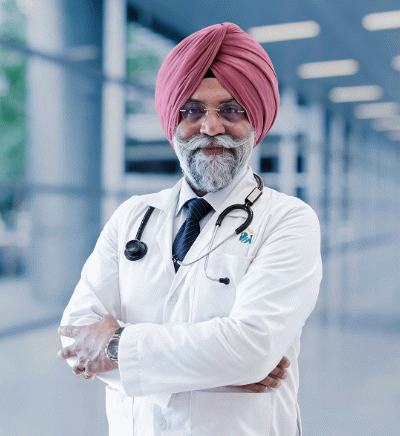
Kraniotomispecialister på Apollo Hospitals, Gurugram






Disclaimer:
Oplysningerne på denne side er kun beregnet til generelle informations- og uddannelsesmæssige formål. Selvom vi gør en rimelig indsats for at sikre, at oplysningerne er nøjagtige, pålidelige og regelmæssigt gennemgås, bør de ikke betragtes som en erstatning for professionel lægelig rådgivning, diagnose eller behandling.
Egnetheden af en medicinsk procedure, sammen med dens fordele, risici, forberedelse, helbredelse, potentielle komplikationer og forventede resultater, kan variere fra person til person. Din sundhedsperson vil afgøre, om en procedure er passende baseret på din individuelle tilstand og sygehistorie.
Kontakt venligst en kvalificeret sundhedsperson for personlig rådgivning, før du træffer beslutninger vedrørende enhver medicinsk procedure.
For mere information om, hvordan vores medicinske indhold oprettes, gennemgås, opdateres og vedligeholdes, kan du læse vores [Redaktionel politik].




