


Functional Neurosurgery at Apollo Hospitals, Gurugram (Gurgaon)
Anmeldt af Apollos redaktion · Sidst anmeldt november 2026
Hurtigt svar
Functional neurosurgery is the branch of neurosurgery that treats conditions in which the nervous system works abnormally even though its structure may look normal on scans. Rather than removing a mass, the surgeon alters the activity of specific nerve circuits, by implanting a stimulator, making a small precise lesion, relieving pressure on a nerve or delivering medicine to the spinal fluid. It is used for selected patients with movement disorders, epilepsy, chronic pain and severe spasticity.
Fakta
| Procedure | Funktionel neurokirurgi |
| Tilgængelig på | Apollo Hospitaler, Gurugram (Gurgaon) |
| OPD-tider | 9 am til 4 pm |
| Udnævnelser | +080 6999 1061 |
Oversigt
Functional neurosurgery is the branch of neurosurgery that treats conditions in which the nervous system works abnormally even though its structure may look normal on scans. Rather than removing a mass, the surgeon alters the activity of specific nerve circuits, by implanting a stimulator, making a small precise lesion, relieving pressure on a nerve or delivering medicine to the spinal fluid. It is used for selected patients with movement disorders, epilepsy, chronic pain and severe spasticity.
Functional procedures may help people with Parkinson's disease, essential tremor, dystonia, drug-resistant epilepsy, trigeminal neuralgia, certain chronic nerve pain conditions and disabling spasticity, when medicines have been tried properly and no longer give adequate control or cause unacceptable side effects. Selection is careful and usually involves a neurologist, neurosurgeon, neuropsychologist and rehabilitation specialists, who confirm the diagnosis, assess the likely response, and weigh the expected improvement in daily function against the risks of surgery.
Book a consultation at Apollo Hospitals, Gurugram to learn whether functional neurosurgery is suitable for you.
Why is Functional Neurosurgery Necessary?
In these conditions, faulty signalling in particular brain, spinal cord or nerve circuits produces tremor, stiffness, seizures or pain. Surgery aims to modify those signals so that symptoms are reduced.
Conditions That May Require Functional Neurosurgery
Functional neurosurgery may be considered for the following conditions in carefully selected patients.
- Parkinsons sygdom: Deep brain stimulation may be advised when symptoms respond to levodopa but fluctuate through the day or are complicated by involuntary movements despite adjusted medicines.
- Essential tremor and dystonia: Considered when tremor or abnormal postures remain disabling for writing, eating or walking after adequate trials of medicines.
- Lægemiddelresistent epilepsi: Resective surgery, vagus nerve stimulation or other neuromodulation may be options when seizures continue despite two or more suitable anti-seizure medicines.
- Trigeminusneuralgi: Microvascular decompression or a needle-based lesioning procedure may be offered when medicines fail to control the facial pain or are poorly tolerated.
- Chronic neuropathic pain and spasticity: Spinal cord stimulation or an intrathecal pump may be considered for selected patients after comprehensive pain or rehabilitation assessment.
Tegn og symptomer at holde øje med
Symptoms that may lead to referral for a functional neurosurgery opinion include the following.
- Tremor that interferes with daily tasks: Shaking of the hands that makes eating, drinking or writing difficult despite treatment may warrant specialist review.
- Medication wearing off: In Parkinson's disease, periods of stiffness and slowness returning before the next dose are a common reason for assessment.
- Involuntary movements: Twisting, writhing or sustained abnormal postures may be due to dystonia or to long-term medicine effects.
- Seizures despite medicines: Continuing fits after proper trials of anti-seizure drugs suggest that surgical evaluation may be worthwhile.
- Severe facial or nerve pain: Electric-shock facial pain or persistent burning limb pain not controlled by medicines may be suitable for intervention.
- Marked muscle stiffness: Tight, spastic limbs after stroke, spinal injury or cerebral palsy that hinder care or movement may benefit from assessment.
Når andre behandlinger ikke længere er nok
Medicines, physiotherapy, occupational therapy and, for some conditions, botulinum toxin injections remain the first line of treatment and control symptoms well for many years in most patients. Surgery is considered when the diagnosis is secure, medicines have been tried at adequate doses and combinations, and symptoms still limit work, self-care or safety, or when the doses needed cause side effects such as drowsiness, confusion or involuntary movements. Functional surgery generally controls symptoms and does not cure the underlying disease.
Types of Functional Neurosurgery
Functional neurosurgery includes several kinds of procedure, selected according to the condition.
- Dyb hjernestimulering: Fine electrodes placed in a specific deep brain target are connected to a pulse generator under the skin of the chest, which can be adjusted after surgery.
- Lesioning procedures: A small, precisely placed lesion, such as a thalamotomy or pallidotomy, interrupts an overactive circuit and may suit selected patients.
- Epilepsikirurgi: Removal or disconnection of the area where seizures begin, or implantation of a vagus nerve stimulator when a focus cannot be removed.
- Microvascular decompression: A small pad is placed between a blood vessel and the trigeminal or facial nerve at the brainstem to relieve the irritation causing pain or spasm.
- Spinal cord stimulation and intrathecal pumps: An implanted device delivers mild electrical pulses to the spinal cord or medicine into the spinal fluid to reduce pain or spasticity.
Juridiske og etiske krav i Indien
Før behandlingen forklarer det kliniske team indikationen, alternativerne, de forventede fordele og risiciene og indhenter skriftligt informeret samtykke. Du kan stille spørgsmål, søge en second opinion og tage dig tid til at beslutte dig.
Consult the neurosciences team at Apollo Hospitals, Gurugram for an individual assessment.
Risks of Delaying Functional Neurosurgery
Delaying evaluation when symptoms are no longer controlled may carry the following risks.
- Progressive loss of independence: Uncontrolled tremor, stiffness or pain can steadily reduce the ability to work and manage personal care.
- Falls and injuries: Poor mobility, freezing and seizures raise the risk of falls, fractures and head injury.
- Harm from uncontrolled seizures: Frequent seizures are associated with injury, memory difficulties and, rarely, sudden unexpected death in epilepsy.
- Side effects from escalating medicines: Ever higher doses may cause drowsiness, confusion, hallucinations or involuntary movements.
- Missing the suitable window: Some procedures work well only at certain stages, and advanced disease, frailty or cognitive decline may later rule out surgery.
- Contractures and deformity: Long-standing spasticity or dystonia can cause fixed joint tightness that is harder to reverse.
An early specialist opinion does not commit you to surgery but helps you understand your options at the right time.
Fordele ved funktionel neurokirurgi
For suitable patients, functional neurosurgery may offer the following.
- Better control of movement symptoms: Tremor, stiffness and slowness may improve, and the day may contain more hours of good mobility.
- Lower medicine requirement: Some patients are able to reduce doses, which may lessen medicine-related side effects.
- Fewer seizures: Selected patients with epilepsy may have a substantial reduction in seizures, and some become seizure-free.
- Relief of severe pain: Procedures for trigeminal neuralgia and selected pain conditions may reduce pain that medicines could not control.
- Justerbar og reversibel terapi: Stimulation settings can be changed over time without further brain surgery, and the device can be switched off if needed.
- Forbedret daglig funktion: Greater ease with eating, dressing, walking and social activity may follow in patients who respond well.
Response varies considerably between individuals and conditions, and realistic goals are agreed with you before any procedure.
Functional Neurosurgery at Apollo Hospitals, Gurugram (Gurgaon)
Why Choose Apollo Hospitals, Gurugram for Functional Neurosurgery?
Apollo Hospitals, Gurugram combines specialist assessment with coordinated care for people who need functional neurosurgery.
- Specialistvurdering: A neurologist and neurosurgeon confirm the diagnosis, review past treatment and assess which symptoms are likely to respond to surgery.
- Multidisciplinary selection: Findings from imaging, neuropsychology and, where needed, rehabilitation and psychiatry are discussed together before a recommendation is made.
- Programming and follow-up: After implantation, repeated visits are scheduled to adjust device settings and medicines step by step and to monitor progress.
- Tværfaglig planlægning: Specialister fra de relevante afdelinger gennemgår komplekse sager sammen, før de anbefaler en plan.
- Individualiseret behandling: Anbefalingerne tager højde for dine symptomer, testresultater, alder, generelle helbred og præferencer.
- Patientfokuseret kommunikation: Plejeteamet forklarer forberedelse, forventet bedring, medicin og advarselstegn i et letforståeligt sprog.
- Kontinuitet i plejen: Opfølgende besøg sporer bedring og hjælper med at håndtere den underliggende tilstand over tid.
Functional Neurosurgery Care for Patients in Gurugram and Delhi NCR
Apollo Hospitals, Gurugram is located on Golf Course Road, Sector 28, Gurugram, Haryana 122009. It offers Functional Neurosurgery for patients from Gurugram, the wider Delhi NCR and Haryana, with specialist doctors, nursing and diagnostic teams working together from assessment to follow-up.
How to Reach the Functional Neurosurgery Team in Gurugram
- Adresse: Apollo Hospitaler Gurugram, Golfbanevej, Sektor 28, Gurugram, Haryana 122009
- Telefon: 0124-6501600 eller 08069991061
- Book online: Book a Functional Neurosurgery consultation in Gurugram
Få rutevejledning til Apollo Hospitaler, Gurugram
Apollo Hospitals, Gurugram ligger på Golf Course Road, sektor 28. Åbn hospitalets placering og få rutevejledning på Google Maps.
Hvis du bor uden for Gurugram
If you are travelling from elsewhere in Delhi NCR or Haryana, ask the care team how to plan your consultation, tests and follow-up visits for Functional Neurosurgery so that you are not making more trips than needed.
Hvad du skal medbringe til din første konsultation
- Scanninger, testrapporter og tidligere lægejournaler relateret til din tilstand
- En liste over din nuværende medicin og eventuelle allergier
- Foto-ID og forsikringsoplysninger, hvis du har dem
Relateret pleje på Apollo Hospitals, Gurugram
Udforsk neurovidenskabelig afdeling på Apollo Hospitals i Gurugram for at lære om de specialister og tjenester, der er tilgængelige.
Preparation for Functional Neurosurgery
Klinisk vurdering
Your specialist first confirms the diagnosis and whether functional neurosurgery is the right option.
- Del din historie: Bring a record of your symptoms through the day, all medicines and doses tried, seizure diaries or videos, and any mood or memory concerns.
- Deltag i eksamen: You may be examined both off and on medication, or admitted for video EEG monitoring, so the team can measure your symptoms objectively.
- Diskuter alternativer: Ask about further medicine adjustments, infusion therapies, injections and rehabilitation, and how they compare with surgery for you.
Test før behandling
Assessment before functional neurosurgery commonly includes the following.
- MR-scanning af hjernen: Excludes other causes of symptoms and provides the detailed images used to plan the target.
- Levodopa response test: For Parkinson's disease, compares movement scores off and on medicine to predict the likely benefit of stimulation.
- Video EEG monitoring: For epilepsy, records seizures and brain waves together to locate where seizures start.
- Neuropsykologisk vurdering: Evaluates memory, thinking and mood, which influence suitability and help in counselling about risks.
- Blood tests and anaesthetic assessment: Confirm that you are fit for the procedure and that clotting is normal.
Medicin og allergier
Ændringer i medicinering bør kun foretages efter anbefaling fra det behandlende team.
- Giv en medicinliste: Inkluder receptpligtig medicin, insulin, blodfortyndende medicin, kosttilskud og håndkøbsmedicin.
- Rapportér allergier: Fortæl teamet om tidligere reaktioner på kontrastvæske, medicin, latex eller anæstesi.
- Følg specifikke anvisninger: Du kan blive bedt om at justere blodfortyndende medicin eller diabetesmedicin før proceduren.
Mad og praktisk planlægning
Følg hospitalets personlige indlæggelses- og fasteinstruktioner.
- Følg fastevejledningen: Stop med at indtage mad og væske på det tidspunkt, du får besked på, hvis faste er nødvendig.
- Arranger support: Bed en ansvarlig voksen om at ledsage dig og hjælpe efter udskrivelsen.
- Planlæg dit ophold: Medbring identifikation, rapporter, behageligt tøj og vigtige personlige ejendele.
Samtykke og endelig gennemgang
Holdet gennemfører sikkerhedstjek og besvarer spørgsmål inden behandlingen.
- Forstå planen: Gennemgå forventede fordele, begrænsninger, alternativer og mulige komplikationer.
- Bekræft samtykke: Underskriv først samtykkeerklæringen, når du har modtaget oplysninger, du forstår.
- Rapportér ændringer: Informer hospitalet om feber, infektion eller nye symptomer inden proceduren.
Recovery After Functional Neurosurgery
Umiddelbart efter behandling
Overvågningen begynder, så snart proceduren er afsluttet.
- Neurologisk overvågning: Alertness, speech, limb movement and wounds are checked regularly, and a scan may confirm electrode position.
- Medicines continued: Your usual medicines are generally continued at first, as stimulation is often switched on and adjusted in later visits.
- Kort hospitalsophold: Many patients stay a few days, depending on the procedure and whether it is carried out in one or two stages.
Pleje i hjemmet
Følg de udskrivelsesråd, der er givet i din situation.
- Wound and device site care: Keep the scalp and chest incisions clean and dry and avoid pressing or rubbing over the implanted device.
- Do not change medicines yourself: Doses are adjusted gradually by your neurologist alongside programming, and sudden changes can worsen symptoms.
- Follow device precautions: Carry your device identity card, and inform doctors before any MRI, diathermy or surgery, since special conditions apply.
Medicin og opfølgning
Løbende pleje understøtter heling og kontrollerer resultatet af behandlingen.
- Tag medicin korrekt: Fortsæt med at tage ordineret medicin, og stop ikke med at tage den uden rådfør dig.
- Deltag i evalueringsbesøg: Opfølgning kan omfatte undersøgelse og gentagne tests.
- Spor symptomer: Bemærk enhver ændring i dine symptomer, og del den ved din evaluering.
Tilbage til sædvanlige aktiviteter
Light activity is usually possible within one to two weeks, and many people return to desk work in about four to six weeks, depending on the procedure and their condition. Driving is restricted after brain surgery and is governed by seizure status and by rules that apply to your diagnosis, so confirm with your doctor before resuming. Walking is encouraged early, while swimming, contact sports and heavy overhead exercise are discussed individually, particularly when a device has been implanted.
Advarselstegn, der kræver akut lægehjælp
Søg omgående lægehjælp, hvis et af følgende udvikler sig.
- Redness, swelling or discharge over the device or wounds: Contact the hospital promptly, as infection around an implant needs early treatment.
- Severe headache, confusion or new weakness: Come to the emergency department, since bleeding or swelling must be excluded.
- Sudden return or worsening of symptoms: Inform your team quickly, because the device may have switched off or developed a fault.
- Seizure or a cluster of seizures: Seek emergency help, especially if a seizure lasts more than five minutes.
- Marked change in mood or behaviour: Report low mood, agitation or unusual behaviour to your doctors without delay.
Take the Next Step Towards Functional Neurosurgery Care
A specialist consultation can clarify whether functional neurosurgery is right for you and what the alternatives are.
Medbring følgende dokumenter, når de er tilgængelige:
- Medicinske journaler: Medbring tidligere konsultationsnotater, epikriser og recepter.
- Testrapporter: Medbring scanninger, blodprøveresultater og andre undersøgelser relateret til din tilstand.
- Medicinliste: Inkluder aktuelle doser, kosttilskud og allergier.
- Identifikations- og dækningsoplysninger: Medbring gyldig legitimation, forsikringspapirer og henvisningsdokumenter.
Book your functional neurosurgery consultation with Apollo Hospitals, Gurugram today.
Frequently Asked Questions About Functional Neurosurgery
How do I know if I am a candidate for functional neurosurgery?
You may be a candidate if your diagnosis is clear, medicines have been properly tried, and symptoms still limit daily life. Suitability also depends on general health, memory and mood. A specialist team confirms this through examination, imaging and specific tests such as a levodopa challenge or video EEG before making any recommendation.
Does deep brain stimulation cure Parkinson's disease?
No, deep brain stimulation does not cure Parkinson's disease or stop it from progressing. It may improve tremor, stiffness, slowness and medicine-related fluctuations in suitable patients, often for many years. Symptoms that do not respond to levodopa, such as some balance and speech problems, generally improve less. Medicines are usually still needed.
What are the risks of functional neurosurgery?
Risks vary with the procedure. For implanted devices they include a small risk of bleeding in the brain, infection, and hardware problems such as lead movement or breakage. Stimulation can cause tingling, speech or mood changes that are often adjustable. Epilepsy and decompression operations carry their own specific risks, which your surgeon will explain.
Will I be awake during deep brain stimulation surgery?
It depends on the technique chosen. Some patients are kept awake with local anaesthesia for part of the operation so that the team can test symptoms and side effects while positioning the electrode. Others have the entire procedure under general anaesthesia with imaging guidance. The pulse generator is implanted under general anaesthesia.
How long does the battery of a stimulator last?
Battery life depends on the type of device and the settings used. Non-rechargeable generators commonly last around three to five years and are then replaced through a minor procedure, while rechargeable models can last considerably longer but need regular charging at home. Your team will advise which type suits your needs.
Which is the best hospital for Functional Neurosurgery in Gurugram?
The right hospital depends on your condition and your doctor's advice. Apollo Hospitals, Gurugram offers specialist assessment, diagnostics and coordinated care for functional neurosurgery. Compare the team's experience, the facilities and the follow-up care on offer before you decide.
How do I book a consultation for Functional Neurosurgery at Apollo Hospitals, Gurugram?
Du kan booke online via bookinglinket på denne side eller ringe til 08069991061. OPD's åbningstider er fra kl. 9 til 4. Behandlerteamet vil guide dig til den rette specialist.
Hvor ligger Apollo Hospitals, Gurugram?
Apollo Hospitals, Gurugram ligger på Golf Course Road, sektor 28, Gurugram, Haryana 122009.
What should I bring to my first consultation for Functional Neurosurgery?
Medbring eventuelle scanninger og testrapporter relateret til din tilstand, tidligere lægejournaler, en liste over din nuværende medicin og allergier, et billedlegitimation og dine forsikringsoplysninger, hvis du har dem.
Can patients from outside Gurugram get Functional Neurosurgery care at Apollo Hospitals, Gurugram?
Ja. Patienter fra Delhi NCR, Haryana og andre dele af Indien kan konsultere teamet på Apollo Hospitals, Gurugram. Del dine rapporter, når du booker, så teamet kan planlægge dit besøg.
Medicinsk ansvarsfraskrivelse: Disse oplysninger er til generel oplysning og erstatter ikke en konsultation med en kvalificeret læge. Behandlingsbeslutninger afhænger af en individuel vurdering.
Nylig tilføjet


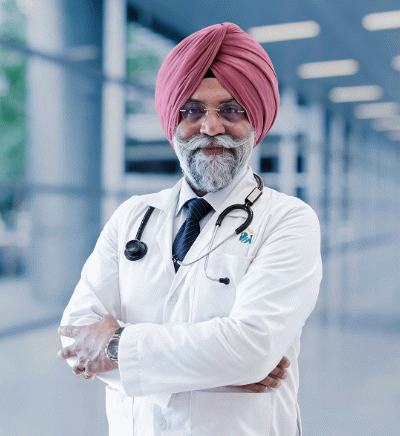
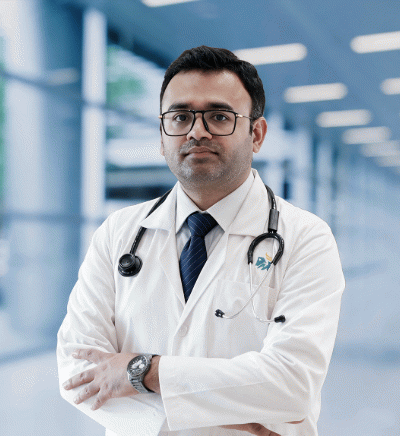
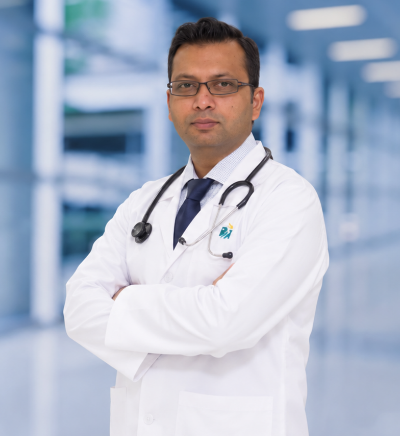
Craniotomy Specialists at Apollo Hospitals, Gurugram




Disclaimer:
Oplysningerne på denne side er kun beregnet til generelle informations- og uddannelsesmæssige formål. Selvom vi gør en rimelig indsats for at sikre, at oplysningerne er nøjagtige, pålidelige og regelmæssigt gennemgås, bør de ikke betragtes som en erstatning for professionel lægelig rådgivning, diagnose eller behandling.
Egnetheden af en medicinsk procedure, sammen med dens fordele, risici, forberedelse, helbredelse, potentielle komplikationer og forventede resultater, kan variere fra person til person. Din sundhedsperson vil afgøre, om en procedure er passende baseret på din individuelle tilstand og sygehistorie.
Kontakt venligst en kvalificeret sundhedsperson for personlig rådgivning, før du træffer beslutninger vedrørende enhver medicinsk procedure.
For mere information om, hvordan vores medicinske indhold oprettes, gennemgås, opdateres og vedligeholdes, kan du læse vores [Redaktionel politik].




