


Microneurosurgery at Apollo Hospitals, Gurugram (Gurgaon)
Anmeldt af Apollos redaktion · Sidst anmeldt november 2026
Hurtigt svar
Microneurosurgery is surgery on the brain, spinal cord and nerves performed under an operating microscope with very fine instruments. The microscope provides strong magnification and bright light, allowing the surgeon to see tiny blood vessels and nerves clearly and to work between them through a relatively small opening. It is the standard technique for removing many brain and spinal tumours, clipping aneurysms, relieving nerve compression and removing slipped discs.
Fakta
| Procedure | Mikroneurokirurgi |
| Tilgængelig på | Apollo Hospitaler, Gurugram (Gurgaon) |
| OPD-tider | 9 am til 4 pm |
| Udnævnelser | +080 6999 1061 |
Oversigt
Microneurosurgery is surgery on the brain, spinal cord and nerves performed under an operating microscope with very fine instruments. The microscope provides strong magnification and bright light, allowing the surgeon to see tiny blood vessels and nerves clearly and to work between them through a relatively small opening. It is the standard technique for removing many brain and spinal tumours, clipping aneurysms, relieving nerve compression and removing slipped discs.
Microsurgical techniques may help people with brain or spinal cord tumours, aneurysms and vascular malformations, nerve compression syndromes such as trigeminal neuralgia, disc herniation and peripheral nerve injuries. The decision to operate depends on the diagnosis, the size and position of the lesion, the symptoms it causes, your general health and the alternatives, which may include observation, medicines, radiosurgery or endovascular treatment. The surgeon explains what the operation aims to achieve and what risks are specific to the area involved.
Book a consultation at Apollo Hospitals, Gurugram to learn whether microneurosurgery is suitable for you.
Why is Microneurosurgery Necessary?
Structures in the nervous system are delicate and closely packed, and vessels less than a millimetre wide may supply vital areas. Magnification allows the surgeon to treat the problem while handling surrounding tissue as gently as possible.
Conditions That May Require Microneurosurgery
Microneurosurgery may be considered for the following conditions when surgery is indicated.
- Hjernetumorer: Used to remove meningiomas, gliomas, vestibular schwannomas and metastases while aiming to preserve surrounding brain and nerves.
- Brain aneurysms and vascular malformations: Microsurgical clipping of an aneurysm or removal of a malformation may be advised depending on its shape, site and bleeding history.
- Spinal cord and nerve root tumours: Tumours within or beside the spinal cord are separated from it under magnification to relieve pressure.
- Diskusprolaps og spinalstenose: Microdiscectomy or microscopic decompression may be recommended when nerve compression persists despite non-surgical treatment.
- Nerve compression and nerve injury: Microvascular decompression for trigeminal neuralgia and repair or grafting of injured peripheral nerves are carried out with microsurgical technique.
Tegn og symptomer at holde øje med
Symptoms vary with the condition, and commonly include the following.
- Progressive headache: Headache that is steadily worsening or accompanied by vomiting may be linked to a mass inside the skull.
- Beslaglæggelser: New seizures in an adult often lead to a scan that shows a tumour or vascular lesion.
- Svaghed eller følelsesløshed: Loss of power or feeling in the limbs may come from pressure on the brain, spinal cord or a nerve.
- Hearing loss or facial pain: One-sided hearing loss or sharp facial pain can arise from conditions affecting the cranial nerves.
- Difficulty walking or loss of hand dexterity: Stiff legs, imbalance or clumsy hands may suggest compression of the spinal cord.
- Radiating limb pain: Pain travelling down an arm or leg is typical of a compressed nerve root in the spine.
Når andre behandlinger ikke længere er nok
Not every lesion needs an operation. Small, symptom-free tumours may be monitored, swelling may be eased with steroids, seizures and nerve pain are treated with medicines, and many disc problems improve with physiotherapy. Surgery is considered when a lesion is growing or causing neurological symptoms, when a diagnosis is required, when an aneurysm or malformation poses a risk of bleeding, or when pain and weakness continue in spite of appropriate non-surgical treatment.
Types of Microneurosurgery
Microsurgical technique is applied across several kinds of operation.
- Microsurgical tumour resection: The tumour is removed piece by piece or in one block through a craniotomy, with careful separation from normal tissue.
- Aneurysm clipping: A small metal clip is placed across the neck of the aneurysm to exclude it from the circulation while keeping normal arteries open.
- Mikrovaskulær dekompression: A blood vessel pressing on a cranial nerve is moved away and cushioned through a small opening behind the ear.
- Spinal microsurgery: Discs, bone spurs or tumours compressing the spinal cord or nerve roots are removed through a limited incision under the microscope.
- Peripheral nerve microsurgery: Injured nerves are released, repaired or bridged with grafts using stitches finer than a human hair.
Juridiske og etiske krav i Indien
Før behandlingen forklarer det kliniske team indikationen, alternativerne, de forventede fordele og risiciene og indhenter skriftligt informeret samtykke. Du kan stille spørgsmål, søge en second opinion og tage dig tid til at beslutte dig.
Kontakt neurovidenskabsteamet på Apollo Hospitals, Gurugram, for en individuel vurdering.
Risks of Delaying Microneurosurgery
Postponing surgery that has been recommended may carry the following risks.
- Growth of the lesion: A larger tumour may be more firmly attached to vital structures and harder to remove safely.
- Irreversible neurological loss: Prolonged pressure on the brain, spinal cord or nerves can cause deficits that do not recover after later surgery.
- Blødende: An aneurysm or vascular malformation may rupture and cause a sudden, serious haemorrhage.
- Forhøjet intrakranielt tryk: Increasing swelling or blocked fluid flow may cause drowsiness and require emergency treatment.
- Poorer nerve recovery: After a nerve injury, the chance of regaining muscle function falls if repair is delayed for many months.
Discuss with your surgeon how soon the operation should take place and what changes in symptoms to watch for meanwhile.
Benefits of Microneurosurgery
For suitable patients, microsurgical technique may offer the following.
- Precise removal or repair: Magnified vision helps the surgeon distinguish abnormal tissue from normal tissue during the operation.
- Protection of small vessels and nerves: Fine structures can be identified and preserved more reliably than with the naked eye.
- Smaller openings: Good light and magnification allow many operations to be done through limited exposures.
- Relief of pressure symptoms: Removing a mass or freeing a nerve may improve pain, weakness or other symptoms in many patients.
- Tissue for diagnosis: The removed tissue is examined in the laboratory to confirm the diagnosis and guide any further treatment.
- Durable treatment in selected conditions: Complete removal of some benign tumours, or secure clipping of an aneurysm, may provide long-lasting control.
The outcome depends on the nature and location of the condition and on each person's health, and cannot be guaranteed.
Microneurosurgery at Apollo Hospitals, Gurugram (Gurgaon)
Why Choose Apollo Hospitals, Gurugram for Microneurosurgery?
Apollo Hospitals, Gurugram combines specialist assessment with coordinated care for people who need microneurosurgery.
- Specialistvurdering: A neurosurgeon evaluates your symptoms, examination and imaging to decide whether surgery is advisable and what it can realistically achieve.
- Operative planning: The approach, position and any monitoring of nerve function during surgery are planned in advance with the anaesthesia and neurophysiology teams.
- Post-operative care and review: Recovery is supervised by nursing and rehabilitation staff, and the pathology report and further plan are discussed at follow-up.
- Tværfaglig planlægning: Specialister fra de relevante afdelinger gennemgår komplekse sager sammen, før de anbefaler en plan.
- Individualiseret behandling: Anbefalingerne tager højde for dine symptomer, testresultater, alder, generelle helbred og præferencer.
- Patientfokuseret kommunikation: Plejeteamet forklarer forberedelse, forventet bedring, medicin og advarselstegn i et letforståeligt sprog.
- Kontinuitet i plejen: Opfølgende besøg sporer bedring og hjælper med at håndtere den underliggende tilstand over tid.
Microneurosurgery Care for Patients in Gurugram and Delhi NCR
Apollo Hospitals, Gurugram is located on Golf Course Road, Sector 28, Gurugram, Haryana 122009. It offers Microneurosurgery for patients from Gurugram, the wider Delhi NCR and Haryana, with specialist doctors, nursing and diagnostic teams working together from assessment to follow-up.
How to Reach the Microneurosurgery Team in Gurugram
- Adresse: Apollo Hospitaler Gurugram, Golfbanevej, Sektor 28, Gurugram, Haryana 122009
- Telefon: 0124-6501600 eller 08069991061
- Book online: Book a Microneurosurgery consultation in Gurugram
Få rutevejledning til Apollo Hospitaler, Gurugram
Apollo Hospitals, Gurugram ligger på Golf Course Road, sektor 28. Åbn hospitalets placering og få rutevejledning på Google Maps.
Hvis du bor uden for Gurugram
If you are travelling from elsewhere in Delhi NCR or Haryana, ask the care team how to plan your consultation, tests and follow-up visits for Microneurosurgery so that you are not making more trips than needed.
Hvad du skal medbringe til din første konsultation
- Scanninger, testrapporter og tidligere lægejournaler relateret til din tilstand
- En liste over din nuværende medicin og eventuelle allergier
- Foto-ID og forsikringsoplysninger, hvis du har dem
Relateret pleje på Apollo Hospitals, Gurugram
Udforsk neurovidenskabelig afdeling på Apollo Hospitals i Gurugram for at lære om de specialister og tjenester, der er tilgængelige.
Preparation for Microneurosurgery
Klinisk vurdering
Your specialist first confirms the diagnosis and whether microneurosurgery is the right option.
- Del din historie: Describe how your symptoms began and changed, previous operations or radiotherapy, other illnesses, allergies and all medicines including blood thinners.
- Deltag i eksamen: A full neurological examination, sometimes with hearing, vision or nerve conduction tests, records your function before surgery.
- Diskuter alternativer: Ask whether observation, radiosurgery, endovascular treatment or an endoscopic approach could be considered instead of microsurgery.
Test før behandling
The following tests are commonly performed before a microneurosurgical operation.
- MR-scanning med kontrastmiddel: Defines the lesion and its relationship to the brain, spinal cord, nerves and vessels.
- CT-scanning: Shows bone detail, calcification and any recent bleeding, and helps in planning the bone opening.
- Angiografi: CT, MR or catheter angiography maps the blood vessels when the lesion is vascular or lies next to major arteries.
- Nerve conduction and EMG studies: Assess the site and severity of a peripheral nerve problem before repair or release.
- Blodprøver og bedøvelsesvurdering: Check blood count, clotting, kidney function and overall fitness for a long anaesthetic.
Medicin og allergier
Ændringer i medicinering bør kun foretages efter anbefaling fra det behandlende team.
- Giv en medicinliste: Inkluder receptpligtig medicin, insulin, blodfortyndende medicin, kosttilskud og håndkøbsmedicin.
- Rapportér allergier: Fortæl teamet om tidligere reaktioner på kontrastvæske, medicin, latex eller anæstesi.
- Følg specifikke anvisninger: Du kan blive bedt om at justere blodfortyndende medicin eller diabetesmedicin før proceduren.
Mad og praktisk planlægning
Følg hospitalets personlige indlæggelses- og fasteinstruktioner.
- Følg fastevejledningen: Stop med at indtage mad og væske på det tidspunkt, du får besked på, hvis faste er nødvendig.
- Arranger support: Bed en ansvarlig voksen om at ledsage dig og hjælpe efter udskrivelsen.
- Planlæg dit ophold: Medbring identifikation, rapporter, behageligt tøj og vigtige personlige ejendele.
Samtykke og endelig gennemgang
Holdet gennemfører sikkerhedstjek og besvarer spørgsmål inden behandlingen.
- Forstå planen: Gennemgå forventede fordele, begrænsninger, alternativer og mulige komplikationer.
- Bekræft samtykke: Underskriv først samtykkeerklæringen, når du har modtaget oplysninger, du forstår.
- Rapportér ændringer: Informer hospitalet om feber, infektion eller nye symptomer inden proceduren.
Recovery After Microneurosurgery
Umiddelbart efter behandling
Overvågningen begynder, så snart proceduren er afsluttet.
- Intensive monitoring: After brain surgery you are usually observed in an intensive care or high-dependency area for the first night.
- Neurological checks and imaging: Staff repeatedly assess your alertness and limb strength, and a scan may be done to check the operated area.
- Pain relief and mobilisation: Pain and nausea are treated, and you are helped out of bed as soon as your condition allows.
Pleje i hjemmet
Følg de udskrivelsesråd, der er givet i din situation.
- Sårpleje: Keep the incision clean and dry, avoid scratching it, and return for removal of stitches or clips as advised.
- Medicin: Take anti-seizure medicines, steroids and pain relief exactly as prescribed, tapering only on medical advice.
- Graded activity and rest: Expect to tire easily at first, balance short walks with rest, and avoid heavy lifting until permitted.
Medicin og opfølgning
Løbende pleje understøtter heling og kontrollerer resultatet af behandlingen.
- Tag medicin korrekt: Fortsæt med at tage ordineret medicin, og stop ikke med at tage den uden rådfør dig.
- Deltag i evalueringsbesøg: Opfølgning kan omfatte undersøgelse og gentagne tests.
- Spor symptomer: Bemærk enhver ændring i dine symptomer, og del den ved din evaluering.
Tilbage til sædvanlige aktiviteter
After a microdiscectomy many people resume desk work in two to four weeks, whereas after brain surgery four to eight weeks or longer is common, depending on the condition and any further treatment. Driving after brain surgery is not permitted until your doctor confirms it is safe, and seizure-related restrictions may apply. Begin with walking and increase activity gradually. Strenuous exercise and contact sports should be discussed with your surgeon before you restart them.
Advarselstegn, der kræver akut lægehjælp
Søg omgående lægehjælp, hvis et af følgende udvikler sig.
- Severe or worsening headache with vomiting: Attend the emergency department promptly, as this may be due to bleeding or swelling.
- New weakness, numbness, confusion or speech difficulty: Seek urgent assessment and do not wait for a routine appointment.
- Anfald: Call for emergency help and let your surgical team know as soon as possible.
- Fever, or a red, swollen or leaking wound: Contact the hospital the same day, particularly if clear fluid is draining.
- Leg swelling, chest pain or breathlessness: Seek emergency care, since these may be signs of a blood clot.
Take the Next Step Towards Microneurosurgery Care
A specialist consultation can clarify whether microneurosurgery is right for you and what the alternatives are.
Medbring følgende dokumenter, når de er tilgængelige:
- Medicinske journaler: Medbring tidligere konsultationsnotater, epikriser og recepter.
- Testrapporter: Medbring scanninger, blodprøveresultater og andre undersøgelser relateret til din tilstand.
- Medicinliste: Inkluder aktuelle doser, kosttilskud og allergier.
- Identifikations- og dækningsoplysninger: Medbring gyldig legitimation, forsikringspapirer og henvisningsdokumenter.
Book your microneurosurgery consultation with Apollo Hospitals, Gurugram today.
Frequently Asked Questions About Microneurosurgery
What is the difference between microneurosurgery and conventional neurosurgery?
Microneurosurgery uses an operating microscope and fine instruments, whereas older conventional techniques relied on the naked eye or simple magnifying loupes. The microscope gives a magnified, brightly lit, three-dimensional view that allows more delicate work through smaller openings. Today most operations on the brain, spinal cord and nerves use microsurgical technique.
What are the risks of microneurosurgery?
The risks depend on the operation and the area involved. General risks include bleeding, infection, seizures, leakage of spinal fluid, blood clots and anaesthetic complications. There is also a risk of new or worsened neurological problems such as weakness, speech or vision difficulty. Your surgeon will explain the likelihood for your particular procedure.
How long does a microneurosurgical operation take?
The duration varies widely. A lumbar microdiscectomy often takes about one to two hours, while removal of a brain tumour or clipping of an aneurysm commonly takes three to six hours and occasionally longer for complex cases. Time for anaesthesia, positioning and waking up is in addition.
Hvor længe skal jeg blive på hospitalet?
Hospital stay depends on the procedure. After spinal microsurgery many patients go home within one to three days. After brain surgery a stay of about five to seven days is usual, including a period of close observation initially. Some patients need additional time for rehabilitation before they are ready for discharge.
Vil jeg have smerter efter operationen?
Some pain is expected but is usually manageable. Headache and wound soreness after brain surgery tend to ease over one to two weeks and respond to regular pain relief. After spinal surgery, muscle soreness around the incision is common. Tell the nursing team if pain is not controlled so that medicines can be adjusted.
Which is the best hospital for Microneurosurgery in Gurugram?
The right hospital depends on your condition and your doctor's advice. Apollo Hospitals, Gurugram offers specialist assessment, diagnostics and coordinated care for microneurosurgery. Compare the team's experience, the facilities and the follow-up care on offer before you decide.
How do I book a consultation for Microneurosurgery at Apollo Hospitals, Gurugram?
Du kan booke online via bookinglinket på denne side eller ringe til 08069991061. OPD's åbningstider er fra kl. 9 til 4. Behandlerteamet vil guide dig til den rette specialist.
Hvor ligger Apollo Hospitals, Gurugram?
Apollo Hospitals, Gurugram ligger på Golf Course Road, sektor 28, Gurugram, Haryana 122009.
What should I bring to my first consultation for Microneurosurgery?
Medbring eventuelle scanninger og testrapporter relateret til din tilstand, tidligere lægejournaler, en liste over din nuværende medicin og allergier, et billedlegitimation og dine forsikringsoplysninger, hvis du har dem.
Can patients from outside Gurugram get Microneurosurgery care at Apollo Hospitals, Gurugram?
Ja. Patienter fra Delhi NCR, Haryana og andre dele af Indien kan konsultere teamet på Apollo Hospitals, Gurugram. Del dine rapporter, når du booker, så teamet kan planlægge dit besøg.
Medicinsk ansvarsfraskrivelse: Disse oplysninger er til generel oplysning og erstatter ikke en konsultation med en kvalificeret læge. Behandlingsbeslutninger afhænger af en individuel vurdering.
Nylig tilføjet


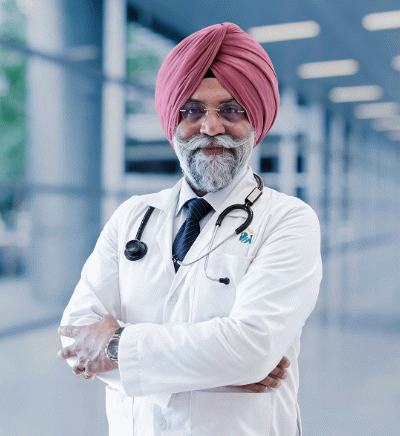
Microneurosurgery Specialists at Apollo Hospitals, Gurugram






Disclaimer:
Oplysningerne på denne side er kun beregnet til generelle informations- og uddannelsesmæssige formål. Selvom vi gør en rimelig indsats for at sikre, at oplysningerne er nøjagtige, pålidelige og regelmæssigt gennemgås, bør de ikke betragtes som en erstatning for professionel lægelig rådgivning, diagnose eller behandling.
Egnetheden af en medicinsk procedure, sammen med dens fordele, risici, forberedelse, helbredelse, potentielle komplikationer og forventede resultater, kan variere fra person til person. Din sundhedsperson vil afgøre, om en procedure er passende baseret på din individuelle tilstand og sygehistorie.
Kontakt venligst en kvalificeret sundhedsperson for personlig rådgivning, før du træffer beslutninger vedrørende enhver medicinsk procedure.
For mere information om, hvordan vores medicinske indhold oprettes, gennemgås, opdateres og vedligeholdes, kan du læse vores [Redaktionel politik].




