


اپولو ايڊيٽوريل ٽيم پاران جائزو ورتو ويو
تڪڙو جواب
Myomectomy is surgery to remove fibroids from the womb while leaving the womb in place. It is usually chosen by women whose fibroids cause troublesome symptoms and who wish to keep their uterus or plan a pregnancy. It can be done through an open cut, by keyhole or robotic surgery, or through the vagina with a thin telescope. The right method depends on the size, number and position of the fibroids.
| اهم حقيقتون | تفصيل |
|---|---|
| هي ڇا آهي | Surgical removal of uterine fibroids with repair of the womb |
| مکيه سبب | Fibroids causing heavy periods, pain, pressure or fertility problems |
| مکيه قسمون | Abdominal (open), laparoscopic, robotic and hysteroscopic |
| اينشميشيا | عام طور تي جنرل اينسٿيسيا؛ ڪڏهن ڪڏهن اسپائنل |
| اسپتال رهڻ | Same day to a few days, depending on the method |
| واپس آڻڻ | A few days to about six weeks, depending on the method |
| زخم | Kept in place, so periods continue and pregnancy may still be possible |
| پاران ڪيل | Gynaecologist or gynaecological surgeon |
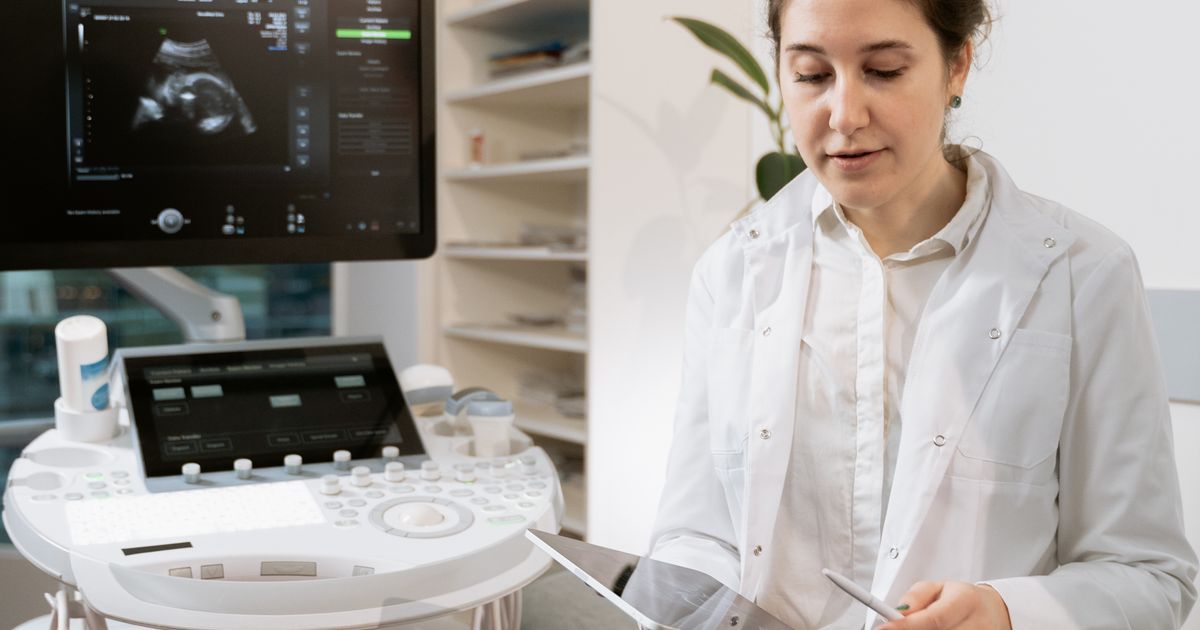
What is myomectomy?
Fibroids are non-cancerous growths of muscle tissue in the wall of the womb. Many women have them and never need treatment. When uterine fibroids cause symptoms, one option is myomectomy. The surgeon removes each fibroid and then stitches the womb wall back together. Unlike a ماھر, the womb is not removed.
Other names for myomectomy
- فائبرائيڊ هٽائڻ جي سرجري
- Fibroidectomy
- Uterine fibroid surgery
- Removal of leiomyoma or myoma
- Womb-sparing fibroid surgery
Types of myomectomy
There are four main ways to do the operation. Each has its own detailed page, linked in the table below.
| قسم | هي ڇا آهي | جڏهن اهو عام طور تي استعمال ٿيندو آهي | وڌيڪ پڙهڻ |
|---|---|---|---|
| Abdominal (open) | Fibroids are removed through one cut in the lower abdomen | Very large fibroids, many fibroids, or fibroids set deep in the womb wall | پيٽ جي مائيوميڪٽومي |
| ڌنڌوسڪوپي | ڪيمرا ۽ پتلي اوزارن جي استعمال سان ڪجهه ننڍڙن ڪٽ ذريعي ڪي هول سرجري | A limited number of small to medium fibroids in or on the outer part of the womb wall | laparoscopic myomectomy |
| روبوٽڪ | Keyhole surgery in which the surgeon controls robotic arms from a console | Similar cases to laparoscopic surgery, sometimes where the stitching is more demanding | روبوٽڪ myomectomy |
| Hysteroscopic | A thin telescope is passed through the vagina and cervix, with no cuts on the abdomen | Fibroids that bulge into the cavity of the womb (submucosal fibroids) | Hysteroscopic myomectomy |
Why is myomectomy done?
Myomectomy may be advised when fibroids cause:
- Heavy or prolonged periods, sometimes leading to anaemia and tiredness
- Pelvic pain, pressure or a feeling of fullness in the lower abdomen
- Frequent urination or constipation from pressure on the bladder or bowel
- Difficulty conceiving or repeated pregnancy loss, when a fibroid distorts the womb cavity
It is not the only option. Depending on your age, symptoms and plans for pregnancy, your doctor may also discuss watchful waiting, medicines to control bleeding, uterine artery embolisation, focused ultrasound treatment or hysterectomy. Myomectomy is generally preferred when a woman wants to keep her womb.
How is myomectomy done in general?
Before surgery, the fibroids are mapped with a پيلوڪ الٽراسائونڊ and sometimes an ايم آر آئي اسڪين. Blood tests check for anaemia, which may need to be corrected first. Tell your doctor about all medicines you take, especially blood thinners.
The operation is done under اينستيسيا. In open, laparoscopic ۽ روبوٽ surgery, the surgeon opens the womb wall over each fibroid, eases the fibroid out and closes the wall in layers with stitches. In the hysteroscopic method, the fibroid is shaved away from inside the womb during a هسٽسٽرڪوپي. The removed tissue is sent to the laboratory for examination. The step-by-step details differ for each method and are explained on the pages linked above.
Risks of myomectomy
Your surgeon will explain which risks apply to you.
- Bleeding during or after surgery, which occasionally needs a رت جي منتقلي
- Infection of the wound, womb or urinary tract
- Scar tissue (adhesions) inside the pelvis or womb
- Injury to the bladder, bowel or blood vessels, which is uncommon
- پيرن يا ڦڦڙن ۾ رت جا ڦڙا
- بي هوشي جي رد عمل
- Rarely, the need to remove the womb if bleeding cannot be controlled
- A scar in the womb wall, which may affect how a future baby is delivered
- New fibroids growing in later years
Recovery after myomectomy
Recovery depends mainly on the method. After hysteroscopic surgery, many women go home the same day and return to normal activity within a few days. After laparoscopic or robotic surgery, recovery usually takes two to four weeks. After open surgery, expect a hospital stay of a few days and around four to six weeks before full activity. Some vaginal spotting, tiredness and mild pain are common at first. Walk gently from early on, and avoid heavy lifting and strenuous exercise until your doctor clears you.
جڏهن طبي مدد ڳولڻ چاهيندا
- Heavy vaginal bleeding or passing large clots
- بخار يا ٿڌي
- پيٽ ۾ سخت يا خراب ٿيندڙ درد
- زخم مان لالي، سوڄ يا خارج ٿيڻ
- بدبودار ويجن مان خارج ٿيڻ
- Pain or swelling in one leg, chest pain or breathlessness
- پيشاب نڪرڻ مشڪل
What is the cost of myomectomy in India?
قيمت ڪيترن ئي عنصر تي منحصر آهي:
- The method used (open, laparoscopic, robotic or hysteroscopic)
- The number, size and position of the fibroids
- اسپتال ۾ رهڻ جي ڊيگهه ۽ ڪمري جو قسم
- Tests and scans needed before surgery
- Whether a blood transfusion or other extra care is needed
- شهر ۽ اسپتال
قيمتون هڪ شخص کان ٻئي شخص تائين مختلف هونديون آهن. مهرباني ڪري اصل قيمتن لاءِ اسپتال سان چيڪ ڪريو.
Many health insurance policies cover medically necessary fibroid surgery. Check the terms of your own policy before admission.
Why choose Apollo Hospitals for myomectomy?
- Gynaecologists experienced in open, keyhole and hysteroscopic fibroid surgery
- Ultrasound and MRI imaging to plan the operation
- Anaesthesia, blood bank and intensive care support on site
- Fertility and obstetric teams available for women planning a pregnancy
- Robotic surgery at selected centres. Availability differs between centres. Please check with the hospital.
To discuss fibroid treatment, you can گائنيڪولوجسٽ سان ملاقات جو وقت بُڪ ڪريو توهان جي ويجهو اپولو اسپتال ۾.
Questions to ask your doctor about myomectomy
- Do my fibroids need surgery, or can they be watched or treated another way?
- Which type of myomectomy suits my fibroids, and why?
- What is the chance that the plan changes to open surgery or hysterectomy?
- How long should I wait before trying for a pregnancy?
- Will I need a caesarean delivery in a future pregnancy?
- How likely are my fibroids to return?
FAQs
1. Is myomectomy a major operation?
It depends on the method. Open abdominal myomectomy is major surgery with a recovery of several weeks. Laparoscopic and robotic operations use small cuts and recovery is usually quicker. Hysteroscopic myomectomy involves no cuts on the abdomen and is often a day procedure.
2. Which type of myomectomy is right for me?
The choice depends on the size, number and position of your fibroids, any previous surgery, and your plans for pregnancy. Fibroids inside the womb cavity are usually treated hysteroscopically. Large or numerous fibroids often need open surgery. Your gynaecologist will advise after reviewing your scans.
3. Can I get pregnant after myomectomy?
Many women conceive after myomectomy, though it cannot be guaranteed because fertility depends on many factors. Your surgeon will tell you how long to wait before trying, so that the womb wall has time to heal.
4. Will I need a caesarean after myomectomy?
Sometimes. If the cut in the womb wall was deep, a planned caesarean may be advised to lower the risk of the scar giving way during labour. Ask your surgeon to record what was done, and share this with your obstetrician.
5. Can fibroids come back after myomectomy?
Yes. The fibroids that are removed do not regrow, but new ones can develop over time, especially in younger women and those who had many fibroids. Some women need further treatment later.
6. How is myomectomy different from hysterectomy?
Myomectomy removes only the fibroids and keeps the womb, so periods continue and pregnancy may be possible. Hysterectomy removes the womb, so fibroids cannot return, but pregnancy is no longer possible.
7. وصولي ڪيترو وقت وٺندو آهي؟
Recovery ranges from a few days after hysteroscopic surgery to around four to six weeks after open surgery. Laparoscopic and robotic surgery fall in between.
8. Which doctor performs myomectomy?
Myomectomy is performed by a gynaecologist. Keyhole and robotic operations are done by gynaecologists with extra training in minimally invasive surgery.
ٿڪل
Myomectomy removes fibroids while keeping the womb, and it can be done in four main ways. The best approach depends on your fibroids and your plans for the future. Read the page for the type your doctor has suggested, and talk through the benefits and risks with your gynaecologist before deciding.
هي صفحو عام معلومات لاءِ آهي ۽ توهان جي ڊاڪٽر جي صلاح کي تبديل نٿو ڪري. علاج جا فيصلا هڪ قابل ماهر سان ڪرڻ گهرجن جيڪو توهان جي طبي تاريخ کي ڄاڻي ٿو.
تازا شامل ٿيل


اپولو اسپتالن ۾ گائنيڪالوجسٽ







اعلان:
هن صفحي تي ڏنل معلومات صرف عام معلوماتي ۽ تعليمي مقصدن لاءِ آهي. جڏهن ته اسان مناسب ڪوششون ڪريون ٿا ته اها معلومات صحيح، قابل اعتماد، ۽ باقاعدي طور تي نظرثاني ڪئي وڃي، ان کي پيشه ورانه طبي صلاح، تشخيص، يا علاج جو متبادل نه سمجهيو وڃي.
طبي طريقيڪار جي مناسبيت، ان جي فائدن، خطرن، تياري، بحالي، امڪاني پيچيدگين، ۽ متوقع نتيجن سان گڏ، هڪ شخص کان ٻئي شخص ۾ مختلف ٿي سگهن ٿا. توهان جو صحت جي سار سنڀار ڪندڙ پيشه ور اهو طئي ڪندو ته ڇا هڪ طريقيڪار توهان جي انفرادي حالت ۽ طبي تاريخ جي بنياد تي مناسب آهي.
ڪنهن به طبي طريقيڪار بابت فيصلا ڪرڻ کان اڳ مهرباني ڪري ذاتي صلاح لاءِ هڪ قابل صحت جي سار سنڀار ڪندڙ سان صلاح ڪريو.
اسان جي طبي مواد کي ڪيئن ٺاهيو، جائزو ورتو، اپڊيٽ ڪيو، ۽ برقرار رکيو وڃي ٿو، ان بابت وڌيڪ معلومات لاءِ، مهرباني ڪري اسان جي [ايڊٽوريل پاليسي] پڙهو.




