


اپولو ايڊيٽوريل ٽيم پاران جائزو ورتو ويو
تڪڙو جواب
Microneedling is a clinic procedure in which very fine needles make tiny, controlled punctures in the skin so that it produces new collagen as it heals. Its best established use is for depressed acne scars, where a course of sessions usually gives partial, gradual improvement. Evidence for wrinkles, pores, stretch marks and hair loss is weaker. It does not erase scars or stop ageing, and darkening of the skin, infection and scarring can occur, so it should be done by a trained doctor.
| اهم حقيقتون | تفصيل |
|---|---|
| هي ڇا آهي | Controlled needle punctures of the skin to stimulate collagen |
| مکيه استعمال | Depressed acne scars and some other scars |
| جتي اهو ڪيو ويندو آهي | Dermatology clinic or procedure room, as a day visit |
| اينشميشيا | Numbing cream applied before the session |
| وقت ويو | About 20 to 30 minutes of treatment, plus numbing time |
| سيشن جو تعداد | Usually several, about a month or more apart |
| آخري وقت | Redness and mild swelling for one to three days |
| مکيه حدون | Improvement is partial and slow. Results differ from person to person |

مائڪرونيڊلنگ ڇا آهي؟
Microneedling uses a device fitted with many fine, sterile needles. As the device passes over the skin, the needles make thousands of tiny channels that reach the dermis, the layer that gives skin its strength. The surface heals within a day or so. Underneath, the skin responds to these small injuries by laying down new collagen and elastin over the following weeks and months.
Because the needles leave most of the surface intact, healing is quicker than after procedures that remove whole layers of skin, such as ليزر ري سرفيسنگ or چمڙي جي بيماري. The trade-off is that each session produces a modest change, so a course is needed.
Clinic microneedling is a medical procedure. It is different from short-needle rollers sold for home use, which do not reach the same depth.
Other names for microneedling
- ڪوليجن انڊڪشن ٿراپي
- Skin needling or percutaneous collagen induction
- Dermaroller treatment
- Dermapen or microneedling pen treatment
- Microneedling radiofrequency (MNRF), when heat energy is added
اهو ڇو ڪيو ويو آهي؟
Uses with reasonable evidence
- اداس پيٽ جو سور: shallow, rolling and broad box-shaped scars respond better than narrow, deep "ice pick" scars.
- Other depressed scars: for example after chickenpox, injury or surgery, once fully healed.
Uses where benefit is modest or uncertain
- Fine lines and جھڙا: some softening of fine lines is possible. Deep folds and loose skin do not respond much.
- Enlarged pores and uneven texture: mild improvement in some people.
- ڇڪڻ جا نشان: they may become a little less noticeable but do not disappear. Read about stretch marks in pregnancy.
- Pigmentation such as ميلا: sometimes used with prescribed creams. Evidence is limited and needling can itself trigger darkening.
- Hair thinning: scalp needling is sometimes added to standard hair loss treatment. The evidence is still limited, and it is not a proven treatment on its own.
Microneedling does not treat active نڀاڳو, raised scars or sagging skin.
Types and methods
- Roller devices: a drum covered in needles is rolled across the skin by hand.
- Motorised pen devices: a tip with fine needles moves up and down rapidly. The depth can be adjusted for different areas, and a new sterile tip is used for each patient.
- Radiofrequency microneedling: the needles also deliver heat energy into the deeper skin. It may add tightening, but brings extra risks such as burns.
- Microneedling with platelet-rich plasma: a concentrate prepared from your own blood is applied or injected during the session. Some studies suggest a small added benefit for acne scars, but findings are mixed. See پليٽليٽ سان مالا مال پلازما (PRP).
| اختيار | ڪيئن اهو ڪم | عام بند وقت | غور ڪرڻ لاءِ نقطا |
|---|---|---|---|
| مائڪرو ميلنگلينڊ | Needle punctures stimulate collagen | 1 to 3 days of redness | Several sessions. Lower risk of pigment change than many lasers, but not zero |
| Radiofrequency microneedling | Needles plus heat in the deeper skin | ڪجهه ڏينهن | May suit some scars and laxity. Risk of burns. Availability differs |
| جزوي CO2 ليزر | Removes tiny columns of skin with laser | About a week or more | Stronger effect per session. Higher risk of darkening in brown skin |
| ڪيميائي ڇل | Removes surface layers with a medical solution | Varies with depth | Helps surface marks more than deep scars |
| Subcision or خالق | Releases or lifts scars held down by bands | Bruising for some days | Often combined with needling for tethered scars |
Many people with acne scars have more than one scar type, so the dermatologist may suggest a combination of methods.
Who is suitable, and who may not be?
You may be suitable if
- You have depressed scars or texture changes that bother you, and your acne is under control.
- You are in good general health and your skin heals normally.
- You accept that improvement will be partial and will take months.
Treatment may be delayed or advised against if
- You have active acne with inflamed spots, or a skin infection such as ٿڌو زخم or warts in the area.
- توهان وٽ سرگرم آهي ايڪوما or psoriasis where the needling is planned.
- You tend to form raised scars. See ڪيليڊ جا نشان.
- You have a bleeding disorder or take blood thinners.
- You are taking, or have recently finished, acne tablets from the vitamin A family. Your doctor will advise on timing.
- You have poorly controlled diabetes or a weakened immune system, which slow healing.
- You are pregnant. Elective skin procedures are usually postponed.
- There is a mole or patch in the area that has not been checked. See moles and when they need checking.
- You have recent ڪنوار or a tan.
ڪيئن تيار ڪرڻ
تشخيص
The dermatologist examines the scars or skin concern, asks about your health, medicines, allergies, past procedures and how your skin has healed before, and explains what can and cannot be achieved. Photographs are usually taken. Blood tests are not routinely needed, but may be requested if you have a medical condition that affects bleeding or healing.
Medicines and skin care to discuss
- Blood thinners, pain relief tablets that affect bleeding, and supplements. Do not stop a prescribed medicine without medical advice.
- Acne treatments, including vitamin A based creams and tablets, and exfoliating acids. Creams are often paused a few days before.
- Any history of cold sores. An antiviral medicine may be prescribed to prevent a flare.
ڏينهن تي
- Arrive with clean skin and no make-up.
- Eat normally. No fasting is needed.
- You will be asked to sign a consent form after your questions have been answered.
اهو ڪيئن ڪيو ويو آهي؟
- صفائي: the skin is cleaned thoroughly.
- انگ اکر: a numbing cream is applied and left on for 30 to 45 minutes, then removed.
- Antiseptic preparation: the area is wiped with an antiseptic solution.
- Needling: the doctor passes the device over the skin in several directions. Needle depth is set for each area, shallower over thin skin such as the forehead and deeper over thick scarred cheeks. You feel pressure, vibration and a scratching sensation. Pinpoint bleeding is expected and shows that the right depth has been reached.
- Added treatments, if planned: platelet-rich plasma or a sterile solution may be applied.
- Cleaning and soothing: the skin is cleaned with sterile saline, and a cool compress and a plain moisturiser or ointment are applied.
Only sterile products meant for this purpose should be applied to freshly needled skin. Cosmetic serums pushed into open channels have caused allergic and long-lasting inflammatory reactions.
What happens afterwards
You go home soon after the session. The skin looks red and feels tight and warm, like sunburn, for one to three days. Mild swelling, small bruises, dryness and light flaking can follow over the next few days. The next session is usually planned after about four to six weeks, once the skin has recovered.
خطر ۽ پيچيده
Common and usually temporary
- Redness, swelling and tenderness
- Pinpoint bleeding and small bruises
- Dryness, tightness and flaking
- A temporary flare of acne or tiny white bumps
اڻڄاتل
- Darkening of the skin (post-inflammatory هائپرپيگنڊيشن), more likely in darker skin and with sun exposure
- Bacterial infection, or a flare of cold sores (herpes simplex)
- Fine linear marks or scarring, usually linked to excessive depth or pressure over bony areas
- Allergic or lumpy inflammatory reactions to products applied during or after needling
- Burns or fat loss under the skin with radiofrequency devices
- Raised scars in people prone to them
- Little or no visible improvement
Infections spread through reused or poorly sterilised needles are a serious risk in unregulated settings. Always check that a new sterile needle cartridge is opened for your treatment.
نتيجا: اهو ڪيترو سٺو ڪم ڪري ٿو؟
For depressed acne scars, most people who complete a course notice some improvement in depth and texture, but scars rarely vanish. Ice pick scars and scars tied down by bands often need other techniques. Because collagen builds slowly, the change keeps developing for several months after the last session.
For fine lines, pores and stretch marks, changes are usually subtle. For hair thinning and pigmentation, microneedling should be seen as a possible add-on, not a proven treatment. Results cannot be guaranteed, and photographs taken in the same lighting help to judge progress honestly.
واپس آڻڻ
Most people return to desk work the next day, though the face may look flushed. Until the skin has settled:
- Wash with a gentle cleanser and use the moisturiser advised.
- Avoid make-up for at least 24 hours, or as advised.
- Avoid direct sun, and start sunscreen when your doctor says the skin is ready.
- Avoid swimming pools, saunas and heavy sweating for a couple of days.
- Do not use scrubs, acids or vitamin A creams until you are told to restart them.
- Do not pick at flaking skin.
جڏهن طبي مدد ڳولڻ چاهيندا
- Redness, pain or swelling that worsens after two to three days
- Pus, yellow crusting or fever
- Clusters of small painful blisters
- Firm lumps, persistent bumps or a rash that does not settle
- Dark patches or new marks in the treated area
Life after the procedure
- سورج جي حفاظت: daily sunscreen protects new collagen and lowers the chance of dark marks.
- Keep acne controlled: new breakouts can cause new scars, so continue the acne treatment plan agreed with your doctor.
- سگريٽ نوشي نه ڪريو: smoking slows skin healing and collagen formation.
- Home rollers: if you use one against advice, never share it. Shallow rollers do not match clinic results, and poorly cleaned devices can cause infection.
- بحالي some people have an occasional repeat session, and others need none.
فائدا
- Short recovery compared with procedures that remove the skin surface
- Can be used with care in darker skin tones, with a lower risk of pigment change than many heat-based treatments
- ڪو به ڪٽ يا ٽانڪي
- Can be combined with other scar treatments
- Uses the skin's own healing response
What is the cost of microneedling in India?
قيمت تي منحصر آهي:
- The area treated and the number of sessions
- The type of device, including whether radiofrequency is used
- Whether platelet-rich plasma or other treatments are added
- Consultation fees, medicines and aftercare products
- The city and the centre
قيمتون هڪ شخص کان ٻئي شخص تائين مختلف هونديون آهن. مهرباني ڪري اصل قيمتن لاءِ اسپتال سان چيڪ ڪريو.
Microneedling done for appearance is usually not covered by health insurance, so check your policy beforehand.
Why choose Apollo Hospitals for microneedling?
- Scars and skin concerns are assessed by qualified dermatologists before any procedure is advised.
- Sterile, single-use needle cartridges and hospital infection control practices are followed.
- You are told plainly what improvement is realistic, and when another treatment or no treatment would be the better choice.
- Other scar treatments, including داغ جو جائزو وٺڻ, can be discussed where appropriate.
- Availability differs between centres. Please check with the hospital.
To find out whether microneedling suits your skin, book an appointment with a dermatologist اپولو اسپتالن ۾.
لاڳاپيل پڙهڻ
Questions to ask your doctor about microneedling
- What type of scars do I have, and will microneedling help them?
- How much improvement is realistic for me?
- How many sessions do you expect, and how far apart?
- Which device and needle depth will you use?
- Would another treatment, or a combination, work better?
- What is my risk of dark marks afterwards?
- Should I stop any creams or medicines beforehand?
- Is adding platelet-rich plasma worthwhile in my case?
- What should I use on my skin afterwards?
FAQs
1. Is microneedling painful?
With numbing cream, most people feel pressure, vibration and mild scratching. Bony areas such as the forehead and upper lip are more sensitive. The skin stings like sunburn for a few hours afterwards.
2. ڪيترا سيشن گهربل آهن؟
For acne scars, a course of several sessions is typical, about four to six weeks apart. The exact number depends on scar type and depth and on how your skin responds.
3. مان نتيجا ڪڏهن ڏسندس؟
Skin may look fresher after a couple of weeks, but real change in scars takes time because collagen forms slowly. Improvement is usually judged a few months after starting and continues after the last session.
4. Does microneedling remove acne scars completely?
No. It usually makes depressed scars shallower and the skin smoother, but some scarring remains. Deep, narrow scars respond least and may need other methods.
5. Is microneedling safe for Indian skin?
It is widely used in brown and darker skin because it does not rely on heat or light absorbed by pigment. Dark marks can still occur, especially with sun exposure or aggressive treatment, so sun protection matters.
6. Are home dermarollers as good as clinic treatment?
No. Home rollers have short needles that reach only the surface, so they do not remodel scars in the same way. They also carry a risk of infection and irritation if they are not kept clean or are shared.
7. How long is the downtime?
Redness and mild swelling last one to three days for most people. Dryness or light flaking may continue for a few more days.
8. Can microneedling be done with active acne?
Not over inflamed spots. Needling can spread bacteria and worsen breakouts. Acne is treated first, and scars are addressed once it is under control.
9. Does microneedling help hair growth?
Some studies suggest scalp needling may add to the effect of standard hair loss treatments, but the evidence is limited. It is not a replacement for a proper diagnosis and treatment of hair loss.
10. Is microneedling with PRP better?
Some studies show slightly better scar improvement when platelet-rich plasma is added, while others show little difference. Your dermatologist can advise whether it is likely to be worth the added cost for you.
11. What is radiofrequency microneedling?
It uses needles that also deliver heat energy into the deeper skin. It may help some scars and mild looseness, but it adds risks such as burns and is not needed for everyone.
12. Can I wear make-up after microneedling?
It is best to avoid make-up for at least 24 hours, until the tiny channels have closed. Use clean brushes or sponges when you restart.
13. Is microneedling safe during pregnancy?
Elective cosmetic procedures, and the numbing creams used with them, are generally postponed until after pregnancy. Discuss timing with your doctor.
14. Which doctor performs microneedling?
A dermatologist assesses your skin and performs or supervises microneedling. You can ڊرماتولوجسٽ سان صلاح ڪريو to discuss whether it is suitable for you.
ٿڪل
Microneedling is a reasonable option for depressed acne scars and some texture concerns, with a short recovery and a fairly low risk of pigment change when done properly. Its effects are gradual and partial, several sessions are needed, and it is less convincing for wrinkles, stretch marks, pigmentation and hair loss. Sterile technique and correct depth are what keep it safe. A dermatologist can tell you whether it is likely to help your skin or whether another approach makes more sense.
هي صفحو عام معلومات لاءِ آهي ۽ توهان جي ڊاڪٽر جي صلاح کي تبديل نٿو ڪري. علاج جا فيصلا هڪ قابل ماهر سان ڪرڻ گهرجن جيڪو توهان جي طبي تاريخ کي ڄاڻي ٿو.
تازا شامل ٿيل


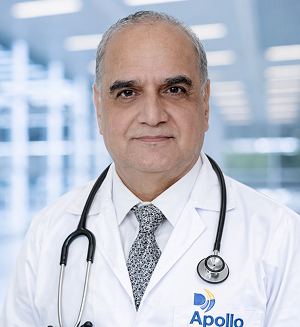
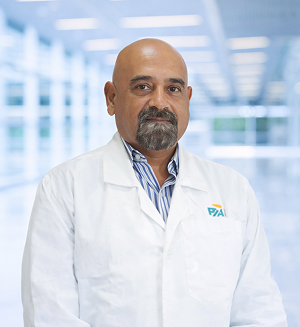
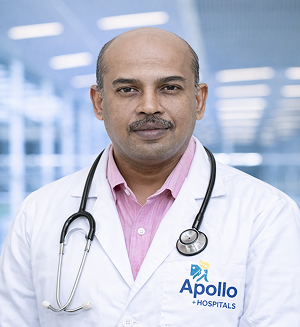
Dermatologists at Apollo Hospitals








اعلان:
هن صفحي تي ڏنل معلومات صرف عام معلوماتي ۽ تعليمي مقصدن لاءِ آهي. جڏهن ته اسان مناسب ڪوششون ڪريون ٿا ته اها معلومات صحيح، قابل اعتماد، ۽ باقاعدي طور تي نظرثاني ڪئي وڃي، ان کي پيشه ورانه طبي صلاح، تشخيص، يا علاج جو متبادل نه سمجهيو وڃي.
طبي طريقيڪار جي مناسبيت، ان جي فائدن، خطرن، تياري، بحالي، امڪاني پيچيدگين، ۽ متوقع نتيجن سان گڏ، هڪ شخص کان ٻئي شخص ۾ مختلف ٿي سگهن ٿا. توهان جو صحت جي سار سنڀار ڪندڙ پيشه ور اهو طئي ڪندو ته ڇا هڪ طريقيڪار توهان جي انفرادي حالت ۽ طبي تاريخ جي بنياد تي مناسب آهي.
ڪنهن به طبي طريقيڪار بابت فيصلا ڪرڻ کان اڳ مهرباني ڪري ذاتي صلاح لاءِ هڪ قابل صحت جي سار سنڀار ڪندڙ سان صلاح ڪريو.
اسان جي طبي مواد کي ڪيئن ٺاهيو، جائزو ورتو، اپڊيٽ ڪيو، ۽ برقرار رکيو وڃي ٿو، ان بابت وڌيڪ معلومات لاءِ، مهرباني ڪري اسان جي [ايڊٽوريل پاليسي] پڙهو.




