


د اپولو اداری ټیم لخوا بیاکتنه شوې
چټک ځواب
Sleep apnea surgery is a group of operations that widen or stabilise the upper airway so that it does not collapse during sleep. A CPAP machine, weight management and, for some people, a dental device are the usual first treatments for obstructive sleep apnea in adults. Surgery is considered for selected patients who cannot use CPAP or who have a clear physical blockage, such as large tonsils. In children, removal of the tonsils and adenoids is often the first treatment. Results vary, so a repeat sleep study after surgery is important.
| کلیدي حقایق | په بشپړه توګه کتل |
|---|---|
| هغه څه چې درملنه کوي | Obstructive sleep apnea (OSA) and, in some cases, severe snoring |
| First-line treatment in adults | CPAP, weight management, sleep position changes, oral appliances |
| First-line treatment in children | Often removal of enlarged tonsils and adenoids |
| Main surgical options | Nasal surgery, palate surgery (UPPP), tonsil removal, tongue-base procedures, jaw advancement, nerve stimulation implant |
| بې هوشه کول | General anaesthesia for most procedures |
| د روغتون پاتې کیدل | Day care to a few days, depending on the operation |
| Check after surgery | Repeat sleep study, usually after about three months |
| څوک یې ترسره کوي؟ | ENT surgeon, with maxillofacial and bariatric surgeons for some procedures |
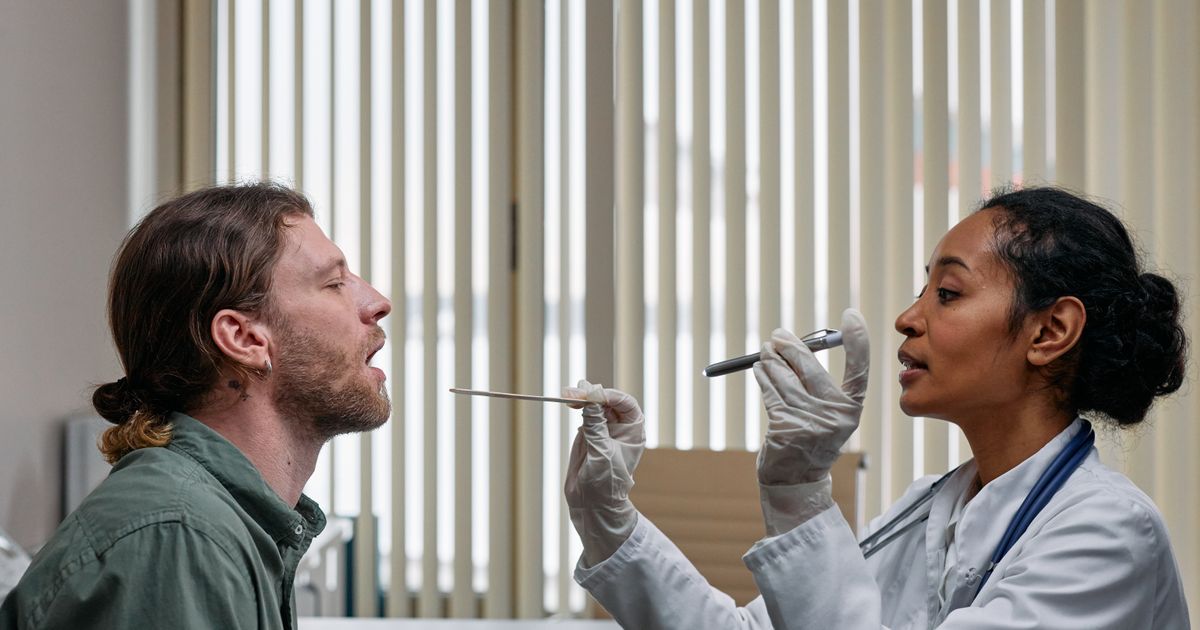
What is sleep apnea surgery?
In د خنډ خنډونه, the soft tissues of the throat relax during sleep and block the airway again and again. Breathing pauses, oxygen levels fall and the brain briefly wakes to reopen the airway. The result is loud خرېدل, unrefreshing sleep, daytime sleepiness and, over years, a higher risk of د وینی د لوړ فشار, heart disease and stroke.
The blockage can occur at the nose, the soft palate and tonsils, the back of the tongue, or the voice box area, and often at more than one level. Sleep apnea surgery is not one operation. It is a set of procedures, each aimed at a particular level. The surgeon chooses one or a combination after finding where your airway collapses.
Surgery does not treat central sleep apnea, a different condition in which the brain does not send regular signals to breathe.
Other names for sleep apnea surgery
- Sleep surgery
- Obstructive sleep apnoea surgery or OSA surgery
- د خرېټو جراحي
- Upper airway surgery
- Names of individual operations, such as UPPP, tonsillectomy, MMA and hypoglossal nerve stimulation
Treatments that usually come first
- CPAP (دوامداره مثبت د هوا فشار): A bedside machine blows air through a mask to hold the airway open. It is the standard treatment for moderate and severe OSA in adults and works at every level of the airway. It works only on the nights it is worn.
- د وزن اداره کول: Extra weight around the neck and abdomen worsens OSA. Losing weight often reduces its severity. See our page on موټری.
- Oral appliance: A custom dental device holds the lower jaw forward during sleep. It suits some people with mild to moderate OSA.
- Sleep position and habits: Sleeping on the side, avoiding alcohol and sedating medicines at night, and stopping smoking all help.
Before considering surgery, it is worth working with the sleep team on common CPAP problems such as mask fit, dryness and a blocked nose. Many people who struggle at first do well after these are corrected.
Why is sleep apnea surgery done?
- CPAP has been tried properly and cannot be tolerated or is not used regularly
- There is an obvious physical cause, such as very large tonsils, a small lower jaw or severe nasal blockage
- To improve nasal breathing so that CPAP or an oral appliance works better and is more comfortable
- In children with enlarged tonsils and adenoids (see paediatric obstructive sleep apnea)
- Severe obesity with OSA, where weight-loss surgery may be advised
Types of sleep apnea surgery
| کړنلاره | Airway level | څه ترسره کیږي؟ | Points to know |
|---|---|---|---|
| د پزې جراحي | ناک | Straightening the partition of the nose (سیپټوپلاسټي), reducing swollen turbinates, removing polyps | Improves nasal breathing and comfort with CPAP. On its own it seldom cures OSA. |
| Tonsil and adenoid removal | Throat and back of nose | ټونسیلولوژي سره یا پرته adenoidectomy | Often the first treatment in children. Helps adults who have large tonsils. |
| UPPP and newer palate operations | نرم تالو | Uvulopalatopharyngoplasty removes the tonsils and trims and repositions the soft palate and side walls of the throat | Results are variable. Works better in carefully selected patients. |
| Tongue-base procedures | Back of the tongue | Shrinking tongue tissue with radiofrequency energy, removing tonsil tissue at the tongue base, or moving the tongue muscle attachment or hyoid bone forward | Usually combined with palate surgery as multilevel surgery |
| Jaw advancement (maxillomandibular advancement) | Whole throat | The upper and lower jaws are cut, moved forward and fixed with plates | Among the most effective operations, but a major one. Changes facial appearance slightly. |
| د هایپوګلوسل اعصابو محرک | Tongue | An implanted device senses breathing and stimulates the nerve that moves the tongue forward during sleep | Only for adults who meet strict criteria. Not available everywhere. |
| Weight-loss surgery | ټول بدن | Operations such as د لستو .ي معدې | For people with severe obesity. OSA often improves with weight loss but may not disappear. |
| ټراکیسټومی | Bypasses the throat | A breathing opening made in the windpipe | Very rarely used, for life-threatening OSA when nothing else works |
څوک مناسب دی، او څوک ممکن نه وي؟
Surgery tends to suit adults with confirmed OSA who have not managed with CPAP, who have a blockage that surgery can correct, and who are not severely overweight. Children with large tonsils and adenoids are also good candidates.
Surgery may not be advised, or may be less likely to work, if:
- CPAP is working well and is tolerated
- Body weight is very high. Throat surgery alone is less effective, and weight management is addressed first.
- The problem is central sleep apnea
- No clear level of blockage is found
- Serious heart or lung disease makes anaesthesia risky
- Expectations are unrealistic, for example expecting a guaranteed cure
For the nerve stimulation implant, doctors apply further conditions on OSA severity, body weight and the pattern of airway collapse seen on sleep endoscopy.
څنګه چمتو کول
ازموینې
- A د خوب مطالعه to confirm OSA and measure its severity
- ENT examination, including a thin flexible camera passed through the nose (throat endoscopy)
- Drug-induced sleep endoscopy in selected adults, in which the airway is viewed while you are lightly sedated to see where it collapses
- ایکس رې یا CT سکین of the jaws and airway before jaw surgery
- Blood tests, heart tracing and a careful pre-anaesthetic assessment
د بحث لپاره درمل
Tell your doctor about all medicines, particularly blood thinners, sleeping tablets and strong pain medicines. Some need to be stopped or changed before surgery.
په ورځ
- Follow the fasting instructions
- Bring your CPAP machine and mask to hospital if you use one
- Tell the anaesthetist that you have sleep apnea, as it affects how you are monitored
- Arrange for an adult to take you home and stay with you
How is sleep apnea surgery performed?
The steps differ with each procedure. This is the general sequence for throat surgery such as UPPP with tonsil removal.
- انستیزیا: General anaesthesia is given by an anaesthetist experienced with difficult airways.
- موقعیت: You lie on your back with the mouth held open by a special retractor. There are no cuts on the outside.
- Tonsil removal: The tonsils are removed if still present.
- Palate reshaping: Excess tissue is trimmed and the muscles of the palate and throat side walls are repositioned and stitched to widen and stiffen the airway.
- Additional levels: Nasal or tongue-base procedures may be done in the same sitting when planned.
- Checking for bleeding: Bleeding points are sealed and the throat is inspected.
- Waking and monitoring: You are woken carefully and observed closely for breathing and oxygen levels.
Jaw advancement is done by a maxillofacial surgeon through cuts inside the mouth. A nerve stimulator is implanted through small cuts under the jaw and on the chest, and is switched on about a month later.
وروسته به څه کیږي؟
You are monitored in a recovery area, and sometimes overnight in a high dependency unit, because swelling and pain medicines can affect breathing in people with OSA. Throat pain is expected and is often significant for one to two weeks after palate or tonsil surgery. You will be given pain relief, advised to drink plenty of fluids and to eat soft, cool foods. You may be asked to continue CPAP until a repeat sleep study shows it is no longer needed.
خطرونه او اختلالات
ډیر عام
- Throat pain and difficulty swallowing for one to two weeks
- Ear pain referred from the throat
- A feeling of dryness or of something stuck in the throat
- Temporary change in voice or taste
- Nasal blockage and crusting after nasal surgery
لږ عام
- Bleeding, which can occur up to two weeks after tonsil or palate surgery and may need a return to theatre
- انفیکشن
- Fluids coming back through the nose when drinking, usually temporary
- Lasting change in swallowing or speech
- Breathing difficulty from swelling soon after surgery
- Numbness of the lip, chin or teeth and a change in bite after jaw surgery
- Device problems, discomfort or tongue weakness after a nerve stimulator implant
- Risks of general anaesthesia, which are somewhat higher in people with OSA
The most frequent disappointment is not a complication but an incomplete result: snoring improves, yet the sleep apnea persists or returns.
پایلې: دا څومره ښه کار کوي؟
Results depend on choosing the right operation for the right person. In children with large tonsils and adenoids, surgery resolves or greatly improves OSA in most cases, although children who are overweight may have some OSA remaining. In adults, palate surgery alone gives a good result in some and little change in others. Outcomes are better when tonsils are large, body weight is not high and the collapse is mainly at the palate. Jaw advancement has high success rates but is a bigger undertaking.
Surgery often reduces the severity of OSA without removing it completely. Some people still need CPAP afterwards, sometimes at a lower and more comfortable pressure. Weight gain and ageing can bring OSA back years later. A repeat sleep study is the only reliable way to know how well the surgery has worked, because feeling better and snoring less do not prove that the breathing pauses have gone.
راستنول
- د پزې جراحي: About one week off work. Nasal blockage settles over two to three weeks.
- Tonsil and palate surgery: Around two weeks. Soft diet, plenty of fluids and regular pain relief.
- د ژبې پر بنسټ کړنلارې: One to two weeks, with some tongue swelling at first.
- Jaw advancement: A hospital stay of a few days and a liquid or soft diet for several weeks. Full recovery takes a few months.
- Nerve stimulator implant: A few days of soreness. The device is activated and adjusted at later visits.
کله چې د طبي مرستې په لټه کې شئ
- Any fresh bleeding from the mouth or nose
- د تنفس مشکل یا شورماشور تنفس
- تبه
- Inability to drink fluids, or very little urine
- Pain that is not controlled by the medicines given
- Increasing swelling of the face, tongue or neck
Life after sleep apnea surgery
- Sleep with your head raised for the first one to two weeks
- Avoid alcohol and sleeping tablets, which relax the throat muscles
- Keep to a healthy weight. This protects the result more than anything else.
- Continue CPAP or your oral appliance until your doctor confirms you can stop
- Attend the repeat sleep study
- Do not drive if you are still sleepy during the day
- Report any return of snoring, witnessed pauses or daytime sleepiness
ګټې
- Fewer breathing pauses and better oxygen levels during sleep in suitable patients
- Less snoring and better sleep for the patient and family
- Improved daytime alertness and concentration
- Easier use of CPAP when the nose has been opened
- In children, better sleep, behaviour and growth when enlarged tonsils and adenoids were the cause
What is the cost of sleep apnea surgery in India?
لګښت په دې پورې اړه لري:
- Which procedure or combination of procedures is done
- Whether an implant or plates are needed
- Sleep studies, endoscopy and scans before and after surgery
- Length of stay and any high dependency care
- Room category and anaesthesia charges
- Other health conditions that need attention
لګښتونه له شخص څخه بل ته توپیر لري. مهرباني وکړئ د اصلي نرخونو لپاره له روغتون سره وګورئ.
Insurance cover for sleep apnea surgery differs between policies, so check with your insurer beforehand.
Why choose Apollo Hospitals for sleep apnea surgery?
- ENT surgeons who assess the nose, palate and tongue base and advise honestly on whether surgery is likely to help
- Sleep study services to confirm the diagnosis and check results after treatment
- Access to pulmonology and sleep medicine, maxillofacial surgery and bariatric surgery within the hospital network for joint decisions
- Anaesthesia and monitoring facilities suited to patients with sleep apnea
- Hypoglossal nerve stimulation implants and some newer procedures are not offered at every hospital. Availability differs between centres. Please check with the hospital.
To discuss your sleep study and options, you can book an appointment with an ENT specialist. If you have not yet been assessed for CPAP, a د پلمونولوژیست مرسته کولی شي.
اړوند لوستل
Questions to ask your doctor about sleep apnea surgery
- Have I given CPAP a fair trial, and can anything make it easier to use?
- At which level does my airway collapse?
- Which procedure do you recommend, and why?
- What result can I realistically expect?
- Might I still need CPAP after surgery?
- How painful is the recovery and how long will I be off work?
- What are the risks to my voice and swallowing?
- When will my sleep study be repeated?
FAQs
1. Can surgery cure sleep apnea permanently?
Sometimes, but not reliably. Surgery cures some people, improves many and fails in others. Weight gain or ageing can bring the condition back.
2. Is surgery better than CPAP?
No. CPAP is the most consistently effective treatment when it is used every night. Surgery is an alternative for people who cannot use CPAP or who have a correctable blockage.
3. What is UPPP?
UPPP stands for uvulopalatopharyngoplasty. It removes the tonsils and reshapes the soft palate and throat walls to widen the airway behind the mouth.
4. Will nasal surgery cure my sleep apnea?
Rarely on its own. It improves nasal breathing and sleep quality and often makes CPAP easier to tolerate.
5. Is removing the tonsils and adenoids effective in children?
Yes, in most children whose OSA is due to enlarged tonsils and adenoids. Children with obesity or certain other conditions may need further treatment.
6. Who is suitable for a nerve stimulation implant?
Adults with moderate to severe OSA who cannot use CPAP, are not very overweight and show a suitable pattern of airway collapse on sleep endoscopy. It is offered at limited centres.
7. How painful is sleep apnea surgery?
Nasal surgery causes mild discomfort. Palate and tonsil surgery in adults is painful for about two weeks. Regular pain relief and fluids help.
8. Will my voice change?
A slight change in the tone of the voice can occur after palate surgery and is usually temporary. Lasting change is uncommon.
9. Does surgery stop snoring?
Snoring usually reduces. Quieter sleep does not prove that the apnea has gone, which is why a repeat sleep study is needed.
10. Can I stop CPAP after surgery?
Only after a sleep study confirms that your breathing during sleep is satisfactory. Until then, continue as advised.
11. Does weight-loss surgery help sleep apnea?
In people with severe obesity, substantial weight loss often improves OSA markedly. Some sleep apnea may remain, so follow-up testing is still needed.
12. Is anaesthesia riskier if I have sleep apnea?
The risk is somewhat higher, because the airway is narrower and sedating medicines affect breathing more. Anaesthetists plan for this with careful monitoring.
13. What happens if the surgery does not work?
Other options remain, including CPAP, an oral appliance, further weight loss or a different operation aimed at another level of the airway.
14. Which doctor performs sleep apnea surgery?
ENT surgeons perform most sleep apnea operations. Maxillofacial surgeons perform jaw advancement, and bariatric surgeons perform weight-loss surgery.
پایله
Surgery has a real but limited place in treating obstructive sleep apnea. CPAP and weight management remain the first steps for most adults, and surgery helps selected people in whom the site of blockage is clear. Ask for an honest estimate of the likely benefit, and make sure a sleep study is repeated afterwards to confirm the result.
دا پاڼه د عمومي معلوماتو لپاره ده او ستاسو د ډاکټر مشورې ځای نه نیسي. د درملنې پریکړې باید د یو وړ متخصص سره وشي چې ستاسو طبي تاریخ پوهیږي.
وروستي اضافه شوی


ENT Specialists at Apollo Hospitals




دادعا:
په دې پاڼه کې چمتو شوي معلومات یوازې د عمومي معلوماتو او تعلیمي موخو لپاره دي. که څه هم موږ مناسبې هڅې کوو ترڅو ډاډ ترلاسه کړو چې معلومات دقیق، باوري او په منظم ډول بیاکتل شوي دي، دا باید د مسلکي طبي مشورې، تشخیص یا درملنې بدیل ونه ګڼل شي.
د طبي پروسیجر مناسبیت، د هغې ګټې، خطرونه، چمتووالی، رغونه، احتمالي پیچلتیاوې، او تمه شوي پایلې، ممکن د یو شخص څخه بل شخص ته توپیر ولري. ستاسو د روغتیا پاملرنې مسلکي به دا معلومه کړي چې ایا پروسیجر ستاسو د انفرادي حالت او طبي تاریخ پراساس مناسب دی.
مهرباني وکړئ د هر ډول طبي پروسیجر په اړه د پریکړې کولو دمخه د شخصي مشورې لپاره د وړ روغتیا پاملرنې مسلکي سره مشوره وکړئ.
د دې په اړه د نورو معلوماتو لپاره چې زموږ طبي مینځپانګه څنګه رامینځته کیږي، بیاکتنه کیږي، تازه کیږي او ساتل کیږي، مهرباني وکړئ زموږ [اډیټوریل پالیسي] ولولئ.




