


Functional Neurosurgery at Apollo Hospitals, Gurugram (Gurgaon)
د اپولو اداری ټیم لخوا بیاکتنه شوې · وروستۍ کتنه د نومبر ۲۰۲۶ کې وشوه
چټک ځواب
Functional neurosurgery is the branch of neurosurgery that treats conditions in which the nervous system works abnormally even though its structure may look normal on scans. Rather than removing a mass, the surgeon alters the activity of specific nerve circuits, by implanting a stimulator, making a small precise lesion, relieving pressure on a nerve or delivering medicine to the spinal fluid. It is used for selected patients with movement disorders, epilepsy, chronic pain and severe spasticity.
کلیدي حقایق
| کړنلاره | عصبي نیوروسجري |
| شتون لري په | اپولو روغتونونه، ګوروګرام (ګورګاون) |
| د او پي ډي وختونه | 9 له 4 څخه |
| ټاکنې | 080 6999 1061 |
عمومي کتنه
Functional neurosurgery is the branch of neurosurgery that treats conditions in which the nervous system works abnormally even though its structure may look normal on scans. Rather than removing a mass, the surgeon alters the activity of specific nerve circuits, by implanting a stimulator, making a small precise lesion, relieving pressure on a nerve or delivering medicine to the spinal fluid. It is used for selected patients with movement disorders, epilepsy, chronic pain and severe spasticity.
Functional procedures may help people with Parkinson's disease, essential tremor, dystonia, drug-resistant epilepsy, trigeminal neuralgia, certain chronic nerve pain conditions and disabling spasticity, when medicines have been tried properly and no longer give adequate control or cause unacceptable side effects. Selection is careful and usually involves a neurologist, neurosurgeon, neuropsychologist and rehabilitation specialists, who confirm the diagnosis, assess the likely response, and weigh the expected improvement in daily function against the risks of surgery.
Book a consultation at Apollo Hospitals, Gurugram to learn whether functional neurosurgery is suitable for you.
Why is Functional Neurosurgery Necessary?
In these conditions, faulty signalling in particular brain, spinal cord or nerve circuits produces tremor, stiffness, seizures or pain. Surgery aims to modify those signals so that symptoms are reduced.
Conditions That May Require Functional Neurosurgery
Functional neurosurgery may be considered for the following conditions in carefully selected patients.
- د پارکینسن ناروغي: Deep brain stimulation may be advised when symptoms respond to levodopa but fluctuate through the day or are complicated by involuntary movements despite adjusted medicines.
- Essential tremor and dystonia: Considered when tremor or abnormal postures remain disabling for writing, eating or walking after adequate trials of medicines.
- د درملو په وړاندې مقاومت لرونکی مرۍ: Resective surgery, vagus nerve stimulation or other neuromodulation may be options when seizures continue despite two or more suitable anti-seizure medicines.
- د اعصابو درې ګونی درد: Microvascular decompression or a needle-based lesioning procedure may be offered when medicines fail to control the facial pain or are poorly tolerated.
- Chronic neuropathic pain and spasticity: Spinal cord stimulation or an intrathecal pump may be considered for selected patients after comprehensive pain or rehabilitation assessment.
د لیدلو لپاره نښې او نښې
Symptoms that may lead to referral for a functional neurosurgery opinion include the following.
- Tremor that interferes with daily tasks: Shaking of the hands that makes eating, drinking or writing difficult despite treatment may warrant specialist review.
- Medication wearing off: In Parkinson's disease, periods of stiffness and slowness returning before the next dose are a common reason for assessment.
- Involuntary movements: Twisting, writhing or sustained abnormal postures may be due to dystonia or to long-term medicine effects.
- Seizures despite medicines: Continuing fits after proper trials of anti-seizure drugs suggest that surgical evaluation may be worthwhile.
- Severe facial or nerve pain: Electric-shock facial pain or persistent burning limb pain not controlled by medicines may be suitable for intervention.
- Marked muscle stiffness: Tight, spastic limbs after stroke, spinal injury or cerebral palsy that hinder care or movement may benefit from assessment.
کله چې نورې درملنې کافي نه وي
Medicines, physiotherapy, occupational therapy and, for some conditions, botulinum toxin injections remain the first line of treatment and control symptoms well for many years in most patients. Surgery is considered when the diagnosis is secure, medicines have been tried at adequate doses and combinations, and symptoms still limit work, self-care or safety, or when the doses needed cause side effects such as drowsiness, confusion or involuntary movements. Functional surgery generally controls symptoms and does not cure the underlying disease.
Types of Functional Neurosurgery
Functional neurosurgery includes several kinds of procedure, selected according to the condition.
- ژور مغز هڅول: Fine electrodes placed in a specific deep brain target are connected to a pulse generator under the skin of the chest, which can be adjusted after surgery.
- Lesioning procedures: A small, precisely placed lesion, such as a thalamotomy or pallidotomy, interrupts an overactive circuit and may suit selected patients.
- د مرۍ جراحي: Removal or disconnection of the area where seizures begin, or implantation of a vagus nerve stimulator when a focus cannot be removed.
- Microvascular decompression: A small pad is placed between a blood vessel and the trigeminal or facial nerve at the brainstem to relieve the irritation causing pain or spasm.
- Spinal cord stimulation and intrathecal pumps: An implanted device delivers mild electrical pulses to the spinal cord or medicine into the spinal fluid to reduce pain or spasticity.
په هند کې قانوني او اخلاقي اړتیاوې
د درملنې دمخه، کلینیکي ټیم نښې، بدیلونه، متوقع ګټې او خطرونه تشریح کوي، او لیکلي باخبره رضایت ترلاسه کوي. تاسو کولی شئ پوښتنې وکړئ، دوهم نظر وغواړئ او د پریکړې لپاره وخت ونیسئ.
د انفرادي ارزونې لپاره د اپولو روغتونونو، ګوروګرام کې د عصبي علومو ټیم سره مشوره وکړئ.
Risks of Delaying Functional Neurosurgery
Delaying evaluation when symptoms are no longer controlled may carry the following risks.
- Progressive loss of independence: Uncontrolled tremor, stiffness or pain can steadily reduce the ability to work and manage personal care.
- Falls and injuries: Poor mobility, freezing and seizures raise the risk of falls, fractures and head injury.
- Harm from uncontrolled seizures: Frequent seizures are associated with injury, memory difficulties and, rarely, sudden unexpected death in epilepsy.
- Side effects from escalating medicines: Ever higher doses may cause drowsiness, confusion, hallucinations or involuntary movements.
- Missing the suitable window: Some procedures work well only at certain stages, and advanced disease, frailty or cognitive decline may later rule out surgery.
- Contractures and deformity: Long-standing spasticity or dystonia can cause fixed joint tightness that is harder to reverse.
An early specialist opinion does not commit you to surgery but helps you understand your options at the right time.
د فعال عصبي جراحي ګټې
For suitable patients, functional neurosurgery may offer the following.
- Better control of movement symptoms: Tremor, stiffness and slowness may improve, and the day may contain more hours of good mobility.
- Lower medicine requirement: Some patients are able to reduce doses, which may lessen medicine-related side effects.
- Fewer seizures: Selected patients with epilepsy may have a substantial reduction in seizures, and some become seizure-free.
- Relief of severe pain: Procedures for trigeminal neuralgia and selected pain conditions may reduce pain that medicines could not control.
- د تعدیل وړ او بیرته راګرځیدونکې درملنه: Stimulation settings can be changed over time without further brain surgery, and the device can be switched off if needed.
- د ورځني فعالیت ښه والی: Greater ease with eating, dressing, walking and social activity may follow in patients who respond well.
Response varies considerably between individuals and conditions, and realistic goals are agreed with you before any procedure.
Functional Neurosurgery at Apollo Hospitals, Gurugram (Gurgaon)
Why Choose Apollo Hospitals, Gurugram for Functional Neurosurgery?
Apollo Hospitals, Gurugram combines specialist assessment with coordinated care for people who need functional neurosurgery.
- د متخصص ارزونه: A neurologist and neurosurgeon confirm the diagnosis, review past treatment and assess which symptoms are likely to respond to surgery.
- Multidisciplinary selection: Findings from imaging, neuropsychology and, where needed, rehabilitation and psychiatry are discussed together before a recommendation is made.
- Programming and follow-up: After implantation, repeated visits are scheduled to adjust device settings and medicines step by step and to monitor progress.
- څو اړخیزه پلان جوړونه: د اړوندو څانګو متخصصین د پلان سپارښتنې دمخه پیچلي قضیې په ګډه بیاکتنه کوي.
- انفرادي درملنه: سپارښتنې ستاسو نښې نښانې، د ازموینې پایلې، عمر، عمومي روغتیا او غوره توبونه په پام کې نیسي.
- د ناروغ متمرکزه اړیکه: د پاملرنې ټیم چمتووالی، متوقع رغیدنه، درمل او د خبرداري نښې په ساده ژبه تشریح کوي.
- د پاملرنې دوام: تعقیبي لیدنې د رغیدو تعقیبوي او د وخت په تیریدو سره د اصلي حالت اداره کولو کې مرسته کوي.
Functional Neurosurgery Care for Patients in Gurugram and Delhi NCR
Apollo Hospitals, Gurugram is located on Golf Course Road, Sector 28, Gurugram, Haryana 122009. It offers Functional Neurosurgery for patients from Gurugram, the wider Delhi NCR and Haryana, with specialist doctors, nursing and diagnostic teams working together from assessment to follow-up.
How to Reach the Functional Neurosurgery Team in Gurugram
- پته: اپولو روغتونونه ګوروګرام، ګالف کورس سړک، سیکټور ۲۸، ګوروګرام، هریانا ۱۲۲۰۰۹
- تيليفون: 0124-6501600 یا 08069991061
- آنلاین بک کول: Book a Functional Neurosurgery consultation in Gurugram
د اپولو روغتونونو، ګوروګرام ته لارښوونې ترلاسه کړئ
اپولو روغتونونه، ګوروګرام د ګالف کورس سړک، سیکټور ۲۸ کې موقعیت لري. د روغتون موقعیت خلاص کړئ او په ګوګل نقشه کې لارښوونې ترلاسه کړئ.
که تاسو د ګوروګرام څخه بهر ژوند کوئ
If you are travelling from elsewhere in Delhi NCR or Haryana, ask the care team how to plan your consultation, tests and follow-up visits for Functional Neurosurgery so that you are not making more trips than needed.
په لومړۍ مشوره کې څه له ځان سره راوړئ
- ستاسو د حالت پورې اړوند سکینونه، د ازموینې راپورونه او پخواني طبي ریکارډونه
- ستاسو د اوسنیو درملو او هر ډول الرجی لیست
- د عکس ID او د بیمې توضیحات، که تاسو یې لرئ
په اپولو روغتونونو، ګوروګرام کې اړونده پاملرنه
د اپولو روغتونونو، ګوروګرام کې د عصبي علومو څانګه وپلټئ ترڅو د شته متخصصینو او خدماتو په اړه زده کړه وکړئ.
Preparation for Functional Neurosurgery
کلینیکي ارزونه
Your specialist first confirms the diagnosis and whether functional neurosurgery is the right option.
- خپل تاریخ شریک کړئ: Bring a record of your symptoms through the day, all medicines and doses tried, seizure diaries or videos, and any mood or memory concerns.
- په ازموینه کې ګډون: You may be examined both off and on medication, or admitted for video EEG monitoring, so the team can measure your symptoms objectively.
- د بدیلونو په اړه بحث وکړئ: Ask about further medicine adjustments, infusion therapies, injections and rehabilitation, and how they compare with surgery for you.
د درملنې دمخه ازموینې
Assessment before functional neurosurgery commonly includes the following.
- د دماغ MRI: Excludes other causes of symptoms and provides the detailed images used to plan the target.
- Levodopa response test: For Parkinson's disease, compares movement scores off and on medicine to predict the likely benefit of stimulation.
- Video EEG monitoring: For epilepsy, records seizures and brain waves together to locate where seizures start.
- د عصبي رواني ارزونې: Evaluates memory, thinking and mood, which influence suitability and help in counselling about risks.
- Blood tests and anaesthetic assessment: Confirm that you are fit for the procedure and that clotting is normal.
درمل او الرجی
د درملو بدلونونه باید یوازې د معالجې ټیم په مشوره ترسره شي.
- د درملو لیست چمتو کړئ: نسخې درمل، انسولین، د وینې نري کونکي، اضافي درمل او د نسخې څخه ډیر درمل شامل دي.
- د الرجی راپور ورکړئ: ټیم ته د کانټراسټ رنګ، درملو، لیټیکس یا انستیزیا په وړاندې د پخوانیو عکس العملونو په اړه ووایاست.
- ځانګړي لارښوونې تعقیب کړئ: ممکن له تاسو څخه وغوښتل شي چې د پروسیجر څخه مخکې د وینې کمولو یا د شکر ناروغۍ درمل تنظیم کړئ.
خواړه او عملي پلان جوړونه
د روغتون د شخصي داخلې او روژې لارښوونې تعقیب کړئ.
- د روژې لارښوونې مراعات کړئ: که روژه نیولو ته اړتیا وي، نو په هغه وخت کې چې تاسو ته ویل کیږي خواړه او مایعات ودروئ.
- د ملاتړ تنظیم کول: له یو مسؤل بالغ څخه وغواړئ چې له تاسو سره وي او د رخصتۍ وروسته مرسته وکړي.
- د خپلې استوګنې پلان جوړ کړئ: د هویت اسناد، راپورونه، آرامۍ جامې او اړین شخصي توکي له ځان سره راوړئ.
رضایت او وروستۍ بیاکتنه
ټیم د خوندیتوب معاینات بشپړوي او د درملنې دمخه پوښتنو ته ځوابونه ورکوي.
- پلان درک کړئ: د متوقع ګټو، محدودیتونو، بدیلونو او ممکنه پیچلتیاوو بیاکتنه وکړئ.
- رضایت تایید کړئ: د رضایت فورمه یوازې د هغه معلوماتو ترلاسه کولو وروسته لاسلیک کړئ چې تاسو یې پوهیږئ.
- د بدلونونو راپور: د پروسیجر څخه مخکې روغتون ته د تبې، انتان یا کومې نوې نښې په اړه خبر ورکړئ.
Recovery After Functional Neurosurgery
د درملنې وروسته سمدلاسه
څارنه د پروسې له پای ته رسیدو سره سم پیل کیږي.
- عصبي څارنه: Alertness, speech, limb movement and wounds are checked regularly, and a scan may confirm electrode position.
- Medicines continued: Your usual medicines are generally continued at first, as stimulation is often switched on and adjusted in later visits.
- په روغتون کې لنډمهاله پاتې کېدل: Many patients stay a few days, depending on the procedure and whether it is carried out in one or two stages.
په کور کې پاملرنه
د خپل وضعیت لپاره ورکړل شوي رخصتۍ مشورې تعقیب کړئ.
- Wound and device site care: Keep the scalp and chest incisions clean and dry and avoid pressing or rubbing over the implanted device.
- Do not change medicines yourself: Doses are adjusted gradually by your neurologist alongside programming, and sudden changes can worsen symptoms.
- Follow device precautions: Carry your device identity card, and inform doctors before any MRI, diathermy or surgery, since special conditions apply.
درمل او تعقیب
دوامداره پاملرنه د رغیدو ملاتړ کوي او د درملنې پایله ګوري.
- درمل په سمه توګه وخورئ: د نسخې درملو ته دوام ورکړئ او پرته له مشورې یې مه پریږدئ.
- د کتنې لیدنو کې ګډون وکړئ: په تعقیب کې ممکن معاینه او تکراري ازموینې شاملې وي.
- نښې نښانې تعقیب کړئ: په خپلو نښو نښانو کې کوم بدلون ولیکئ او په خپل بیاکتنه کې یې شریک کړئ.
عادي فعالیتونو ته راستنیدل
Light activity is usually possible within one to two weeks, and many people return to desk work in about four to six weeks, depending on the procedure and their condition. Driving is restricted after brain surgery and is governed by seizure status and by rules that apply to your diagnosis, so confirm with your doctor before resuming. Walking is encouraged early, while swimming, contact sports and heavy overhead exercise are discussed individually, particularly when a device has been implanted.
د خبرداري نښې چې عاجل طبي پاملرنې ته اړتیا لري
که چیرې لاندې کومې نښې رامنځته شي، نو ژر تر ژره طبي مرسته وغواړئ.
- Redness, swelling or discharge over the device or wounds: Contact the hospital promptly, as infection around an implant needs early treatment.
- Severe headache, confusion or new weakness: Come to the emergency department, since bleeding or swelling must be excluded.
- Sudden return or worsening of symptoms: Inform your team quickly, because the device may have switched off or developed a fault.
- Seizure or a cluster of seizures: Seek emergency help, especially if a seizure lasts more than five minutes.
- Marked change in mood or behaviour: Report low mood, agitation or unusual behaviour to your doctors without delay.
Take the Next Step Towards Functional Neurosurgery Care
A specialist consultation can clarify whether functional neurosurgery is right for you and what the alternatives are.
کله چې شتون ولري لاندې اسناد له ځان سره راوړئ:
- طبي اسناد: د مشورې پخوانۍ یادښتونه، د رخصتۍ لنډیزونه او نسخې له ځان سره ولرئ.
- د ازموینې راپورونه: سکینونه، د وینې پایلې او ستاسو د حالت پورې اړوند نورې معاینې راوړئ.
- د درملو لیست: اوسني خوراکونه، اضافي درمل او الرجی شامل کړئ.
- د پیژندنې او پوښښ توضیحات: د هویت معتبر اسناد، د بیمې کاغذونه او د راجع کولو اسناد له ځان سره ولرئ.
Book your functional neurosurgery consultation with Apollo Hospitals, Gurugram today.
Frequently Asked Questions About Functional Neurosurgery
How do I know if I am a candidate for functional neurosurgery?
You may be a candidate if your diagnosis is clear, medicines have been properly tried, and symptoms still limit daily life. Suitability also depends on general health, memory and mood. A specialist team confirms this through examination, imaging and specific tests such as a levodopa challenge or video EEG before making any recommendation.
Does deep brain stimulation cure Parkinson's disease?
No, deep brain stimulation does not cure Parkinson's disease or stop it from progressing. It may improve tremor, stiffness, slowness and medicine-related fluctuations in suitable patients, often for many years. Symptoms that do not respond to levodopa, such as some balance and speech problems, generally improve less. Medicines are usually still needed.
What are the risks of functional neurosurgery?
Risks vary with the procedure. For implanted devices they include a small risk of bleeding in the brain, infection, and hardware problems such as lead movement or breakage. Stimulation can cause tingling, speech or mood changes that are often adjustable. Epilepsy and decompression operations carry their own specific risks, which your surgeon will explain.
Will I be awake during deep brain stimulation surgery?
It depends on the technique chosen. Some patients are kept awake with local anaesthesia for part of the operation so that the team can test symptoms and side effects while positioning the electrode. Others have the entire procedure under general anaesthesia with imaging guidance. The pulse generator is implanted under general anaesthesia.
How long does the battery of a stimulator last?
Battery life depends on the type of device and the settings used. Non-rechargeable generators commonly last around three to five years and are then replaced through a minor procedure, while rechargeable models can last considerably longer but need regular charging at home. Your team will advise which type suits your needs.
Which is the best hospital for Functional Neurosurgery in Gurugram?
The right hospital depends on your condition and your doctor's advice. Apollo Hospitals, Gurugram offers specialist assessment, diagnostics and coordinated care for functional neurosurgery. Compare the team's experience, the facilities and the follow-up care on offer before you decide.
How do I book a consultation for Functional Neurosurgery at Apollo Hospitals, Gurugram?
تاسو کولی شئ په دې پاڼه کې د بکینګ لینک له لارې آنلاین بک وکړئ، یا 08069991061 ته زنګ ووهئ. د OPD وختونه د سهار له 9 بجو څخه تر 4 بجو پورې دي. د پاملرنې ټیم به تاسو ته سم متخصص ته لارښوونه وکړي.
اپولو روغتونونه، ګوروګرام چیرته موقعیت لري؟
اپولو روغتونونه، ګوروګرام د ګالف کورس سړک، سیکټور ۲۸، ګوروګرام، هریانا ۱۲۲۰۰۹ کې موقعیت لري.
What should I bring to my first consultation for Functional Neurosurgery?
د خپل حالت پورې اړوند هر ډول سکین او ازموینې راپورونه، پخواني طبي ریکارډونه، د خپلو اوسنیو درملو او الرجیو لیست، د عکس ID او د بیمې توضیحات که تاسو لرئ، راوړئ.
Can patients from outside Gurugram get Functional Neurosurgery care at Apollo Hospitals, Gurugram?
هو. د ډیلي این سي آر، هریانا او د هند د نورو برخو ناروغان کولی شي د اپولو روغتونونو، ګوروګرام ټیم سره مشوره وکړي. کله چې تاسو بک کوئ خپل راپورونه شریک کړئ ترڅو ټیم ستاسو د لیدنې پلان جوړ کړي.
طبي رد کول: دا معلومات د عمومي زده کړې لپاره دي او د وړ ډاکټر سره د مشورې ځای نه نیسي. د درملنې پریکړې په انفرادي ارزونې پورې اړه لري.
وروستي اضافه شوی


د اپولو روغتونونو، ګوروګرام کې د کرینیوټومي متخصصین



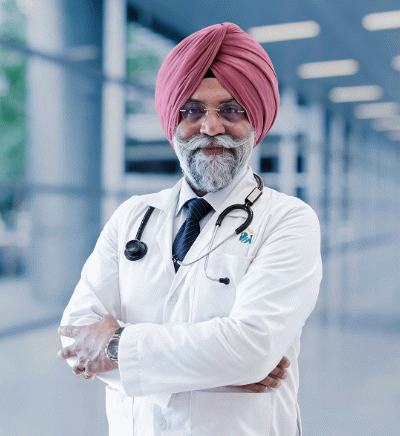



دادعا:
په دې پاڼه کې چمتو شوي معلومات یوازې د عمومي معلوماتو او تعلیمي موخو لپاره دي. که څه هم موږ مناسبې هڅې کوو ترڅو ډاډ ترلاسه کړو چې معلومات دقیق، باوري او په منظم ډول بیاکتل شوي دي، دا باید د مسلکي طبي مشورې، تشخیص یا درملنې بدیل ونه ګڼل شي.
د طبي پروسیجر مناسبیت، د هغې ګټې، خطرونه، چمتووالی، رغونه، احتمالي پیچلتیاوې، او تمه شوي پایلې، ممکن د یو شخص څخه بل شخص ته توپیر ولري. ستاسو د روغتیا پاملرنې مسلکي به دا معلومه کړي چې ایا پروسیجر ستاسو د انفرادي حالت او طبي تاریخ پراساس مناسب دی.
مهرباني وکړئ د هر ډول طبي پروسیجر په اړه د پریکړې کولو دمخه د شخصي مشورې لپاره د وړ روغتیا پاملرنې مسلکي سره مشوره وکړئ.
د دې په اړه د نورو معلوماتو لپاره چې زموږ طبي مینځپانګه څنګه رامینځته کیږي، بیاکتنه کیږي، تازه کیږي او ساتل کیږي، مهرباني وکړئ زموږ [اډیټوریل پالیسي] ولولئ.




