


Disemak oleh Pasukan Editorial Apollo
Jawapan pantas
Pyeloplasty is surgery to repair a blockage where the kidney joins the ureter, the tube that carries urine to the bladder. The surgeon removes or widens the narrow part and rejoins the tube so that urine drains freely. It can be done through an open cut, by laparoscopic (keyhole) surgery or with robotic assistance. It is done in babies, children and adults, and it relieves the blockage in most people.
| fakta penting | Butiran |
|---|---|
| Apa ini | Repair of a blockage at the junction of the kidney and the ureter |
| Sebab utama | Ureteropelvic junction (UPJ or PUJ) obstruction causing a swollen kidney |
| Jenis utama | Open, laparoscopic and robotic |
| Anestesia | Anestesia am |
| Tempat tinggal di hospital | About one to a few days, depending on the method and age |
| Stent | A soft internal tube is usually left in place for a few weeks |
| Pemulihan | Around two to six weeks, depending on the method |
| Dipersembahkan oleh | Urologist or paediatric urologist |
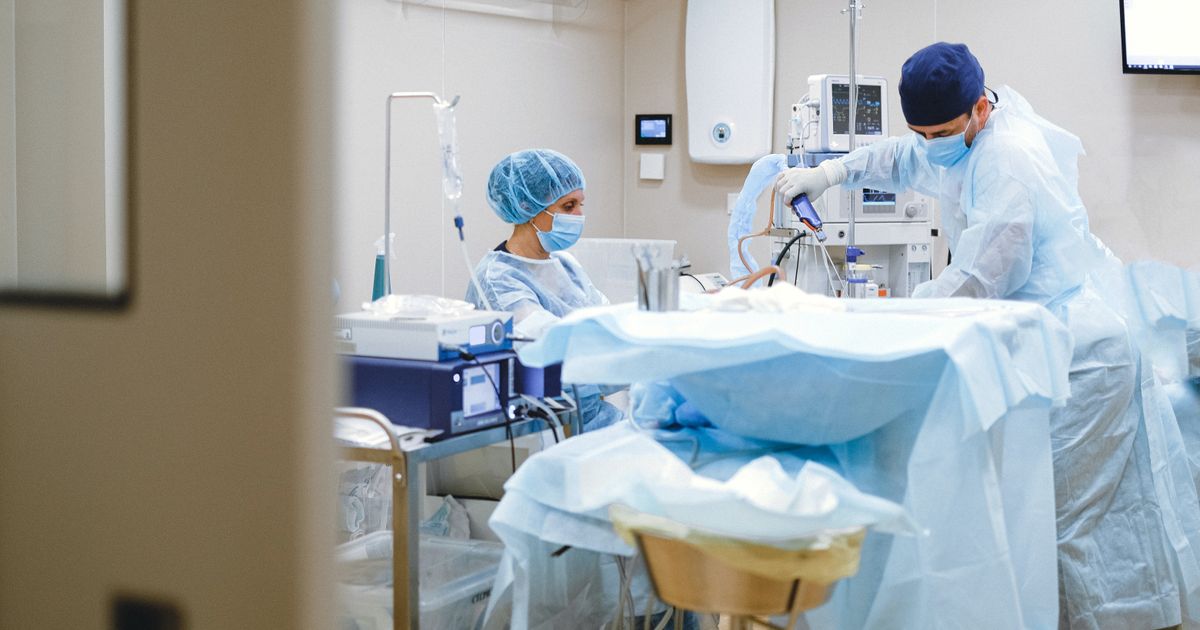
What is pyeloplasty?
Urine made by the kidney collects in a funnel-shaped area called the renal pelvis and then flows down the ureter. If the point where they meet is too narrow, urine backs up and the kidney swells. This is called ureteropelvic junction obstruction, and the swelling is called hidronephrosis.
In pyeloplasty, the surgeon reshapes this junction. In the most common technique, the narrow segment is cut out and the healthy ureter is stitched back to the renal pelvis with a wide opening.
Other names for pyeloplasty
- PUJ repair or UPJ repair
- Dismembered pyeloplasty
- Anderson-Hynes pyeloplasty
- Kidney blockage surgery
- Surgery for PUJ obstruction
Types of pyeloplasty
The repair inside the body is similar in all three methods. What differs is how the surgeon reaches the kidney. Each method has its own detailed page.
| Jenis | Apa ini | Apabila ia biasa digunakan | Maklumat Lanjut |
|---|---|---|---|
| Buka | The repair is done through one cut in the side or upper abdomen | Often in babies and small children, after earlier kidney surgery, or when keyhole surgery is not suitable | Pieloplasti terbuka |
| Laparoskopi | Pembedahan lubang kunci melalui beberapa potongan kecil, menggunakan kamera dan instrumen nipis | Older children and adults who are fit for keyhole surgery | Pieloplasti laparoskopi |
| Robotik | Keyhole surgery in which the surgeon controls robotic instruments from a console | Similar cases to laparoscopic surgery; the instruments can make the fine stitching easier | Pieloplasti robotik |
For children, see also the page on paediatric surgery for PUJ obstruction.
Why is pyeloplasty done?
Not every swollen kidney needs surgery. Mild cases, especially in babies found on pregnancy scans, are often watched with repeat scans. Pyeloplasty is usually advised when:
- Scans show that the kidney is draining poorly or losing function
- The swelling is getting worse over time
- There is repeated pain in the side or back, sometimes after drinking a lot of fluid
- There are repeated jangkitan buah pinggang or batu karang linked to the blockage
The blockage is most often present from birth. In some people a blood vessel crossing the ureter presses on it, and less often scarring from stones, infection or earlier surgery is the cause. If the kidney is in severe pain or infected, a temporary drain such as a percutaneous nephrostomy may be placed first. If a kidney has already lost almost all its function, removal (nefrektomi) may be discussed instead.
How is pyeloplasty done in general?
Before surgery, the kidney is assessed with a ultrasound buah pinggang dan imbasan buah pinggang that shows how well each kidney works and drains. Some people also need a Imbasan CT, along with blood and urine tests. Any urine infection is treated first.
The operation is done under general anestesia. The surgeon reaches the kidney through an open cut or by keyhole or robot surgery, removes the narrow segment and joins the ureter to the renal pelvis with fine stitches. A soft tube called a stent is usually placed inside the ureter to protect the join while it heals. The stent is removed some weeks later, usually through a short telescope procedure.
Risks of pyeloplasty
- Urine leaking from the new join, which usually settles with drainage
- Urinary infection or wound infection
- Pendarahan
- Stent discomfort, such as urgency, frequent urination or blood-tinged urine, until the stent is removed
- The blockage returning, which may need a further procedure
- Injury to nearby organs or blood vessels, which is uncommon
- A keyhole operation being changed to an open one for safety
- Hernia at a wound site, blood clots and reactions to anaesthesia
Recovery after pyeloplasty
Most people go home within one to a few days. After laparoscopic or robotic surgery, many return to light work in two to three weeks. After open surgery in adults, recovery often takes four to six weeks. Drink plenty of fluids unless told otherwise, walk daily, and avoid heavy lifting and contact sports until your surgeon agrees. Do not miss the appointment to remove the stent, because a stent left in too long can cause stones and infection. A follow-up ultrasound and renal scan a few months later check that the kidney is draining well.
Bila hendak mendapatkan bantuan perubatan
- Demam atau menggigil
- Severe pain in the side or abdomen that is not eased by the prescribed pain relief
- Heavy bleeding or clots in the urine
- Mengeluarkan air kencing yang sangat sedikit atau tiada langsung
- Redness, swelling or leaking fluid from a wound
- Muntah berulang
- Pain or swelling in one leg, or breathlessness
What is the cost of pyeloplasty in India?
Kos bergantung kepada beberapa faktor:
- The method used (open, laparoscopic or robotic)
- The age of the patient and any other health conditions
- Scans and tests needed before and after surgery
- Tempoh penginapan di hospital dan jenis bilik
- Stent placement and its later removal
- Bandar dan hospital
Kos berbeza dari orang ke orang. Sila semak dengan hospital untuk harga sebenar.
Health insurance usually covers medically necessary kidney surgery. Check your policy terms before admission.
Why choose Apollo Hospitals for pyeloplasty?
- Urologists experienced in open and keyhole kidney reconstruction
- Paediatric urology and paediatric anaesthesia for babies and children
- Ultrasound, CT and nuclear medicine scans for assessment and follow-up
- Pembedahan robotik di pusat terpilih. Ketersediaan berbeza antara pusat. Sila semak dengan hospital.
To discuss a blocked or swollen kidney, you can tempah temujanji dengan pakar urologi di Hospital Apollo.
Questions to ask your doctor about pyeloplasty
- Does my kidney, or my child's kidney, need surgery now, or can it be watched?
- Which type of pyeloplasty do you recommend, and why?
- How well is the affected kidney working at present?
- How long will the stent stay, and how will it be removed?
- What follow-up scans will be needed?
- What happens if the blockage comes back?
Soalan Lazim
1. Adakah pyeloplasty satu pembedahan besar?
Yes, it is a reconstructive operation on the kidney done under general anaesthesia. With keyhole and robotic methods the cuts are small and recovery is usually quicker than with open surgery.
2. Which type of pyeloplasty is best?
All three methods aim for the same repair. The choice depends on age, body size, previous surgery, the anatomy of the kidney and what is available at the hospital.
3. How successful is pyeloplasty?
Pyeloplasty relieves the blockage in the large majority of patients. A small number have a narrowing again and need further treatment.
4. Why is a stent needed after pyeloplasty?
The stent keeps the new join open and lets urine drain while the tissues heal. It is temporary and is usually removed after a few weeks.
5. Can babies and children have pyeloplasty?
Yes. PUJ obstruction is often found before or soon after birth. Many babies only need monitoring, but those with poor drainage or falling kidney function are treated with pyeloplasty by a paediatric urologist.
6. Berapa lama masa pemulihan?
Most adults return to light activity in two to three weeks after keyhole or robotic surgery and in four to six weeks after open surgery.
7. Can the blockage come back after pyeloplasty?
It is uncommon, but scar tissue can narrow the join again. A repeat blockage can usually be treated with an endoscopic procedure or a second repair.
8. Which doctor performs pyeloplasty?
A urologist performs pyeloplasty in adults. In babies and children it is done by a paediatric urologist or paediatric surgeon.
Kesimpulan
Pyeloplasty repairs a blockage at the outlet of the kidney and protects kidney function. It can be done by open, laparoscopic or robotic surgery, and the right method depends on the patient and the surgeon's advice. Read the page for the type suggested to you and discuss the plan with your urologist.
Halaman ini adalah untuk maklumat umum dan tidak menggantikan nasihat daripada doktor anda. Keputusan rawatan hendaklah dibuat dengan pakar yang berkelayakan yang mengetahui sejarah perubatan anda.
Baru sahaja ditambah


Pakar Urologi di Hospital Apollo



Penafian:
Maklumat yang diberikan di halaman ini bertujuan untuk tujuan maklumat umum dan pendidikan sahaja. Walaupun kami berusaha sedaya upaya untuk memastikan maklumat tersebut tepat, boleh dipercayai dan disemak secara berkala, ia tidak boleh dianggap sebagai pengganti nasihat perubatan, diagnosis atau rawatan profesional.
Kesesuaian sesuatu prosedur perubatan, berserta manfaat, risiko, persediaan, pemulihan, komplikasi yang berpotensi dan hasil yang dijangkakan, mungkin berbeza dari orang ke orang. Profesional penjagaan kesihatan anda akan menentukan sama ada sesuatu prosedur itu sesuai berdasarkan keadaan individu dan sejarah perubatan anda.
Sila berunding dengan profesional penjagaan kesihatan yang berkelayakan untuk mendapatkan nasihat peribadi sebelum membuat keputusan mengenai sebarang prosedur perubatan.
Untuk maklumat lanjut tentang cara kandungan perubatan kami dicipta, disemak, dikemas kini dan diselenggara, sila baca [Dasar Editorial] kami.




