


Neuronavigation-Guided Surgery at Apollo Hospitals, Gurugram (Gurgaon)
Ndị otu nchịkọta akụkọ Apollo nyochachara ya · Nyocha ikpeazụ na Nọvemba 2026
Azịza ngwa ngwa
Neuronavigation-guided surgery is brain or spine surgery performed with a computer system that links the patient's own MRI or CT scans to the position of the surgeon's instruments in real time. It works much like a map with a live position marker. It is used to plan a smaller, more accurate opening, to find lesions that are deep or hard to see, and to help avoid important structures. Navigation is an aid used during an operation, not a separate operation in itself.
Eziokwu eziokwu
| usoro | Neuronavigation-Guided Surgery |
| Enweta ya na | Ụlọọgwụ Apollo, Gurugram (Gurgaon) |
| Oge OPD | 9 gaa na 4 elekere |
| Nhọpụta | 080 6999 1061 |
Overview
Neuronavigation-guided surgery is brain or spine surgery performed with a computer system that links the patient's own MRI or CT scans to the position of the surgeon's instruments in real time. It works much like a map with a live position marker. It is used to plan a smaller, more accurate opening, to find lesions that are deep or hard to see, and to help avoid important structures. Navigation is an aid used during an operation, not a separate operation in itself.
Navigation may help people having surgery for brain tumours, vascular malformations, epilepsy, skull base conditions, hydrocephalus and selected spinal problems, especially when the target is small, deep, or near areas that control speech, movement or vision. Whether it is used is decided by the neurosurgeon while planning the operation, based on the location of the problem on the scans, the type of surgery proposed and whether image guidance is likely to add accuracy or safety for that individual.
Book a consultation at Apollo Hospitals, Gurugram to learn whether neuronavigation-guided surgery is suitable for you.
Why is Neuronavigation-Guided Surgery Necessary?
The brain and spine offer few visible landmarks, and a lesion can look very similar to normal tissue. Navigation helps the surgeon relate what is seen in the operating field to what was seen on the scans.
Conditions That May Require Neuronavigation-Guided Surgery
Navigation may be used as part of surgery for the following conditions, when the surgeon judges it helpful.
- Ọrịa ụbụrụ: Helps to plan the skin incision and bone opening over the tumour and to estimate its margins during removal of gliomas, meningiomas and metastases.
- Deep or small lesions: Guides the route to cavernous malformations, small tumours or cysts that lie below the surface and cannot be seen directly.
- Ịwa ahụ epilepsy: Used to place recording electrodes accurately and to locate the area of brain planned for removal in selected patients.
- Pituitary and skull base conditions: Assists orientation in the nose, sinuses and skull base, where major arteries and nerves lie close to the surgical path.
- Spinal instrumentation: May be used to guide the placement of screws in the spine, particularly where the anatomy is altered or the bones are small.
Ihe ịrịba ama na akara ị ga-elele
The symptoms relate to the underlying condition for which surgery is planned and commonly include the following.
- Headache with nausea or vomiting: Progressive headache, especially with vomiting or drowsiness, may reflect a mass or raised pressure in the skull.
- Ọdịdọ: Fits that begin in adult life or that are not controlled by medicines may come from a lesion that can be treated by surgery.
- Limb weakness or clumsiness: Loss of strength or coordination may arise from a lesion pressing on the movement pathways of the brain or spinal cord.
- Speech or vision disturbance: Trouble speaking, understanding or seeing to one side suggests a lesion near important functional areas.
- Back or neck pain with nerve symptoms: Pain with numbness, weakness or walking difficulty may point to a spinal problem that needs stabilisation or decompression.
Mgbe Ọgwụgwọ Ndị Ọzọ Adịghịzi Ezu
Many brain and spine conditions are first managed with medicines, such as anti-seizure drugs, steroids to reduce swelling, or pain relief and physiotherapy for spinal problems, and some small lesions are simply watched with repeat scans. Surgery is considered when a lesion is growing, causing symptoms that medicines do not control, needs a tissue diagnosis, or threatens neurological function. Once surgery is decided upon, navigation is one of the tools the surgeon may choose to make the operation more precise.
Types of Neuronavigation-Guided Surgery
Navigation systems and the ways they are used differ according to the operation.
- Optical navigation: Cameras track reflective markers on the instruments and on a reference attached near the patient, and display their position on the scan images.
- Electromagnetic navigation: A magnetic field tracks sensors in the instrument tip, which can be useful for fine instruments and in children or shunt placement.
- Navigation with functional imaging: Functional MRI and nerve fibre tract images can be loaded into the plan so that speech and movement pathways are displayed during surgery.
- Navigation with intra-operative imaging: Scans or ultrasound taken during the operation can update the map when the brain shifts after the skull is opened.
- Spinal navigation: Images of the spine are used to guide the direction and depth of screws and to confirm their position during the operation.
Ihe Iwu na Ụkpụrụ Omume chọrọ na India
Tupu a gwọọ ya, ndị otu ahụike ahụ na-akọwa ihe mgbaàmà ya, ihe ndị ọzọ a ga-eme, uru ndị a tụrụ anya ya na ihe egwu ndị dị na ya, ma nweta nkwenye ederede. Ị nwere ike ịjụ ajụjụ, chọọ echiche nke abụọ ma wepụta oge ikpebi.
Gakwuru ndị otu ndị na-ahụ maka akwara ozi na Apollo Hospitals, Gurugram maka nyocha nkeonwe.
Risks of Delaying Neuronavigation-Guided Surgery
Delaying a recommended operation carries risks that depend on the underlying diagnosis.
- Progression of the lesion: A tumour or other lesion may enlarge, which can make surgery more extensive and recovery slower.
- Permanent neurological deficit: Prolonged pressure on the brain, nerves or spinal cord can cause weakness or numbness that does not fully recover.
- Ọdịdọ a na-achịkwaghị achịkwa: Continuing seizures carry risks of injury and can affect work, driving and daily independence.
- Emergency presentation: Sudden bleeding or a rapid rise in pressure may force urgent surgery under less favourable conditions.
- Spinal instability or deformity: An unstable spine may shift further, increasing pain and the chance of nerve or spinal cord injury.
Your surgeon can advise how urgent your operation is and whether a short delay for planning is safe.
Benefits of Neuronavigation-Guided Surgery
For suitable patients, the use of navigation during surgery may offer the following.
- More accurate targeting: The surgeon can check the position of an instrument against the scans, which may help to reach the lesion along the planned route.
- Smaller, well-placed openings: Knowing exactly where the lesion lies can allow a shorter incision and a smaller bone opening centred over it.
- Protection of important structures: Displaying vessels, nerves and functional areas may help the surgeon to plan a path that avoids them.
- Guidance on extent of removal: Navigation may help the surgeon judge how much of a lesion has been removed, within the limits caused by brain shift.
- Support for accurate implant placement: In spinal surgery, image guidance may improve the accuracy of screw positioning in selected cases.
Navigation supports the surgeon's judgement but does not replace it, and results still depend on the condition and the individual patient.
Neuronavigation-Guided Surgery at Apollo Hospitals, Gurugram (Gurgaon)
Why Choose Apollo Hospitals, Gurugram for Neuronavigation-Guided Surgery?
Apollo Hospitals, Gurugram combines specialist assessment with coordinated care for people who need neuronavigation-guided surgery.
- Nnyocha ọkachamara: The neurosurgeon reviews your symptoms and scans to decide on the operation needed and whether image guidance would add value in your case.
- Atụmatụ tupu ịwa ahụ: Scans are loaded into the planning software in advance so that the target, entry point and structures to avoid are marked before surgery begins.
- Nlekota nhazi: After surgery the team reviews your recovery, the pathology report and any post-operative imaging, and plans further care with you.
- Nhazi ọtụtụ ngalaba: Ndị ọkachamara sitere na ngalaba ndị dị mkpa na-enyocha okwu ndị dị mgbagwoju anya ọnụ tupu ha atụọ aro maka atụmatụ.
- Ọgwụgwọ nkeonwe: Ndụmọdụ ndị a ga-atụle ihe mgbaàmà gị, nsonaazụ ule gị, afọ gị, ahụike gị na ihe ị chọrọ.
- Nkwurịta okwu gbasara onye ọrịa: Ndị otu nlekọta ahụ na-akọwa nkwadebe, mgbake a tụrụ anya ya, ọgwụ na ihe ịrịba ama ịdọ aka ná ntị n'asụsụ doro anya.
- Na-aga n'ihu nlekọta: Nleta ndị na-esochi na-achọpụta mgbake ma na-enyere aka ijikwa ọnọdụ ahụ dị n'okpuru ka oge na-aga.
Neuronavigation-Guided Surgery Care for Patients in Gurugram and Delhi NCR
Apollo Hospitals, Gurugram is located on Golf Course Road, Sector 28, Gurugram, Haryana 122009. It offers Neuronavigation-Guided Surgery for patients from Gurugram, the wider Delhi NCR and Haryana, with specialist doctors, nursing and diagnostic teams working together from assessment to follow-up.
How to Reach the Neuronavigation-Guided Surgery Team in Gurugram
- Okwu: Ụlọọgwụ Apollo Gurugram, Ụzọ Golf Course, Sector 28, Gurugram, Haryana 122009
- ekwentị: 0124-6501600 ma ọ bụ 08069991061
- Tinye akwụkwọ n'ịntanetị: Book a Neuronavigation-Guided Surgery consultation in Gurugram
Nweta ntụziaka gaa na Apollo Hospitals, Gurugram
Ụlọọgwụ Apollo, Gurugram dị na Golf Course Road, Sector 28. Mepee ebe ụlọọgwụ ahụ dị ma nweta ntụziaka na Google Maps.
Ọ bụrụ na Ị Bi n'èzí Gurugram
If you are travelling from elsewhere in Delhi NCR or Haryana, ask the care team how to plan your consultation, tests and follow-up visits for Neuronavigation-Guided Surgery so that you are not making more trips than needed.
Ihe Ị Ga-eweta na Nzukọ Mbụ Gị
- Nyocha, akụkọ nnwale na akwụkwọ ahụike ndị gara aga metụtara ọnọdụ gị
- Ndepụta ọgwụ ndị ị na-aṅụ ugbu a na ihe ọ bụla na-akpata nfụkasị ahụ
- NJ foto na nkọwa mkpuchi, ọ bụrụ na ị nwere ha
Nlekọta Ndị Yiri Ya na Apollo Hospitals, Gurugram
Gaa na ngalaba Neurosciences na Apollo Hospitals, Gurugram ka ị mata maka ndị ọkachamara na ọrụ dị.
Preparation for Neuronavigation-Guided Surgery
Nyocha ụlọ ọgwụ
Your specialist first confirms the diagnosis and whether neuronavigation-guided surgery is the right option.
- Kesaa akụkọ ihe mere eme gị: Mention previous brain or spine surgery, implants such as pacemakers or metal clips, allergies to contrast, and all your regular medicines.
- Gaa ule: A neurological examination documents your baseline function, and you may be asked to have a dedicated planning scan close to the date of surgery.
- Kwurịta ihe ndị ọzọ dị iche iche: Ask what the operation involves with and without navigation, and whether observation, radiosurgery or medicines are options for your condition.
Ule tupu Ọgwụgwọ
Tests before a navigation-guided operation usually include the following.
- Planning MRI or CT scan: A thin-slice scan taken to a specific protocol provides the three-dimensional images that the navigation system uses.
- Functional MRI or tractography: In selected patients these show speech and movement areas and their connecting pathways in relation to the lesion.
- CT ma ọ bụ MR angiography: Shows the arteries and veins near the surgical path when the lesion lies close to major vessels.
- Nnwale ọbara na nyocha ọgwụ mgbu: Confirm fitness for general anaesthesia and check blood count, clotting, kidney function and blood group.
Ọgwụ na ihe nfụkasị ahụ
A ga-eme mgbanwe ọgwụ naanị site na ndụmọdụ nke ndị na-agwọ ọrịa.
- Nye ndepụta ọgwụ: Gụnye ọgwụ ndị dọkịta nyere gị, insulin, ọgwụ ndị na-ebelata ọbara, ihe mgbakwunye na ọgwụ ndị a na-ere n'ụlọ ahịa.
- Kpesa ihe gbasara allergies: Gwa ndị otu ahụ gbasara mmeghachi omume ndị gara aga na agba ntụ, ọgwụ, latex ma ọ bụ anestetiiki.
- Soro ntuziaka kpọmkwem: A pụrụ ịgwa gị ka ị gbanwee ọgwụ ndị na-ebelata ọbara ma ọ bụ ọgwụ shuga tupu usoro ahụ amalite.
Nri na Nhazi Bara Uru
Soro ntuziaka nke ụlọ ọgwụ maka ịbanye na ibu ọnụ nkeonwe.
- Lee ntuziaka ibu ọnụ: Kwụsị nri na ihe ọṅụṅụ n'oge a gwara gị, ọ bụrụ na ọ dị mkpa ka ị buo ọnụ.
- Hazie nkwado: Gwa onye toro eto nwere ọrụ ka o soro gị ma nyere gị aka mgbe ị gbasịrị ya.
- Hazie ọnụnọ gị: Weta ihe njirimara, akụkọ, uwe dị mma na ihe ndị dị mkpa maka onwe gị.
Nkwenye na Nyocha Ikpeazụ
Ndị otu ahụ na-eme nyocha nchekwa ma na-aza ajụjụ tupu a gwọọ ha.
- Ghọta atụmatụ ahụ: Nyochaa uru ndị a tụrụ anya ya, mmachi, ihe ndị ọzọ a ga-eji dochie ya na nsogbu ndị nwere ike ime.
- Kwenye nkwenye: Bịanye aka na fọm nkwenye ahụ naanị mgbe ị natara ozi ị ghọtara.
- Kpesa mgbanwe: Gwa ụlọ ọgwụ gbasara ahụ ọkụ, ọrịa ma ọ bụ ihe mgbaàmà ọ bụla ọzọ tupu e mee ya.
Recovery After Neuronavigation-Guided Surgery
Ozugbo Ọgwụgwọ gasịrị
Nlekota na-amalite ozugbo usoro ahụ gwụchara.
- Monitoring in a high-dependency area: Your alertness, limb strength, pulse and blood pressure are checked frequently in the first hours after surgery.
- Post-operative imaging: A scan may be arranged to confirm the result of the operation and to rule out bleeding or swelling.
- Mbugharị mbụ: You are helped to sit up and walk as soon as it is safe, usually within a day or two, depending on the operation.
Nlekọta n'ụlọ
Soro ndụmọdụ maka mwepụta nke enyere maka ọnọdụ gị.
- Look after the wound: Keep the incision clean and dry and attend for suture or clip removal on the date you are given.
- Gaa n'ihu na-aṅụ ọgwụ ndị dọkịta nyere gị: Take anti-seizure medicines, steroids and pain relief as directed and reduce them only on medical advice.
- Mụbaa ọrụ nwayọ nwayọ: Short walks are encouraged, while heavy lifting and strenuous work are avoided until your surgeon allows them.
Ọgwụ na Nlele
Nlekọta na-aga n'ihu na-akwado mgbake ma na-enyocha ihe si na ọgwụgwọ pụta.
- Were ọgwụ nke ọma: Gaa n'ihu na-aṅụ ọgwụ dọkịta nyere gị, akwụsịkwala ha n'enyeghị ndụmọdụ.
- Gaa nleta nyocha: Nlele anya nwere ike ịgụnye ule na ule ugboro ugboro.
- Ihe mgbaàmà egwu: Rịba ama mgbanwe ọ bụla na mgbaàmà gị ma kesaa ya na nyocha gị.
Ịlaghachi n'ihe omume nkịtị
Recovery time depends on the operation performed rather than on the navigation itself. After many brain operations, people return to light work in about four to six weeks, and after spinal surgery the period varies with the procedure. Driving is restricted after brain surgery and after any seizure until your doctor clears you. Exercise is restarted in stages, beginning with walking, and contact sports are discussed individually with your surgeon.
Ihe Mgbaàmà Ịdọ Aka Ná Ntị nke Chọrọ Nlebara Ahụike Ngwa Ngwa
Chọọ enyemaka ahụike ozugbo ma ọ bụrụ na nke ọ bụla n'ime ihe ndị a apụta.
- Worsening headache or drowsiness: Attend the emergency department without delay, as this may indicate bleeding or swelling.
- Adịghị ike ọhụrụ, isi ọwụwa ma ọ bụ nsogbu ikwu okwu: Seek urgent assessment, since a new neurological change after surgery always needs review.
- Njide: Call for emergency help and inform your surgical team as soon as possible afterwards.
- Wound redness, swelling or leaking fluid: Contact the hospital the same day, particularly if clear fluid leaks or you have a fever.
- Calf pain or sudden breathlessness: Seek emergency care, because these may be signs of a blood clot in the leg or lung.
Take the Next Step Towards Neuronavigation-Guided Surgery Care
A specialist consultation can clarify whether neuronavigation-guided surgery is right for you and what the alternatives are.
Weta akwụkwọ ndị a mgbe ọ dị:
- Ndekọ ọgwụ: Buru ihe ndị gara aga e dere maka ndụmọdụ, nchịkọta nke mwepụta na ọgwụ ndị e nyere gị.
- Nyochaa akụkọ: Weta nyocha, nsonaazụ ọbara na nyocha ndị ọzọ metụtara ọnọdụ gị.
- Ndepụta ọgwụ: Tinye ọgwụ ndị dị ugbu a, ihe mgbakwunye na allergies.
- Nkọwa njirimara na mkpuchi: Buru akwụkwọ njirimara dị mma, akwụkwọ mkpuchi na akwụkwọ ntụnye aka.
Book your neuronavigation-guided surgery consultation with Apollo Hospitals, Gurugram today.
Frequently Asked Questions About Neuronavigation-Guided Surgery
How does neuronavigation work?
Neuronavigation works by matching your scans to your actual position on the operating table. After you are asleep, the system registers points on your head or spine to the images. Cameras or sensors then track the instruments, and a screen shows the surgeon where the tip lies on your MRI or CT in three planes.
Is navigation-guided surgery safer than conventional surgery?
Navigation may add accuracy and can help the surgeon avoid important structures, but it does not remove the risks of the operation itself. Bleeding, infection, seizures and neurological deficit remain possible. Accuracy can also fall if the brain shifts after opening, so the surgeon combines navigation with direct vision and experience.
Does navigation make the operation longer?
Setting up and registering the navigation system usually adds a short time at the start of the operation, often around fifteen to thirty minutes. This may be offset by more direct access to the lesion. The total length of surgery depends mainly on the condition being treated and the complexity of the procedure.
Will I need extra scans for navigation?
Often yes. Navigation needs a recent scan taken with thin slices and a set protocol, so a dedicated planning MRI or CT may be requested shortly before surgery even if you have had earlier scans. Sometimes small markers are placed on the scalp before this scan and must stay in place until the operation.
How long is recovery after navigation-guided brain surgery?
Recovery depends on the operation and the underlying condition, not on the navigation system. Many patients spend three to seven days in hospital after a craniotomy and need several weeks before returning to normal routines. Tiredness is common in the first weeks. Your surgeon will give guidance specific to your procedure.
Which is the best hospital for Neuronavigation-Guided Surgery in Gurugram?
The right hospital depends on your condition and your doctor's advice. Apollo Hospitals, Gurugram offers specialist assessment, diagnostics and coordinated care for neuronavigation-guided surgery. Compare the team's experience, the facilities and the follow-up care on offer before you decide.
How do I book a consultation for Neuronavigation-Guided Surgery at Apollo Hospitals, Gurugram?
I nwere ike ịdenye aha n'ịntanetị site na njikọ ndoputa dị na peeji a, ma ọ bụ kpọọ 08069991061. Oge OPD bụ site na elekere itoolu nke ụtụtụ ruo elekere anọ nke mgbede. Ndị otu nlekọta ga-eduzi gị gaa na ọkachamara kwesịrị ekwesị.
Ebee ka Apollo Hospitals, Gurugram dị?
Ụlọọgwụ Apollo, Gurugram dị na Golf Course Road, Sector 28, Gurugram, Haryana 122009.
What should I bring to my first consultation for Neuronavigation-Guided Surgery?
Weta nyocha na akụkọ nyocha ọ bụla metụtara ọnọdụ gị, akwụkwọ ndekọ ahụike mbụ, ndepụta ọgwụ na allergies gị ugbu a, foto ID na nkọwa mkpuchi gị ma ọ bụrụ na ị nwere ha.
Can patients from outside Gurugram get Neuronavigation-Guided Surgery care at Apollo Hospitals, Gurugram?
Ee. Ndị ọrịa si Delhi NCR, Haryana na akụkụ ndị ọzọ nke India nwere ike ịkpọtụrụ ndị otu ahụ na Apollo Hospitals, Gurugram. Kesaa akụkọ gị mgbe ị na-ede akwụkwọ ka ndị otu ahụ wee nwee ike ịhazi nleta gị.
Nkwupụta Ahụike: Ozi a bụ maka agụmakwụkwọ izugbe, ọ naghị anọchi ndụmọdụ na dọkịta ruru eru. Mkpebi ọgwụgwọ dabere na nyocha nke onye ọ bụla.
Na-adịbeghị anya agbakwunyere


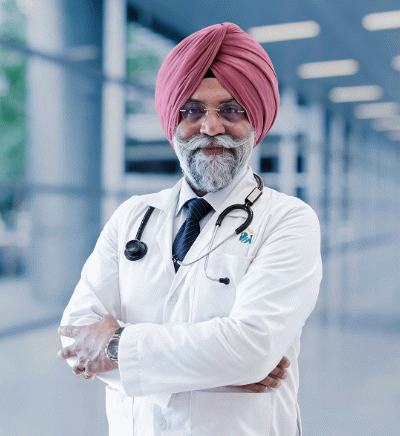
Neuronavigation-Guided Surgery Specialists at Apollo Hospitals, Gurugram






Disclaimer:
Ozi dị na peeji a bụ maka ebumnuche ozi na agụmakwụkwọ naanị. Ọ bụ ezie na anyị na-eme mgbalị ezi uche dị na ya iji hụ na ozi ahụ ziri ezi, a pụrụ ịtụkwasị obi, ma na-enyocha ya mgbe niile, ekwesighi iwere ya dị ka ihe nnọchi anya ndụmọdụ ahụike ọkachamara, nchọpụta, ma ọ bụ ọgwụgwọ.
Ọdịmma nke usoro ọgwụgwọ, tinyere uru ya, ihe egwu ya, nkwadebe ya, mgbake ya, nsogbu ndị nwere ike ime, na ihe ndị a tụrụ anya ya, nwere ike ịdị iche site n'otu onye gaa na onye ọzọ. Ọkachamara ahụike gị ga-ekpebi ma usoro ọgwụgwọ ahụ ọ dabara adaba dabere na ọnọdụ gị na akụkọ ahụike gị.
Biko gakwuru ọkachamara ahụike ruru eru maka ndụmọdụ nkeonwe tupu ịme mkpebi gbasara usoro ọgwụgwọ ọ bụla.
Maka ozi ndị ọzọ gbasara otu esi emepụta, nyochaa, melite, na idobe ọdịnaya ahụike anyị, biko gụọ [Iwu Nchịkọta Akụkọ] anyị.




