


Atherectomy at Apollo Hospitals, Gurugram (Gurgaon)
Ndị otu nchịkọta akụkọ Apollo nyochachara ya · Nyocha ikpeazụ na Nọvemba 2026
Azịza ngwa ngwa
Atherectomy is a catheter-based procedure that removes or breaks down hard plaque inside a narrowed artery, most often in the heart or the legs. A thin catheter carrying a tiny rotating burr, a spinning crown, a cutting blade or a laser is passed from the wrist or groin to the blockage under X-ray guidance. It is generally used when plaque is so calcified that a balloon or stent cannot cross or expand properly, and is usually followed by balloon angioplasty and often a stent.
Eziokwu eziokwu
| usoro | Ahụhụ |
| Enweta ya na | Ụlọọgwụ Apollo, Gurugram (Gurgaon) |
| Oge OPD | 9 gaa na 4 elekere |
| Nhọpụta | 080 6999 1061 |
Overview
Atherectomy is a catheter-based procedure that removes or breaks down hard plaque inside a narrowed artery, most often in the heart or the legs. A thin catheter carrying a tiny rotating burr, a spinning crown, a cutting blade or a laser is passed from the wrist or groin to the blockage under X-ray guidance. It is generally used when plaque is so calcified that a balloon or stent cannot cross or expand properly, and is usually followed by balloon angioplasty and often a stent.
Atherectomy may help selected people with coronary artery disease or peripheral artery disease whose blockages are heavily calcified, very tight or have re-narrowed inside an earlier stent. It is not needed for most angioplasty procedures. The interventional cardiologist decides after reviewing the angiogram, and sometimes imaging from inside the artery, to judge how much calcium is present and whether a balloon alone is likely to open the vessel. Bypass surgery or medicines may be more suitable for some patterns of disease.
Book a consultation at Apollo Hospitals, Gurugram to learn whether atherectomy is suitable for you.
Why is Atherectomy Necessary?
Calcium makes plaque rigid, so a balloon may fail to stretch the artery and a stent may not open fully. A poorly expanded stent is more likely to clot or narrow again, and modifying the plaque first helps the artery to respond to treatment.
Conditions That May Require Atherectomy
Atherectomy is considered in the following conditions when the plaque cannot be treated adequately with balloons alone.
- Heavily calcified coronary artery disease: It is used to prepare rigid, calcified narrowings so that a stent can be delivered and expanded fully.
- Blockages that a balloon cannot cross or open: When a balloon will not pass through the narrowing or fails to expand it, atherectomy may create a channel.
- Peripheral artery disease of the legs: Plaque in the thigh, knee or calf arteries may be removed or reduced to improve blood flow to the leg and foot.
- Re-narrowing inside a stent: Tissue or calcium that has built up within an earlier stent may be treated with laser or mechanical atherectomy in selected cases.
Ihe ịrịba ama na akara ị ga-elele
Symptoms depend on whether the narrowed artery supplies the heart or the legs.
- Chest pain or tightness on exertion: Angina that comes on with effort suggests a narrowing in a coronary artery.
- Enweghị ume na ọrụ: Reduced blood flow to the heart may show itself as shortness of breath instead of pain.
- Calf, thigh or buttock pain on walking: Cramping that begins after a set distance and eases with rest is typical of peripheral artery disease.
- Foot pain at rest: Burning or aching in the foot at night that improves when the leg hangs down signals severely reduced circulation.
- Sores on the foot or toes that do not heal: Ulcers or dark patches of skin suggest a critical shortage of blood and need urgent assessment.
Mgbe Ọgwụgwọ Ndị Ọzọ Adịghịzi Ezu
Medicines, stopping smoking, supervised walking and control of diabetes, blood pressure and cholesterol are the first line of treatment for artery disease. A procedure is considered when symptoms remain limiting, when the heart muscle or the limb is at risk, or during a heart attack. Standard balloons and stents work for most blockages, and atherectomy is added when calcium prevents them from opening the artery properly.
Ụdị Atherectomy
Different devices suit different arteries and kinds of plaque.
- Ọkpụkpụ akwara ntụgharị: A diamond-coated burr spinning at high speed grinds calcified plaque into microscopic particles that are carried away in the blood.
- Orbital atherectomy: An off-centre crown rotates in a widening orbit to sand down calcium on the artery wall.
- Atherectomy nke laser: Pulses of ultraviolet laser energy delivered through a catheter vaporise plaque or tissue inside an artery or stent.
- Atherectomy ntụziaka: A small blade shaves plaque from one side of the artery and collects it in the catheter, mainly in leg arteries.
Ihe Iwu na Ụkpụrụ Omume chọrọ na India
Tupu a gwọọ ya, ndị otu ahụike ahụ na-akọwa ihe mgbaàmà ya, ihe ndị ọzọ a ga-eme, uru ndị a tụrụ anya ya na ihe egwu ndị dị na ya, ma nweta nkwenye ederede. Ị nwere ike ịjụ ajụjụ, chọọ echiche nke abụọ ma wepụta oge ikpebi.
Gakwuru ndị otu obi na Apollo Hospitals, Gurugram maka nyocha nkeonwe.
Risks of Delaying Atherectomy
Delaying treatment of a significant calcified blockage may carry the following risks.
- Obi nkolopu: A tight coronary narrowing can block completely and damage the heart muscle.
- Ọgwụgwọ nke angina na-akawanye njọ: Chest pain may become more frequent and occur with less exertion or at rest.
- Shorter walking distance: Leg pain from peripheral artery disease may limit walking further over time.
- Non-healing wounds and gangrene: Severely reduced blood flow to the foot can cause tissue loss.
- Risk of amputation: Advanced limb-threatening disease that is not treated in time may end in loss of toes, the foot or part of the leg.
- Harder procedures later: Calcium tends to increase over time, which can make later treatment more complex.
The urgency of treatment depends on your symptoms and on whether the heart or the limb is under threat.
Uru nke Atherectomy
In selected patients with calcified blockages, atherectomy may offer the following.
- Makes stenting possible: Reducing the calcium may allow balloons and stents to reach narrowings that could not otherwise be treated through a catheter.
- Fuller stent expansion: A stent placed after plaque modification is more likely to open evenly against the artery wall.
- Relief of angina or leg pain: Restoring blood flow may ease chest pain or allow longer walking distances.
- Support for wound healing: Improved circulation in the leg may help foot ulcers to heal in suitable patients.
- No open surgery: The procedure is done through a puncture in the wrist or groin under local anaesthesia.
Not every calcified blockage needs atherectomy, and the benefit depends on the artery involved and your general health.
Atherectomy at Apollo Hospitals, Gurugram (Gurgaon)
Why Choose Apollo Hospitals, Gurugram for Atherectomy?
Apollo Hospitals, Gurugram combines specialist assessment with coordinated care for people who need atherectomy.
- Nnyocha ọkachamara: An interventional cardiologist studies the angiogram and the degree of calcification to decide whether plaque modification is needed.
- Team review of options: Complex coronary and leg artery disease is discussed with cardiac or vascular surgeons to compare catheter treatment with bypass surgery.
- Planned aftercare: Antiplatelet treatment, risk factor control and review visits are arranged to protect the treated artery.
- Nhazi ọtụtụ ngalaba: Ndị ọkachamara sitere na ngalaba ndị dị mkpa na-enyocha okwu ndị dị mgbagwoju anya ọnụ tupu ha atụọ aro maka atụmatụ.
- Ọgwụgwọ nkeonwe: Ndụmọdụ ndị a ga-atụle ihe mgbaàmà gị, nsonaazụ ule gị, afọ gị, ahụike gị na ihe ị chọrọ.
- Nkwurịta okwu gbasara onye ọrịa: Ndị otu nlekọta ahụ na-akọwa nkwadebe, mgbake a tụrụ anya ya, ọgwụ na ihe ịrịba ama ịdọ aka ná ntị n'asụsụ doro anya.
- Na-aga n'ihu nlekọta: Nleta ndị na-esochi na-achọpụta mgbake ma na-enyere aka ijikwa ọnọdụ ahụ dị n'okpuru ka oge na-aga.
Atherectomy Care for Patients in Gurugram and Delhi NCR
Apollo Hospitals, Gurugram is located on Golf Course Road, Sector 28, Gurugram, Haryana 122009. It offers Atherectomy for patients from Gurugram, the wider Delhi NCR and Haryana, with specialist doctors, nursing and diagnostic teams working together from assessment to follow-up.
How to Reach the Atherectomy Team in Gurugram
- Okwu: Ụlọọgwụ Apollo Gurugram, Ụzọ Golf Course, Sector 28, Gurugram, Haryana 122009
- ekwentị: 0124-6501600 ma ọ bụ 08069991061
- Tinye akwụkwọ n'ịntanetị: Book a Atherectomy consultation in Gurugram
Nweta ntụziaka gaa na Apollo Hospitals, Gurugram
Ụlọọgwụ Apollo, Gurugram dị na Golf Course Road, Sector 28. Mepee ebe ụlọọgwụ ahụ dị ma nweta ntụziaka na Google Maps.
Ọ bụrụ na Ị Bi n'èzí Gurugram
If you are travelling from elsewhere in Delhi NCR or Haryana, ask the care team how to plan your consultation, tests and follow-up visits for Atherectomy so that you are not making more trips than needed.
Ihe Ị Ga-eweta na Nzukọ Mbụ Gị
- Nyocha, akụkọ nnwale na akwụkwọ ahụike ndị gara aga metụtara ọnọdụ gị
- Ndepụta ọgwụ ndị ị na-aṅụ ugbu a na ihe ọ bụla na-akpata nfụkasị ahụ
- NJ foto na nkọwa mkpuchi, ọ bụrụ na ị nwere ha
Nlekọta Ndị Yiri Ya na Apollo Hospitals, Gurugram
Gaa na ngalaba Cardiology na Apollo Hospitals, Gurugram ka ị mata maka ndị ọkachamara na ọrụ dị.
Nkwadebe maka Atherectomy
Nyocha ụlọ ọgwụ
Your specialist first confirms the diagnosis and whether atherectomy is the right option.
- Kesaa akụkọ ihe mere eme gị: Describe chest pain, walking distance and any foot wounds, and mention diabetes, kidney disease, smoking, earlier stents and bleeding problems.
- Gaa ule: The doctor checks heart sounds, blood pressure, pulses in the legs and feet and the condition of the skin on the feet.
- Kwurịta ihe ndị ọzọ dị iche iche: Ask about medicines and exercise therapy, balloon angioplasty with special balloons, shockwave-based calcium treatment and bypass surgery.
Ule tupu Ọgwụgwọ
These tests define the blockage and check that the procedure can be done safely.
- Coronary or peripheral angiography: Shows where the artery is narrowed, how long the blockage is and how much calcium is visible.
- Imaging from inside the artery: Ultrasound or light-based imaging catheters may be used to measure the depth and extent of calcium.
- Doppler ultrasound and ankle-brachial index: Measure blood flow and pressure in the legs when peripheral artery disease is suspected.
- ECG and echocardiography: Assess heart rhythm and pumping function before a coronary procedure.
- Ọnwụ ọbara: Check kidney function, blood count, blood sugar and clotting before contrast dye and blood thinners are given.
Ọgwụ na ihe nfụkasị ahụ
A ga-eme mgbanwe ọgwụ naanị site na ndụmọdụ nke ndị na-agwọ ọrịa.
- Nye ndepụta ọgwụ: Gụnye ọgwụ ndị dọkịta nyere gị, insulin, ọgwụ ndị na-ebelata ọbara, ihe mgbakwunye na ọgwụ ndị a na-ere n'ụlọ ahịa.
- Kpesa ihe gbasara allergies: Gwa ndị otu ahụ gbasara mmeghachi omume ndị gara aga na agba ntụ, ọgwụ, latex ma ọ bụ anestetiiki.
- Soro ntuziaka kpọmkwem: A pụrụ ịgwa gị ka ị gbanwee ọgwụ ndị na-ebelata ọbara ma ọ bụ ọgwụ shuga tupu usoro ahụ amalite.
Nri na Nhazi Bara Uru
Soro ntuziaka nke ụlọ ọgwụ maka ịbanye na ibu ọnụ nkeonwe.
- Lee ntuziaka ibu ọnụ: Kwụsị nri na ihe ọṅụṅụ n'oge a gwara gị, ọ bụrụ na ọ dị mkpa ka ị buo ọnụ.
- Hazie nkwado: Gwa onye toro eto nwere ọrụ ka o soro gị ma nyere gị aka mgbe ị gbasịrị ya.
- Hazie ọnụnọ gị: Weta ihe njirimara, akụkọ, uwe dị mma na ihe ndị dị mkpa maka onwe gị.
Nkwenye na Nyocha Ikpeazụ
Ndị otu ahụ na-eme nyocha nchekwa ma na-aza ajụjụ tupu a gwọọ ha.
- Ghọta atụmatụ ahụ: Nyochaa uru ndị a tụrụ anya ya, mmachi, ihe ndị ọzọ a ga-eji dochie ya na nsogbu ndị nwere ike ime.
- Kwenye nkwenye: Bịanye aka na fọm nkwenye ahụ naanị mgbe ị natara ozi ị ghọtara.
- Kpesa mgbanwe: Gwa ụlọ ọgwụ gbasara ahụ ọkụ, ọrịa ma ọ bụ ihe mgbaàmà ọ bụla ọzọ tupu e mee ya.
Iweghachite Mgbe Atherectomy gasịrị
Ozugbo Ọgwụgwọ gasịrị
Nlekota na-amalite ozugbo usoro ahụ gwụchara.
- Nlekota: ECG, blood pressure and, after a leg procedure, the pulses and colour of the foot are checked regularly.
- Nlekọta ebe mgbapụ ahụ: The wrist band or groin dressing is watched for bleeding, and you lie flat for some hours after a groin puncture.
- Overnight stay: Most patients stay in hospital for a night so that the heart or limb circulation can be observed.
Nlekọta n'ụlọ
Soro ndụmọdụ maka mwepụta nke enyere maka ọnọdụ gị.
- Ọgwụ antiplatelet: Take them every day as prescribed, because they keep the treated artery and any stent from clotting.
- Chebe ebe nnweta: Avoid heavy lifting, straining and long baths for about a week and keep the area clean.
- Foot care and walking: After a leg procedure, inspect your feet daily, wear well-fitting footwear and build up walking gradually.
Ọgwụ na Nlele
Nlekọta na-aga n'ihu na-akwado mgbake ma na-enyocha ihe si na ọgwụgwọ pụta.
- Were ọgwụ nke ọma: Gaa n'ihu na-aṅụ ọgwụ dọkịta nyere gị, akwụsịkwala ha n'enyeghị ndụmọdụ.
- Gaa nleta nyocha: Nlele anya nwere ike ịgụnye ule na ule ugboro ugboro.
- Ihe mgbaàmà egwu: Rịba ama mgbanwe ọ bụla na mgbaàmà gị ma kesaa ya na nyocha gị.
Ịlaghachi n'ihe omume nkịtị
Many people resume light activity within a few days and desk work within about a week after a planned procedure. Driving is usually avoided for about a week, or longer if advised after a heart attack. Avoid heavy lifting and strenuous exercise for one to two weeks. After treatment of a leg artery, regular walking is encouraged once the groin has healed. Recovery is slower when the procedure was done as an emergency or when foot wounds are still healing.
Ihe Mgbaàmà Ịdọ Aka Ná Ntị nke Chọrọ Nlebara Ahụike Ngwa Ngwa
Chọọ enyemaka ahụike ozugbo ma ọ bụrụ na nke ọ bụla n'ime ihe ndị a apụta.
- Chest pain, breathlessness or fainting: Call for emergency help immediately, as the treated coronary artery may need urgent attention.
- Bleeding or a swelling at the puncture site: Press firmly on the area and go to the emergency department straight away.
- A leg or foot that becomes cold, pale, numb or very painful: Seek urgent care, because the artery may have blocked again.
- Fever or redness and discharge at the puncture site: Contact the hospital promptly so that infection can be treated.
- Black stools or blood in urine: Report this to your doctor quickly and do not stop your antiplatelet medicines on your own.
Take the Next Step Towards Atherectomy Care
A specialist consultation can clarify whether atherectomy is right for you and what the alternatives are.
Weta akwụkwọ ndị a mgbe ọ dị:
- Ndekọ ọgwụ: Buru ihe ndị gara aga e dere maka ndụmọdụ, nchịkọta nke mwepụta na ọgwụ ndị e nyere gị.
- Nyochaa akụkọ: Weta nyocha, nsonaazụ ọbara na nyocha ndị ọzọ metụtara ọnọdụ gị.
- Ndepụta ọgwụ: Tinye ọgwụ ndị dị ugbu a, ihe mgbakwunye na allergies.
- Nkọwa njirimara na mkpuchi: Buru akwụkwọ njirimara dị mma, akwụkwọ mkpuchi na akwụkwọ ntụnye aka.
Book your atherectomy consultation with Apollo Hospitals, Gurugram today.
Frequently Asked Questions About Atherectomy
Is atherectomy the same as angioplasty?
No. Angioplasty uses a balloon to push plaque aside and widen the artery, whereas atherectomy removes or breaks down hard plaque with a burr, blade or laser. The two are usually combined: atherectomy prepares a calcified artery, and a balloon and often a stent are then used to complete the treatment.
What are the risks of atherectomy?
The risks include those of angioplasty, such as bleeding, artery damage, heart attack, kidney strain from contrast dye and re-narrowing. Atherectomy adds a small risk of a tear or perforation of the artery, slow blood flow from plaque debris and a temporary slow heartbeat. The team monitors for these and is prepared to treat them.
How long does an atherectomy procedure take?
It typically takes one to two hours, depending on the artery, the length of the blockage and whether stents are placed. Treatment of several segments or very heavy calcium may take longer. You are usually awake with local anaesthesia and light sedation.
Is atherectomy painful?
Most people feel only the injection of local anaesthetic at the wrist or groin. Brief chest discomfort or a warm sensation may occur while the device is working or when the balloon is inflated. Sedation and pain relief are available, and you should tell the team about any discomfort during the procedure.
Can the blockage come back after atherectomy?
Yes, it can. Arteries may narrow again over months or years, particularly in people with diabetes, kidney disease or continued smoking. Taking antiplatelet and cholesterol-lowering medicines, controlling blood sugar and blood pressure, staying active and attending follow-up all help to lower the chance of recurrence.
Which is the best hospital for Atherectomy in Gurugram?
The right hospital depends on your condition and your doctor's advice. Apollo Hospitals, Gurugram offers specialist assessment, diagnostics and coordinated care for atherectomy. Compare the team's experience, the facilities and the follow-up care on offer before you decide.
How do I book a consultation for Atherectomy at Apollo Hospitals, Gurugram?
I nwere ike ịdenye aha n'ịntanetị site na njikọ ndoputa dị na peeji a, ma ọ bụ kpọọ 08069991061. Oge OPD bụ site na elekere itoolu nke ụtụtụ ruo elekere anọ nke mgbede. Ndị otu nlekọta ga-eduzi gị gaa na ọkachamara kwesịrị ekwesị.
Ebee ka Apollo Hospitals, Gurugram dị?
Ụlọọgwụ Apollo, Gurugram dị na Golf Course Road, Sector 28, Gurugram, Haryana 122009.
What should I bring to my first consultation for Atherectomy?
Weta nyocha na akụkọ nyocha ọ bụla metụtara ọnọdụ gị, akwụkwọ ndekọ ahụike mbụ, ndepụta ọgwụ na allergies gị ugbu a, foto ID na nkọwa mkpuchi gị ma ọ bụrụ na ị nwere ha.
Can patients from outside Gurugram get Atherectomy care at Apollo Hospitals, Gurugram?
Ee. Ndị ọrịa si Delhi NCR, Haryana na akụkụ ndị ọzọ nke India nwere ike ịkpọtụrụ ndị otu ahụ na Apollo Hospitals, Gurugram. Kesaa akụkọ gị mgbe ị na-ede akwụkwọ ka ndị otu ahụ wee nwee ike ịhazi nleta gị.
Nkwupụta Ahụike: Ozi a bụ maka agụmakwụkwọ izugbe, ọ naghị anọchi ndụmọdụ na dọkịta ruru eru. Mkpebi ọgwụgwọ dabere na nyocha nke onye ọ bụla.
Na-adịbeghị anya agbakwunyere


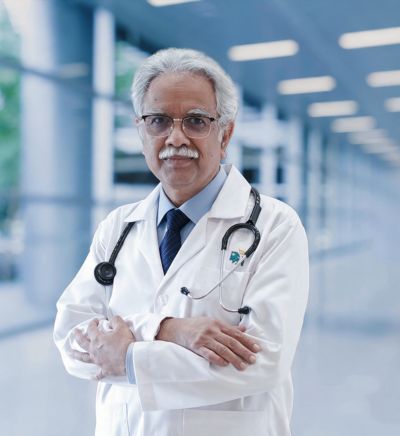
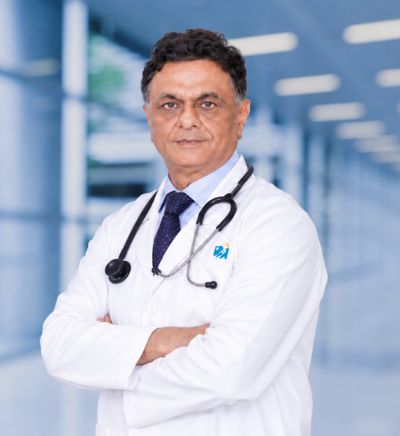
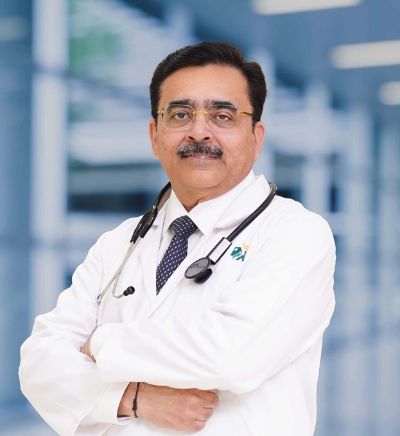
Ndị dọkịta dị na Gurugram








Disclaimer:
Ozi dị na peeji a bụ maka ebumnuche ozi na agụmakwụkwọ naanị. Ọ bụ ezie na anyị na-eme mgbalị ezi uche dị na ya iji hụ na ozi ahụ ziri ezi, a pụrụ ịtụkwasị obi, ma na-enyocha ya mgbe niile, ekwesighi iwere ya dị ka ihe nnọchi anya ndụmọdụ ahụike ọkachamara, nchọpụta, ma ọ bụ ọgwụgwọ.
Ọdịmma nke usoro ọgwụgwọ, tinyere uru ya, ihe egwu ya, nkwadebe ya, mgbake ya, nsogbu ndị nwere ike ime, na ihe ndị a tụrụ anya ya, nwere ike ịdị iche site n'otu onye gaa na onye ọzọ. Ọkachamara ahụike gị ga-ekpebi ma usoro ọgwụgwọ ahụ ọ dabara adaba dabere na ọnọdụ gị na akụkọ ahụike gị.
Biko gakwuru ọkachamara ahụike ruru eru maka ndụmọdụ nkeonwe tupu ịme mkpebi gbasara usoro ọgwụgwọ ọ bụla.
Maka ozi ndị ọzọ gbasara otu esi emepụta, nyochaa, melite, na idobe ọdịnaya ahụike anyị, biko gụọ [Iwu Nchịkọta Akụkọ] anyị.




