


Ndị otu nchịkọta akụkọ Apollo nyochachara ya
Azịza ngwa ngwa
If you think someone is having a heart attack in Gurugram (Gurgaon), call 1066 now or come straight to the emergency department at Apollo Hospitals Gurugram, Golf Course Road, Sector 28. Do not wait to see if the pain settles. The emergency team checks the heart at once, starts treatment and calls the heart specialist.
| Eziokwu eziokwu | Details |
|---|---|
| Emergency and ambulance number | 1066 |
| Ekwentị ụlọ ọgwụ | 0124-6501600 |
| Emergency department hours | Open 24 hours a day, every day |
| Address | Ụlọọgwụ Apollo Gurugram, Ụzọ Golf Course, Sector 28, Gurugram, Haryana 122002 |
| Appointment or referral | Not needed for emergency care |
| Isi ihe ịrịba ama ịdọ aka ná ntị | Chest pain, pressure or tightness that lasts more than a few minutes |
| First tests | ECG (heart tracing) and blood tests, as decided by the emergency doctor |
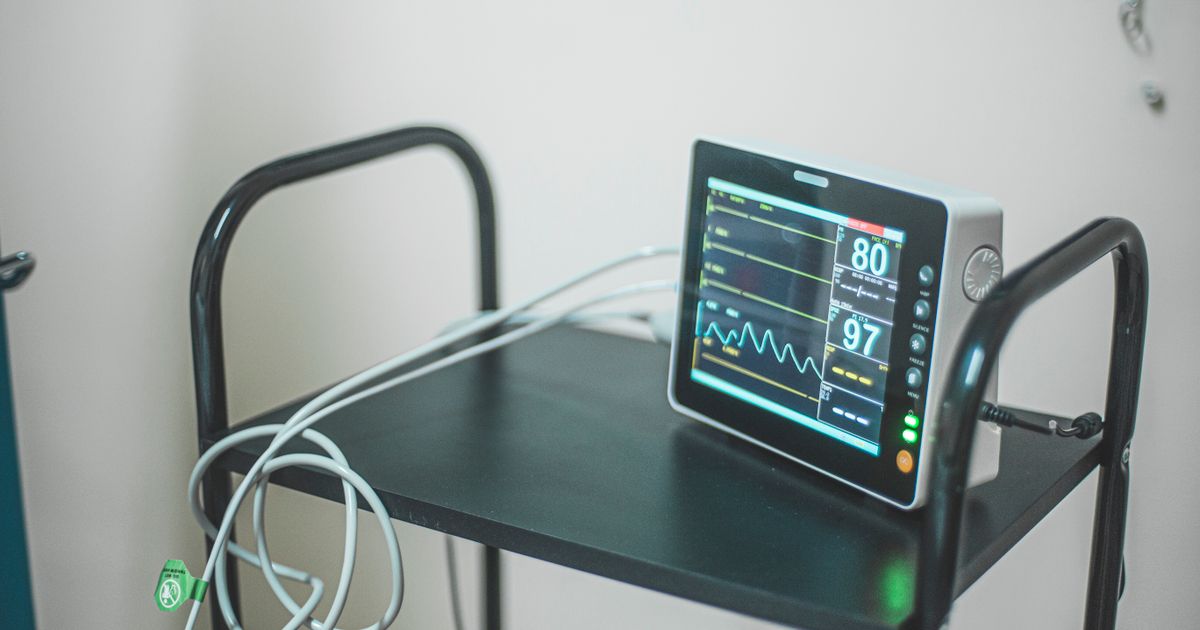
Warning signs of a heart attack
A heart attack happens when the blood supply to part of the heart muscle is blocked. The longer the blockage lasts, the more muscle is damaged. That is why every minute counts. You can read more about the condition on our page on acute heart attack.
Common signs are:
- Pain, pressure, squeezing or heaviness in the centre or left side of the chest
- Pain that spreads to the arm, shoulder, neck, jaw, back or upper stomach
- Iku ume ọkụ ọkụ
- Ọsụsọ oyi
- Nausea ma ọ bụ vomiting
- Feeling light-headed, faint or very weak
Less typical signs in women, older people and people with diabetes
Not every heart attack brings strong chest pain. Women, older people and people with diabetes may have milder or unusual signs. Take these seriously too:
- Unusual tiredness or weakness that comes on suddenly
- Breathlessness without chest pain
- Discomfort that feels like indigestion or gas
- Pain only in the jaw, neck, back or arm
- Sweating, dizziness or nausea with no clear reason
Some heart attacks cause very few symptoms. See our page on silent heart attack. If you are unsure, treat it as an emergency. It is safer to be checked and sent home than to wait at home.
Ihe ị ga-eme ugbu a
- Kpọọ 1066. Say you suspect a heart attack and give your exact location in Gurgaon. An ambulance is the safest way to travel because care can begin on the way.
- Stop all activity. Help the person sit down and rest in a comfortable position, usually half sitting with the back supported.
- Loosen tight clothing. Open the collar, belt or anything tight around the chest and waist.
- Stay with the person. Keep them calm and still. Do not let them walk around or climb stairs.
- Keep medical papers ready. Carry the list of regular medicines, old ECGs, discharge summaries and insurance details if they are close at hand.
- If the person collapses. If they do not respond and are not breathing normally, tell the 1066 operator at once. Start chest compressions if you know how, or follow the instructions the operator gives you.
Ihe agaghị eme
- Do not wait to see if the pain goes away.
- Do not give any medicine unless a doctor or the 1066 operator tells you to.
- Do not give food or drink.
- Do not let the person drive. Avoid driving them yourself if an ambulance can reach you.
- Do not leave the person alone.
What happens at the emergency department
The emergency department at Apollo Hospitals Gurugram sees people without an appointment, at any hour. Chest pain is treated as a priority.
- Usoro iheomume. A nurse or doctor checks how serious the problem is as soon as you arrive. Pulse, blood pressure, breathing and oxygen level are measured.
- ECG. An ngwá records the electrical activity of the heart.
- Nyocha ọbara. A ule troponin looks for a protein released by injured heart muscle.
- Other tests. The doctor may ask for a chest X-ray, a heart ultrasound or other tests if they are needed.
- Nyocha ọkachamara. The emergency doctor involves the cardiology team, who decide on the treatment.
- Early treatment. Pain relief, oxygen if needed, and medicines that protect the heart are started as the doctors advise.
The emergency team will arrange the tests and treatment needed. For details of a specific test or facility, please check with the hospital.
Treatments that may be needed
Treatment depends on the type of heart attack, how long ago it started and your general health. The aim is to restore blood flow to the heart muscle as early as possible.
- Coronary angiogram. A angiogram nke akwara obi uses dye and X-rays to show where the heart arteries are narrowed or blocked.
- Angioplasty and stent. A thin tube is passed through a blood vessel in the wrist or groin to the blocked artery. A small balloon opens it and a stent is usually left in place to keep it open. Read about coronary angioplasty in Gurugram na percutaneous coronary intervention in Gurugram, or the national page on coronary angioplasty and stents.
- Clot-dissolving treatment. In some cases medicines are given through a vein to dissolve the clot. This is called thrombolysis. It works best when given early and is not suitable for everyone.
- Ụzọ ịwa ahụ. If several arteries are blocked, or angioplasty is not suitable, doctors may advise coronary artery bypass grafting in Gurugram. This is usually planned after the person is stable.
- Heart rhythm devices. A few people need a device later for a slow or dangerous heart rhythm, such as ntinye ngwa ngwa ngwa ngwa ma ọ bụ otu defibrillator cardioverter nwere ike ịkụnye.
The cardiologist will explain which option fits your condition, along with its benefits and risks.
After the emergency: admission, recovery and follow-up
Most people with a heart attack are admitted for monitoring, often in an intensive care area for the first days. The length of stay depends on the treatment given and how the heart is working.
Before going home you should receive clear advice on medicines, activity, diet, stopping tobacco and warning signs. Many people benefit from a supervised cardiac rehabilitation programme. Follow-up visits are with the cardiology department at Apollo Hospitals Gurugram. Do not stop any heart medicine without asking your doctor.
How to reach Apollo Hospitals Gurugram
Address: Apollo Hospitals Gurugram, Golf Course Road, Sector 28, Gurugram, Haryana 122002. For an ambulance, call 1066. You can also read about the ambulance service in Gurugram, which has basic life support, advanced life support and cardiac ambulances.
The hospital is on Golf Course Road and serves people from nearby areas of Gurgaon such as DLF Phases 1 to 5, Sushant Lok, MG Road, Sector 56, Sohna Road, South City and Golf Course Extension Road.
Ọnụ ego na mkpuchi
The cost of heart attack care depends on:
- The tests needed
- Whether angioplasty, stents or surgery are required, and how many stents
- Ọnụọgụgụ ụbọchị a ga-anọ n'ụlọ ọgwụ dị oke mkpa na n'ime ngalaba ahụ
- Ụdị ụlọ ahụ
- Other health problems that need treatment
Ọnụ ego ya dị iche iche site n'otu onye gaa na onye ọzọ. Biko gaa leta ụlọ ọgwụ maka ọnụahịa ya n'ezie.
Emergency treatment does not wait for paperwork. If you have health insurance, share the policy details with the billing desk as soon as you can so that cashless approval can be requested where it applies.
Why choose Apollo Hospitals Gurugram for a heart emergency
- Emergency department open 24 hours a day, every day, with no appointment or referral needed
- One emergency number, 1066, for help and ambulance
- Ambulance service with basic life support, advanced life support and cardiac ambulances
- A hospital with 460+ beds and 110+ intensive care beds
- 165+ doctors across specialities, including cardiology and critical care
Availability of specific tests and procedures can change. Please check with the hospital. For planned visits you can denye oge maka dọkịta na Gurugram.
Questions to ask the doctor
- Was this a heart attack, and how much of the heart is affected?
- Which treatment do you advise, and what are the other options?
- What are the risks of the procedure you are suggesting?
- Ogologo oge ole ka ọnụnọ ụlọ ọgwụ ga-adị?
- Which medicines will be needed long term, and why?
- When can normal activity, work and driving start again?
Ajụjụ
1. Where should I go for a heart attack emergency in Gurgaon?
Call 1066 or go to the nearest emergency department. Apollo Hospitals Gurugram on Golf Course Road, Sector 28 has an emergency department that is open 24 hours a day, every day.
2. What number should I call for a heart attack in Gurugram?
Call 1066, the Apollo emergency and ambulance number. The hospital phone number is 0124-6501600.
3. Do I need an appointment or referral for emergency care?
No. Come directly to the emergency department. You will be assessed on arrival.
4. How do I know if chest pain is a heart attack or gas?
You cannot be sure at home. Chest pressure or pain that lasts more than a few minutes, or comes with sweating, breathlessness, nausea or pain in the arm or jaw, needs an urgent ECG. Treat it as an emergency.
5. Can a heart attack happen without chest pain?
Yes. Women, older people and people with diabetes may only feel breathless, very tired, sweaty or sick. These signs need urgent attention too.
6. Should I drive the patient to hospital myself?
An ambulance is safer because trained staff can begin care on the way. If no ambulance can reach you quickly, have someone else drive. The person with chest pain must never drive.
7. Which tests are done first for chest pain?
Usually an ECG and blood tests for heart muscle injury. The doctor may add other tests depending on the findings.
8. Is angioplasty always needed after a heart attack?
No. The treatment depends on the type of heart attack, the test results and your overall health. Some people are treated with medicines, some need angioplasty and some need bypass surgery.
9. What should I bring to the emergency department?
If they are within reach, bring a list of current medicines, past medical records, an identity card and insurance details. Do not delay leaving to look for them.
10. Which doctor treats a heart attack?
Emergency doctors start the care, and cardiologists lead the heart treatment. Critical care doctors and cardiac surgeons are involved when needed.
mmechi
A heart attack is a time-critical emergency. Know the warning signs, including the quieter ones, and act at the first doubt. In Gurugram, call 1066 or come to the emergency department at Apollo Hospitals Gurugram on Golf Course Road. Early care protects heart muscle and saves lives.
Peeji a bụ maka ozi izugbe, ọ naghị anọchi ndụmọdụ dọkịta gị. N'ọnọdụ mberede, kpọọ 1066 ma ọ bụ gaa na ngalaba mberede kacha nso.
Na-adịbeghị anya agbakwunyere


Heart and critical care specialists at Apollo Hospitals Gurugram





Disclaimer:
Ozi dị na peeji a bụ maka ebumnuche ozi na agụmakwụkwọ naanị. Ọ bụ ezie na anyị na-eme mgbalị ezi uche dị na ya iji hụ na ozi ahụ ziri ezi, a pụrụ ịtụkwasị obi, ma na-enyocha ya mgbe niile, ekwesighi iwere ya dị ka ihe nnọchi anya ndụmọdụ ahụike ọkachamara, nchọpụta, ma ọ bụ ọgwụgwọ.
Ọdịmma nke usoro ọgwụgwọ, tinyere uru ya, ihe egwu ya, nkwadebe ya, mgbake ya, nsogbu ndị nwere ike ime, na ihe ndị a tụrụ anya ya, nwere ike ịdị iche site n'otu onye gaa na onye ọzọ. Ọkachamara ahụike gị ga-ekpebi ma usoro ọgwụgwọ ahụ ọ dabara adaba dabere na ọnọdụ gị na akụkọ ahụike gị.
Biko gakwuru ọkachamara ahụike ruru eru maka ndụmọdụ nkeonwe tupu ịme mkpebi gbasara usoro ọgwụgwọ ọ bụla.
Maka ozi ndị ọzọ gbasara otu esi emepụta, nyochaa, melite, na idobe ọdịnaya ahụike anyị, biko gụọ [Iwu Nchịkọta Akụkọ] anyị.




