

Sinuplasti Balon - Biaya, Indikasi, Persiapan, Risiko, dan Pemulihan
Apa itu Sinuplasti Balon?
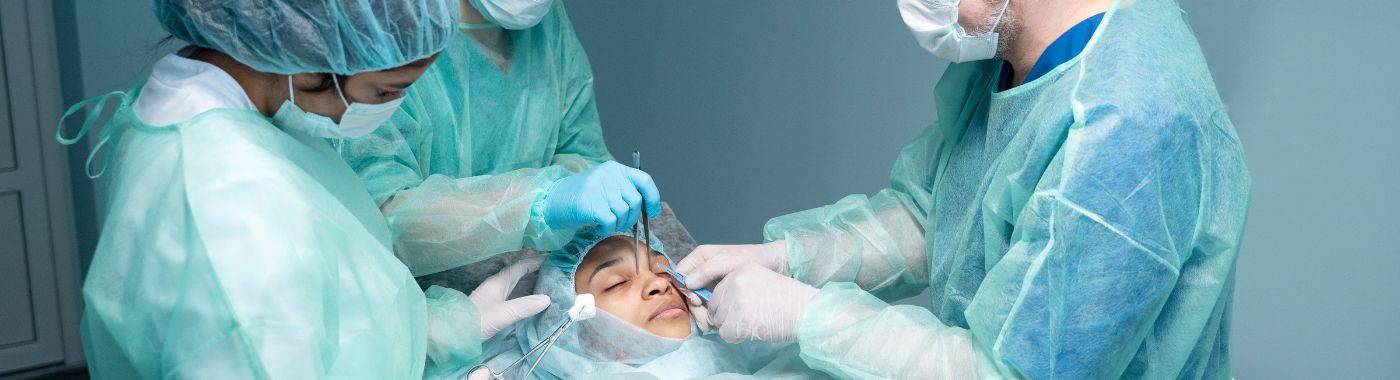
Sinuplasti Balon adalah prosedur medis invasif minimal yang dirancang untuk mengobati sinusitis kronis dan kondisi terkait sinus lainnya. Teknik inovatif ini bertujuan untuk meredakan penyumbatan sinus dan mengembalikan drainase normal dengan menggunakan kateter balon kecil. Selama prosedur, balon tipis dan fleksibel dimasukkan ke dalam rongga sinus yang terkena dan dikembangkan secara perlahan. Pengembangan ini memperluas lubang sinus, memungkinkan aliran udara dan drainase yang lebih baik. Setelah balon dikempiskan dan dikeluarkan, sinus tetap terbuka, sehingga mempercepat penyembuhan dan mengurangi kemungkinan infeksi di masa mendatang.
Tujuan utama dari Balloon Sinuplasty adalah untuk mengurangi gejala yang terkait dengan sinusitis kronis, yang dapat meliputi hidung tersumbat, nyeri atau tekanan pada wajah, sakit kepala, dan penurunan indra penciuman. Dengan mengatasi gejala-gejala ini, prosedur ini meningkatkan kualitas hidup pasien yang menderita masalah sinus yang terus-menerus. Balloon Sinuplasty sangat bermanfaat bagi individu yang belum menemukan kesembuhan melalui pengobatan tradisional, seperti obat-obatan atau semprotan hidung.
Prosedur ini biasanya dilakukan di lingkungan rawat jalan, artinya pasien dapat pulang pada hari yang sama. Prosedur ini sering dilakukan dengan anestesi lokal, sehingga memungkinkan waktu pemulihan yang lebih cepat dibandingkan dengan pilihan bedah yang lebih invasif. Sinuplasti Balon dikenal karena efektivitas dan keamanannya, menjadikannya pilihan populer di kalangan pasien dan penyedia layanan kesehatan.
Mengapa Sinuplasti Balon Dilakukan?
Sinuplasti Balon direkomendasikan untuk pasien yang mengalami sinusitis kronis, suatu kondisi yang ditandai dengan peradangan dan pembengkakan lapisan sinus yang berlangsung lebih dari 12 minggu. Gejala sinusitis kronis dapat berdampak signifikan pada kehidupan sehari-hari, menyebabkan ketidaknyamanan dan frustrasi. Gejala umum meliputi:
- Hidung tersumbat terus-menerus
- Cairan hidung kental (sering berwarna kuning atau hijau)
- Nyeri atau tekanan pada wajah, terutama di sekitar pipi, dahi, atau mata.
- Indera penciuman atau rasa berkurang
- Batuk, yang mungkin memburuk di malam hari
- Kelelahan dan rasa tidak enak badan secara umum
Dalam beberapa kasus, pasien juga dapat mengalami sinusitis akut berulang, di mana gejalanya kambuh beberapa kali dalam setahun. Jika gejala-gejala ini menetap meskipun telah diberikan pengobatan medis, Sinuplasti Balon dapat dipertimbangkan sebagai pilihan yang tepat.
Prosedur ini biasanya direkomendasikan ketika:
- Pengobatan Konvensional Gagal: Pasien yang telah mencoba berbagai pengobatan, seperti antibiotik, kortikosteroid hidung, atau irigasi salin, tanpa perbaikan yang signifikan mungkin menjadi kandidat untuk Sinuplasti Balon.
- Penyumbatan Anatomi: Beberapa individu mungkin memiliki masalah struktural, seperti septum hidung yang bengkok atau polip hidung, yang berkontribusi pada masalah sinus mereka. Sinuplasti Balon dapat membantu mengatasi penyumbatan ini.
- Gejala Kronis: Jika seorang pasien telah didiagnosis menderita sinusitis kronis dan mengalami gejala berkelanjutan yang memengaruhi kualitas hidup mereka, prosedur ini dapat memberikan keringanan.
- Keinginan akan Opsi yang Minimal Invasif: Banyak pasien lebih menyukai prosedur yang kurang invasif yang menawarkan waktu pemulihan lebih cepat dan lebih sedikit komplikasi dibandingkan dengan operasi sinus tradisional.
Secara keseluruhan, Balloon Sinuplasty merupakan pilihan yang tepat bagi pasien yang mencari solusi untuk masalah sinus kronis, terutama ketika perawatan lain belum memberikan hasil yang memuaskan.
Indikasi untuk Sinuplasti Balon
Beberapa situasi klinis dan kriteria diagnostik dapat menunjukkan kelayakan pasien untuk Sinuplasti Balon. Hal ini meliputi:
- Diagnosis Sinusitis Kronis: Diagnosis sinusitis kronis yang terkonfirmasi, yang biasanya ditegakkan melalui kombinasi riwayat pasien, pemeriksaan fisik, dan studi pencitraan (seperti CT scan), sangat penting. Diagnosis tersebut harus menunjukkan bahwa pasien telah mengalami gejala setidaknya selama 12 minggu.
- Kegagalan Manajemen Medis: Pasien yang telah menjalani uji coba penanganan medis, termasuk antibiotik, kortikosteroid hidung, dan irigasi salin, tanpa perbaikan signifikan pada gejalanya, dapat dipertimbangkan untuk prosedur ini.
- Keberadaan Kelainan Anatomi: Pasien dengan masalah anatomi, seperti polip hidung, septum hidung yang bengkok, atau kelainan struktural lainnya yang menyebabkan penyumbatan sinus, dapat memperoleh manfaat dari Sinuplasti Balon. Prosedur ini dapat membantu membuka saluran sinus dan memperbaiki drainase.
- Sinusitis Akut Berulang: Individu yang mengalami episode sinusitis akut berulang (empat episode atau lebih per tahun) juga dapat menjadi kandidat untuk Sinuplasti Balon, terutama jika episode-episode ini menyebabkan gejala kronis.
- Preferensi Pasien: Pasien yang menyatakan keinginan untuk pilihan yang kurang invasif dibandingkan dengan operasi sinus tradisional, dan yang memahami risiko dan manfaat dari prosedur tersebut, mungkin merupakan kandidat yang cocok.
- Status Kesehatan Secara Keseluruhan: Kondisi kesehatan pasien secara keseluruhan dan kemampuannya untuk mentolerir prosedur juga dipertimbangkan. Pasien dengan komorbiditas yang signifikan mungkin perlu dievaluasi lebih menyeluruh sebelum melanjutkan prosedur.
Singkatnya, indikasi untuk Balloon Sinuplasty terutama didasarkan pada diagnosis sinusitis kronis, kegagalan pengobatan konservatif, dan adanya kelainan anatomi. Evaluasi menyeluruh oleh spesialis telinga, hidung, dan tenggorokan (THT) sangat penting untuk menentukan apakah prosedur ini merupakan pilihan yang tepat untuk situasi spesifik pasien.
Jenis-jenis Sinuplasti Balon
Meskipun Balloon Sinuplasty umumnya dilakukan sebagai teknik tunggal, terdapat variasi dalam pendekatannya berdasarkan kebutuhan spesifik pasien dan anatomi sinus mereka. Jenis utama Balloon Sinuplasty dapat dikategorikan berdasarkan sinus yang diobati:
- Sinuplasti Balon Sinus Frontal: Pendekatan ini menargetkan sinus frontal, yang terletak di atas mata. Prosedur ini sering digunakan untuk pasien dengan sinusitis frontal atau penyumbatan di area ini. Prosedur ini mungkin melibatkan navigasi melalui saluran hidung untuk mengakses lubang sinus frontal.
- Sinuplasti Balon Sinus Maksila: Ini adalah salah satu jenis Balloon Sinuplasty yang paling umum, yang berfokus pada sinus maksilaris, yang terletak di area pipi. Prosedur ini sangat efektif untuk pasien yang mengalami masalah kronis di daerah sinus ini.
- Sinuplasti Balon Sinus Etmoid: Teknik ini menargetkan sinus etmoid, yang terletak di antara kedua mata. Teknik ini sering dilakukan bersamaan dengan perawatan sinus lainnya, terutama ketika beberapa rongga sinus terpengaruh.
- Sinuplasti Balon Sinus Sphenoid: Meskipun kurang umum, pendekatan ini menargetkan sinus sphenoid, yang terletak lebih dalam di dalam tengkorak. Pendekatan ini mungkin diindikasikan untuk pasien dengan gejala spesifik yang berkaitan dengan area sinus ini.
Setiap jenis Balloon Sinuplasty disesuaikan dengan anatomi pasien dan masalah sinus spesifiknya. Pilihan teknik akan bergantung pada lokasi penyumbatan dan kesehatan sinus secara keseluruhan.
Kesimpulannya, Balloon Sinuplasty adalah prosedur yang berharga bagi pasien yang menderita sinusitis kronis dan kondisi terkait. Dengan memahami apa yang termasuk dalam prosedur ini, mengapa dilakukan, dan indikasi penggunaannya, pasien dapat membuat keputusan yang tepat mengenai kesehatan sinus mereka. Selanjutnya dalam seri ini, kita akan membahas proses pemulihan setelah Balloon Sinuplasty dan apa yang dapat diharapkan pasien selama proses penyembuhan mereka.
Kontraindikasi untuk Sinuplasti Balon
Meskipun sinuplasti balon adalah prosedur invasif minimal yang dapat memberikan kelegaan signifikan bagi banyak pasien yang menderita sinusitis kronis, prosedur ini tidak cocok untuk semua orang. Kondisi atau faktor tertentu dapat membuat pasien tidak cocok untuk prosedur ini. Berikut adalah beberapa kontraindikasi utama yang perlu dipertimbangkan:
- Polip Hidung Parah: Pasien dengan polip hidung yang besar atau banyak mungkin tidak mendapatkan manfaat dari sinuplasti balon, karena pertumbuhan ini dapat menghalangi lubang sinus dan mungkin memerlukan intervensi bedah yang lebih luas.
- Infeksi Sinus Aktif: Jika pasien mengalami infeksi sinus aktif, umumnya disarankan untuk menunda prosedur hingga infeksi mereda. Hal ini memastikan bahwa prosedur dapat dilakukan dengan aman dan efektif.
- Kelainan Anatomi: Individu dengan kelainan anatomi yang signifikan pada saluran hidung atau sinus, seperti septum hidung yang bengkok atau masalah struktural lainnya, mungkin bukan kandidat yang ideal. Kondisi ini mungkin memerlukan koreksi bedah tambahan sebelum atau sebagai pengganti sinusoplasti balon.
- Reaksi alergi: Pasien yang diketahui memiliki alergi terhadap anestesi lokal atau obat-obatan lain yang digunakan selama prosedur harus mendiskusikan kekhawatiran ini dengan penyedia layanan kesehatan mereka, karena hal ini dapat memengaruhi kelayakan mereka.
- Kondisi Medis yang Tidak Terkendali: Pasien dengan kondisi medis yang tidak terkontrol, seperti diabetes atau penyakit jantung, mungkin menghadapi peningkatan risiko selama prosedur. Evaluasi menyeluruh oleh penyedia layanan kesehatan sangat penting untuk menentukan apakah sinusoplasti balon sesuai untuk prosedur ini.
- Riwayat Operasi Sinus Sebelumnya: Mereka yang telah menjalani operasi sinus ekstensif mungkin bukan kandidat yang cocok untuk sinuplasti balon, karena anatomi sinus mereka mungkin telah berubah, sehingga prosedur tersebut menjadi kurang efektif.
- kehamilan: Wanita hamil sering disarankan untuk menghindari prosedur elektif, termasuk sinuplasti balon, kecuali benar-benar diperlukan. Keamanan prosedur ini selama kehamilan belum dipelajari secara menyeluruh.
- Pertimbangan Usia: Meskipun sinusoplasti balon dapat dilakukan pada orang dewasa, penggunaannya pada anak-anak lebih terbatas. Pasien anak mungkin memerlukan pendekatan perawatan yang berbeda berdasarkan kebutuhan anatomi dan perkembangan mereka yang unik.
Penting bagi pasien untuk menjalani evaluasi komprehensif oleh spesialis telinga, hidung, dan tenggorokan (THT) untuk menentukan kesesuaian mereka untuk prosedur sinusoplasti balon. Evaluasi ini akan mencakup peninjauan riwayat medis, gejala, dan studi pencitraan apa pun yang mungkin diperlukan.
Cara Mempersiapkan Diri untuk Sinuplasti Balon
Persiapan untuk sinuplasti balon merupakan langkah penting untuk memastikan prosedur berjalan lancar dan sukses. Berikut beberapa instruksi, tes, dan tindakan pencegahan penting sebelum prosedur yang harus diikuti pasien:
- Konsultasi dengan Spesialis THT: Sebelum prosedur dilakukan, pasien harus berkonsultasi secara menyeluruh dengan dokter spesialis THT. Kunjungan ini akan mencakup diskusi tentang gejala, riwayat medis, dan pemeriksaan fisik saluran hidung.
- Studi Pencitraan: Dalam banyak kasus, dokter mungkin akan memesan pemeriksaan pencitraan, seperti CT scan, untuk menilai sinus dan mengidentifikasi penyumbatan atau kelainan apa pun. Pencitraan ini membantu dokter merencanakan prosedur secara efektif.
- Ulasan Pengobatan: Pasien harus memberikan daftar lengkap obat-obatan yang sedang mereka konsumsi, termasuk obat-obatan bebas dan suplemen. Obat-obatan tertentu, seperti pengencer darah, mungkin perlu disesuaikan atau dihentikan sementara sebelum prosedur.
- Menghindari Zat Tertentu: Pasien biasanya disarankan untuk menghindari alkohol dan merokok beberapa hari sebelum prosedur, karena zat-zat ini dapat memengaruhi penyembuhan dan pemulihan.
- Petunjuk Puasa: Tergantung pada jenis anestesi yang digunakan, pasien mungkin diinstruksikan untuk berpuasa selama periode tertentu sebelum prosedur. Hal ini sangat penting terutama jika anestesi umum direncanakan.
- Mengatur Transportasi: Karena prosedur sinuplasti balon mungkin memerlukan sedasi, pasien harus mengatur agar seseorang mengantar mereka pulang setelah prosedur. Tidak aman untuk mengemudi segera setelah sedasi.
- Obat Pra-Prosedur: Pasien mungkin akan diberi resep obat untuk diminum sebelum prosedur, seperti antibiotik untuk mencegah infeksi atau obat anti-kecemasan untuk membantu mereka rileks.
- Memahami Prosedur: Pasien harus meluangkan waktu untuk memahami apa yang diharapkan selama prosedur. Ini termasuk mendiskusikan kekhawatiran atau pertanyaan apa pun dengan penyedia layanan kesehatan untuk memastikan mereka merasa nyaman dan terinformasi.
Dengan mengikuti langkah-langkah persiapan ini, pasien dapat membantu memastikan bahwa pengalaman sinusoplasti balon mereka berjalan semulus dan seefektif mungkin.
Sinuplasti Balon: Prosedur Langkah demi Langkah
Memahami proses sinuplasti balon langkah demi langkah dapat membantu mengurangi kecemasan yang mungkin dialami pasien tentang prosedur tersebut. Berikut adalah hal-hal yang biasanya terjadi sebelum, selama, dan setelah prosedur:
Sebelum Prosedur:
- Kedatangan dan Check-In: Pasien tiba di fasilitas medis dan melakukan pendaftaran untuk prosedur yang akan dijalani. Mereka mungkin diminta untuk mengisi formulir yang diperlukan dan memberikan persetujuan untuk prosedur tersebut.
- Penilaian Pra-Prosedur: Seorang perawat atau asisten medis akan mengukur tanda-tanda vital dan meninjau riwayat medis pasien. Ini juga merupakan kesempatan bagi pasien untuk mengajukan pertanyaan-pertanyaan terakhir.
- Administrasi Anestesi: Tergantung pada kompleksitas kasus dan kenyamanan pasien, anestesi lokal dapat diberikan untuk membius saluran hidung. Dalam beberapa kasus, sedasi dapat diberikan untuk membantu pasien rileks.
Selama Prosedur:
- Endoskopi Hidung: Dokter spesialis THT akan menggunakan tabung tipis dan fleksibel dengan kamera (endoskop) untuk memvisualisasikan saluran hidung dan sinus. Hal ini memungkinkan navigasi yang tepat selama prosedur.
- Pemasangan Kateter Balon: Kateter balon kecil dimasukkan dengan hati-hati ke dalam lubang sinus yang tersumbat. Dokter akan memandu kateter ke area yang ditargetkan menggunakan endoskop.
- Inflasi Balon: Setelah terpasang, balon dipompa perlahan. Ini akan memperluas lubang sinus, memungkinkan drainase dan aliran udara yang lebih baik. Proses pemompaan biasanya hanya berlangsung beberapa menit.
- Mengempiskan dan Melepaskan Balon: Setelah lubang sinus dilebarkan, balon dikempiskan dan dikeluarkan. Dokter juga dapat membilas sinus dengan larutan garam untuk membersihkan lendir atau kotoran.
- Penilaian Akhir: Dokter akan melakukan penilaian akhir untuk memastikan bahwa sinus bersih dan berfungsi dengan baik sebelum menyelesaikan prosedur.
Setelah Prosedur:
- Masa Pemulihan: Pasien dipantau selama periode singkat setelah prosedur untuk memastikan mereka pulih dengan baik. Ini biasanya memakan waktu sekitar 30 menit hingga satu jam.
- Instruksi Pasca Prosedur: Pasien akan menerima instruksi khusus tentang cara merawat diri mereka sendiri setelah prosedur. Ini mungkin termasuk rekomendasi untuk manajemen nyeri, irigasi hidung, dan menghindari aktivitas tertentu.
- Janji Tindak Lanjut: Pemeriksaan lanjutan biasanya dijadwalkan dalam beberapa minggu untuk menilai penyembuhan dan efektivitas prosedur. Ini adalah langkah penting untuk memastikan bahwa sinus berfungsi dengan baik.
Secara keseluruhan, sinuplasti balon dirancang sebagai prosedur yang cepat dan efektif, seringkali memungkinkan pasien untuk kembali ke aktivitas normal mereka dalam satu atau dua hari.
Risiko dan Komplikasi Sinuplasti Balon
Seperti halnya prosedur medis lainnya, sinusoplasti balon memiliki beberapa risiko dan potensi komplikasi. Namun, secara umum dianggap aman, dan komplikasi serius jarang terjadi. Berikut daftar risiko umum dan jarang yang terkait dengan prosedur ini:
Risiko Umum:
- Ketidaknyamanan Hidung: Pasien mungkin mengalami sedikit ketidaknyamanan atau tekanan di saluran hidung setelah prosedur. Hal ini biasanya bersifat sementara dan dapat diatasi dengan obat pereda nyeri yang dijual bebas.
- Pendarahan Hidung: Beberapa pasien mungkin mengalami pendarahan hidung ringan setelah prosedur. Hal ini biasanya akan berhenti dengan sendirinya dan segera mereda.
- Infeksi Sinus: Meskipun sinusoplasti balon bertujuan untuk meringankan masalah sinus, ada risiko kecil terjadinya infeksi sinus setelah prosedur. Pasien harus memantau tanda-tanda infeksi, seperti peningkatan nyeri, demam, atau keluarnya cairan hidung yang terus menerus.
- Pembengkakan: Pembengkakan pada saluran hidung umum terjadi setelah prosedur dan mungkin membutuhkan beberapa hari untuk mereda. Hal ini dapat memengaruhi pernapasan untuk sementara waktu.
Resiko Langka:
- Perforasi Dinding Sinus: Dalam kasus yang sangat jarang terjadi, balon dapat menyebabkan perforasi pada dinding sinus, yang dapat mengakibatkan komplikasi. Kejadian ini jarang terjadi tetapi dapat memerlukan perawatan tambahan.
- Reaksi alergi: Beberapa pasien mungkin mengalami reaksi alergi terhadap obat-obatan yang digunakan selama prosedur, seperti anestesi. Sangat penting untuk memberi tahu penyedia layanan kesehatan tentang alergi yang diketahui sebelumnya.
- Gejala yang Terus Menerus: Meskipun banyak pasien mengalami perbaikan yang signifikan setelah sinusoplasti balon, beberapa mungkin mendapati gejala mereka menetap atau kambuh seiring waktu. Perawatan atau prosedur tambahan mungkin diperlukan dalam kasus seperti itu.
- Perubahan pada Indera Penciuman: Meskipun jarang terjadi, beberapa pasien mungkin mengalami perubahan sementara pada indra penciuman mereka setelah prosedur. Hal ini biasanya akan pulih dengan sendirinya.
- Perlunya Operasi Tambahan: Dalam beberapa kasus, jika sinusoplasti balon tidak memberikan hasil yang diinginkan, pasien mungkin memerlukan pilihan pembedahan yang lebih invasif di masa mendatang.
Penting bagi pasien untuk mendiskusikan risiko-risiko ini dengan penyedia layanan kesehatan mereka selama proses konsultasi. Memahami potensi komplikasi dapat membantu pasien membuat keputusan yang tepat mengenai pilihan pengobatan mereka. Secara keseluruhan, sinuplasti balon adalah prosedur yang aman dan efektif bagi banyak individu yang menderita sinusitis kronis, menawarkan solusi yang menjanjikan untuk meningkatkan kesehatan sinus.
Pemulihan Setelah Sinuplasti Balon
Pemulihan dari sinusoplasti balon umumnya cepat dan mudah, memungkinkan banyak pasien untuk kembali ke aktivitas normal mereka dalam beberapa hari. Namun, waktu pemulihan individu dapat bervariasi berdasarkan faktor kesehatan pribadi dan luasnya prosedur.
Perkiraan Waktu Pemulihan
- Pasca Prosedur Segera: Setelah prosedur, pasien mungkin mengalami sedikit ketidaknyamanan, hidung tersumbat, atau pendarahan ringan. Gejala-gejala ini biasanya ringan dan dapat diatasi dengan obat pereda nyeri yang dijual bebas. Sebagian besar pasien dapat pulang pada hari yang sama.
- Minggu pertama: Selama minggu pertama, pembengkakan dan keluarnya cairan dari hidung adalah hal yang umum terjadi. Pasien disarankan untuk beristirahat dan menghindari aktivitas berat. Semprotan saline hidung dapat membantu menjaga kelembapan saluran hidung dan mempercepat penyembuhan.
- Dua Minggu: Pada akhir dua minggu, sebagian besar pasien akan merasakan perbaikan yang signifikan pada gejala mereka. Pembengkakan akan berkurang, dan pernapasan normal akan kembali. Pasien dapat secara bertahap kembali ke aktivitas rutin mereka, termasuk olahraga ringan.
- Satu Bulan: Setelah satu bulan, sebagian besar pasien merasa pulih sepenuhnya. Janji temu lanjutan dengan spesialis THT sangat penting untuk memantau penyembuhan dan memastikan bahwa sinus berfungsi dengan baik.
Tips Perawatan
- Hidrasi: Minumlah banyak cairan untuk menjaga tubuh tetap terhidrasi, yang dapat membantu mengencerkan lendir dan memperlancar pengeluaran lendir.
- Hindari Iritasi: Jauhi asap, bau menyengat, dan alergen yang dapat mengiritasi saluran hidung.
- Perawatan Hidung: Gunakan semprotan atau bilasan hidung saline sesuai anjuran dokter untuk menjaga kelembapan saluran hidung.
- Janji Tindak Lanjut: Hadiri semua kunjungan tindak lanjut yang dijadwalkan untuk memastikan penyembuhan yang tepat dan mengatasi segala kekhawatiran.
Kapan Aktivitas Normal Dapat Dilanjutkan
Sebagian besar pasien dapat kembali bekerja dan melakukan aktivitas ringan dalam beberapa hari. Namun, disarankan untuk menghindari mengangkat beban berat, olahraga berat, dan berenang setidaknya selama dua minggu setelah prosedur. Selalu konsultasikan dengan penyedia layanan kesehatan Anda untuk mendapatkan saran yang dipersonalisasi berdasarkan kemajuan pemulihan Anda.
Manfaat Sinuplasti Balon
Sinuplasti balon menawarkan banyak manfaat yang dapat secara signifikan meningkatkan kualitas hidup pasien. Berikut beberapa peningkatan kesehatan utama yang terkait dengan prosedur ini:
- Gejala Sinus Berkurang: Banyak pasien melaporkan penurunan drastis pada tekanan sinus, nyeri, dan hidung tersumbat. Peredaan ini dapat menyebabkan peningkatan kualitas tidur dan kesejahteraan secara keseluruhan.
- Minimal Invasif: Berbeda dengan operasi sinus tradisional, sinuplasti balon kurang invasif, yang berarti risiko komplikasi lebih rendah dan waktu pemulihan lebih cepat.
- Pengawetan Jaringan: Prosedur ini dirancang untuk mempertahankan anatomi alami sinus, yang dapat menghasilkan hasil jangka panjang yang lebih baik dan lebih sedikit komplikasi.
- Peningkatan Pernapasan: Pasien sering mengalami peningkatan aliran udara melalui saluran hidung, sehingga memudahkan pernapasan dan mengurangi frekuensi infeksi sinus.
- Hasil Tahan Lama: Banyak pasien menikmati kelegaan jangka panjang dari masalah sinus, dengan penelitian menunjukkan bahwa manfaat sinusoplasti balon dapat bertahan selama bertahun-tahun.
- Peningkatan Kualitas Hidup: Dengan berkurangnya gejala dan membaiknya fungsi sinus, pasien seringkali mendapati bahwa kualitas hidup mereka secara keseluruhan meningkat, memungkinkan mereka untuk terlibat lebih penuh dalam aktivitas sehari-hari.
Sinuplasti Balon vs. Operasi Sinus Tradisional
Meskipun sinuplasti balon merupakan pilihan populer untuk mengobati sinusitis kronis, operasi sinus tradisional tetap menjadi alternatif yang umum. Berikut perbandingan kedua prosedur tersebut:
| Fitur | Sinopsis Balon | Bedah Sinus Tradisional |
|---|---|---|
| Invasif | Minimal invasif | Lebih invasif |
| Waktu Pemulihan | Pemulihan cepat (hari) | Pemulihan lebih lama (minggu) |
| Tingkat Rasa Sakit | Secara umum kurang menyakitkan. | Lebih banyak rasa sakit dan ketidaknyamanan |
| Menginap di Rumah Sakit | Prosedur rawat jalan | Mungkin memerlukan menginap semalam |
| Pelestarian Jaringan | Mempertahankan struktur sinus alami | Mungkin melibatkan pengangkatan jaringan. |
| Komplikasi | Risiko komplikasi yang lebih rendah | Risiko komplikasi lebih tinggi |
Biaya Sinuplasti Balon di India
Biaya rata-rata operasi sinusoplasti balon di India berkisar antara ₹50,000 hingga ₹1,50,000. Untuk perkiraan yang tepat, hubungi kami hari ini.
Pertanyaan yang Sering Diajukan (FAQ) Tentang Sinuplasti Balon
Apa yang harus saya makan sebelum prosedur?
Sebaiknya Anda makan makanan ringan sebelum prosedur. Hindari makanan berat atau berlemak. Ikuti petunjuk khusus dokter Anda mengenai puasa jika diperlukan sedasi.
Apakah saya boleh mengonsumsi obat-obatan rutin saya sebelum operasi?
Sebagian besar obat dapat diminum seperti biasa, tetapi konsultasikan dengan dokter Anda tentang obat pengencer darah atau obat-obatan lain yang mungkin perlu dihentikan sementara sebelum prosedur.
Apa yang harus saya harapkan segera setelah prosedur?
Anda mungkin mengalami hidung tersumbat, sedikit rasa tidak nyaman, atau pendarahan. Gejala-gejala ini biasanya bersifat sementara dan dapat diatasi dengan obat-obatan yang diresepkan.
Berapa lama saya perlu mengambil cuti kerja?
Sebagian besar pasien dapat kembali bekerja dalam beberapa hari, tetapi hal itu bergantung pada pekerjaan Anda dan bagaimana perasaan Anda. Diskusikan situasi spesifik Anda dengan dokter Anda.
Apakah ada pantangan makanan setelah prosedur?
Secara umum, tidak ada batasan diet ketat setelah sinuplasti balon. Namun, menjaga tubuh tetap terhidrasi dan menghindari makanan yang dapat menyebabkan iritasi seperti makanan pedas dapat bermanfaat.
Apakah anak-anak dapat menjalani sinusoplasti balon?
Ya, sinusoplasti balon dapat dilakukan pada anak-anak, tetapi sangat penting untuk berkonsultasi dengan spesialis THT anak untuk menentukan tindakan terbaik.
Bagaimana saya bisa mengatasi rasa sakit setelah prosedur?
Obat pereda nyeri yang dijual bebas seperti asetaminofen atau ibuprofen dapat membantu mengatasi rasa tidak nyaman. Selalu ikuti rekomendasi dokter Anda untuk manajemen nyeri.
Apakah keluarnya cairan dari hidung setelah prosedur itu normal?
Ya, keluarnya cairan hidung dalam jumlah sedikit adalah normal saat sinus Anda pulih. Menggunakan semprotan saline dapat membantu menjaga saluran hidung tetap lembap dan bersih.
Kapan saya bisa melanjutkan olahraga setelah menjalani sinusoplasti balon?
Olahraga ringan biasanya dapat dilanjutkan dalam waktu seminggu, tetapi hindari mengangkat beban berat atau aktivitas berat setidaknya selama dua minggu. Selalu konsultasikan dengan dokter Anda terlebih dahulu.
Apa saja tanda-tanda yang harus saya perhatikan setelah prosedur?
Perhatikan tanda-tanda infeksi, seperti demam, peningkatan nyeri, atau perdarahan yang terus menerus. Jika Anda mengalami gejala yang mengkhawatirkan, segera hubungi dokter Anda.
Berapa lama prosedurnya?
Prosedur sinuplasti balon biasanya memakan waktu sekitar 30 hingga 60 menit, tergantung pada kompleksitas kasusnya.
Apakah saya perlu melakukan tindak lanjut setelah prosedur dilakukan?
Ya, pemeriksaan lanjutan sangat penting untuk memantau pemulihan Anda dan memastikan bahwa sinus Anda sembuh dengan baik.
Apakah saya bisa bepergian setelah menjalani sinusoplasti balon?
Disarankan untuk menghindari perjalanan udara setidaknya selama seminggu setelah prosedur untuk mencegah perubahan tekanan yang dapat memengaruhi penyembuhan.
Bagaimana jika gejala saya tidak membaik setelah prosedur?
Jika gejala Anda berlanjut, konsultasikan dengan dokter Anda untuk evaluasi lebih lanjut. Perawatan atau prosedur tambahan mungkin diperlukan.
Apakah operasi sinusoplasti balon ditanggung oleh asuransi?
Cakupan perlindungan bervariasi tergantung penyedia dan paket asuransi. Hubungi perusahaan asuransi Anda untuk memahami manfaat yang Anda dapatkan.
Apakah saya bisa menggunakan semprotan hidung setelah prosedur?
Ya, semprotan hidung saline dianjurkan untuk menjaga saluran hidung tetap lembap. Hindari semprotan obat kecuali atas petunjuk dokter Anda.
Berapakah tingkat keberhasilan sinusoplasti balon?
Studi menunjukkan bahwa sinusoplasti balon memiliki tingkat keberhasilan yang tinggi, dengan banyak pasien mengalami pengurangan gejala yang signifikan.
Apakah ada risiko yang terkait dengan sinusoplasti balon?
Meskipun komplikasi jarang terjadi, potensi risikonya meliputi pendarahan, infeksi, atau kerusakan pada jaringan di sekitarnya. Diskusikan hal ini dengan dokter Anda.
Bagaimana saya bisa mempersiapkan diri untuk prosedur ini?
Ikuti petunjuk pra-operasi dari dokter Anda, yang mungkin termasuk menghindari obat-obatan tertentu dan mengatur transportasi pulang setelah prosedur.
Apa yang harus saya lakukan jika saya memiliki alergi?
Beritahukan dokter Anda tentang alergi apa pun yang Anda miliki, karena mereka mungkin perlu menyesuaikan rencana perawatan atau obat-obatan Anda sesuai dengan alergi tersebut.
Kesimpulan
Sinuplasti balon merupakan pilihan berharga bagi individu yang menderita sinusitis kronis, menawarkan solusi minimal invasif dengan waktu pemulihan yang cepat. Manfaat peningkatan fungsi sinus dan kualitas hidup sangat signifikan, menjadikannya pertimbangan yang layak bagi mereka yang berjuang dengan masalah sinus. Jika Anda mempertimbangkan prosedur ini, sangat penting untuk berkonsultasi dengan profesional medis yang berkualifikasi untuk membahas gejala Anda dan menentukan rencana perawatan terbaik untuk kebutuhan Anda.


 Rumah Sakit Terbaik di Dekat Saya di Chennai


