

Penggantian Pergelangan Kaki - Biaya, Indikasi, Persiapan, Risiko, dan Pemulihan
Apa itu Penggantian Pergelangan Kaki?
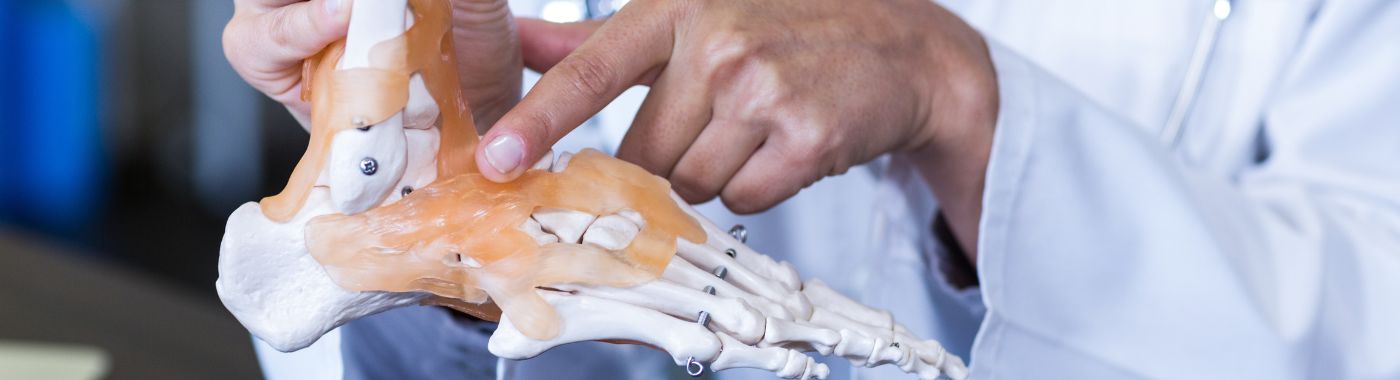
Penggantian pergelangan kaki, juga dikenal sebagai artroplasti pergelangan kaki total, adalah prosedur bedah yang dirancang untuk mengurangi rasa sakit dan mengembalikan fungsi sendi pergelangan kaki. Prosedur ini melibatkan pengangkatan tulang dan tulang rawan yang rusak dari pergelangan kaki dan menggantinya dengan komponen buatan, yang biasanya terbuat dari logam dan plastik. Tujuan utama penggantian pergelangan kaki adalah untuk mengurangi rasa sakit yang disebabkan oleh kondisi seperti radang sendi, sekaligus meningkatkan mobilitas dan kualitas hidup secara keseluruhan.
Sendi pergelangan kaki adalah struktur kompleks yang menghubungkan kaki dengan tungkai, memungkinkan berbagai gerakan penting untuk berjalan, berlari, dan aktivitas lainnya. Ketika sendi pergelangan kaki rusak karena cedera, keausan, atau penyakit degeneratif, hal itu dapat menyebabkan rasa sakit dan kecacatan yang signifikan. Penggantian pergelangan kaki bertujuan untuk memberikan solusi jangka panjang bagi individu yang menderita nyeri pergelangan kaki kronis, memungkinkan mereka untuk kembali ke aktivitas sehari-hari dengan lebih mudah.
Prosedur ini sangat bermanfaat bagi pasien yang belum mendapatkan kesembuhan melalui perawatan konservatif seperti pengobatan, fisioterapi, atau penggunaan penyangga. Penggantian pergelangan kaki biasanya direkomendasikan untuk individu dengan radang sendi pergelangan kaki yang parah, yang dapat disebabkan oleh berbagai kondisi, termasuk osteoartritis, rheumatoid arthritis, atau radang sendi pasca-trauma setelah cedera.
Mengapa Operasi Penggantian Pergelangan Kaki Dilakukan?
Penggantian pergelangan kaki dilakukan untuk mengatasi beberapa gejala dan kondisi yang melemahkan yang memengaruhi sendi pergelangan kaki. Alasan paling umum untuk menjalani prosedur ini adalah nyeri kronis yang secara signifikan memengaruhi kualitas hidup seseorang. Pasien mungkin mengalami nyeri terus-menerus selama aktivitas yang melibatkan beban tubuh, pembengkakan, kekakuan, dan berkurangnya rentang gerak pada pergelangan kaki. Gejala-gejala ini dapat menyulitkan untuk melakukan tugas sehari-hari, seperti berjalan, menaiki tangga, atau berpartisipasi dalam kegiatan rekreasi.
Kondisi yang biasanya menyebabkan rekomendasi penggantian pergelangan kaki meliputi:
- Osteoartritis: Penyakit sendi degeneratif ini terjadi ketika tulang rawan yang berfungsi sebagai bantalan sendi pergelangan kaki menipis seiring waktu, menyebabkan kontak antar tulang, nyeri, dan peradangan.
- Radang sendi: Artritis reumatoid adalah kondisi autoimun yang menyebabkan peradangan kronis pada persendian, yang dapat menyebabkan kerusakan dan deformitas sendi, sehingga penggantian pergelangan kaki menjadi pilihan yang tepat untuk meredakan gejalanya.
- Artritis Pasca Trauma: Setelah mengalami cedera pada pergelangan kaki, seperti patah tulang atau robekan ligamen, beberapa orang mungkin mengalami radang sendi pada persendian tersebut, yang mengakibatkan nyeri kronis dan disfungsi.
- Nekrosis Avaskular: Kondisi ini terjadi ketika suplai darah ke tulang terganggu, yang menyebabkan kematian tulang dan kerusakan sendi. Penggantian pergelangan kaki mungkin diperlukan untuk mengembalikan fungsi dan mengurangi rasa sakit.
Penggantian pergelangan kaki biasanya direkomendasikan ketika perawatan konservatif gagal memberikan perbaikan yang memadai. Dokter dapat menyarankan prosedur ini setelah mengevaluasi riwayat medis pasien, melakukan pemeriksaan fisik, dan meninjau studi pencitraan seperti rontgen atau MRI untuk menilai tingkat kerusakan sendi.
Indikasi untuk Penggantian Pergelangan Kaki
Beberapa situasi klinis dan temuan diagnostik dapat mengindikasikan bahwa seorang pasien merupakan kandidat yang tepat untuk penggantian pergelangan kaki. Hal ini meliputi:
- Sakit parah: Pasien yang mengalami nyeri kronis dan melemahkan pada pergelangan kaki yang mengganggu aktivitas sehari-hari, bahkan saat istirahat, dapat dipertimbangkan untuk menjalani penggantian pergelangan kaki.
- Rentang Gerak Terbatas: Penurunan signifikan pada kemampuan menggerakkan sendi pergelangan kaki, terutama selama aktivitas yang melibatkan beban tubuh, dapat mengindikasikan perlunya intervensi bedah.
- Deformitas Sendi: Kelainan bentuk yang terlihat pada sendi pergelangan kaki, seperti ketidaksejajaran atau posisi yang tidak normal, dapat mengindikasikan bahwa sendi tersebut telah memburuk hingga memerlukan penggantian.
- Kegagalan Perawatan Konservatif: Pasien yang telah mencoba pilihan non-bedah, termasuk fisioterapi, pengobatan, dan suntikan, tanpa merasakan perbaikan yang memadai, mungkin menjadi kandidat untuk penggantian pergelangan kaki.
- Temuan Pencitraan: Hasil rontgen atau MRI yang menunjukkan degenerasi sendi tingkat lanjut, taji tulang, atau kehilangan tulang rawan yang signifikan dapat mendukung keputusan untuk melanjutkan operasi penggantian pergelangan kaki.
- Usia dan Tingkat Aktivitas: Meskipun usia saja bukanlah faktor yang mendiskualifikasi, pasien yang lebih muda dan lebih aktif dapat dipertimbangkan untuk penggantian pergelangan kaki jika kualitas hidup mereka sangat terpengaruh oleh nyeri pergelangan kaki.
Pada akhirnya, keputusan untuk menjalani penggantian pergelangan kaki dibuat secara kolaboratif antara pasien dan ahli bedah ortopedi mereka, dengan mempertimbangkan kesehatan pasien secara keseluruhan, gaya hidup, dan kebutuhan spesifiknya.
Jenis-jenis Penggantian Pergelangan Kaki
Pada dasarnya ada dua jenis prosedur penggantian pergelangan kaki: penggantian pergelangan kaki total dan penggantian pergelangan kaki parsial.
- Penggantian Pergelangan Kaki Total: Ini adalah jenis prosedur penggantian pergelangan kaki yang paling umum. Prosedur ini melibatkan pengangkatan seluruh sendi pergelangan kaki yang rusak dan penggantiannya dengan sendi buatan. Penggantian pergelangan kaki total dirancang untuk meniru gerakan alami pergelangan kaki, memungkinkan peningkatan mobilitas dan pengurangan rasa sakit.
- Penggantian Sebagian Pergelangan Kaki: Dalam beberapa kasus, hanya sebagian dari sendi pergelangan kaki yang mungkin rusak. Penggantian sebagian pergelangan kaki melibatkan penggantian hanya bagian sendi yang terkena sambil mempertahankan tulang dan tulang rawan yang sehat. Pendekatan ini dapat bermanfaat bagi pasien dengan kerusakan lokal dan dapat menghasilkan pemulihan yang lebih cepat.
Kedua jenis prosedur penggantian pergelangan kaki bertujuan untuk mengembalikan fungsi dan mengurangi rasa sakit, tetapi pilihan antara penggantian total dan parsial bergantung pada tingkat kerusakan sendi dan kebutuhan spesifik pasien. Dokter bedah ortopedi akan mengevaluasi kondisi pasien dan merekomendasikan jenis penggantian pergelangan kaki yang paling tepat berdasarkan keadaan individu mereka.
Kontraindikasi untuk Penggantian Pergelangan Kaki
Operasi penggantian pergelangan kaki, meskipun bermanfaat bagi banyak pasien yang menderita radang sendi pergelangan kaki parah atau kerusakan sendi, tidak cocok untuk semua orang. Memahami kontraindikasi sangat penting bagi pasien dan penyedia layanan kesehatan untuk memastikan hasil terbaik. Berikut adalah beberapa kondisi dan faktor yang dapat membuat pasien tidak cocok untuk penggantian pergelangan kaki:
- Infeksi: Infeksi aktif di pergelangan kaki atau area sekitarnya dapat menimbulkan risiko signifikan selama dan setelah operasi. Penggantian pergelangan kaki membutuhkan lingkungan yang steril, dan infeksi yang ada dapat menyebabkan komplikasi.
- Kehilangan Tulang yang Parah: Pasien dengan kehilangan tulang yang signifikan atau kelainan bentuk pada sendi pergelangan kaki mungkin tidak memiliki cukup tulang sehat untuk menopang implan. Hal ini dapat menyebabkan ketidakstabilan dan kegagalan penggantian sendi.
- Obesitas: Kelebihan berat badan dapat memberikan tekanan tambahan pada sendi pergelangan kaki dan implan, sehingga meningkatkan risiko komplikasi. Dokter bedah sering merekomendasikan penurunan berat badan sebelum mempertimbangkan operasi.
- Sirkulasi yang Buruk: Kondisi yang memengaruhi aliran darah, seperti penyakit pembuluh darah perifer, dapat menghambat penyembuhan dan meningkatkan risiko komplikasi pasca operasi.
- Gangguan Neuromuskular: Pasien dengan kondisi yang memengaruhi kontrol otot atau fungsi saraf mungkin bukan kandidat yang ideal, karena masalah ini dapat berdampak pada rehabilitasi dan pemulihan.
- Alergi terhadap Bahan Implan: Beberapa pasien mungkin memiliki alergi terhadap logam atau bahan yang digunakan dalam implan pergelangan kaki. Riwayat medis yang lengkap dan pengujian alergi mungkin diperlukan.
- Kondisi Medis yang Tidak Terkendali: Kondisi kronis seperti diabetes, penyakit jantung, atau penyakit paru-paru yang tidak dikelola dengan baik dapat meningkatkan risiko pembedahan dan mempersulit pemulihan.
- Riwayat Operasi Pergelangan Kaki Sebelumnya: Pasien yang telah menjalani beberapa operasi pada pergelangan kaki mungkin memiliki jaringan parut atau komplikasi lain yang membuat penggantian menjadi lebih sulit.
- Pertimbangan Usia: Meskipun usia saja bukanlah kontraindikasi mutlak, pasien yang lebih muda mungkin disarankan untuk tidak menjalani penggantian pergelangan kaki karena potensi keausan implan dan kebutuhan operasi di masa mendatang.
- Sistem Dukungan yang Tidak Memadai: Sistem dukungan yang kuat sangat penting untuk pemulihan. Pasien yang tinggal sendirian atau kekurangan bantuan mungkin menghadapi tantangan selama proses rehabilitasi.
Cara Mempersiapkan Diri untuk Operasi Penggantian Pergelangan Kaki
Persiapan untuk operasi penggantian pergelangan kaki melibatkan beberapa langkah penting untuk memastikan prosedur dan pemulihan yang lancar. Berikut adalah hal-hal yang dapat diharapkan pasien menjelang operasi mereka:
- Konsultasi dengan Dokter Bedah: Langkah pertama adalah konsultasi menyeluruh dengan dokter bedah ortopedi. Ini termasuk membahas riwayat medis, obat-obatan yang sedang dikonsumsi, dan alergi apa pun. Dokter bedah akan menjelaskan prosedur, risiko, dan hasil yang diharapkan.
- Pengujian Pra Operasi: Pasien mungkin menjalani berbagai tes, termasuk tes darah, pemeriksaan pencitraan (seperti rontgen atau MRI), dan mungkin evaluasi jantung, terutama bagi mereka yang memiliki riwayat penyakit jantung sebelumnya. Tes-tes ini membantu menilai kesehatan secara keseluruhan dan kesiapan untuk operasi.
- Ulasan Pengobatan: Pasien harus memberikan daftar lengkap obat-obatan yang dikonsumsi, termasuk obat bebas dan suplemen. Dokter bedah mungkin menyarankan untuk menghentikan obat-obatan tertentu, seperti pengencer darah, untuk mengurangi risiko pendarahan selama operasi.
- Modifikasi Gaya Hidup: Pasien sering kali didorong untuk mengadopsi kebiasaan yang lebih sehat menjelang operasi. Ini mungkin termasuk berhenti merokok, mengurangi konsumsi alkohol, dan menjaga pola makan seimbang untuk mempercepat penyembuhan.
- Terapi fisik: Beberapa ahli bedah merekomendasikan fisioterapi pra-operasi untuk memperkuat otot-otot di sekitar pergelangan kaki dan meningkatkan rentang gerak. Hal ini dapat membantu pemulihan pasca-operasi.
- Persiapan di Rumah: Mempersiapkan rumah untuk pemulihan sangat penting. Pasien harus menciptakan lingkungan yang aman dengan menghilangkan bahaya tersandung, mengatur bantuan untuk aktivitas sehari-hari, dan memastikan bahwa barang-barang yang dibutuhkan mudah dijangkau.
- Pengaturan Transportasi: Karena pasien tidak akan bisa mengemudi segera setelah operasi, penting untuk mengatur transportasi ke dan dari rumah sakit.
- Memahami Prosedur: Pasien harus mempelajari prosedur penggantian pergelangan kaki, termasuk apa yang diharapkan pada hari operasi dan selama pemulihan. Pengetahuan ini dapat membantu mengurangi kecemasan dan mendorong pola pikir yang positif.
- Petunjuk Puasa: Pasien akan menerima instruksi khusus mengenai puasa sebelum operasi. Biasanya, ini berarti tidak makan atau minum apa pun setelah tengah malam sebelum prosedur.
- Sistem pendukung: Memiliki sistem dukungan yang andal sangatlah penting. Pasien harus mendiskusikan rencana pemulihan mereka dengan keluarga atau teman yang dapat membantu mereka selama fase penyembuhan awal.
Penggantian Pergelangan Kaki: Prosedur Langkah demi Langkah
Memahami proses penggantian pergelangan kaki langkah demi langkah dapat membantu mengurangi kekhawatiran dan mempersiapkan pasien untuk apa yang akan terjadi. Berikut adalah uraian prosedurnya:
- Persiapan Pra Operasi: Pada hari operasi, pasien akan tiba di rumah sakit atau pusat bedah. Mereka akan melakukan pendaftaran, dan seorang perawat akan meninjau riwayat medis dan formulir persetujuan operasi mereka. Selang infus (IV) akan dipasang untuk memberikan obat-obatan dan cairan.
- Anestesi: Pasien akan menerima anestesi, yang mungkin berupa anestesi umum (membuat mereka tertidur) atau anestesi regional (membius bagian bawah kaki). Pilihan anestesi akan bergantung pada rekomendasi dokter bedah dan kondisi kesehatan pasien.
- Irisan: Setelah pasien dibius, ahli bedah akan membuat sayatan di bagian depan atau samping pergelangan kaki untuk mengakses sendi. Ukuran dan lokasi sayatan dapat bervariasi tergantung pada teknik pembedahan yang digunakan.
- Persiapan Bersama: Dokter bedah akan dengan hati-hati mengangkat tulang rawan dan tulang yang rusak dari sendi pergelangan kaki. Langkah ini sangat penting untuk memastikan bahwa implan terpasang dengan benar dan berfungsi secara efektif.
- Penempatan Implan: Setelah mempersiapkan sendi, ahli bedah akan memposisikan implan pergelangan kaki. Implan biasanya terdiri dari komponen logam yang menggantikan tibia (tulang kering) dan komponen plastik yang menggantikan talus (tulang pergelangan kaki). Ahli bedah akan memastikan bahwa implan terpasang dengan aman dan sejajar dengan benar.
- Penutupan: Setelah implan terpasang, ahli bedah akan menutup sayatan menggunakan jahitan atau staples. Perban steril akan dipasang untuk melindungi area operasi.
- Ruang Pemulihan: Setelah prosedur selesai, pasien akan dipindahkan ke ruang pemulihan di mana mereka akan dipantau saat sadar dari anestesi. Staf medis akan memeriksa tanda-tanda vital dan menangani rasa sakit yang mungkin timbul.
- Perawatan Pasca Operasi: Pasien akan menerima petunjuk tentang cara merawat lokasi operasi, mengelola nyeri, dan memulai rehabilitasi. Terapi fisik dapat dimulai segera setelah operasi untuk meningkatkan mobilitas dan kekuatan.
- Menginap di Rumah Sakit: Tergantung pada kasus masing-masing, pasien mungkin akan dirawat di rumah sakit selama satu hingga tiga hari. Selama waktu ini, mereka akan menerima perawatan untuk mengatasi rasa sakit dan memulai terapi fisik.
- Janji Tindak Lanjut: Setelah keluar dari rumah sakit, pasien akan menjalani pemeriksaan lanjutan dengan dokter bedah mereka untuk memantau penyembuhan, melepaskan jahitan jika perlu, dan menilai fungsi implan.
Risiko dan Komplikasi Penggantian Pergelangan Kaki
Seperti halnya prosedur bedah lainnya, penggantian pergelangan kaki membawa risiko dan potensi komplikasi tertentu. Meskipun banyak pasien mengalami pengurangan rasa sakit yang signifikan dan peningkatan mobilitas, penting untuk menyadari risiko umum dan langka yang terkait dengan operasi ini:
- Risiko Umum:
- Infeksi: Salah satu risiko yang paling umum, infeksi dapat terjadi di lokasi operasi. Perawatan luka dan kebersihan yang tepat sangat penting untuk meminimalkan risiko ini.
- Pembekuan Darah: Pasien mungkin berisiko mengalami trombosis vena dalam (DVT), suatu kondisi di mana gumpalan darah terbentuk di kaki. Tindakan pencegahan, seperti pengencer darah dan mobilisasi dini, sering diterapkan.
- Nyeri dan Pembengkakan: Nyeri dan pembengkakan pasca operasi adalah hal normal dan dapat diatasi dengan obat-obatan dan istirahat.
- Kekakuan: Beberapa pasien mungkin mengalami kekakuan pada sendi pergelangan kaki, yang dapat membaik dengan terapi fisik dan seiring waktu.
- Risiko yang Kurang Umum:
- Kegagalan Implan: Meskipun jarang terjadi, implan dapat longgar atau gagal seiring waktu, sehingga memerlukan operasi revisi.
- Kerusakan Saraf: Terdapat risiko kecil cedera saraf selama operasi, yang dapat menyebabkan mati rasa atau kelemahan pada kaki.
- Fraktur: Dalam beberapa kasus, fraktur dapat terjadi di sekitar implan, terutama pada pasien dengan tulang yang lemah.
- Reaksi Alergi: Beberapa pasien mungkin mengalami reaksi alergi terhadap bahan yang digunakan dalam implan, yang dapat menyebabkan komplikasi.
- Resiko Langka:
- Komplikasi Anestesi: Meskipun jarang terjadi, komplikasi yang berkaitan dengan anestesi dapat terjadi, termasuk masalah pernapasan atau reaksi alergi.
- Nyeri Kronis: Sebagian kecil pasien mungkin mengalami nyeri kronis setelah operasi, yang dapat menjadi tantangan untuk dikelola.
- Ketidakstabilan Sendi: Dalam kasus yang jarang terjadi, pergelangan kaki dapat menjadi tidak stabil setelah penggantian sendi, yang menyebabkan kesulitan berjalan atau peningkatan risiko jatuh.
- Pertimbangan Jangka Panjang: Pasien harus menyadari bahwa meskipun penggantian pergelangan kaki dapat secara signifikan meningkatkan kualitas hidup, masa pakai implan dapat bervariasi. Pemeriksaan tindak lanjut secara berkala sangat penting untuk memantau kondisi implan dan kesehatan sendi secara keseluruhan.
Pemulihan Setelah Operasi Penggantian Pergelangan Kaki
Proses pemulihan setelah operasi penggantian pergelangan kaki sangat penting untuk mencapai hasil optimal dan mendapatkan kembali mobilitas. Jangka waktu pemulihan yang diharapkan dapat bervariasi dari pasien ke pasien, tetapi secara umum, dapat dibagi menjadi beberapa fase.
- Fase Pasca Operasi Segera (0-2 Minggu): Pada beberapa hari pertama setelah operasi, pasien biasanya akan dirawat di rumah sakit untuk pemantauan. Pengelolaan nyeri adalah prioritas, dan obat-obatan akan diresepkan untuk membantu mengatasi ketidaknyamanan. Selama waktu ini, pasien akan dianjurkan untuk mengangkat kaki mereka untuk mengurangi pembengkakan.
- Minggu 2-6: Setelah periode pemulihan awal, pasien biasanya akan beralih ke program rehabilitasi. Terapi fisik sering dimulai sekitar dua minggu setelah operasi, dengan fokus pada latihan rentang gerak ringan. Pasien mungkin disarankan untuk menggunakan kruk atau alat bantu jalan untuk menghindari pemberian beban pada pergelangan kaki. Secara bertahap, aktivitas yang melibatkan beban akan diperkenalkan seiring dengan kemajuan penyembuhan.
- Minggu 6-12: Setelah enam minggu, banyak pasien dapat mulai menopang berat badan pada pergelangan kaki yang dioperasi dengan bantuan sepatu bot atau penyangga. Terapi fisik akan menjadi lebih intensif, berfokus pada latihan penguatan dan peningkatan keseimbangan. Sebagian besar pasien dapat kembali melakukan aktivitas sehari-hari yang ringan pada akhir fase ini.
- Bulan 3-6: Seiring berjalannya pemulihan, pasien akan merasakan peningkatan signifikan dalam mobilitas dan tingkat nyeri. Setelah tiga bulan, banyak individu dapat melanjutkan sebagian besar aktivitas normal, termasuk mengemudi, tergantung pada tingkat kenyamanan mereka dan saran dokter bedah. Pemulihan penuh dapat memakan waktu hingga enam bulan, dengan banyak pasien mencapai fungsi yang hampir normal.
Tips Perawatan Setelahnya:
- Pemeriksaan Lanjutan: Pemeriksaan rutin dengan ahli bedah Anda sangat penting untuk memantau penyembuhan dan mengatasi masalah apa pun.
- Terapi Fisik: Menjalani program terapi fisik yang telah ditentukan sangat penting untuk memulihkan kekuatan dan mobilitas.
- Pengelolaan Nyeri: Terus kelola nyeri dengan obat-obatan yang diresepkan dan ikuti rekomendasi dokter Anda.
- Pola Makan dan Hidrasi: Pertahankan pola makan seimbang yang kaya vitamin dan mineral untuk mendukung penyembuhan. Menjaga tubuh tetap terhidrasi sama pentingnya.
- Hindari Aktivitas Berisiko Tinggi: Aktivitas yang memberikan tekanan berlebihan pada pergelangan kaki harus dihindari selama fase pemulihan awal.
Manfaat Penggantian Pergelangan Kaki
Operasi penggantian pergelangan kaki menawarkan banyak manfaat yang secara signifikan meningkatkan kualitas hidup pasien. Berikut beberapa peningkatan kesehatan utama yang terkait dengan prosedur ini:
- Pereda sakit: Salah satu manfaat paling langsung dari penggantian pergelangan kaki adalah pengurangan atau penghapusan nyeri kronis yang disebabkan oleh artritis atau kondisi degeneratif lainnya. Pasien sering melaporkan penurunan ketidaknyamanan yang signifikan, memungkinkan mereka untuk melakukan aktivitas sehari-hari tanpa hambatan.
- Peningkatan Mobilitas: Setelah pemulihan, banyak pasien mengalami peningkatan mobilitas. Sendi baru memungkinkan gerakan yang lebih lancar, sehingga memudahkan untuk berjalan, menaiki tangga, dan berpartisipasi dalam kegiatan rekreasi.
- Pemulihan Fungsi: Penggantian pergelangan kaki dapat mengembalikan fungsi sendi yang sebelumnya rusak, memungkinkan pasien untuk kembali melakukan aktivitas yang mungkin mereka hindari karena rasa sakit atau keterbatasan mobilitas.
- Hasil Tahan Lama: Implan pengganti pergelangan kaki modern dirancang untuk bertahan selama bertahun-tahun, memberikan solusi tahan lama bagi pasien yang menderita masalah pergelangan kaki yang parah.
- Peningkatan Kualitas Hidup: Dengan berkurangnya rasa sakit dan meningkatnya mobilitas, pasien sering kali menemukan kembali rasa kemandirian dan kemampuan untuk menikmati hidup dengan lebih penuh. Hal ini dapatMeningkatkan kesehatan mental dan kesejahteraan secara keseluruhan.
Biaya Operasi Penggantian Pergelangan Kaki di India
Biaya rata-rata operasi penggantian pergelangan kaki di India berkisar antara ₹2,00,000 hingga ₹4,00,000. Untuk perkiraan yang tepat, hubungi kami hari ini.
Pertanyaan yang Sering Diajukan (FAQ) Tentang Penggantian Pergelangan Kaki
Apa yang sebaiknya saya makan sebelum operasi penggantian pergelangan kaki?
Sebelum operasi, fokuslah pada diet seimbang yang kaya akan buah-buahan, sayuran, protein tanpa lemak, dan biji-bijian utuh. Hindari makan berat dan alkohol pada malam sebelumnya. Menjaga tubuh tetap terhidrasi juga sangat penting. Diskusikan batasan diet khusus apa pun dengan dokter bedah Anda.
Berapa lama saya akan dirawat di rumah sakit setelah operasi?
Sebagian besar pasien dirawat di rumah sakit selama 1 hingga 3 hari pasca operasi, tergantung pada kemajuan pemulihan dan komplikasi yang mungkin terjadi. Dokter bedah Anda akan memberikan panduan berdasarkan situasi individual Anda.
Jenis anestesi apa yang digunakan selama prosedur?
Operasi penggantian pergelangan kaki biasanya dilakukan di bawah anestesi umum atau anestesi regional (blok saraf). Dokter anestesi Anda akan mendiskusikan pilihan terbaik untuk Anda sebelum operasi.
Kapan saya bisa memulai fisioterapi setelah operasi?
Terapi fisik biasanya dimulai dalam dua minggu pertama setelah operasi. Dokter bedah Anda akan memberikan instruksi khusus tentang kapan harus memulai dan latihan apa yang perlu difokuskan.
Berapa lama saya perlu menggunakan kruk atau alat bantu jalan?
Sebagian besar pasien akan menggunakan kruk atau alat bantu jalan selama sekitar 4 hingga 6 minggu setelah operasi, tergantung pada kemajuan penyembuhan mereka. Terapis fisik Anda akan membimbing Anda tentang kapan aman untuk beralih ke berjalan tanpa bantuan.
Apakah saya bisa mengemudi setelah menjalani operasi penggantian pergelangan kaki?
Mengemudi umumnya tidak disarankan sampai Anda dapat mengoperasikan kendaraan dengan aman tanpa rasa sakit atau masalah mobilitas, yang dapat memakan waktu beberapa minggu. Konsultasikan dengan dokter bedah Anda untuk mendapatkan saran yang sesuai dengan kebutuhan Anda.
Apa saja tanda-tanda infeksi yang harus saya waspadai?
Tanda-tanda infeksi meliputi peningkatan kemerahan, pembengkakan, rasa hangat di sekitar lokasi sayatan, demam, atau keluarnya cairan. Jika AndaA memperhatikan salah satu gejala ini, segera hubungi penyedia layanan kesehatan Anda.
Apakah saya perlu melakukan perubahan gaya hidup setelah operasi?
Meskipun banyak pasien kembali ke aktivitas normal mereka, beberapa mungkin perlu menghindari olahraga berdampak tinggi atau aktivitas yang memberi tekanan berlebihan pada pergelangan kaki. Diskusikan perubahan gaya hidup yang diperlukan dengan dokter bedah Anda.
Berapa lama implan tersebut bertahan?
Implan pergelangan kaki modern dirancang untuk bertahan 10 hingga 20 tahun atau lebih, tergantung pada faktor-faktor seperti tingkat aktivitas dan kesehatan secara keseluruhan. Pemeriksaan rutin dengan dokter bedah Anda dapat membantu memantau kondisi implan.
Apakah ada risiko pembekuan darah setelah operasi?
Ya, ada risiko pembekuan darah setelah operasi apa pun. Dokter Anda mungkin akan meresepkan obat pengencer darah atau merekomendasikan olahraga untuk mengurangi risiko ini. Ikuti saran mereka dengan saksama.
Apa yang harus saya lakukan jika saya merasakan nyeri parah setelah operasi?
Jika Anda mengalami nyeri hebat yang tidak mereda dengan obat-obatan yang diresepkan, hubungi penyedia layanan kesehatan Anda. Mereka dapat menilai situasi Anda dan menentukan apakah diperlukan intervensi lebih lanjut.
Dapatkah saya minum obat rutin saya setelah operasi?
Diskusikan semua obat-obatan Anda dengan dokter bedah sebelum operasi. Beberapa obat mungkin perlu dihentikan sementara atau disesuaikan sekitar waktu prosedur.
Bagaimana saya bisa mengatasi pembengkakan setelah operasi?
Untuk mengatasi pembengkakan, angkat kaki Anda, kompres dengan es sesuai anjuran, dan ikuti saran dokter bedah Anda mengenai tingkat aktivitas. Kaus kaki kompresi juga dapat membantu.
Jenis sepatu apa yang sebaiknya saya kenakan setelah pemulihan?
Setelah pemulihan, kenakan sepatu yang menopang dan memberikan stabilitas serta bantalan. Hindari sepatu hak tinggi atau sepatu yang kurang menopang. Terapis fisik Anda dapat merekomendasikan alas kaki yang sesuai.
Apakah anak-anak bisa menjalani operasi penggantian pergelangan kaki?
Operasi penggantian pergelangan kaki umumnya tidak dilakukan pada anak-anak, karena tulang mereka masih dalam masa pertumbuhan. Pasien anak dengan masalah pergelangan kaki mungkin memerlukan perawatan yang berbeda. Konsultasikan dengan spesialis ortopedi anak untuk mendapatkan panduan.
Seberapa besar kemungkinan perlu dilakukan operasi revisi?
Meskipun sebagian besar penggantian pergelangan kaki berhasil, beberapa pasien mungkin memerlukan operasi revisi karena keausan atau komplikasi. Pemeriksaan rutin dapat membantu memantau kondisi implan.
Bagaimana saya dapat mempersiapkan rumah saya untuk pemulihan?
Persiapkan rumah Anda dengan menghilangkan bahaya tersandung, memastikan akses mudah ke kebutuhan pokok, dan menyiapkan area pemulihan yang nyaman. Pertimbangkan untuk mengatur bantuan untuk tugas-tugas harian selama fase pemulihan awal.
Apakah saya akan membutuhkan bantuan di rumah setelah operasi?
Banyak pasien mendapat manfaat dari kehadiran seseorang yang membantu mereka di rumah selama beberapa minggu pertama setelah operasi. Hal ini dapat membantu dalam hal mobilitas, persiapan makanan, dan aktivitas harian lainnya.
Aktivitas apa yang harus saya hindari selama pemulihan?
Hindari aktivitas berdampak tinggi, seperti berlari atau melompat, selama fase pemulihan awal. Ikuti petunjuk dokter bedah Anda tentang kapan harus secara bertahap memperkenalkan kembali aktivitas.
Bagaimana saya bisa memastikan pemulihan yang sukses?
Untuk memastikan pemulihan yang sukses, ikuti petunjuk pascaoperasi dari dokter bedah Anda, hadiri semua janji temu tindak lanjut, ikuti terapi fisik, dan pertahankan gaya hidup sehat.
Kesimpulan
Operasi penggantian pergelangan kaki dapat secara signifikan meningkatkan kualitas hidup bagi individu yang menderita nyeri pergelangan kaki kronis dan masalah mobilitas. Dengan pemulihan dan rehabilitasi yang tepat, pasien dapat berharap untuk mendapatkan kembali fungsi dan menikmati gaya hidup yang lebih aktif. Jika Anda mempertimbangkan prosedur ini, sangat penting untuk berkonsultasi dengan profesional medis untuk membahas pilihan Anda dan mengembangkan rencana perawatan yang dipersonalisasi.


 Rumah Sakit Terbaik di Dekat Saya di Chennai


