


Apollon toimituskunnan tarkastama
Nopea vastaus
A pancreatectomy is surgery to remove part or all of the pancreas. It is done for pancreatic tumours, some cysts, chronic pancreatitis and injuries. The type of operation depends on where the problem lies in the gland. Removing pancreatic tissue can affect blood sugar control and digestion, so some people need long-term treatment for diabetes and digestive enzyme capsules with meals afterwards.
| Tärkeimmät tosiasiat | Lisätiedot |
|---|---|
| Mikä se on | Surgical removal of part or all of the pancreas |
| Päätyypit | Whipple procedure, distal, central and total pancreatectomy |
| Kuka sen suorittaa | Surgeon trained in pancreatic (hepato-pancreato-biliary) surgery |
| nukutus | General anaesthesia; open, laparoscopic or robot-assisted approach |
| Sairaalahoito | Often one to two weeks, longer if complications occur |
| Pitkän aikavälin vaikutukset | Possible diabetes and need for enzyme replacement |

What is a pancreatectomy?
The pancreas is a soft gland that lies deep in the upper abdomen, behind the stomach. It has a head, a neck, a body and a tail. It does two jobs. It makes digestive juices that break down food, especially fat, and it makes hormones such as insulin that control blood sugar. In a pancreatectomy, the surgeon removes the diseased part of the gland, and sometimes nearby organs that share its blood supply, then restores the flow of food and digestive juices.
Other names for pancreatectomy
- Pancreas removal surgery
- Haiman resektio
- Partial pancreatectomy
- Haiman leikkaus
Types of pancreatectomy
The type is chosen according to the position and nature of the disease. Each has its own detailed page.
| Tyyppi | Mikä se on | Kun sitä käytetään |
|---|---|---|
| Whipplen toimenpide (pankreatoduodenektomia) | Removal of the head of the pancreas with the duodenum, gallbladder and part of the bile duct | Tumours and other disease in the head of the pancreas |
| Laparoscopic Whipple procedure | The same operation done through keyhole cuts | Selected patients, in centres with this experience |
| Distaalinen haimanpoisto | Removal of the body and tail, often with the spleen | Disease in the body or tail |
| Distal pancreatectomy with splenic preservation | Removal of the body and tail while keeping the spleen | Benign or low-risk growths in the tail |
| Central pancreatectomy | Removal of only the middle section, keeping the head and tail | Small benign or low-risk growths in the neck or body |
| Täydellinen haiman poisto | Removal of the whole pancreas | Disease involving the whole gland |
| Total pancreatectomy with islet autotransplantation | Whole gland removal, after which the person's own insulin-producing cells are returned to the liver | Selected people with severe chronic pancreatitis |
| Laparoscopic pancreatectomy | Keyhole approach to removing part of the pancreas | Mostly distal operations in suitable patients |
Some centres also offer robotic pancreatic surgery. Very small benign growths may be shelled out without removing gland tissue, which is called enukleaatio.
Why is a pancreatectomy done?
- Haimasyöpä and cancers of nearby structures, when the tumour can be removed
- Neuroendocrine tumours of the pancreas
- A haiman kysta that is precancerous or suspicious
- Krooninen haimatulehdus with severe pain that has not responded to other treatment
- Serious injury to the pancreas
Not every pancreatic tumour can be removed. Surgery is usually not advised when cancer has spread to other organs. A team of specialists reviews the scans before deciding.
How is a pancreatectomy done?
Preparation includes blood tests, a CT or MRI scan, sometimes an endoscopic ultrasound, and a fitness and anaesthesia check. Tell your team about all your medicines, especially blood thinners and diabetes medicines. The general steps are:
- Anestesia: You are given general anaesthesia.
- Access: The surgeon makes one larger cut (open surgery) or several small cuts for a camera and instruments (laparoscopic or robot-assisted surgery).
- Poistaminen: The planned part of the pancreas is separated from blood vessels and nearby organs and removed.
- Jälleenrakennus: Where needed, the remaining pancreas, bile duct and stomach or intestine are joined again.
- Sulkeminen: Drains are usually placed and the wound is closed.
Risks of pancreatectomy
This is major surgery and complications are fairly common, although most can be treated. They include:
- Leak of pancreatic juice from the cut surface or a join (pancreatic fistula)
- Bleeding and infection, including collections of fluid in the abdomen
- Slow emptying of the stomach, causing nausea and vomiting for a time
- Blood clots, and chest or heart problems
- Diabetes, or worsening of existing diabetes
- Poor digestion of food, with loose, oily stools and weight loss
- A higher lifelong risk of certain infections if the spleen is removed, which is why vaccines are advised
Diabetes and digestion after pancreatectomy
The more gland that is removed, the greater the effect. After a total pancreatectomy the body makes no insulin, so injections to control blood sugar and regular blood sugar checks are needed for life. This form of diabetes is described on our page on type 3c diabetes. After a partial operation, some people develop diabetes and others do not. If the remaining gland cannot make enough digestive juice, a condition called eksokriininen haiman vajaatoiminta, enzyme capsules are taken with meals and snacks, and vitamin supplements may be advised.
Recovery after pancreatectomy
You may spend the first day or two in an intensive care or high-dependency unit. Eating restarts gradually and drains are removed when the fluid settles. At home, tiredness can last for weeks, and full recovery often takes two to three months. A dietitian will advise on small, frequent meals.
Milloin hakea lääkärin apua
- Kuume tai vilunväristykset
- Lisääntyvä vatsakipu tai turvotus
- Punoitusta tai vuotoa haavasta
- Vomiting that does not settle, or being unable to eat or drink
- Silmien tai ihon keltaisuus
- Very high or very low blood sugar readings
What is the cost of pancreatectomy in India?
- The type of pancreatectomy and how complex it is
- Avoin, laparoskooppinen tai robottiavusteinen lähestymistapa
- Length of stay in intensive care and in hospital
- Tests, scans and laboratory examination of the removed tissue
- Minkä tahansa komplikaatioiden hoito
- Kaupunki, sairaala ja huoneen tyyppi
Hinnat vaihtelevat henkilöstä toiseen. Tarkista todelliset hinnat sairaalasta.
Health insurance often covers medically necessary pancreatic surgery, so check your policy terms with your insurer.
Why choose Apollo Hospitals for pancreatectomy?
- Surgeons experienced in pancreatic and hepato-pancreato-biliary surgery
- Gastroenterology, oncology, radiology, anaesthesia and intensive care working together
- Diabetes and nutrition support after surgery
Availability differs between centres. Please check with the hospital. To discuss your condition, you can varaa aika kirurgille Apollon sairaaloissa.
Questions to ask your doctor about pancreatectomy
- Which type of pancreatectomy do I need, and why?
- Can it be done by a keyhole approach in my case?
- How likely am I to develop diabetes afterwards?
- Will I need enzyme capsules with meals?
- Will my spleen be removed, and which vaccines will I need?
- Tarvitsenko lisähoitoa leikkauksen jälkeen?
UKK
1. Can you live without a pancreas?
Yes, but it needs lifelong treatment. After the whole gland is removed, you will need injections to control blood sugar, regular blood sugar checks and enzyme capsules with every meal.
2. Will I get diabetes after a pancreatectomy?
After a total pancreatectomy, yes. After a partial operation it depends on how much gland is left and how healthy it is.
3. What is the difference between a Whipple procedure and a distal pancreatectomy?
A Whipple procedure removes the head of the pancreas with nearby organs and needs several new joins. A distal pancreatectomy removes the body and tail, often with the spleen.
4. Is pancreatectomy a major surgery?
Yes. It is among the larger abdominal operations.
5. Why is the spleen sometimes removed?
The tail of the pancreas lies next to the spleen and shares its blood vessels. For cancer, the spleen is usually removed to clear nearby lymph nodes. For benign disease it can often be kept.
6. Do I need a special diet after pancreatectomy?
Most people do best with small, frequent meals and enough protein. If you need enzyme capsules, take them with food as advised. A dietitian will guide you.
7. Does pancreatectomy cure pancreatic cancer?
Surgery offers the best chance of long-term control when the tumour can be fully removed, but cancer can return. Other treatments are often advised as well.
8. Which doctor performs a pancreatectomy?
A surgical gastroenterologist, hepato-pancreato-biliary surgeon or surgical oncologist with training in pancreatic surgery performs it.
Yhteenveto
Pancreatectomy covers a group of operations that remove part or all of the pancreas. The right type depends on where the disease lies, and each carries its own effects on digestion and blood sugar. Read the page for the operation suggested to you and discuss the benefits, risks and long-term care with your surgical team.
Tämä sivu on tarkoitettu yleiseksi tiedoksi eikä korvaa lääkärin neuvoja. Hoitopäätökset tulee tehdä pätevän asiantuntijan kanssa, joka tuntee sairaushistoriasi.
Viimeksi lisätyt


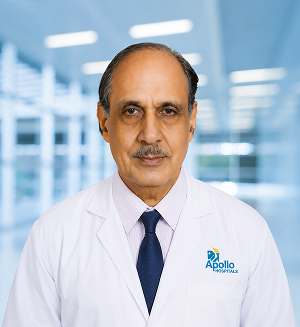
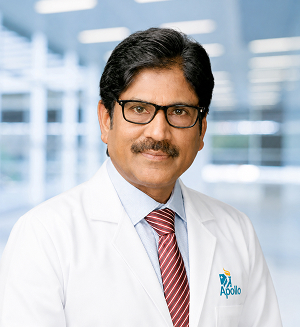
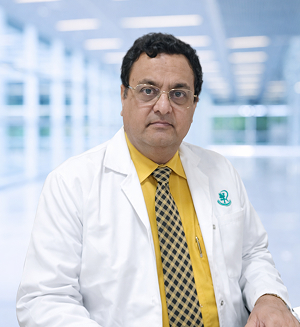
Yleiskirurgit Apollo-sairaaloissa








Disclaimer:
Tämän sivun tiedot on tarkoitettu vain yleisiin tiedotus- ja koulutustarkoituksiin. Vaikka pyrimme kohtuullisin keinoin varmistamaan, että tiedot ovat tarkkoja, luotettavia ja että niitä tarkistetaan säännöllisesti, niitä ei tule pitää ammattimaisen lääketieteellisen neuvonnan, diagnoosin tai hoidon korvikkeena.
Lääketieteellisen toimenpiteen sopivuus sekä sen hyödyt, riskit, valmistelu, toipuminen, mahdolliset komplikaatiot ja odotetut tulokset voivat vaihdella henkilöstä toiseen. Terveydenhuollon ammattilainen määrittää toimenpiteen sopivuuden yksilöllisen tilasi ja sairaushistoriasi perusteella.
Kysy henkilökohtaisia neuvoja pätevältä terveydenhuollon ammattilaiselta ennen kuin teet päätöksiä mistään lääketieteellisestä toimenpiteestä.
Lisätietoja lääketieteellisen sisällön luomisesta, tarkistamisesta, päivittämisestä ja ylläpidosta on [toimituksellisessa käytännössämme].




