


Suora vastaus
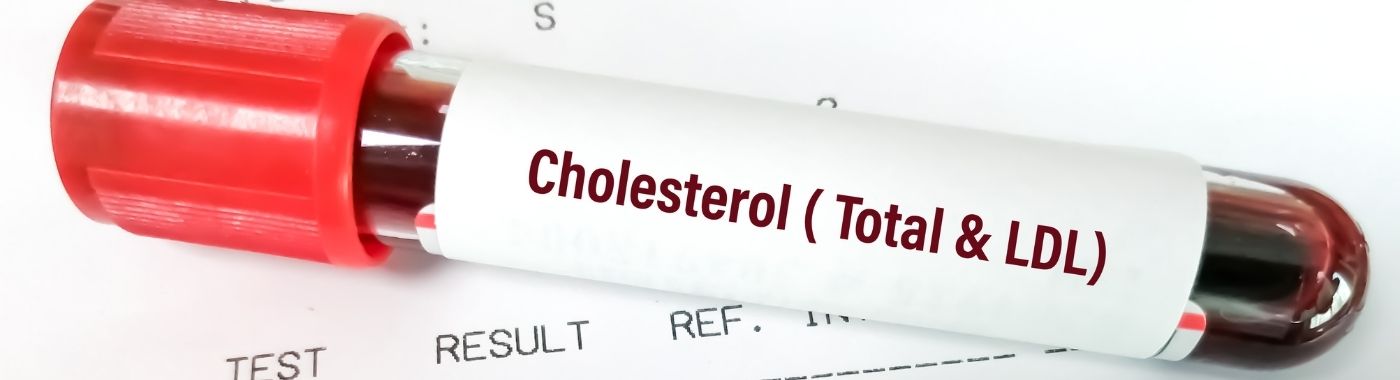
A cholesterol test, commonly called a lipid profile or lipid panel, is a blood test that measures total cholesterol, LDL cholesterol, HDL cholesterol and triglycerides. The lipid profile helps estimate cardiovascular risk and monitor treatment. The cholesterol test does not image arteries and cannot confirm or exclude blocked coronary arteries.
Avaimet
- Measures lipids, not arteries: the lipid profile reports blood fat levels; it does not show plaque or narrowing.
- Numbers are risk markers, not diagnoses: targets differ by your overall risk, not by a single universal "normal".
- Fasting is often unnecessary: many units now accept non-fasting samples; your unit's instruction takes precedence.
- Results can mislead: acute illness, recent infection, pregnancy, thyroid disease and very high triglycerides all shift values.
- South Asians develop metabolic and cardiovascular disease at lower body weight, so a "normal-looking" report still needs clinical interpretation.
Yhdellä silmäyksellä
| Ominaisuus | Yksityiskohta |
|---|---|
| Testityyppi | Venous blood test (sometimes fingerprick for screening) |
| Usually reported components | Total cholesterol, LDL cholesterol, HDL cholesterol, triglycerides; often non-HDL cholesterol and VLDL |
| Units in India | mg/dL (mmol/L in some labs) |
| Paasto | Often not required; fasting may be requested if triglycerides are the focus, follow your unit |
| Verenottoaika | Roughly 2-5 minutes; total visit commonly 10-20 minutes including registration and waiting |
| Mitä se ei voi tehdä | Cannot visualise coronary arteries, cannot exclude heart disease, cannot diagnose a heart attack |
| Interpreted by | The doctor who requested the test, alongside blood pressure, sugar, smoking status, family history and clinical findings |
Tunnetaan myös
- Lipid profile / lipid panel / lipid profile test
- Cholesterol blood test
- "Cholesterol test" in everyday speech; often asked for as "cholesterol check" or "fat test"
- Fasting lipid profile (FLP) when a fasting sample is specifically requested
- Hindi/vernacular usage: cholesterol ki jaanch, charbi ki jaanch
What the cholesterol test is
Cholesterol is a fat-like substance needed for cell membranes, bile acids, vitamin D and steroid hormones. Cholesterol travels in the blood inside particles called lipoproteins. The lipid profile measures how much cholesterol and triglyceride is carried in these particles.
- Kokonaiskolesteroli: the sum of cholesterol carried in all lipoprotein particles.
- LDL-kolesteroli: cholesterol carried in low-density lipoprotein. LDL particles deposit cholesterol in artery walls; higher lifetime LDL exposure is causally linked to atherosclerotic disease. In many labs LDL is calculated rather than directly measured.
- HDL-kolesteroli: cholesterol in high-density lipoprotein. Lower HDL is associated with higher risk, but raising HDL with drugs has not been shown to reduce events, so HDL is a marker rather than a treatment target.
- Triglyseridit: the main storage fat in blood, strongly influenced by recent meals, alcohol, uncontrolled diabetes and genetics.
- Ei-HDL-kolesteroli: total cholesterol minus HDL. Non-HDL is useful when triglycerides are high or the sample is non-fasting.
Calling LDL "bad" and HDL "good" is a rough shorthand. It is more accurate to say that cholesterol-carrying particles which enter the artery wall drive disease, and that risk depends on the whole clinical picture.
Why the cholesterol test is done
- Cardiovascular risk estimation: lipid values feed into risk assessment alongside age, sex, blood pressure, diabetes and smoking.
- Monitoring lipid-lowering treatment: to see the response to statins or other therapy prescribed by your doctor.
- Assessment alongside other conditions: diabetes, chronic kidney disease, hypothyroidism, polycystic ovary syndrome (PCOS; PCOD is the same condition, not a separate disease), and steatotic liver disease including MASLD.
- Investigating suspected familial hypercholesterolaemia when cholesterol is very high, there are tendon xanthomas, corneal arcus at a young age, or early heart disease in close relatives.
- Investigating very high triglycerides, which can contribute to acute pancreatitis.
Who should get a cholesterol test
- Adults with no known heart disease: a baseline lipid profile in early adulthood, with repeat testing at intervals decided by your doctor based on your risk. Fixed intervals quoted online do not apply to everyone.
- People with diabetes, high blood pressure, chronic kidney disease or obesity.
- Smokers and users of smokeless tobacco.
- Anyone with a family history of early heart attack, stroke or very high cholesterol, especially a parent or sibling affected before about age 55 (men) or 65 (women).
- People already on lipid-lowering treatment, seurantaa varten.
- Lapset ja nuoret only when there is a specific indication, a strong family history, suspected familial hypercholesterolaemia, or a relevant metabolic condition. Routine paediatric cholesterol screening is not universal practice.
- South Asian adults: discuss earlier assessment with your doctor, as metabolic and cardiovascular risk appears at lower BMI and waist circumference than in many other populations.
What the cholesterol test cannot detect or exclude
- Cannot see your arteries. The lipid profile gives no information about plaque, narrowing or blood flow. Normal cholesterol does not exclude coronary artery disease; a substantial proportion of people with heart attacks have unremarkable lipid values.
- Cannot diagnose or exclude a heart attack. Chest pain requires clinical assessment, ECG and cardiac troponin, not a lipid profile.
- Cannot measure lipoprotein(a) or apolipoprotein B unless these are specifically ordered. Lipoprotein(a) is largely genetically determined and can raise risk even when the standard lipid profile looks acceptable.
- Cannot identify the cause of an abnormal result. High cholesterol may be genetic, dietary, or secondary to hypothyroidism, kidney disease, liver disease, alcohol or certain medicines.
- Cannot confirm a genetic diagnosis. Familial hypercholesterolaemia is suspected on lipid values and family history, and confirmed by specialist clinical criteria and genetic testing.
- Cannot predict an individual event. Risk estimation describes probability across groups, not certainty for one person.
A negative or normal-looking lipid profile means abnormal lipids were not identified in that sample. It does not mean heart disease has been excluded. If symptoms such as exertional chest discomfort, breathlessness or palpitations persist despite a normal report, return to your doctor.
Related but different tests, and how they compare
These tests answer different questions. None is universally superior, and which one comes first depends on the clinical problem, screening an asymptomatic adult, investigating chest pain, or working up very high triglycerides.
| Testi | Kysymys, johon se vastaa | Avaimen rajoitus |
|---|---|---|
| Lipid profile (cholesterol test) | How much cholesterol and triglyceride is circulating? | Says nothing about the arteries themselves |
| Apolipoproteiini B | How many atherogenic particles are present? | Not offered by every lab; not required for most routine assessments |
| Lipoproteiini (a) | Is there a largely inherited, independent lipid risk factor? | Usually measured once; no widely established lowering therapy in routine practice |
| hs-CRP | Is there low-grade inflammation that may refine risk? | Non-specific; rises with any infection or inflammation |
| EKG | Is the current electrical activity of the heart abnormal? | A normal resting ECG does not exclude coronary disease |
| Resting 2D echo ("echo test") | How are the heart muscle, valves and pumping function? | Does not visualise coronary arteries; useful in India for rheumatic heart disease assessment |
| Stress test / stress echo | Does the heart show ischaemia on exertion? | Requires ability to exert or pharmacological stress; false positives and negatives occur |
| CT coronary angiography / coronary calcium score | Is there plaque or calcification in the coronary arteries? | Radiation exposure; calcium score may be low despite soft non-calcified plaque |
| HbA1c ("3 kuukauden sokeritesti") | What has average blood glucose been? | Different question entirely; reliability reduced by haemoglobinopathies, thalassaemia trait and anaemia, which are common in India |
| Liver function tests (SGPT/ALT, SGOT/AST) | Is there liver injury or cholestasis? | Often checked alongside lipids, but does not assess cardiovascular risk |
The lipid profile is also distinct from a direct LDL assay sekä lipoprotein electrophoresis, which are specialised tests used when calculated LDL is unreliable or a rare lipid disorder is suspected.
How to prepare for a cholesterol test
Preparation instructions are operational and vary between laboratories and collection centres. The instruction given by the unit performing your test always takes precedence over general guidance online.
- Paasto: many laboratories and guidelines now accept non-fasting lipid profiles for routine assessment, because the effect of a meal on total and LDL cholesterol is modest. A fasting sample (commonly around 9-12 hours, water permitted) may still be requested when triglycerides are markedly raised, when familial hypercholesterolaemia is suspected, or by local protocol.
- Vesi: plain water is generally allowed. If you have been given a fluid restriction for heart failure or kidney disease, follow that restriction and tell the collection staff.
- Alkoholi: alcohol in the preceding day or two can raise triglycerides substantially. Tell the laboratory if you have consumed alcohol recently.
- Recent unusual meals or heavy exercise: mention these, as they can shift triglyceride values.
- Lääkkeet ja lisäravinteet: list everything you take, including steroids, hormonal therapy, thyroid medication, antiretrovirals, isotretinoin, AYUSH preparations, gym and bodybuilding supplements, and fish oil. Do not stop, start or alter any prescribed medicine for a test, speak to the prescriber first.
Jos sinulla on diabetes ja saat verensokeria alentavaa hoitoa
Prolonged fasting can cause hypoglycaemia, particularly with insulin or sulfonylureas. Ask your diabetes team before fasting, request an early-morning slot, carry glucose with you, and tell the phlebotomy staff that you are fasting on treatment.
Jos olet raskaana tai imetät
Cholesterol and triglycerides rise physiologically in pregnancy, so routine screening is generally deferred. Prolonged fasting is usually avoided in pregnancy. Testing in pregnancy is done only for a specific reason, such as a known severe lipid disorder or suspected hypertriglyceridaemic pancreatitis.
If you have chronic kidney disease, heart failure or a fluid restriction
Do not increase water intake to "make the veins easier". Keep to your prescribed fluid allowance and inform the collection staff.
Lapset ja vanhemmat aikuiset
Children should not be fasted for long periods without paediatric advice. Frail older adults may become dehydrated or dizzy with fasting; an early appointment and an escort help. Mention any bleeding disorder or blood-thinning medicine before the draw.
What happens during the cholesterol test
- Valmistelu: the skin, usually inside the elbow, is cleaned with antiseptic and a tourniquet is applied.
- Näytekokoelma: a small blood sample is drawn into a labelled tube. This step takes roughly 2-5 minutes.
- Arvonnan jälkeen: pressure is applied for a minute or two. Keep the arm straight rather than bending it, which reduces bruising.
- Käyntien kokonaismäärä: commonly 10-20 minutes including registration, with longer waits at busy times.
- Fingerprick screening devices are sometimes used at camps and pharmacies. Point-of-care results are useful for screening but are less precise than laboratory analysis, and an abnormal value should be confirmed on a venous laboratory sample.
Most people return to normal activity immediately. Tell staff beforehand if you have previously fainted during blood tests.
Understanding your cholesterol report
A lipid report lists each component with the laboratory's own reference interval. Reference intervals and reporting units differ between laboratories, so compare your value against the range printed on your own report rather than a figure quoted elsewhere.
Key principles for interpreting the report:
- There is no single universal target. The LDL level considered acceptable differs greatly between a young adult with no risk factors and someone who has had a heart attack, a stent, a stroke, diabetes with complications, or familial hypercholesterolaemia. Lower targets apply as risk rises.
- Risk is cumulative, not categorical. Cardiovascular risk increases continuously with LDL and is not switched on at a threshold. Cut-offs are conveniences for decision-making.
- Calculated LDL can be unreliable when triglycerides are high or in non-fasting samples. In these situations non-HDL cholesterol or a directly measured LDL is more dependable.
- HDL is not a target to chase. Very high HDL is not proof of protection.
- Triglycerides fluctuate a great deal between samples. A single high value often warrants a repeat before conclusions are drawn.
- Trendi voittaa tilannekuvan. When monitoring treatment, the direction of change over time matters more than one reading.
No lipid value diagnoses heart disease on its own. Your report must be interpreted in clinical context by the doctor who requested it, along with blood pressure, glucose or HbA1c, smoking status, family history, examination findings and, where relevant, imaging.
When cholesterol results can be misleading
Results that may be falsely raised
- Recent heavy or fatty meal, or alcohol: raises triglycerides, and can indirectly distort calculated LDL.
- Untreated hypothyroidism: raises total and LDL cholesterol; treating the thyroid often improves the lipid profile.
- Nephrotic syndrome, cholestatic liver disease, uncontrolled diabetes: can substantially raise lipids.
- Raskaus: physiological rise in cholesterol and triglycerides, particularly in the third trimester.
- Certain medicines, including corticosteroids, some hormonal preparations, isotretinoin, certain antiretrovirals and some immunosuppressants; some older beta-blockers and thiazides have modest effects.
- Prolonged tourniquet time or a difficult draw may affect some analytes.
- Anabolic steroids and some gym supplements can raise LDL and lower HDL markedly.
Results that may be falsely lowered
- Acute illness, severe infection or sepsis: lipids fall temporarily.
- After a heart attack or major surgery: LDL can drop for several weeks; samples taken very early after admission are more representative than later ones.
- Kilpirauhasen liikatoiminta tends to lower cholesterol.
- Advanced liver disease and malnutrition lower cholesterol production.
- Very high triglycerides can cause the Friedewald calculation to underestimate LDL.
- Recent significant weight loss or a temporary change in diet before the test may produce an unrepresentative low value.
If a result does not fit your clinical picture, a repeat sample after the acute issue has settled, and, where appropriate, tests for thyroid, kidney and liver function, is often more informative than acting on one reading.
Riskit ja turvallisuus
Standard venous blood draw
A venous sample is a low-risk procedure. Possible effects include brief pain, bruising, light-headedness or fainting, and rarely a small haematoma, inflammation of the vein or local infection. Bruising is more likely if you take antiplatelet or anticoagulant medicines or have a bleeding disorder, tell the staff beforehand.
Fingerprick point-of-care testing
Discomfort at the fingertip and a small bruise are the usual effects. The main issue is analytical, not physical: fingerprick lipid results are less precise, and an abnormal value should be confirmed by a laboratory sample.
Risk from fasting, where fasting is requested
Prolonged fasting carries real risk for people on insulin or sulfonylureas, for young children, in pregnancy, and for frail older adults, where hypoglycaemia, dehydration or falls can occur. Discuss fasting with your treating doctor rather than assuming it is required.
Tulokset vaihtelevat yksilöllisten kliinisten olosuhteiden mukaan.
Red flags: when to seek help rather than wait for a test
Hätätilanne nyt: soita hätänumeroon tai mene lähimpään ensiapuun
- Chest pain, pressure or heaviness lasting more than a few minutes, or spreading to the arm, jaw, neck or back
- Sudden severe breathlessness, or chest discomfort with sweating, nausea or collapse
- Sudden weakness or numbness of face, arm or leg, sudden slurred speech, sudden loss of vision, or sudden severe unexplained headache
- Severe, persistent upper abdominal pain with vomiting, especially with known very high triglycerides, this can indicate acute pancreatitis
- Sudden cold, painful, pale leg or foot with loss of pulses
Same day or urgent medical review
- New chest discomfort or breathlessness brought on by exertion and relieved by rest
- Extremely high triglycerides reported by the laboratory, with or without abdominal discomfort
- New muscle pain with dark urine while on a statin or other lipid-lowering drug, contact the prescriber the same day; do not simply stop medicine on your own
- Calf pain on walking that is worsening, or a non-healing foot ulcer in diabetes
Rutiinitapaaminen
- An abnormal lipid value on a routine or camp screening test
- Family history of early heart attack, stroke or very high cholesterol
- Yellowish deposits around the eyelids, tendon thickening at the ankles, or a grey-white ring at the edge of the cornea in a young adult
- Due for monitoring while on lipid-lowering treatment, or wanting to discuss diet, activity and tobacco cessation
Erityistilanteet
Raskaus
Lipid levels rise as a normal part of pregnancy, so routine lipid screening is generally not interpreted in the usual way and is often deferred. Statins and several other lipid-lowering drugs are not used in pregnancy or when planning pregnancy, discuss this with your obstetrician and prescriber before conceiving.
Lapset ja nuoret
Testing is targeted rather than routine: a strong family history of early cardiovascular disease, suspected familial hypercholesterolaemia, or a known metabolic condition. Interpretation uses paediatric reference values and belongs with a paediatrician. Prolonged fasting in children needs paediatric advice.
Vanhemmat aikuiset
Risk-based decisions in later life weigh overall health, other medicines and frailty, not lipid numbers alone. Decisions to begin or continue treatment should be individualised with the treating doctor.
Diabetes on glucose-lowering medication
Lipid abnormalities in diabetes often show as raised triglycerides and low HDL with LDL that looks unremarkable, which is why non-HDL cholesterol is useful. Fasting for the test needs planning to avoid hypoglycaemia.
Krooninen munuaissairaus
CKD alters lipid patterns and independently raises cardiovascular risk. Treatment choices and doses differ in advanced CKD and in people on dialysis, so these decisions belong with a nephrologist or physician.
Kilpirauhasen vajaatoiminta
Untreated hypothyroidism is a common and easily missed cause of raised cholesterol. Thyroid function is often checked before labelling someone as having a primary lipid disorder.
Maksan sairaudet
Steatotic liver disease (SLD) frequently coexists with lipid abnormalities. The current terminology is MASLD (metabolic dysfunction-associated steatotic liver disease, formerly NAFLD), MASH (formerly NASH), and MetALD where significant alcohol intake also contributes. Ultrasound fatty-liver "grades" are descriptive and operator-dependent and do not measure inflammation or fibrosis. In India, drug-induced liver injury from anti-tubercular therapy, herbal and AYUSH products and gym supplements, and hepatitis E, are all relevant when liver tests (SGPT/ALT, SGOT/AST) are abnormal alongside lipids.
The cholesterol test in the Indian context
- Risk at lower body size: South Asians tend to develop insulin resistance, dyslipidaemia and coronary disease at lower BMI and waist circumference than many other populations, and often at a younger age. A "normal" weight does not remove the need for assessment.
- Common lipid pattern: raised triglycerides with low HDL, and a relatively high proportion of small dense LDL, is frequently seen. In this pattern non-HDL cholesterol gives a fuller picture than LDL alone.
- Lipoproteiini(a): raised levels are reported to be common in Indian populations and are not captured by the standard lipid profile. Ask your doctor whether a one-off measurement is appropriate for you.
- Screening camps and pharmacy devices are widely available. Treat abnormal camp results as a prompt for a laboratory lipid profile and a clinical consultation, not as a diagnosis.
- Terminology at the counter: laboratory forms and staff may refer to "lipid profile", "FLP", "cholesterol test" or simply "cholesterol". Related tests are often ordered together and colloquially named, HbA1c as the "3 month sugar test", echocardiography as the "echo test", and liver enzymes as SGPT and SGOT.
- Supplements and traditional remedies: tell your doctor about every AYUSH, herbal or gym product you use. Some affect lipids, some affect the liver, and advertising claims about curing high cholesterol are not permitted under the Drugs and Magic Remedies (Objectionable Advertisements) Act, 1954.
- Tietosuoja: health records and any online booking or report-download tool are handled under the Digital Personal Data Protection Act, 2023.
- Ohjeet: Indian lipid management guidance from bodies such as the Lipid Association of India, and international guidance from ESC/EAS and ACC/AHA, are periodically updated. [Vahvista nykyinen versio, VAHVISTETAAN MYÖHEMMIN]
Kustannukset ja vakuutukset Intiassa
A standalone lipid profile is one of the less expensive laboratory tests in India, typically priced in the low hundreds of rupees at most laboratories, with add-on tests such as apolipoprotein B or lipoprotein(a) costing considerably more. Prices differ widely between cities, laboratory types and packages.
Factors that affect what you pay:
- Whether the lipid profile is standalone or bundled into a health check package
- Number of parameters, basic panel versus extended lipid panel with apoB, apoA1 or lipoprotein(a)
- Laboratory accreditation status and the analytical method used
- City and locality; metro pricing usually differs from smaller towns
- Home sample collection charges and out-of-hours collection
- Government schemes and public hospital pricing, which may be free or heavily subsidised
- Whether the test is done during an inpatient admission, where it is usually part of the overall bill
vakuutukset: outpatient diagnostic tests are often not covered by basic indemnity health insurance unless the policy includes an OPD or health-check benefit. Tests done during a covered hospital admission or an approved day-care procedure are generally reimbursable. Many corporate wellness programmes include a lipid profile. Confirm coverage with your insurer or TPA before testing.
Myytit ja faktat
| Myytti | tosiasia |
|---|---|
| Thin people do not need a cholesterol test | Lipid abnormalities and familial hypercholesterolaemia occur at any body size, and South Asians develop metabolic risk at lower BMI |
| A normal cholesterol report means my heart is fine | The lipid profile does not image arteries. Many people with coronary disease have unremarkable lipid values |
| You must always fast for 9-12 hours | Many units accept non-fasting samples for routine assessment; fasting is requested for specific reasons and varies by protocol |
| Eggs or ghee are the main cause of high cholesterol | Blood cholesterol is driven largely by genetics and overall dietary pattern. Single foods matter far less than the whole pattern and individual genetics |
| Cholesterol medicines can be stopped once numbers normalise | Levels usually rise again after stopping. Any change must be decided with the prescriber, not independently |
| High HDL means you are protected | HDL is a risk marker, not a shield. Very high HDL has not been shown to be protective |
| Herbal products can cure high cholesterol | No product should be promoted as a cure. Some herbal and gym supplements can also injure the liver |
| Cholesterol should be as low as possible for everyone | Targets are risk-based and individualised, and are set by your doctor |
Usein kysyttyjä kysymyksiä
Do I need to fast before a cholesterol test?
Often not. For routine risk assessment, many laboratories and guidelines accept a non-fasting lipid profile, because a meal affects total and LDL cholesterol only modestly. Fasting may still be requested when triglycerides are very high or a genetic lipid disorder is suspected. Follow the instruction your collection unit gives you.
How long does the cholesterol test take?
The blood draw itself takes about two to five minutes. The whole visit is commonly ten to twenty minutes including registration and waiting, longer at busy times. If a fasting sample has been requested, the fasting period beforehand is the main time commitment, not the test.
Can my cholesterol be high even if I look healthy and exercise?
Yes. Familial hypercholesterolaemia and raised lipoprotein(a) are inherited and unrelated to fitness or body size. People who are lean, active and non-smoking can still have markedly high LDL. This is one reason a baseline lipid profile and a family history discussion are useful.
What is the difference between a cholesterol test and an echo or ECG?
The cholesterol test measures fats in blood. An ECG records the heart's electrical activity, and a 2D echo images the heart muscle and valves. Neither the lipid profile nor a resting echo visualises the coronary arteries, so none of them can exclude coronary artery disease on its own.
My cholesterol is borderline. Should I start medicine?
That decision is not made on the number alone. Your doctor weighs age, blood pressure, diabetes, smoking, kidney function, family history and overall risk before advising medicine, lifestyle change, or a repeat test later. Never start or stop a lipid-lowering drug without speaking to the prescriber.
Why did my triglycerides change so much between two tests?
Triglycerides are highly variable. Recent meals, alcohol, acute illness, poor diabetes control, weight change and even the time of day all shift the value. A single high triglyceride result is usually repeated, often as a fasting sample, before any conclusion is drawn.
Is a fingerprick cholesterol test at a health camp reliable?
Fingerprick devices are reasonable for screening and for prompting further action, but they are less precise than laboratory analysis and can misclassify borderline values. If a camp test is abnormal, have a venous laboratory lipid profile and discuss the result with a doctor before making decisions.
How often should the cholesterol test be repeated?
The interval depends on your risk and whether you are on treatment. Someone with no risk factors and a normal result may wait years; someone starting or adjusting lipid-lowering therapy may be retested within weeks to months. Your doctor sets the interval for your situation.
Can lifestyle changes alone bring cholesterol down?
Diet pattern, regular physical activity and stopping tobacco improve lipids and cardiovascular risk for many people, and are worthwhile regardless. However, strongly genetic disorders such as familial hypercholesterolaemia usually need medication as well. Results vary depending on individual clinical circumstances.
Lähteet
- Rinella ME, et al. A multi-society Delphi consensus statement on new fatty liver disease nomenclature. 2023.
- European Society of Cardiology / European Atherosclerosis Society guidelines on the management of dyslipidaemias. [Vahvista nykyinen versio, VAHVISTETAAN MYÖHEMMIN]
- American College of Cardiology / American Heart Association guideline on the management of blood cholesterol. [Vahvista nykyinen versio, VAHVISTETAAN MYÖHEMMIN]
- Lipid Association of India consensus statements on dyslipidaemia management in Indians. [Vahvista nykyinen versio, VAHVISTETAAN MYÖHEMMIN]
- Intian hallituksen vuoden 1954 huume- ja taikalääkkeitä (paheksuttavia mainoksia) koskeva laki.
- Intian hallituksen digitaalisten henkilötietojen suojalaki, 2023.










 Paras sairaala lähelläni Chennaissa


