


Functional Neurosurgery at Apollo Hospitals, Gurugram (Gurgaon)
Geprüft vom Apollo-Redaktionsteam · Letzte Überprüfung: November 2026
Schnelle Antwort
Functional neurosurgery is the branch of neurosurgery that treats conditions in which the nervous system works abnormally even though its structure may look normal on scans. Rather than removing a mass, the surgeon alters the activity of specific nerve circuits, by implanting a stimulator, making a small precise lesion, relieving pressure on a nerve or delivering medicine to the spinal fluid. It is used for selected patients with movement disorders, epilepsy, chronic pain and severe spasticity.
Key facts
| Ablauf | Funktionelle Neurochirurgie |
| Verfügbar um | Apollo-Krankenhäuser, Gurugram (Gurgaon) |
| OPD-Zeiten | 9 Uhr bis 4 pm |
| Termin | 080 6999 1061 |
Übersicht
Functional neurosurgery is the branch of neurosurgery that treats conditions in which the nervous system works abnormally even though its structure may look normal on scans. Rather than removing a mass, the surgeon alters the activity of specific nerve circuits, by implanting a stimulator, making a small precise lesion, relieving pressure on a nerve or delivering medicine to the spinal fluid. It is used for selected patients with movement disorders, epilepsy, chronic pain and severe spasticity.
Functional procedures may help people with Parkinson's disease, essential tremor, dystonia, drug-resistant epilepsy, trigeminal neuralgia, certain chronic nerve pain conditions and disabling spasticity, when medicines have been tried properly and no longer give adequate control or cause unacceptable side effects. Selection is careful and usually involves a neurologist, neurosurgeon, neuropsychologist and rehabilitation specialists, who confirm the diagnosis, assess the likely response, and weigh the expected improvement in daily function against the risks of surgery.
Book a consultation at Apollo Hospitals, Gurugram to learn whether functional neurosurgery is suitable for you.
Why is Functional Neurosurgery Necessary?
In these conditions, faulty signalling in particular brain, spinal cord or nerve circuits produces tremor, stiffness, seizures or pain. Surgery aims to modify those signals so that symptoms are reduced.
Conditions That May Require Functional Neurosurgery
Functional neurosurgery may be considered for the following conditions in carefully selected patients.
- Parkinson-Krankheit: Deep brain stimulation may be advised when symptoms respond to levodopa but fluctuate through the day or are complicated by involuntary movements despite adjusted medicines.
- Essential tremor and dystonia: Considered when tremor or abnormal postures remain disabling for writing, eating or walking after adequate trials of medicines.
- Arzneimittelresistente Epilepsie: Resective surgery, vagus nerve stimulation or other neuromodulation may be options when seizures continue despite two or more suitable anti-seizure medicines.
- Trigeminusneuralgie: Microvascular decompression or a needle-based lesioning procedure may be offered when medicines fail to control the facial pain or are poorly tolerated.
- Chronic neuropathic pain and spasticity: Spinal cord stimulation or an intrathecal pump may be considered for selected patients after comprehensive pain or rehabilitation assessment.
Anzeichen und Symptome, auf die Sie achten sollten
Symptoms that may lead to referral for a functional neurosurgery opinion include the following.
- Tremor that interferes with daily tasks: Shaking of the hands that makes eating, drinking or writing difficult despite treatment may warrant specialist review.
- Medication wearing off: In Parkinson's disease, periods of stiffness and slowness returning before the next dose are a common reason for assessment.
- Unwillkürliche Bewegungen: Twisting, writhing or sustained abnormal postures may be due to dystonia or to long-term medicine effects.
- Seizures despite medicines: Continuing fits after proper trials of anti-seizure drugs suggest that surgical evaluation may be worthwhile.
- Severe facial or nerve pain: Electric-shock facial pain or persistent burning limb pain not controlled by medicines may be suitable for intervention.
- Marked muscle stiffness: Tight, spastic limbs after stroke, spinal injury or cerebral palsy that hinder care or movement may benefit from assessment.
Wenn andere Behandlungen nicht mehr ausreichen
Medicines, physiotherapy, occupational therapy and, for some conditions, botulinum toxin injections remain the first line of treatment and control symptoms well for many years in most patients. Surgery is considered when the diagnosis is secure, medicines have been tried at adequate doses and combinations, and symptoms still limit work, self-care or safety, or when the doses needed cause side effects such as drowsiness, confusion or involuntary movements. Functional surgery generally controls symptoms and does not cure the underlying disease.
Types of Functional Neurosurgery
Functional neurosurgery includes several kinds of procedure, selected according to the condition.
- Tiefenhirnstimulation: Fine electrodes placed in a specific deep brain target are connected to a pulse generator under the skin of the chest, which can be adjusted after surgery.
- Lesioning procedures: A small, precisely placed lesion, such as a thalamotomy or pallidotomy, interrupts an overactive circuit and may suit selected patients.
- Epilepsie Operation: Removal or disconnection of the area where seizures begin, or implantation of a vagus nerve stimulator when a focus cannot be removed.
- Mikrovaskuläre Dekompression: A small pad is placed between a blood vessel and the trigeminal or facial nerve at the brainstem to relieve the irritation causing pain or spasm.
- Spinal cord stimulation and intrathecal pumps: An implanted device delivers mild electrical pulses to the spinal cord or medicine into the spinal fluid to reduce pain or spasticity.
Rechtliche und ethische Anforderungen in Indien
Vor der Behandlung erläutert Ihnen das Ärzteteam die Indikation, die Behandlungsalternativen, den zu erwartenden Nutzen und die Risiken und holt Ihre schriftliche Einwilligung ein. Sie können Fragen stellen, eine Zweitmeinung einholen und sich Zeit für Ihre Entscheidung nehmen.
Lassen Sie sich vom Neurowissenschaftsteam der Apollo Hospitals in Gurugram individuell untersuchen.
Risks of Delaying Functional Neurosurgery
Delaying evaluation when symptoms are no longer controlled may carry the following risks.
- Progressive loss of independence: Uncontrolled tremor, stiffness or pain can steadily reduce the ability to work and manage personal care.
- Falls and injuries: Poor mobility, freezing and seizures raise the risk of falls, fractures and head injury.
- Harm from uncontrolled seizures: Frequent seizures are associated with injury, memory difficulties and, rarely, sudden unexpected death in epilepsy.
- Side effects from escalating medicines: Ever higher doses may cause drowsiness, confusion, hallucinations or involuntary movements.
- Missing the suitable window: Some procedures work well only at certain stages, and advanced disease, frailty or cognitive decline may later rule out surgery.
- Contractures and deformity: Long-standing spasticity or dystonia can cause fixed joint tightness that is harder to reverse.
An early specialist opinion does not commit you to surgery but helps you understand your options at the right time.
Vorteile der funktionellen Neurochirurgie
For suitable patients, functional neurosurgery may offer the following.
- Better control of movement symptoms: Tremor, stiffness and slowness may improve, and the day may contain more hours of good mobility.
- Lower medicine requirement: Some patients are able to reduce doses, which may lessen medicine-related side effects.
- Fewer seizures: Selected patients with epilepsy may have a substantial reduction in seizures, and some become seizure-free.
- Relief of severe pain: Procedures for trigeminal neuralgia and selected pain conditions may reduce pain that medicines could not control.
- Anpassbare und reversible Therapie: Stimulation settings can be changed over time without further brain surgery, and the device can be switched off if needed.
- Verbesserte Alltagsfunktionen: Greater ease with eating, dressing, walking and social activity may follow in patients who respond well.
Response varies considerably between individuals and conditions, and realistic goals are agreed with you before any procedure.
Functional Neurosurgery at Apollo Hospitals, Gurugram (Gurgaon)
Why Choose Apollo Hospitals, Gurugram for Functional Neurosurgery?
Apollo Hospitals, Gurugram combines specialist assessment with coordinated care for people who need functional neurosurgery.
- Fachgutachten: A neurologist and neurosurgeon confirm the diagnosis, review past treatment and assess which symptoms are likely to respond to surgery.
- Multidisciplinary selection: Findings from imaging, neuropsychology and, where needed, rehabilitation and psychiatry are discussed together before a recommendation is made.
- Programming and follow-up: After implantation, repeated visits are scheduled to adjust device settings and medicines step by step and to monitor progress.
- Multidisziplinäre Planung: Spezialisten der zuständigen Abteilungen prüfen komplexe Fälle gemeinsam, bevor sie einen Behandlungsplan empfehlen.
- Individuelle Behandlung: Bei den Empfehlungen werden Ihre Symptome, Testergebnisse, Ihr Alter, Ihr allgemeiner Gesundheitszustand und Ihre Präferenzen berücksichtigt.
- Patientenorientierte Kommunikation: Das Pflegeteam erklärt in einfacher Sprache die Vorbereitung, den zu erwartenden Genesungsprozess, die Medikamente und die Warnzeichen.
- Kontinuität der Betreuung: Bei den Nachuntersuchungen wird der Genesungsprozess überwacht und die zugrunde liegende Erkrankung im Laufe der Zeit besser behandelt.
Functional Neurosurgery Care for Patients in Gurugram and Delhi NCR
Apollo Hospitals, Gurugram is located on Golf Course Road, Sector 28, Gurugram, Haryana 122009. It offers Functional Neurosurgery for patients from Gurugram, the wider Delhi NCR and Haryana, with specialist doctors, nursing and diagnostic teams working together from assessment to follow-up.
How to Reach the Functional Neurosurgery Team in Gurugram
- Adresse: Apollo Hospitals Gurugram, Golf Course Road, Sektor 28, Gurugram, Haryana 122009
- Telefon: 0124-6501600 oder 08069991061
- Buche online: Book a Functional Neurosurgery consultation in Gurugram
Wegbeschreibung zu den Apollo-Kliniken in Gurugram
Das Apollo-Krankenhaus in Gurugram befindet sich an der Golf Course Road, Sektor 28. Öffnen Sie den Standort des Krankenhauses und lassen Sie sich eine Wegbeschreibung auf Google Maps anzeigen.
Wenn Sie außerhalb von Gurugram wohnen
If you are travelling from elsewhere in Delhi NCR or Haryana, ask the care team how to plan your consultation, tests and follow-up visits for Functional Neurosurgery so that you are not making more trips than needed.
Was Sie zu Ihrem ersten Beratungsgespräch mitbringen sollten
- Scans, Testberichte und frühere medizinische Unterlagen, die mit Ihrem Zustand in Zusammenhang stehen
- Eine Liste Ihrer aktuellen Medikamente und etwaiger Allergien
- Lichtbildausweis und Versicherungsdaten, falls vorhanden
Verwandte Behandlungen in den Apollo-Kliniken, Gurugram
Erkunden Sie die Abteilung für Neurowissenschaften im Apollo Hospital in Gurugram, um mehr über die Spezialisten und angebotenen Leistungen zu erfahren.
Preparation for Functional Neurosurgery
Klinische Untersuchung
Your specialist first confirms the diagnosis and whether functional neurosurgery is the right option.
- Teile deine Geschichte: Bring a record of your symptoms through the day, all medicines and doses tried, seizure diaries or videos, and any mood or memory concerns.
- An der Prüfung teilnehmen: You may be examined both off and on medication, or admitted for video EEG monitoring, so the team can measure your symptoms objectively.
- Alternativen diskutieren: Ask about further medicine adjustments, infusion therapies, injections and rehabilitation, and how they compare with surgery for you.
Tests vor der Behandlung
Assessment before functional neurosurgery commonly includes the following.
- MRT des Gehirns: Excludes other causes of symptoms and provides the detailed images used to plan the target.
- Levodopa response test: For Parkinson's disease, compares movement scores off and on medicine to predict the likely benefit of stimulation.
- Video-EEG-Überwachung: For epilepsy, records seizures and brain waves together to locate where seizures start.
- Neuropsychologische Beurteilung: Evaluates memory, thinking and mood, which influence suitability and help in counselling about risks.
- Blutuntersuchungen und Narkosebeurteilung: Confirm that you are fit for the procedure and that clotting is normal.
Medikamente und Allergien
Medikamentenänderungen sollten nur nach Rücksprache mit dem Behandlungsteam vorgenommen werden.
- Bitte geben Sie eine Medikamentenliste an: Dazu gehören verschreibungspflichtige Medikamente, Insulin, Blutverdünner, Nahrungsergänzungsmittel und rezeptfreie Arzneimittel.
- Allergien melden: Informieren Sie das Team über frühere Reaktionen auf Kontrastmittel, Medikamente, Latex oder Narkosemittel.
- Befolgen Sie die genauen Anweisungen: Möglicherweise werden Sie gebeten, vor dem Eingriff Ihre Blutverdünner oder Diabetesmedikamente anzupassen.
Ernährung und praktische Planung
Befolgen Sie die individuellen Aufnahme- und Fastenanweisungen des Krankenhauses.
- Beachten Sie die Fastenvorschriften: Wenn Fasten erforderlich ist, stellen Sie die Nahrungs- und Flüssigkeitsaufnahme zu dem Ihnen mitgeteilten Zeitpunkt ein.
- Unterstützung vereinbaren: Bitten Sie einen verantwortungsbewussten Erwachsenen, Sie nach der Entlassung zu begleiten und Ihnen zu helfen.
- Planen Sie Ihren Aufenthalt: Bringen Sie Ausweispapiere, Berichte, bequeme Kleidung und wichtige persönliche Gegenstände mit.
Zustimmung und abschließende Prüfung
Das Team führt vor der Behandlung Sicherheitschecks durch und beantwortet Fragen.
- Den Plan verstehen: Prüfen Sie die zu erwartenden Vorteile, Einschränkungen, Alternativen und möglichen Komplikationen.
- Zustimmung bestätigen: Unterschreiben Sie das Einwilligungsformular erst, nachdem Sie alle Informationen verstanden haben.
- Änderungen melden: Informieren Sie das Krankenhaus vor dem Eingriff über Fieber, Infektionen oder neu auftretende Symptome.
Recovery After Functional Neurosurgery
Unmittelbar nach der Behandlung
Die Überwachung beginnt, sobald der Eingriff abgeschlossen ist.
- Neurologische Überwachung: Alertness, speech, limb movement and wounds are checked regularly, and a scan may confirm electrode position.
- Medicines continued: Your usual medicines are generally continued at first, as stimulation is often switched on and adjusted in later visits.
- Kurzer Krankenhausaufenthalt: Many patients stay a few days, depending on the procedure and whether it is carried out in one or two stages.
Pflege zu Hause
Befolgen Sie die für Ihre Situation geltenden Entlassungshinweise.
- Wound and device site care: Keep the scalp and chest incisions clean and dry and avoid pressing or rubbing over the implanted device.
- Do not change medicines yourself: Doses are adjusted gradually by your neurologist alongside programming, and sudden changes can worsen symptoms.
- Follow device precautions: Carry your device identity card, and inform doctors before any MRI, diathermy or surgery, since special conditions apply.
Medikamente und Nachsorge
Die kontinuierliche Betreuung unterstützt die Genesung und überprüft den Behandlungserfolg.
- Medikamente richtig einnehmen: Nehmen Sie die verschriebenen Medikamente weiterhin ein und setzen Sie sie nicht ohne ärztlichen Rat ab.
- An den Überprüfungsbesuchen teilnehmen: Die Nachuntersuchung kann eine Untersuchung und wiederholte Tests umfassen.
- Symptome verfolgen: Notieren Sie jegliche Veränderungen Ihrer Symptome und teilen Sie diese bei Ihrem Kontrolltermin mit.
Rückkehr zu den üblichen Aktivitäten
Light activity is usually possible within one to two weeks, and many people return to desk work in about four to six weeks, depending on the procedure and their condition. Driving is restricted after brain surgery and is governed by seizure status and by rules that apply to your diagnosis, so confirm with your doctor before resuming. Walking is encouraged early, while swimming, contact sports and heavy overhead exercise are discussed individually, particularly when a device has been implanted.
Warnzeichen, die dringend ärztliche Hilfe erfordern
Suchen Sie umgehend einen Arzt auf, wenn eines der folgenden Symptome auftritt.
- Redness, swelling or discharge over the device or wounds: Contact the hospital promptly, as infection around an implant needs early treatment.
- Severe headache, confusion or new weakness: Come to the emergency department, since bleeding or swelling must be excluded.
- Sudden return or worsening of symptoms: Inform your team quickly, because the device may have switched off or developed a fault.
- Seizure or a cluster of seizures: Seek emergency help, especially if a seizure lasts more than five minutes.
- Marked change in mood or behaviour: Report low mood, agitation or unusual behaviour to your doctors without delay.
Take the Next Step Towards Functional Neurosurgery Care
A specialist consultation can clarify whether functional neurosurgery is right for you and what the alternatives are.
Bitte bringen Sie, falls vorhanden, folgende Dokumente mit:
- Medizinische Aufzeichnungen: Führen Sie frühere Arztberichte, Entlassungsberichte und Rezepte mit sich.
- Testberichte: Bringen Sie Scans, Blutwerte und andere Untersuchungsbefunde mit, die mit Ihrer Erkrankung in Zusammenhang stehen.
- Medikamentenliste: Bitte geben Sie die aktuelle Dosierung, Nahrungsergänzungsmittel und Allergien an.
- Identifikations- und Deckungsdetails: Bitte führen Sie gültige Ausweispapiere, Versicherungsunterlagen und Überweisungsdokumente mit sich.
Book your functional neurosurgery consultation with Apollo Hospitals, Gurugram today.
Frequently Asked Questions About Functional Neurosurgery
How do I know if I am a candidate for functional neurosurgery?
You may be a candidate if your diagnosis is clear, medicines have been properly tried, and symptoms still limit daily life. Suitability also depends on general health, memory and mood. A specialist team confirms this through examination, imaging and specific tests such as a levodopa challenge or video EEG before making any recommendation.
Does deep brain stimulation cure Parkinson's disease?
No, deep brain stimulation does not cure Parkinson's disease or stop it from progressing. It may improve tremor, stiffness, slowness and medicine-related fluctuations in suitable patients, often for many years. Symptoms that do not respond to levodopa, such as some balance and speech problems, generally improve less. Medicines are usually still needed.
What are the risks of functional neurosurgery?
Risks vary with the procedure. For implanted devices they include a small risk of bleeding in the brain, infection, and hardware problems such as lead movement or breakage. Stimulation can cause tingling, speech or mood changes that are often adjustable. Epilepsy and decompression operations carry their own specific risks, which your surgeon will explain.
Will I be awake during deep brain stimulation surgery?
It depends on the technique chosen. Some patients are kept awake with local anaesthesia for part of the operation so that the team can test symptoms and side effects while positioning the electrode. Others have the entire procedure under general anaesthesia with imaging guidance. The pulse generator is implanted under general anaesthesia.
How long does the battery of a stimulator last?
Battery life depends on the type of device and the settings used. Non-rechargeable generators commonly last around three to five years and are then replaced through a minor procedure, while rechargeable models can last considerably longer but need regular charging at home. Your team will advise which type suits your needs.
Which is the best hospital for Functional Neurosurgery in Gurugram?
The right hospital depends on your condition and your doctor's advice. Apollo Hospitals, Gurugram offers specialist assessment, diagnostics and coordinated care for functional neurosurgery. Compare the team's experience, the facilities and the follow-up care on offer before you decide.
How do I book a consultation for Functional Neurosurgery at Apollo Hospitals, Gurugram?
Sie können online über den Buchungslink auf dieser Seite buchen oder unter 08069991061 anrufen. Die Sprechzeiten der Ambulanz sind von 9:00 bis 16:00 Uhr. Das Behandlungsteam wird Sie an den passenden Spezialisten weiterleiten.
Wo befindet sich Apollo Hospitals, Gurugram?
Apollo Hospitals, Gurugram befindet sich an der Golf Course Road, Sektor 28, Gurugram, Haryana 122009.
What should I bring to my first consultation for Functional Neurosurgery?
Bringen Sie bitte alle Scans und Testberichte mit, die mit Ihrem Gesundheitszustand in Zusammenhang stehen, frühere medizinische Unterlagen, eine Liste Ihrer aktuellen Medikamente und Allergien, einen Lichtbildausweis und Ihre Versicherungsdaten, falls vorhanden.
Can patients from outside Gurugram get Functional Neurosurgery care at Apollo Hospitals, Gurugram?
Ja. Patienten aus Delhi NCR, Haryana und anderen Teilen Indiens können sich im Apollo Hospital in Gurugram beraten lassen. Bitte teilen Sie uns Ihre Befunde bei der Terminvereinbarung mit, damit wir Ihren Besuch optimal planen können.
Medizinischer Hinweis: Diese Informationen dienen der allgemeinen Aufklärung und ersetzen nicht die Beratung durch einen qualifizierten Arzt. Behandlungsentscheidungen hängen von einer individuellen Beurteilung ab.
Kürzlich Hinzugefügt


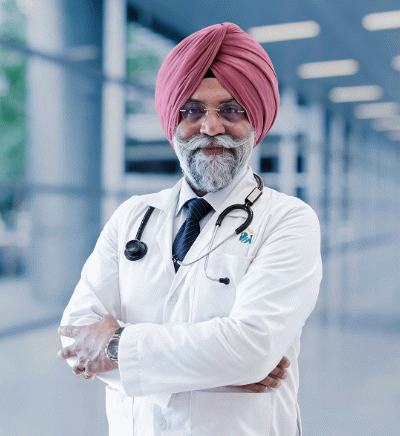
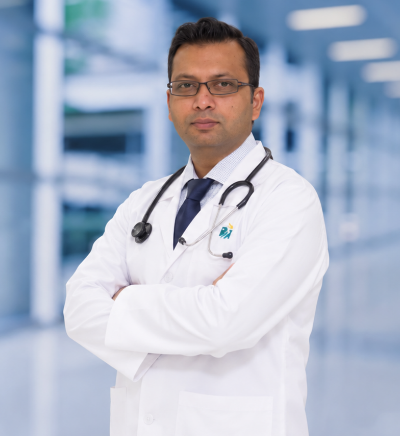
Kraniotomie-Spezialisten der Apollo-Kliniken, Gurugram





Haftungsausschluss:
Die Informationen auf dieser Seite dienen ausschließlich allgemeinen Informations- und Bildungszwecken. Obwohl wir angemessene Anstrengungen unternehmen, die Richtigkeit, Zuverlässigkeit und regelmäßige Überprüfung der Informationen zu gewährleisten, ersetzen diese keine professionelle medizinische Beratung, Diagnose oder Behandlung.
Die Eignung eines medizinischen Eingriffs sowie dessen Nutzen, Risiken, Vorbereitung, Genesung, mögliche Komplikationen und zu erwartende Ergebnisse können von Person zu Person variieren. Ihr Arzt wird anhand Ihres individuellen Zustands und Ihrer Krankengeschichte entscheiden, ob ein Eingriff für Sie geeignet ist.
Bitte konsultieren Sie vor jeder Entscheidung bezüglich eines medizinischen Eingriffs einen qualifizierten Arzt oder eine qualifizierte Ärztin, um eine individuelle Beratung zu erhalten.
Weitere Informationen darüber, wie unsere medizinischen Inhalte erstellt, geprüft, aktualisiert und gepflegt werden, finden Sie in unseren [Redaktionellen Richtlinien].




