

اورٽڪ روٽ سرجري - قيمت، اشارا، تياري، خطرا، ۽ بحالي
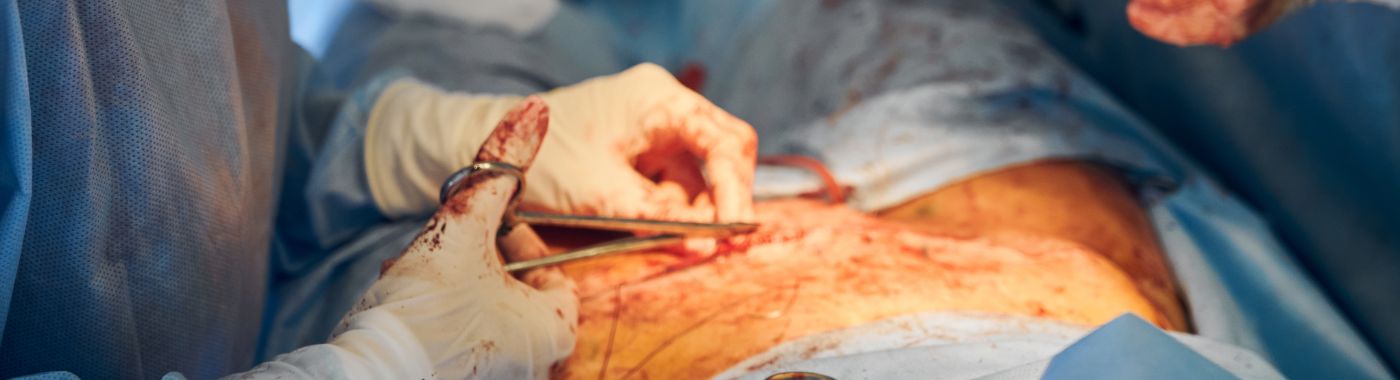
Aortic روٽ سرجري ڇا آهي؟
اورٽڪ روٽ سرجري هڪ خاص جراحي طريقو آهي جنهن جو مقصد اورٽڪ روٽ سان لاڳاپيل مسئلن کي حل ڪرڻ آهي، جيڪو دل جي ويجهو شہ رگ جو حصو آهي. اورٽا جسم جي سڀ کان وڏي شريان آهي، جيڪا دل کان جسم جي باقي حصي تائين آڪسيجن سان ڀريل رت کڻڻ جي ذميوار آهي. اورٽڪ روٽ ۾ اورٽڪ والو ۽ چوڌاري بناوت شامل آهن، جيڪي مناسب رت جي وهڪري ۽ دٻاءُ کي برقرار رکڻ ۾ اهم ڪردار ادا ڪن ٿا.
اورٽڪ روٽ سرجري جو بنيادي مقصد اهڙين غيرمعموليات کي درست ڪرڻ آهي جيڪي سنگين دل جي پيچيدگين جو سبب بڻجي سگهن ٿيون. انهن غيرمعموليات ۾ اورٽڪ ڊائيليشن، اورٽڪ ريگريگيٽيشن، يا اورٽڪ اينوريزم شامل ٿي سگهن ٿا. اورٽڪ ڊائيليشن اورٽڪ روٽ جي واڌ کي ظاهر ڪري ٿو، جيڪو اورٽڪ والو جي ڪم کي متاثر ڪري سگهي ٿو ۽ ريگرجيٽيشن جو سبب بڻجي سگهي ٿو، جتي رت دل ۾ پوئتي وهندو آهي. اورٽڪ اينوريزم اورٽڪ ڀت جو اُڀرڻ يا ڪمزور ٿيڻ آهي، جيڪو جيڪڏهن ڦاٽڻ جي صورت ۾ زندگي لاءِ خطرو بڻجي سگهي ٿو.
هن طريقيڪار ۾ عام طور تي يا ته شہ رگ جي جڙ جي متاثر ٿيل حصن جي مرمت يا تبديلي شامل هوندي آهي. ڪجهه حالتن ۾، شہ رگ جي والو کي به تبديل ڪرڻ يا مرمت ڪرڻ جي ضرورت پئجي سگهي ٿي. شہ رگ جي جڙ جي سرجري اڪثر ڪري اوپن هارٽ ٽيڪنڪ استعمال ڪندي ڪئي ويندي آهي، جيتوڻيڪ گهٽ ۾ گهٽ ناگوار طريقا وڌيڪ عام ٿي رهيا آهن. ٽيڪنڪ جو انتخاب علاج ڪيل مخصوص حالت، مريض جي مجموعي صحت، ۽ سرجن جي ماهر تي منحصر آهي.
ايورٽڪ روٽ سرجري ڇو ڪئي ويندي آهي؟
ايورٽڪ روٽ سرجري انهن مريضن لاءِ سفارش ڪئي ويندي آهي جيڪي علامتن يا حالتن جو تجربو ڪن ٿا جيڪي ايورٽڪ روٽ سان اهم مسئلن جي نشاندهي ڪن ٿا. عام علامتون جيڪي هن سرجري جي سفارش جو سبب بڻجي سگهن ٿيون انهن ۾ شامل آهن:
- سينه درد يا تڪليف: مريضن کي سيني ۾ مسلسل درد ٿي سگھي ٿو، جيڪو شہ رگ جي ريگريشن يا ٻين لاڳاپيل مسئلن جي نشاني ٿي سگهي ٿو.
- ساه کڻڻ ۾ کوٺ: ساهه کڻڻ ۾ ڏکيائي، خاص طور تي جسماني سرگرمي دوران، اهو ظاهر ڪري سگهي ٿو ته دل شريان جي جڙ جي مسئلن جي ڪري صحيح طريقي سان ڪم نه ڪري رهي آهي.
- ٿڪ جڏهن دل رت کي موثر طريقي سان پمپ ڪرڻ ۾ جدوجهد ڪري ٿي ته اڻ ڄاتل ٿڪاوٽ يا ڪمزوري ٿي سگهي ٿي.
- دل جي ڌڙڪن: هڪ صحت جي سار سنڀار ڪندڙ معمول جي چڪاس دوران دل جي غير معمولي آوازن کي ڳولي سگهي ٿو، وڌيڪ جاچ جو سبب بڻجندو.
- شريان جي بيمارين جي خانداني تاريخ: جن ماڻهن جي خانداني تاريخ ۾ اروٽڪ اينوريزم يا ڪنيڪٽيو ٽشو جي خرابي، جهڙوڪ مارفن سنڊروم، جي نگراني ڪري سگهجي ٿي ۽ جيڪڏهن غير معمولي شيون معلوم ٿين ٿيون ته انهن کي سرجري لاءِ غور ڪيو وڃي.
عام طور تي جڏهن ائورٽڪ روٽ سرجري جي سفارش ڪئي ويندي آهي جڏهن اميجنگ ٽيسٽ، جهڙوڪ ايڪو ڪارڊيوگرام يا سي ٽي اسڪين، ائورٽڪ روٽ جي اهم پکيڙ يا ٻيون غير معمولي شيون ظاهر ڪن ٿيون جيڪي ڦاٽڻ يا سخت ريگرگيٽيشن جو خطرو پيدا ڪن ٿيون. سرجري سان اڳتي وڌڻ جو فيصلو مريض جي علامتن، مجموعي صحت، ۽ طريقيڪار جي امڪاني خطرن ۽ فائدن تي احتياط سان غور ڪرڻ کان پوءِ ڪيو ويندو آهي.
Aortic روٽ سرجري لاءِ اشارا
ڪيتريون ئي ڪلينڪل حالتون ۽ تشخيصي نتيجا Aortic روٽ سرجري جي ضرورت کي ظاهر ڪري سگھن ٿا. انهن ۾ شامل آهن:
- شريان جي پاڙ جي ڦهلاءُ: Aortic روٽ ڊائليشن اڪثر ڪري سينٽي ميٽرن ۾ ماپي ويندي آهي، ۽ سرجري جو اشارو ڏئي سگهجي ٿو جيڪڏهن قطر ڪجهه حد کان وڌيڪ هجي، عام طور تي 5.0 سينٽي ميٽر يا ان کان وڏو، مريض جي انفرادي خطري جي عنصرن تي منحصر آهي.
- شديد شہ رگ جي ريگريشن: جيڪڏهن شريان جو والو صحيح طرح بند نه ٿي رهيو آهي، جنهن جي ڪري دل ۾ رت جو اهم واپسي وهڪري ٿئي ٿي، ته پوءِ والو جي مرمت يا تبديلي ۽ عام ڪم کي بحال ڪرڻ لاءِ سرجري جي ضرورت پئجي سگهي ٿي.
- Aortic Aneurysm: هڪ اورٽڪ اينوريزم جي موجودگي، خاص طور تي جيڪڏهن اهو 5.5 سينٽي ميٽر کان وڏو آهي يا تيزي سان وڌي رهيو آهي، ڦاٽڻ کي روڪڻ لاءِ سرجري مداخلت لاءِ هڪ مضبوط اشارو آهي.
- جينياتي حالتون: جن مريضن جينياتي خرابيون آهن جيڪي ڳنڍيندڙ ٽشو کي متاثر ڪن ٿيون، جهڙوڪ مارفن سنڊروم يا ايهلرز-ڊينلوس سنڊروم، انهن کي پيچيدگين جي وڌندڙ خطري جي ڪري ننڍي شہ رگ جي جڙ جي قطر تي سرجري جي ضرورت پئجي سگهي ٿي.
- دل جي ناڪامي جون علامتون: جيڪڏهن تصويري مطالعي مان اهم شہ رگ جي جڙ جي غير معموليات ظاهر ٿين ٿيون ته مريض جيڪي دل جي ناڪامي جي علامتن کي ظاهر ڪن ٿا، جهڙوڪ ساهه جي سخت تڪليف يا ٿڪاوٽ، سرجري لاءِ اميدوار ٿي سگهن ٿا.
- پوئين دل جي سرجري: اهي ماڻهو جن جي دل جي اڳئين سرجري ٿي چڪي آهي، انهن کي Aortic Root سرجري جي ضرورت پئجي سگهي ٿي جيڪڏهن Aortic root يا والو سان لاڳاپيل نوان مسئلا پيدا ٿين ٿا.
اورٽڪ روٽ سرجري سان اڳتي وڌڻ جو فيصلو مريض ۽ انهن جي صحت جي سار سنڀار ٽيم جي وچ ۾ تعاون سان ڪيو ويندو آهي، صورتحال جي تڪڙ، مريض جي مجموعي صحت، ۽ طريقيڪار جي امڪاني فائدن کي نظر ۾ رکندي.
Aortic روٽ سرجري جا قسم
ايورٽڪ روٽ سرجري کي استعمال ٿيندڙ مخصوص طريقن ۽ علاج جي حالتن جي بنياد تي ڪيترن ئي قسمن ۾ ورهائي سگهجي ٿو. سڀ کان عام طريقا شامل آهن:
- شريان جي جڙ جي متبادل: هن عمل ۾ بيمار شريان جي جڙ کي هٽائڻ ۽ ان کي مصنوعي گرافٽ سان تبديل ڪرڻ شامل آهي. اهو اڪثر ڪري اهم ڦهلاءُ يا اينوريزم جي صورتن ۾ ڪيو ويندو آهي.
- Aortic والو جي مرمت: ڪجهه حالتن ۾، ائرٽڪ والو کي تبديل ڪرڻ بدران مرمت ڪري سگهجي ٿو. اهو عام طور تي تڏهن ڪيو ويندو آهي جڏهن والو ليفليٽ اڃا تائين ڪم ڪري رهيا آهن پر انهن کي مضبوط ڪرڻ يا ٻيهر شڪل ڏيڻ جي ضرورت آهي.
- Aortic والو مٽائڻ: جيڪڏهن ائرٽڪ والو سخت خراب ٿي ويو آهي، ته ان کي ميڪيڪل يا حياتياتي والو سان تبديل ڪرڻ جي ضرورت پوندي. اهو اڪثر ڪري ائرٽڪ روٽ جي متبادل سان گڏ ڪيو ويندو آهي.
- ڊيوڊ جو طريقو: هن ٽيڪنڪ ۾ ايورٽڪ والو کي نئين گرافٽ ۾ ٻيهر لڳائڻ شامل آهي، مريض جي پنهنجي والو کي محفوظ رکڻ. اهو اڪثر ڪري ايورٽڪ روٽ ڊائليشن وارن مريضن لاءِ استعمال ڪيو ويندو آهي جن وٽ ڪم ڪندڙ ايورٽڪ والو آهي.
- بينٽال جو طريقو: هي هڪ وڌيڪ وسيع سرجري آهي جيڪا ائرٽڪ روٽ جي متبادل کي ائرٽڪ والو جي متبادل سان گڏ ڪري ٿي. اهو عام طور تي اهم ائرٽڪ روٽ جي ڦهلاءَ ۽ ائرٽڪ ريگرگيٽيشن جي ڪيسن ۾ ڪيو ويندو آهي.
هر قسم جي اورٽڪ روٽ سرجري جا پنهنجا اشارا، فائدا ۽ خطرا آهن. طريقيڪار جو انتخاب مريض جي انفرادي حالت، اناٽومي، ۽ مجموعي صحت جي حيثيت جي مطابق ڪيو ويندو آهي. سرجري ٽيم مريض جي تشخيص جي چوڌاري مخصوص حالتن جي بنياد تي سڀ کان مناسب طريقي تي بحث ڪندي.
Aortic روٽ سرجري لاءِ تضاد
ائورٽڪ روٽ سرجري هڪ نازڪ طريقو آهي جنهن جو مقصد ائورٽڪ روٽ کي متاثر ڪندڙ مختلف حالتن کي حل ڪرڻ آهي، جهڙوڪ ائورٽڪ اينوريزم يا شديد ائورٽڪ ريگرگيٽيشن. بهرحال، هر مريض هن سرجري لاءِ مناسب اميدوار ناهي. ڪيترائي تضاد مريض کي طريقيڪار لاءِ نا مناسب بڻائي سگهن ٿا، جن ۾ شامل آهن:
- شديد گڏيل بيماريون: مريضن کي اهم بنيادي صحت جي مسئلن سان، جهڙوڪ دل جي ناڪامي، سخت ڦڦڙن جي بيماري، يا بي قابو ذیابيطس، سرجري دوران وڌندڙ خطرن کي منهن ڏئي سگهن ٿا. اهي حالتون بحالي ۽ مجموعي سرجري جي نتيجن کي پيچيده بڻائي سگهن ٿيون.
- فعال انفيڪشن: هڪ فعال انفيڪشن جي موجودگي، خاص طور تي دل يا رت جي وهڪري ۾، سرجري دوران سنگين خطرا پيدا ڪري سگهي ٿي. ائرٽڪ روٽ سرجري تي غور ڪرڻ کان اڳ انفيڪشن جو علاج ۽ حل ڪرڻ گهرجي.
- خراب مجموعي صحت: ڪمزور ڪارڪردگي واري حيثيت وارا مريض يا جيڪي خاص طور تي ڪمزور آهن اهي سرجري جي دٻاءُ کي چڱي طرح برداشت نٿا ڪري سگهن. سرجري جي اميدواري کي طئي ڪرڻ لاءِ مريض جي مجموعي صحت جو مڪمل جائزو ضروري آهي.
- شديد شہ رگ جي ڪٽڻ: ايڪٽ اورٽڪ ڊسڪشن جي صورتن ۾، فوري طور تي سرجري مداخلت ضروري ٿي سگهي ٿي، پر گهربل مخصوص قسم جي سرجري معياري اورٽڪ روٽ سرجري کان مختلف ٿي سگهي ٿي. ڊسڪشن جي تڪڙ ۽ نوعيت فيصلي سازي جي عمل کي پيچيده ڪري سگهي ٿي.
- بي قابو هائپر ٽينشن: جن مريضن کي هاءِ بلڊ پريشر تي ضابطو نه هوندو آهي، انهن کي سرجري دوران وڌندڙ خطرن کي منهن ڏيڻو پئجي سگهي ٿو. پيچيدگين کي گهٽائڻ لاءِ طريقيڪار کان اڳ بلڊ پريشر کي مؤثر طريقي سان منظم ڪرڻ گهرجي.
- الرجڪ رد عمل: اينستيسيا يا سرجري جي مواد تي سخت الرجڪ رد عمل جي تاريخ هڪ تضاد ٿي سگهي ٿي. اينستيسيا جا ماهر اڳتي وڌڻ کان اڳ هن خطري جو جائزو وٺندا.
- نا مناسب سپورٽ سسٽم: آپريشن کان پوءِ بحالي لاءِ اڪثر گهر ۾ مدد جي ضرورت هوندي آهي. قابل اعتماد سپورٽ سسٽم نه هجڻ وارا مريض سرجري لاءِ مثالي اميدوار نه هوندا، ڇاڪاڻ ته اهي بحالي ۾ جدوجهد ڪري سگهن ٿا.
- عمر جا خيال: جڏهن ته صرف عمر هڪ سخت تضاد نه آهي، پر وڏي عمر وارن مريضن کي سرجري سان لاڳاپيل وڌيڪ خطرا ٿي سگهن ٿا. هر ڪيس جو جائزو انفرادي طور تي ورتو ويندو آهي، مريض جي مجموعي صحت ۽ ڪارڪردگي جي حيثيت کي غور ۾ رکندي.
انهن تضادن کي سمجهڻ مريضن ۽ صحت جي سار سنڀار فراهم ڪندڙن ٻنهي لاءِ اهم آهي. ڪارڊيوٿوراسڪ سرجن پاران مڪمل تشخيص شہ رگ جي جڙ جي مسئلن وارن ماڻهن لاءِ بهترين عمل جو طريقو طئي ڪرڻ ۾ مدد ڪري سگهي ٿي.
Aortic روٽ سرجري لاءِ ڪيئن تياري ڪجي
ايورٽڪ روٽ سرجري جي تياري ۾ بهترين ممڪن نتيجو يقيني بڻائڻ لاءِ ڪيترائي اهم قدم شامل آهن. هتي اثرائتي تياري ڪرڻ جي هدايت آهي:
- آپريشن کان اڳ صلاح مشورو: پنهنجي ڪارڊيوٿوراسڪ سرجن سان هڪ جامع صلاح مشوري جو شيڊول ٺاهيو. هن ملاقات ۾ توهان جي طبي تاريخ، موجوده دوائن، ۽ توهان جي ڪنهن به خدشن جو تفصيلي بحث شامل هوندو.
- ميڊيڪل ٽيسٽ: سرجري کان اڳ مختلف ٽيسٽن مان گذرڻ جي اميد رکو. انهن ۾ شامل ٿي سگھي ٿو:
- ايڪو ڪارڊيوگرام: دل جي ڪم ۽ شريان جي جڙ جي حالت جو جائزو وٺڻ لاءِ.
- سي ٽي اسڪين يا ايم آر آءِ: شريان ۽ آس پاس جي بناوتن جون تفصيلي تصويرون مهيا ڪرڻ لاءِ.
- رت جا امتحان: گردئن جي ڪم، رت جي ڳڻپ، ۽ ٻين اهم پيرا ميٽرز جو جائزو وٺڻ لاءِ.
- اليڪٽرو ڪارڊيوگرام (اي سي جي): دل جي ڪنهن به بي ترتيب تال جي جانچ ڪرڻ لاءِ.
- دوائن جو انتظام: پنھنجي صحت جي سار سنڀار ڪندڙ سان پنھنجي موجوده دوائن بابت بحث ڪريو. رت جي وهڪري جي خطري کي گھٽائڻ لاءِ سرجري کان ڪجھ ڏينھن اڳ توھان کي ڪجھ دوائون، جھڙوڪ رت پتلي ڪندڙ، بند ڪرڻ جي ضرورت پوندي.
- طرز زندگي ۾ تبديليون: جيڪڏهن توهان سگريٽ نوشي ڪندا آهيو، ته سرجري کان گهٽ ۾ گهٽ ڪجهه هفتا اڳ ڇڏڻ تمام ضروري آهي. سگريٽ نوشي شفا کي متاثر ڪري سگهي ٿي ۽ پيچيدگين جو خطرو وڌائي سگهي ٿي. ان کان علاوه، هڪ صحتمند غذا برقرار رکڻ ۽ هلڪي جسماني سرگرمي ۾ مشغول رهڻ، جيئن توهان جي ڊاڪٽر جي صلاح سان، توهان جي مجموعي صحت کي بهتر بڻائڻ ۾ مدد ڪري سگهي ٿي.
- اڳي آپريٽو هدايتون: پنهنجي صحت جي سار سنڀال ٽيم پاران ڏنل ڪنهن به خاص هدايتن تي عمل ڪريو. ان ۾ غذائي پابنديون شامل ٿي سگهن ٿيون، جهڙوڪ سرجري کان اڳ رات جو روزو رکڻ، ۽ کائڻ يا پيئڻ کي ڪڏهن بند ڪرڻ جي هدايتون.
- مدد لاء ترتيب ڏيو: ڪنهن کي اسپتال ۾ گڏ ڪرڻ ۽ توهان جي بحالي دوران توهان جي مدد ڪرڻ جو منصوبو ٺاهيو. سپورٽ سسٽم هجڻ سان توهان جي آپريشن کان پوءِ جي تجربي ۾ اهم فرق پئجي سگهي ٿو.
- پنھنجو گھر تيار ڪريو: سرجري کان اڳ، پنهنجي گهر کي بحالي لاءِ آرامده بڻايو. ان ۾ ضرورتن جي آسان رسائي سان بحالي واري علائقي کي قائم ڪرڻ شامل ٿي سگھي ٿو، انهي کي يقيني بڻائڻ ته توهان جي رهائش واري جاءِ محفوظ ۽ خطرن کان پاڪ آهي.
- ذهني تياري: سرجري کان اڳ پريشاني محسوس ڪرڻ عام ڳالهه آهي. پنهنجي صحت جي سار سنڀار فراهم ڪندڙ يا ذهني صحت جي پيشه ور سان پنهنجن جذبات تي بحث ڪرڻ تي غور ڪريو. اهي پريشاني کي منظم ڪرڻ ۽ طريقيڪار لاءِ ذهني طور تي توهان کي تيار ڪرڻ ۾ مدد لاءِ حڪمت عمليون مهيا ڪري سگهن ٿا.
انهن تياري جي قدمن تي عمل ڪندي، مريض شہ رگ جي روٽ سرجري لاءِ پنهنجي تياري کي وڌائي سگهن ٿا، جنهن جي نتيجي ۾ هڪ هموار جراحي تجربو ۽ بحالي ٿي سگهي ٿي.
شہ رگ جي روٽ سرجري: قدم بہ قدم عمل
ايورٽڪ روٽ سرجري جي مرحليوار عمل کي سمجهڻ سان پريشاني کي گهٽائڻ ۽ مريضن کي اميد رکڻ لاءِ تيار ڪرڻ ۾ مدد ملندي. هتي طريقيڪار جو هڪ خلاصو آهي:
- آپريشن کان اڳ وارو مرحلو:
- اسپتال ۾ پهچڻ: سرجري واري ڏينهن، توهان اسپتال پهچندا ۽ چيڪ ان ڪندا. توهان کي آپريشن کان اڳ واري علائقي ۾ وٺي ويندا جتي توهان اسپتال جو گاؤن پائيندا.
- IV لائن داخل ڪرڻ: سرجري دوران دوائون ۽ سيال ڏيڻ لاءِ توهان جي هٿ ۾ هڪ نس (IV) لائن لڳائي ويندي.
- اينسٿيسيا جي صلاح: هڪ اينسٿيسياولوجسٽ توهان سان ملاقات ڪندو ته جيئن اينسٿيسيا جي اختيارن تي بحث ڪري سگهجي ۽ ڪنهن به سوال جو جواب ڏئي سگهجي. توهان کي جنرل اينسٿيسيا ڏني ويندي، جنهن جو مطلب آهي ته توهان طريقيڪار دوران سمهي رهيا هوندا.
- جراحي جو طريقو:
- چيرا: سرجن سينه ۾ هڪ چيرا ڪندو، عام طور تي اسٽرنم (ڇت جي هڏي) ذريعي، دل ۽ شہ رگ تائين رسائي حاصل ڪرڻ لاءِ.
- ڪارڊيوپلمونري بائي پاس: سرجري دوران توهان جي دل ۽ ڦڦڙن جي ڪم کي سنڀالڻ لاءِ دل-ڦڦڙن جي مشين استعمال ڪري سگهجي ٿي. هي سرجن کي هڪ خاموش دل تي آپريشن ڪرڻ جي اجازت ڏئي ٿو.
- مرمت يا متبادل: سرجن شريان جي جڙ جو جائزو وٺندو ۽ ضروري مرمت يا متبادل ڪندو. ان ۾ شامل ٿي سگھي ٿو:
- شہ رگ جي جڙ جي تبديلي: شہ رگ جي خراب ٿيل حصي کي هٽائڻ ۽ ان کي مصنوعي گرافٽ سان تبديل ڪرڻ.
- والو جي مرمت يا متبادل: جيڪڏهن ائرٽڪ والو پڻ متاثر ٿئي ٿو، ته ان کي ساڳئي طريقيڪار دوران مرمت يا تبديل ڪري سگهجي ٿو.
- بندش: مرمت مڪمل ٿيڻ کان پوءِ، دل کي ٻيهر شروع ڪيو ويندو آهي، ۽ دل-ڦڦڙن جي مشين کي بتدريج هٽايو ويندو آهي. پوءِ سرجن سيون يا اسٽيپل سان چيرا بند ڪندو.
- آپريشن کان پوءِ وارو مرحلو:
- بحالي وارو ڪمرو: سرجري کان پوءِ، توهان کي بحالي واري ڪمري ۾ وٺي ويندو جتي طبي عملو توهان جي اهم نشانين جي نگراني ڪندو ۽ يقيني بڻائيندو ته توهان بي هوشي مان جاڳندا ته توهان مستحڪم آهيو.
- اسپتال ۾ رهڻ: گھڻا مريض سرجري کان پوءِ ڪيترن ئي ڏينهن تائين اسپتال ۾ رهندا آهن. هن وقت دوران، صحت جي سار سنڀار ڪندڙ درد جو انتظام ڪندا، پيچيدگين جي نگراني ڪندا، ۽ شروعاتي متحرڪ ٿيڻ ۾ مدد ڪندا.
- ڊسچارج جون هدايتون: اسپتال ڇڏڻ کان اڳ، توهان کي تفصيلي هدايتون ملنديون ته توهان جي چيري جي سنڀال ڪيئن ڪجي، درد کي ڪيئن منظم ڪجي، ۽ بحالي دوران ڪهڙين سرگرمين کان پاسو ڪجي.
- پيروي جي سنڀال: ڊسچارج کان پوءِ، توهان جي بحالي جي نگراني ڪرڻ ۽ سرجري جي ڪاميابي جو جائزو وٺڻ لاءِ فالو اپ اپائنٽمينٽس شيڊول ڪيون وينديون. انهن اپائنٽمينٽس ۾ شرڪت ڪرڻ ۽ پنهنجي صحت جي سار سنڀال ٽيم کي ڪنهن به خدشي بابت آگاهي ڏيڻ ضروري آهي.
شہ رگ جي روٽ سرجري جي مرحليوار عمل کي سمجهڻ سان، مريض پنهنجي جراحي سفر لاءِ وڌيڪ باخبر ۽ تيار محسوس ڪري سگهن ٿا.
Aortic روٽ سرجري جا خطرا ۽ پيچيدگيون
ڪنهن به سرجري جي طريقيڪار وانگر، ائرٽڪ روٽ سرجري ڪجهه خطرا ۽ امڪاني پيچيدگيون کڻي ٿي. جڏهن ته ڪيترائي مريض ڪامياب نتيجا حاصل ڪن ٿا، اهو ضروري آهي ته سرجري سان لاڳاپيل عام ۽ نادر خطرن کان واقف هجي:
- عام خطرات:
- رت وهڻ: سرجري دوران ۽ بعد ۾ ڪجهه رت وهڻ جي اميد آهي، پر گهڻي رت وهڻ لاءِ رت جي منتقلي يا اضافي سرجري جي ضرورت پئجي سگهي ٿي.
- انفيڪشن: چيرا لڳائڻ واري جاءِ تي يا دل جي اندر انفيڪشن جو خطرو هوندو آهي. هن خطري کي گهٽائڻ لاءِ اڪثر اينٽي بايوٽڪ دوائون ڏنيون وينديون آهن.
- اريتميا: دل جي بي ترتيب تال سرجري کان پوءِ ٿي سگهي ٿي، پر اهي عام طور تي عارضي هوندا آهن ۽ دوائن سان منظم ڪري سگهجن ٿا.
- درد ۽ تڪليف: آپريشن کان پوءِ درد عام آهي، پر ان کي توهان جي صحت جي سار سنڀال ٽيم پاران ڏنل دوائن سان منظم ڪري سگهجي ٿو.
- گهٽ عام خطرا:
- فالج: سرجري دوران يا بعد ۾ رت جي ٺڪرن جي ڪري فالج جو خطرو گهٽ هوندو آهي.
- گردن جي ڪم ۾ خلل: ڪجهه مريض سرجري کان پوءِ عارضي يا، نادر ڪيسن ۾، مستقل گردن جي ڪم ۾ خلل جو تجربو ڪري سگهن ٿا.
- ساهه کڻڻ ۾ مشڪلاتون: نمونيا يا ساهه کڻڻ ۾ ڏکيائي جهڙا مسئلا پيدا ٿي سگهن ٿا، خاص طور تي انهن مريضن ۾ جن کي اڳ ۾ ئي ڦڦڙن جي بيماري هجي.
- ناياب خطرا:
- شريان جي هڏي جو ڪٽڻ: نادر ڪيسن ۾، سرجري دوران شريان ڦاٽي سگهي ٿي، جنهن جي ڪري سنگين پيچيدگيون پيدا ٿين ٿيون جن کي فوري مداخلت جي ضرورت هوندي آهي.
- موت: جڏهن ته موت جو خطرو گهٽ آهي، اهو ڪنهن به وڏي سرجري سان لاڳاپيل هڪ امڪاني خطرو آهي، خاص طور تي انهن مريضن ۾ جن ۾ اهم بيماريون آهن.
- ڊگھي مدي وارا ويچار: سرجري کان پوءِ، مريضن کي شريان جي جڙ ۽ ڪنهن به امپلانٽ ٿيل ڊوائيسز جي ڪم جو جائزو وٺڻ لاءِ مسلسل نگراني ۽ فالو اپ سنڀال جي ضرورت ٿي سگھي ٿي. باقاعده ايڪو ڪارڊيوگرام ۽ ڪارڊيالوجسٽ سان چيڪ اپ ڊگهي مدت جي صحت لاءِ ضروري آهن.
انهن خطرن ۽ پيچيدگين کي سمجهڻ سان مريضن کي پنهنجي سنڀال بابت باخبر فيصلا ڪرڻ ۽ اڳتي جي سفر لاءِ تيار ٿيڻ ۾ مدد ملندي. صحت جي سار سنڀار فراهم ڪندڙن سان کليل رابطو ڪنهن به خدشن کي حل ڪرڻ ۽ ڪامياب سرجري جي تجربي کي يقيني بڻائڻ لاءِ اهم آهي.
ائورٽڪ روٽ سرجري کان پوءِ بحالي
شريان جي جڙ جي سرجري مان بحالي هڪ اهم مرحلو آهي جنهن لاءِ احتياط سان ڌيان ڏيڻ ۽ طبي صلاح تي عمل ڪرڻ جي ضرورت آهي. متوقع بحالي جو وقت عام طور تي ڪيترن ئي هفتن تي محيط هوندو آهي، اڪثر مريض ٽن کان ڇهن مهينن اندر اهم بهتري جو تجربو ڪندا آهن. سرجري کان فوري طور تي، مريضن کي عام طور تي هڪ يا ٻن ڏينهن لاءِ انتهائي نگہداشت واري يونٽ (ICU) ۾ نگراني ڪيو ويندو آهي ته جيئن استحڪام کي يقيني بڻائي سگهجي.
پهرين هفتي دوران، مريض تڪليف، ٿڪاوٽ ۽ محدود حرڪت جو تجربو ڪري سگهن ٿا. درد جو انتظام ضروري آهي، ۽ صحت جي سار سنڀار فراهم ڪندڙ آپريشن کان پوءِ جي ڪنهن به درد کي منظم ڪرڻ ۾ مدد لاءِ دوائون لکندا. مريضن کي رت جي گردش کي وڌائڻ لاءِ مختصر سير ڪرڻ جي ترغيب ڏني ويندي آهي، پر سخت سرگرمين کان پاسو ڪرڻ گهرجي.
ٻئي هفتي تائين، ڪيترائي مريض گهر واپس اچي سگهن ٿا، پر انهن کي آرام جاري رکڻ گهرجي ۽ بتدريج پنهنجي سرگرمي جي سطح وڌائڻ گهرجي. زخم جي سنڀال ۽ ڪنهن به تجويز ڪيل دوائن جي حوالي سان سرجن جي هدايتن تي عمل ڪرڻ ضروري آهي. هلڪيون سرگرميون، جهڙوڪ هلڻ ۽ نرم اسٽريچنگ، متعارف ڪرائي سگهجن ٿيون، پر گهٽ ۾ گهٽ ڇهن هفتن تائين ڳري کڻڻ ۽ زوردار ورزش کان پاسو ڪرڻ گهرجي.
ڇهن هفتن جي نشان جي آس پاس، گھڻا مريض معمول جي روزاني سرگرمين کي ٻيهر شروع ڪري سگھن ٿا، بشمول ڪم تي واپس اچڻ، بشرطيڪ انهن جي ڪم ۾ سخت جسماني محنت شامل نه هجي. تنهن هوندي، بحالي جي ترقي جو جائزو وٺڻ ۽ ڪنهن به خدشن کي حل ڪرڻ لاءِ سرجن سان فالو اپ اپائنٽمينٽ وٺڻ ضروري آهي.
بعد ۾ سنڀال جا طريقا:
- ميون، ڀاڄيون، سڄو اناج، ۽ ٿلهي پروٽين سان مالا مال دل جي صحت مند غذا تي عمل ڪريو.
- رت جي دٻاءُ کي ڪنٽرول ڪرڻ لاءِ پاڻي پيئو ۽ لوڻ جو استعمال محدود ڪريو.
- دل جي صحت ۽ بحالي جي نگراني لاءِ سڀني فالو اپ اپائنٽمينٽس ۾ شرڪت ڪريو.
- پنهنجي صحت جي سار سنڀار ڪندڙ جي سفارش مطابق هلڪي جسماني سرگرمي ۾ مشغول ٿيو.
- سگريٽ نوشي کان پاسو ڪريو ۽ شفا کي وڌائڻ لاءِ شراب جي استعمال کي محدود ڪريو.
Aortic روٽ سرجري جا فائدا
ائورٽڪ روٽ سرجري مريضن لاءِ ڪيتريون ئي اهم صحت جون بهتريون ۽ زندگي جي معيار جا نتيجا پيش ڪري ٿي. بنيادي فائدن مان هڪ ائورٽڪ ڊسڪشن يا ڦاٽڻ جي خطري کي گهٽائڻ آهي، جيڪو زندگي لاءِ خطرو ٿي سگهي ٿو. ائورٽڪ روٽ جي مرمت يا تبديلي سان، سرجري ائورٽا کي مستحڪم ڪري ٿي ۽ وڌيڪ پيچيدگين کي روڪي ٿي.
مريض اڪثر ڪري دل جي ڪم ۾ بهتري ۽ سينه ۾ درد، ساهه کڻڻ ۾ تڪليف، ۽ ٿڪاوٽ جهڙيون علامتون گهٽجڻ جو تجربو ڪندا آهن. اهو وڌيڪ فعال طرز زندگي ۽ مجموعي طور تي بهتري جو سبب بڻجي سگهي ٿو. ڪيترائي مريض سرجري کان پوءِ پنهنجي زندگي جي معيار ۾ اهم بهتري جي رپورٽ ڪن ٿا، ڇاڪاڻ ته اهي انهن سرگرمين ۾ مشغول ٿي سگهن ٿا جيڪي اڳ ۾ صحت جي خدشن جي ڪري پاسو ڪندا هئا.
اضافي طور تي، اورٽڪ روٽ سرجري لاڳاپيل حالتن کي منظم ڪرڻ ۾ مدد ڪري سگهي ٿي، جهڙوڪ اورٽڪ ريگريگيٽيشن يا اسٽينوسس، جيڪو بهتر ڊگهي مدت جي دل جي صحت جي طرف وٺي ٿو. سرجري کان پوءِ باقاعده فالو اپ ۽ نگراني وڌيڪ يقيني بڻائي سگهي ٿي ته مريض بهترين صحت برقرار رکن ۽ مستقبل جي پيچيدگين کي روڪي سگهن.
اورٽڪ روٽ سرجري بمقابله والو جي متبادل سرجري
جڏهن ته ائرٽڪ روٽ سرجري جو مقابلو اڪثر ڪري والو جي متبادل سرجري سان ڪيو ويندو آهي، انهن طريقن جي وچ ۾ فرق کي سمجهڻ ضروري آهي. ائرٽڪ روٽ سرجري ائرٽڪ روٽ جي مرمت يا تبديل ڪرڻ تي ڌيان ڏئي ٿي، جڏهن ته والو جي متبادل سرجري خاص طور تي ائرٽڪ والو کي نشانو بڻائي ٿي.
| مضمون | شہ رگ جي جڙ جي سرجري | والو جي متبادل سرجري |
|---|---|---|
| مقصد | شہ رگ جي جڙ جي مرمت يا تبديلي ڪريو | خراب ٿيل اورٽڪ والو کي تبديل ڪريو |
| اشارو | شريان جي ڦُلڻ، ريگرگيٽيشن | اورٽڪ اسٽينوسس، شديد ريگرگيٽيشن |
| بحالي جي وقت | 6 هفتن کان ڪيترن ئي مهينن تائين | 4 تائين 6 هفتي |
| ڊگھي مدت جا نتيجا | شريان جي ڪٽڻ جو خطرو گهٽجي ويو | بهتر والو فنڪشن |
| مول | انفيڪشن، رت وهڻ، دل جي تال جا مسئلا | انفيڪشن، رت وهڻ، والو جي خرابي |
| سرجري کان پوءِ طرز زندگي ۾ تبديليون | عام سرگرمين ڏانهن تدريجي واپسي | ساڳي بتدريج واپسي |
هندستان ۾ اورٽڪ روٽ سرجري جي قيمت
هندستان ۾ شريان جي جڙ جي سرجري جي قيمت عام طور تي ₹2,00,000 کان ₹5,00,000 تائين هوندي آهي. صحيح اندازي لاءِ، اڄ ئي اسان سان رابطو ڪريو.
Aortic روٽ سرجري بابت اڪثر پڇيا ويندڙ سوال
ايورٽڪ روٽ سرجري کان پوءِ مون کي ڇا کائڻ گهرجي؟
سرجري کان پوءِ، دل جي صحت مند غذا تي ڌيان ڏيو. گھڻا ميوا، ڀاڄيون، سڄو اناج، ۽ ٿلهي پروٽين شامل ڪريو. سير ٿيل چربی، ٽرانس چربی، ۽ وڌيڪ سوڊيم واري کاڌي کان پاسو ڪريو. هائيڊريٽ رهڻ پڻ ضروري آهي. ذاتي غذائي سفارشن لاءِ پنهنجي صحت جي سار سنڀار فراهم ڪندڙ سان صلاح ڪريو.
سرجري کان پوءِ مان ڪيترو وقت اسپتال ۾ رهندس؟
گھڻا مريض شہ رگ جي روٽ سرجري کان پوءِ لڳ ڀڳ 3 کان 5 ڏينهن تائين اسپتال ۾ رهندا آهن. بهرحال، اهو انفرادي بحالي ۽ ڪنهن به پيچيدگي جي بنياد تي مختلف ٿي سگهي ٿو. توهان جي صحت جي سار سنڀال ٽيم توهان جي ترقي جي نگراني ڪندي ۽ اهو طئي ڪندي ته توهان ڪڏهن گهر وڃڻ لاءِ تيار آهيو.
ڇا مان ايورڪ روٽ سرجري کان پوءِ گاڏي هلائي سگهان ٿو؟
عام طور تي صلاح ڏني ويندي آهي ته سرجري کان پوءِ گهٽ ۾ گهٽ 4 کان 6 هفتا ڊرائيونگ کان پاسو ڪيو وڃي. اهو توهان جي جسم کي شفا ڏيڻ جي اجازت ڏئي ٿو ۽ يقيني بڻائي ٿو ته توهان درد جي دوائن تي نه آهيو جيڪي توهان جي محفوظ طريقي سان ڊرائيونگ ڪرڻ جي صلاحيت کي متاثر ڪري سگهن ٿيون. ڊرائيونگ ٻيهر شروع ڪرڻ کان پهريان هميشه پنهنجي ڊاڪٽر سان صلاح ڪريو.
بحالي دوران مان ڪهڙيون سرگرميون ڪري سگهان ٿو؟
بحالي دوران، هلڪيون سرگرميون جهڙوڪ گھمڻ ۽ هلڪو اسٽريچنگ ڪرڻ جي حوصلا افزائي ڪئي ويندي آهي. گهٽ ۾ گهٽ ڇهن هفتن تائين ڳري وزن کڻڻ، سخت ورزش، ۽ تيز اثر وارين سرگرمين کان پاسو ڪريو. پنهنجي صحت جي سار سنڀار ڪندڙ جي صلاح مطابق بتدريج پنهنجي سرگرمي جي سطح کي وڌايو.
سرجري کان پوءِ درد کي ڪيئن ڪنٽرول ڪجي؟
ايورٽڪ روٽ سرجري کان پوءِ درد جو انتظام انتهائي اهم آهي. توهان جو ڊاڪٽر تڪليف کي منظم ڪرڻ ۾ مدد لاءِ درد جون دوائون تجويز ڪندو. ان کان علاوه، سرجري واري علائقي تي برف جا پيڪ استعمال ڪرڻ ۽ آرام جي طريقن جي مشق ڪرڻ سان درد کي گهٽائڻ ۾ مدد ملندي.
مون کي پيچيدگين جي ڪهڙي نشانين کي ڏسڻ گهرجي؟
سرجري کان پوءِ، پيچيدگين جي نشانين تي نظر رکو جيئن ته درد ۾ اضافو، سوجن، چيرا واري جاءِ تي ڳاڙهي ٿيڻ، بخار، يا ساهه کڻڻ ۾ ڏکيائي. جيڪڏهن توهان انهن مان ڪنهن به علامت جو تجربو ڪيو، ته فوري طور تي پنهنجي صحت جي سار سنڀار فراهم ڪندڙ سان رابطو ڪريو.
جڏهن مان ڪم تي واپس ڪري سگهان ٿو؟
گھڻا مريض سرجري کان پوءِ 6 کان 8 هفتن اندر ڪم تي واپس اچي سگهن ٿا، اهو انهن جي ڪم جي نوعيت تي منحصر آهي. جيڪڏهن توهان جي ڪم ۾ ڳرو وزن کڻڻ يا سخت سرگرمي شامل آهي، ته توهان کي بحالي جي ڊگهي عرصي جي ضرورت پئجي سگهي ٿي. پنهنجي ڊاڪٽر سان ڪم تي واپسي جي منصوبي تي بحث ڪريو.
ڇا سرجري کان پوءِ سفر ڪرڻ محفوظ آهي؟
عام طور تي شہ رگ جي روٽ سرجري کان پوءِ سفر ڪرڻ محفوظ آهي، پر گهٽ ۾ گهٽ 6 کان 8 هفتا انتظار ڪرڻ بهتر آهي. سفر جو منصوبو ٺاهڻ کان اڳ هميشه پنهنجي ڊاڪٽر سان صلاح ڪريو، خاص طور تي جيڪڏهن توهان ڊگهي فاصلي جي سفر يا اڏام تي غور ڪري رهيا آهيو.
بزرگ مريضن کي بحالي بابت ڇا ڄاڻڻ گهرجي؟
بزرگ مريضن کي بحالي جو وقت وڌيڪ ٿي سگهي ٿو ۽ انهن کي اضافي احتياط ڪرڻ گهرجن. آپريشن کان پوءِ جي سڀني هدايتن تي عمل ڪرڻ، فالو اپ اپائنٽمينٽس ۾ شرڪت ڪرڻ، ۽ بحالي دوران روزاني سرگرمين ۾ مدد لاءِ هڪ سپورٽ سسٽم هجڻ ضروري آهي.
ڇا ٻارن جي مريضن لاءِ ڪي خاص خيال آهن؟
ٻارن جي مريضن کي جيڪي شريان جي جڙ جي سرجري ڪرائي رهيا آهن انهن کي خاص خيال جي ضرورت آهي. والدين کي يقيني بڻائڻ گهرجي ته انهن جو ٻار دل جي صحت مند غذا تي عمل ڪري، سڀني فالو اپ اپائنٽمينٽس ۾ شرڪت ڪري، ۽ انهن جي صحت جي سار سنڀار فراهم ڪندڙ جي صلاح مطابق عمر جي لحاظ کان مناسب سرگرمين ۾ مشغول هجي.
سرجري کان پوءِ مون کي ڪيتري وقت تائين دوا وٺڻ جي ضرورت پوندي؟
ايورٽڪ روٽ سرجري کان پوءِ، توهان کي بلڊ پريشر کي منظم ڪرڻ ۽ رت جي ڪلٽن کي روڪڻ لاءِ ڪيترن ئي مهينن تائين دوائون وٺڻ جي ضرورت پوندي. توهان جو ڊاڪٽر توهان جي ضرورتن مطابق هڪ مخصوص دوا جو منصوبو فراهم ڪندو.
ڇا مان صحتياب ٿيڻ کان پوءِ راندين ۾ حصو وٺي سگهان ٿو؟
صحتياب ٿيڻ کان پوءِ، ڪيترائي مريض راندين ڏانهن واپس اچي سگهن ٿا، پر پهريان پنهنجي ڊاڪٽر سان صلاح ڪرڻ ضروري آهي. گهٽ اثر واريون سرگرميون عام طور تي محفوظ هونديون آهن، جڏهن ته وڌيڪ اثر واريون رانديون اضافي تشخيص جي ضرورت پوندي.
بحالي ۾ جسماني علاج جو ڪردار ڇا آهي؟
جسماني علاج شريان جي جڙ جي سرجري کان پوءِ بحالي ۾ اهم ڪردار ادا ڪري سگهي ٿو. هڪ جسماني معالج طاقت، لچڪ، ۽ دل جي صحت کي بهتر بڻائڻ لاءِ هڪ ذاتي ورزش پروگرام ٺاهڻ ۾ مدد ڪري سگهي ٿو.
بحالي دوران مان پنهنجي جذباتي ڀلائي کي ڪيئن سهارو ڏئي سگهان ٿو؟
بحالي دوران جذباتي ڀلائي تمام ضروري آهي. انهن سرگرمين ۾ مشغول ٿيو جيڪي توهان کي پسند آهن، دوستن ۽ ڪٽنب سان ڳنڍيو، ۽ انهن ماڻهن لاءِ هڪ سپورٽ گروپ ۾ شامل ٿيڻ تي غور ڪريو جن ساڳي سرجري ڪئي آهي.
سرجري کان پوءِ مون کي ڪهڙين طرز زندگي ۾ تبديلين تي غور ڪرڻ گهرجي؟
سرجري کان پوءِ، دل جي صحت مند طرز زندگي اختيار ڪرڻ تي غور ڪريو، جنهن ۾ متوازن غذا، باقاعده ورزش، صحتمند وزن برقرار رکڻ، ۽ سگريٽ نوشي ۽ گهڻو شراب پيئڻ کان پاسو ڪرڻ شامل آهي.
ڇا مونکي سرجري کان پوءِ باقاعده فالو اپ جي ضرورت پوندي؟
ها، توهان جي دل جي صحت ۽ بحالي جي ترقي جي نگراني لاءِ باقاعدي فالو اپ اپائنٽمينٽ ضروري آهن. توهان جو ڊاڪٽر توهان جي انفرادي ضرورتن جي بنياد تي انهن دورن جو شيڊول ڪندو.
جيڪڏهن مون کي ٻيون صحت جون حالتون هجن ته ڇا ٿيندو؟
جيڪڏهن توهان کي ٻيون صحت جون حالتون آهن، جهڙوڪ ذیابيطس يا هائپر ٽائونشن، ته پوءِ توهان جي بحالي دوران انهن کي ويجهي سان منظم ڪرڻ تمام ضروري آهي. هڪ جامع سنڀال جو منصوبو تيار ڪرڻ لاءِ پنهنجي صحت جي سار سنڀال ٽيم سان ڪم ڪريو.
ڇا مان سرجري کان پوءِ سپليمينٽس وٺي سگهان ٿو؟
سرجري کان پوءِ ڪنهن به سپليمينٽ وٺڻ کان اڳ، پنهنجي صحت جي سار سنڀار فراهم ڪندڙ سان صلاح ڪريو. ڪجهه سپليمينٽس دوائن سان لهه وچڙ ڪري سگهن ٿا يا توهان جي بحالي کي متاثر ڪري سگهن ٿا.
جيڪڏهن مون کي سرجري بابت پريشاني محسوس ٿئي ته مون کي ڇا ڪرڻ گهرجي؟
سرجري کان اڳ پريشاني محسوس ڪرڻ عام ڳالهه آهي. پنهنجي صحت جي سار سنڀار فراهم ڪندڙ سان پنهنجن خدشن تي بحث ڪرڻ تي غور ڪريو، جيڪو توهان کي پريشاني کي منظم ڪرڻ ۾ مدد لاءِ مدد ۽ وسيلا پيش ڪري سگهي ٿو.
مان پنهنجي گهر کي بحالي لاءِ ڪيئن تيار ڪري سگهان ٿو؟
پنهنجي گهر کي بحالي لاءِ تيار ڪرڻ ۾ آرام لاءِ هڪ آرامده جڳهه ٺاهڻ، ضرورتن تائين آسان رسائي کي يقيني بڻائڻ، ۽ ڪنهن به ٽرپنگ جي خطرن کي ختم ڪرڻ شامل آهي. پنهنجي شروعاتي بحالي واري عرصي دوران روزاني ڪمن ۾ مدد لاءِ بندوبست ڪرڻ تي غور ڪريو.
ٿڪل
اورٽڪ روٽ سرجري هڪ اهم طريقو آهي جيڪو اورٽڪ روٽ جي مسئلن وارن مريضن لاءِ دل جي صحت ۽ زندگي جي معيار کي بهتر بڻائي سگهي ٿو. باخبر فيصلا ڪرڻ لاءِ بحالي جي عمل، فائدن ۽ امڪاني خطرن کي سمجهڻ ضروري آهي. جيڪڏهن توهان يا ڪو پيارو هن سرجري تي غور ڪري رهيو آهي، ته اهو ضروري آهي ته توهان جي مخصوص صورتحال تي بحث ڪرڻ ۽ ذاتي هدايت حاصل ڪرڻ لاءِ طبي پيشه ور سان ڳالهايو وڃي.


 چنائي ۾ منهنجي ويجهو بهترين اسپتال


