


画像


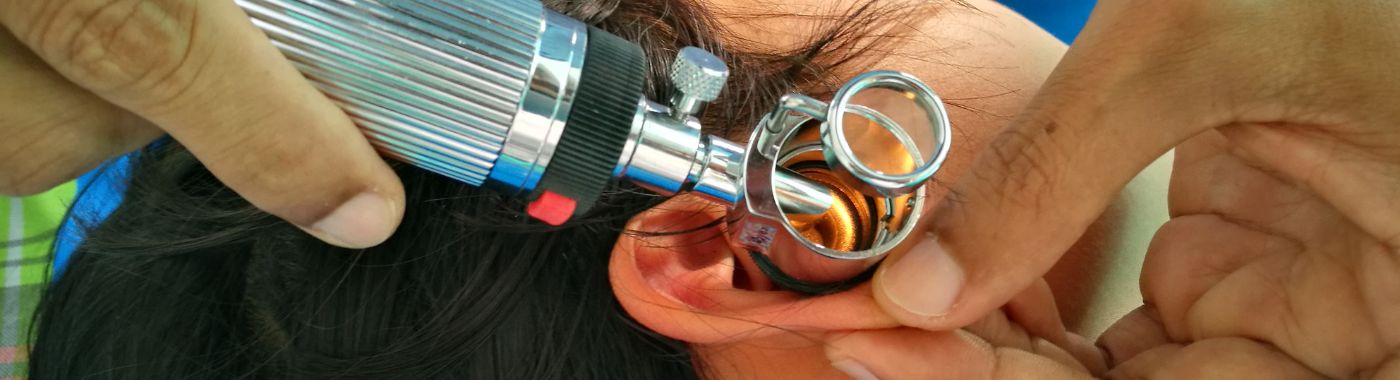
A cochlear implant is an advanced electronic hearing device for severe-to-profound sensorineural hearing loss when 補聴器 provide limited benefit. Unlike hearing aids, it converts sound into electrical signals that stimulate the auditory nerve.
人工内耳手術 places the implant beneath the skin & behind the ear, along with an electrode inserted into the cochlea. After healing, the device is activated, and rehabilitation begins. Apollo Hospitals offers cochlear implants in Indore with personalised evaluation and follow-up care.
Inner-ear hearing loss can affect speech and communication.
Hearing aids amplify sound through the natural hearing pathway.
Cochlear implants bypass damaged cochlear areas and stimulate the auditory nerve.
Proper diagnosis is essential, as candidacy varies from patient to patient.
A cochlear implant helps a person hear. The main components may include:
マイク: Picks up sounds from the surroundings.
Sound processor: Converts these sounds into signals that the implant can understand.
Internal implant: Receives the signals and sends them to the electrode array.
Electrode array: Delivers electrical stimulation to the cochlea.
Auditory nerve: Carries these signals from the cochlea to the brain, where they are interpreted as sound.
The implant sends these signals through an electrode array to the cochlea, stimulating the auditory nerve, which carries them to the brain.
Hearing can be conductive, sensorineural, or mixed.
Conductive hearing loss always affects the outer or middle ear.
Sensorineural hearing loss involves an issue with the inner ear or auditory pathway.
Mixed hearing loss contains features of both.
For people with severe or 重度の難聴, a cochlear implant may be considered when hearing aids do not provide enough hearing support.
Here are a few causes that might affect hearing and lead to the need for a cochlear implant.
Genetic or congenital conditions
感染症
騒音暴露
Head or ear injuries
Ageing or progressive inner-ear disorders
Birth-related factors
その他の病状
Hearing loss, mild or severe, might lead to the following symptoms in your daily life.
会話の理解が困難
Frequently asking for repetition
Increasing television volume
Difficulty hearing in noise
Relying on lip reading
Difficulty listening when talking over the call
Delayed speech development in children
If you have been experiencing the above hearing-related symptoms, you should consult an ENT or Otolaryngologist right away for severe hearing loss treatment.
The Cochlear Implant specialist in Indore might advise you of this 聴力回復手術 次のシナリオでは:
Severe-to-profound sensorineural hearing loss
Limited benefit from hearing aids
Poor speech understanding despite amplification
ENT and audiology assessment determines eligibility
The doctor will conduct the following evaluations to make an exact diagnosis.
耳鼻咽喉科検査
聴力検査
Speech perception testing
Hearing-aid evaluation
必要に応じて画像診断
医学的評価
Speech and language assessment for children
Psychological or developmental assessment where actually needed
補聴器 | 蝸牛インプラント |
音を増幅する | Converts sound into electrical stimulation |
Uses the natural hearing pathway | Bypasses damaged cochlear structures |
Does not require internal surgery | Requires surgical placement |
Used for various hearing losses | Considered for severe to profound sensorineural loss |
Hearing evaluation and candidacy assessment
Medical and imaging evaluation
テスト結果のレビュー
Implant recommendation, if appropriate
Small incision behind the ear to access the cochlea.
Internal implant placed beneath the skin; electrode inserted into the cochlea.
Surgical area closed and allowed to heal.
Once healed, the sound processor is fitted and activated.
The device is programmed to suit hearing needs.
Cochlear implant rehabilitation and follow-ups support adjustment and speech understanding.
手術前の評価: Hearing tests, scans, and suitability evaluation
手術: Performed under anaesthesia by an ENT surgeon
術後のケア: Monitoring and recovery after surgery
Technique may vary based on ear anatomy and clinical factors.
Depending on their hearing history, age and rehabilitation, some people may experience:
Better awareness of everyday sounds
Improved speech understanding
Easier communication with familiar people
Better understanding of television programmes
Greater ability to follow phone conversations
感染症
出血
味の変化
耳鳴り
顔面神経損傷
デバイス関連の合併症
脳脊髄液漏出
Attacks of dizziness or vertigo
耳の周りのしびれ
In case of any risks or complications, it is best to consult a cochlear implant specialist in Indore.
In children, untreated significant hearing loss may affect speech and language development and may contribute to educational, social or behavioural challenges. Therefore, it is essential to have the hearing loss evaluated by an ENT specialist as soon as you notice the problem.
耳鼻咽喉科の相談
Hearing and audiological evaluation
Required imaging
Medical fitness assessment
薬の見直し
Anaesthesia assessment
Presurgical instructions
Patients and caregivers may also receive pre-surgical instructions and counselling.
Following your doctor's recovery instructions is essential to avoid complications.
Postoperative monitoring and wound care
Healing period before activation
Sound processor fitting and activation
Audiological programming
Ongoing rehabilitation and support
The implant is generally not activated immediately after surgery. Following healing, the sound processor is fitted and initially programmed or mapped.
Rehabilitation is an important part of cochlear implant treatment in Indore.
Auditory training and listening exercises
言語療法と言語療法
Regular audiological follow-ups
Family or caregiver involvement
Early intervention and age-appropriate support for children
It is important to follow the following steps for effective care and maintenance of a cochlear implant.
Keep the processor clean and dry, and handle it carefully.
Keep batteries charged and carry spares when needed.
Protect the processor from water, heat, and damage.
Attend appointments for necessary processor adjustments.
Monitor hearing, progress, and device performance regularly.
Check batteries, connections, and basic settings before seeking support.
Early identification and hearing assessment can help determine whether cochlear implantation is appropriate for children. Prompt intervention, family participation, speech and language support, and rehabilitation support auditory development.
Adults with significant sensorineural hearing loss may be candidates for cochlear implants after an assessment of hearing aid benefit, speech understanding, medical suitability, and communication needs. Rehabilitation supports adaptation to electrical hearing and develops リスニングスキル 時間をかけて。
Regular listening practice can support adaptation
Family members can communicate clearly
Reduce unnecessary background noise and provide opportunities for listening practice
Attending programming appointments
Why is a cochlear implant recommended for me?
Could a hearing aid still benefit me?
潜在的なリスクは何ですか?
When will the implant be activated?
How long may rehabilitation take?
How often will programming be required?
どのようなフォローアップケアが必要ですか?
Audiological follow-ups and device programming
Speech and auditory rehabilitation
Hearing and communication progress monitoring
Device maintenance and periodic assessments
Follow-up based on changing hearing needs
Experienced ENT and audiology specialists
Specialists in cochlear implant assessment
Expertise in surgical planning and care
Audiological programming and rehabilitation support
Multidisciplinary approach to cochlear implant care
Individualised guidance throughout treatment and follow-up
At Apollo Hospitals, the cochlear implant procedure is performed after a thorough evaluation. People looking for cochlear implant surgery in Indore prefer Apollo Hospitals for the procedure for several reasons, including:
Experienced ENT specialists for comprehensive cochlear implant care
Detailed hearing assessments for individual hearing needs
Thorough cochlear implant suitability and candidacy evaluation
Skilled surgeons for cochlear implant procedures
Advanced diagnostics for accurate surgical planning
Personalised device programming for comfortable, clearer hearing
Speech and hearing rehabilitation for better communication
Multidisciplinary care from ENT and audiology teams
Long-term follow-up and ongoing hearing support
あなたが探している場合 cochlear implant procedure in Indore, Apollo’s multidisciplinary approach can help coordinate assessment, treatment, and ongoing hearing rehabilitation.




このページに掲載されている情報は、一般的な情報提供および教育目的のみを意図したものです。情報の正確性、信頼性、定期的な更新に努めておりますが、専門的な医学的助言、診断、治療に代わるものではありません。
医療処置の適性、その利点、リスク、準備、回復、起こりうる合併症、そして期待される結果は、人によって異なります。担当の医療専門家は、あなたの個々の状態と病歴に基づいて、その処置が適切かどうかを判断します。
医療処置に関する決定を下す前に、必ず資格のある医療専門家にご相談の上、個別の助言を受けてください。
医療コンテンツの作成、レビュー、更新、および維持管理方法の詳細については、[編集方針]をお読みください。



 チェンナイ近郊の消化器専門医
バンガロール近郊の消化器専門医
ハイデラバード近郊の消化器専門医
ムンバイ近郊の消化器専門医
デリー近郊の消化器専門医
コルカタ近郊の消化器専門医
プネー近郊の消化器専門医
アーメダバード近郊の消化器専門医
ブヴァネーシュワール近郊の消化器専門医
ビラスプール近郊の消化器専門医
グワハティ近郊の消化器専門医
インドール近郊の消化器専門医
高知県の近くの消化器専門医
ラクナウ近郊の消化器専門医
マドゥライ近郊の消化器専門医
マイソール近郊の消化器専門医
ナシック近郊の消化器専門医
ノイダ近郊の消化器専門医
ルーケラ近郊の消化器専門医
ヴィシャカパトナム近郊の消化器専門医
チェンナイ近郊の耳鼻咽喉科専門医
バンガロール近郊の耳鼻咽喉科専門医
ハイデラバード近郊の耳鼻咽喉科専門医
ムンバイ近郊の耳鼻咽喉科専門医
デリー近郊の耳鼻咽喉科専門医
コルカタ近郊の耳鼻咽喉科専門医
プネー近郊の耳鼻咽喉科専門医
アーメダバード近郊の耳鼻咽喉科専門医
ブヴァネーシュワール近郊の耳鼻咽喉科専門医
ビラスプール近郊の耳鼻咽喉科専門医
グワハティ近郊の耳鼻咽喉科専門医
インドール近郊の耳鼻咽喉科専門医
高知近郊の耳鼻咽喉科専門医
ラクナウ近郊の耳鼻咽喉科専門医
マドゥライ近郊の耳鼻咽喉科専門医
マイソール近郊の耳鼻咽喉科専門医
ナシック近郊の耳鼻咽喉科専門医
ノイダ近郊の耳鼻咽喉科専門医
ルーケラ近郊の耳鼻咽喉科専門医
ヴィシャカパトナム近郊の耳鼻咽喉科専門医
チェンナイ近郊の内分泌専門医と糖尿病専門医
バンガロール近郊の内分泌専門医と糖尿病専門医
ハイデラバード近郊の内分泌専門医と糖尿病専門医
ムンバイ近郊の内分泌専門医と糖尿病専門医
デリー近郊の内分泌専門医と糖尿病専門医
コルカタ近郊の内分泌専門医と糖尿病専門医
プネー近郊の内分泌専門医と糖尿病専門医
アーメダバード近郊の内分泌専門医と糖尿病専門医
ブヴァネーシュワール近郊の内分泌専門医と糖尿病専門医
ビラスプール近郊の内分泌専門医と糖尿病専門医
グワハティ近郊の内分泌専門医と糖尿病専門医
インドール近郊の内分泌専門医と糖尿病専門医
高知近郊の内分泌専門医と糖尿病専門医
ラクナウ近郊の内分泌専門医と糖尿病専門医
マドゥライ近郊の内分泌専門医と糖尿病専門医
マイソール近郊の内分泌専門医と糖尿病専門医
ノイダ近郊の内分泌専門医と糖尿病専門医
ルーケラ近郊の内分泌専門医と糖尿病専門医
ヴィシャカパトナム近郊の内分泌専門医と糖尿病専門医
コーチンのカルクッティにある最高の病院
チェンナイ、グリームズロードのベスト病院
マイソール、クベンプナガルのベスト病院
ヴァナガラムのベスト病院(チェンナイ)
チェンナイ、テイナンペットのベスト病院
チェンナイのOMRで最高の病院
アーメダバード、ガンディナガル、バートにある最高の癌病院
バンガロールのエレクトロニックシティにある最高の癌病院
チェンナイ、テイナンペットのベスト癌病院
バンガロールのHSRレイアウトで最高の癌病院
チェンナイで最高の陽子線がんセンター
チェンナイ、サウザンドライツのベスト小児病院
チェンナイ、サウザンドライツのベストウィメンズホスピタル
グワハティのパシム・ボラガオンにある最高の病院
チェンナイのPHロードにある最高の病院
チェンナイ、サウザンドライツのベストハートセンター
ハイデラバードのジュビリーヒルズにある最高の病院
チェンナイ、トンディアーペットのベスト病院
チェンナイ、コットゥルプラムのベスト病院
Kovai Road (カルール) のベスト病院
チェンナイ、カラパッカムのベスト病院
ヴィシャカパトナムのアリロバにある最高の病院
ラクナウ、カンプールロードのベスト病院
ノイダのセクター26で最高の病院
ガンディナガル(アーメダバード)のベスト病院
アーンドラ・プラデーシュ州アラゴンダのベスト病院
バンガロールのバナーガッタロードにある最高の病院
ブヴァネーシュワール、ユニット15のベスト病院
ビラスプールのシーパットロードにある最高の病院
アーメダバードのエリスブリッジにある最高の病院
ニューデリーの最高の病院
ハイデラバードのDRDOで最高の病院
グワハティのGSロードにある最高の病院
ハイデラバード、ハイデルグダのベスト病院
インドールのビジェイナガルにある最高の病院
カキナダ、スリヤラオペタメインロードの最高の病院
コルカタのキャナルサーキュラーロードにある最高の病院
ナビムンバイ、ベラプルのCBDで最高の病院
ナシク、パンチャヴァティのベスト病院
ハイデラバード、セカンデラバードのベスト病院
バンガロール、セシャドリプラムのベスト病院
ヴィシャカパトナムのウォルタイル・メインロードにある最高の病院
Subhash Nagar Road (カリムナガル) のベスト病院
カライクディ、マナガリのベスト病院
ワランガルのアレパリーにある最高の病院
ボパールのアレラコロニーにある最高の病院
ジャヤナガルのベスト病院(バンガロール)
マドゥライのKKナガルにある最高の病院
Ramji Nagar、ネロールのベスト病院
セクター 19 のベスト病院 (ルールクラ)
プネーのスワルゲートにある最高の病院
南デリーのベスト女性がん病院
CABG
CART細胞療法
腹腔鏡下胆嚢摘出術
子宮摘出術
腎臓移植
体外衝撃波砕石術
肝臓移植
肺移植
股関節鏡検査
総股関節置換術
陽子線治療
低侵襲性膝関節全置換術
ファストトラックデイケア膝関節置換術
スリーブ胃切除術
レーシック手術
鼻 整形
脂肪吸引
冠状血管造影図
経カテーテル大動脈弁置換
ミトラクリップバルブの修理
低侵襲心臓手術
カテーテルアブレーション
ACL再建手術
逆肩関節置換術
子宮内膜アブレーション
子宮動脈塞栓術
卵巣嚢腫摘出術
乳がん手術
近接照射療法
大腸内視鏡検査
ポリペクトミー
深部脳刺激
腹膜透析
腎生検
副甲状腺摘出術
細胞縮小手術
セラミック全膝関節置換術
ERCP
チェンナイ近郊の消化器専門医
バンガロール近郊の消化器専門医
ハイデラバード近郊の消化器専門医
ムンバイ近郊の消化器専門医
デリー近郊の消化器専門医
コルカタ近郊の消化器専門医
プネー近郊の消化器専門医
アーメダバード近郊の消化器専門医
ブヴァネーシュワール近郊の消化器専門医
ビラスプール近郊の消化器専門医
グワハティ近郊の消化器専門医
インドール近郊の消化器専門医
高知県の近くの消化器専門医
ラクナウ近郊の消化器専門医
マドゥライ近郊の消化器専門医
マイソール近郊の消化器専門医
ナシック近郊の消化器専門医
ノイダ近郊の消化器専門医
ルーケラ近郊の消化器専門医
ヴィシャカパトナム近郊の消化器専門医
チェンナイ近郊の耳鼻咽喉科専門医
バンガロール近郊の耳鼻咽喉科専門医
ハイデラバード近郊の耳鼻咽喉科専門医
ムンバイ近郊の耳鼻咽喉科専門医
デリー近郊の耳鼻咽喉科専門医
コルカタ近郊の耳鼻咽喉科専門医
プネー近郊の耳鼻咽喉科専門医
アーメダバード近郊の耳鼻咽喉科専門医
ブヴァネーシュワール近郊の耳鼻咽喉科専門医
ビラスプール近郊の耳鼻咽喉科専門医
グワハティ近郊の耳鼻咽喉科専門医
インドール近郊の耳鼻咽喉科専門医
高知近郊の耳鼻咽喉科専門医
ラクナウ近郊の耳鼻咽喉科専門医
マドゥライ近郊の耳鼻咽喉科専門医
マイソール近郊の耳鼻咽喉科専門医
ナシック近郊の耳鼻咽喉科専門医
ノイダ近郊の耳鼻咽喉科専門医
ルーケラ近郊の耳鼻咽喉科専門医
ヴィシャカパトナム近郊の耳鼻咽喉科専門医
チェンナイ近郊の内分泌専門医と糖尿病専門医
バンガロール近郊の内分泌専門医と糖尿病専門医
ハイデラバード近郊の内分泌専門医と糖尿病専門医
ムンバイ近郊の内分泌専門医と糖尿病専門医
デリー近郊の内分泌専門医と糖尿病専門医
コルカタ近郊の内分泌専門医と糖尿病専門医
プネー近郊の内分泌専門医と糖尿病専門医
アーメダバード近郊の内分泌専門医と糖尿病専門医
ブヴァネーシュワール近郊の内分泌専門医と糖尿病専門医
ビラスプール近郊の内分泌専門医と糖尿病専門医
グワハティ近郊の内分泌専門医と糖尿病専門医
インドール近郊の内分泌専門医と糖尿病専門医
高知近郊の内分泌専門医と糖尿病専門医
ラクナウ近郊の内分泌専門医と糖尿病専門医
マドゥライ近郊の内分泌専門医と糖尿病専門医
マイソール近郊の内分泌専門医と糖尿病専門医
ノイダ近郊の内分泌専門医と糖尿病専門医
ルーケラ近郊の内分泌専門医と糖尿病専門医
ヴィシャカパトナム近郊の内分泌専門医と糖尿病専門医
コーチンのカルクッティにある最高の病院
チェンナイ、グリームズロードのベスト病院
マイソール、クベンプナガルのベスト病院
ヴァナガラムのベスト病院(チェンナイ)
チェンナイ、テイナンペットのベスト病院
チェンナイのOMRで最高の病院
アーメダバード、ガンディナガル、バートにある最高の癌病院
バンガロールのエレクトロニックシティにある最高の癌病院
チェンナイ、テイナンペットのベスト癌病院
バンガロールのHSRレイアウトで最高の癌病院
チェンナイで最高の陽子線がんセンター
チェンナイ、サウザンドライツのベスト小児病院
チェンナイ、サウザンドライツのベストウィメンズホスピタル
グワハティのパシム・ボラガオンにある最高の病院
チェンナイのPHロードにある最高の病院
チェンナイ、サウザンドライツのベストハートセンター
ハイデラバードのジュビリーヒルズにある最高の病院
チェンナイ、トンディアーペットのベスト病院
チェンナイ、コットゥルプラムのベスト病院
Kovai Road (カルール) のベスト病院
チェンナイ、カラパッカムのベスト病院
ヴィシャカパトナムのアリロバにある最高の病院
ラクナウ、カンプールロードのベスト病院
ノイダのセクター26で最高の病院
ガンディナガル(アーメダバード)のベスト病院
アーンドラ・プラデーシュ州アラゴンダのベスト病院
バンガロールのバナーガッタロードにある最高の病院
ブヴァネーシュワール、ユニット15のベスト病院
ビラスプールのシーパットロードにある最高の病院
アーメダバードのエリスブリッジにある最高の病院
ニューデリーの最高の病院
ハイデラバードのDRDOで最高の病院
グワハティのGSロードにある最高の病院
ハイデラバード、ハイデルグダのベスト病院
インドールのビジェイナガルにある最高の病院
カキナダ、スリヤラオペタメインロードの最高の病院
コルカタのキャナルサーキュラーロードにある最高の病院
ナビムンバイ、ベラプルのCBDで最高の病院
ナシク、パンチャヴァティのベスト病院
ハイデラバード、セカンデラバードのベスト病院
バンガロール、セシャドリプラムのベスト病院
ヴィシャカパトナムのウォルタイル・メインロードにある最高の病院
Subhash Nagar Road (カリムナガル) のベスト病院
カライクディ、マナガリのベスト病院
ワランガルのアレパリーにある最高の病院
ボパールのアレラコロニーにある最高の病院
ジャヤナガルのベスト病院(バンガロール)
マドゥライのKKナガルにある最高の病院
Ramji Nagar、ネロールのベスト病院
セクター 19 のベスト病院 (ルールクラ)
プネーのスワルゲートにある最高の病院
南デリーのベスト女性がん病院
CABG
CART細胞療法
腹腔鏡下胆嚢摘出術
子宮摘出術
腎臓移植
体外衝撃波砕石術
肝臓移植
肺移植
股関節鏡検査
総股関節置換術
陽子線治療
低侵襲性膝関節全置換術
ファストトラックデイケア膝関節置換術
スリーブ胃切除術
レーシック手術
鼻 整形
脂肪吸引
冠状血管造影図
経カテーテル大動脈弁置換
ミトラクリップバルブの修理
低侵襲心臓手術
カテーテルアブレーション
ACL再建手術
逆肩関節置換術
子宮内膜アブレーション
子宮動脈塞栓術
卵巣嚢腫摘出術
乳がん手術
近接照射療法
大腸内視鏡検査
ポリペクトミー
深部脳刺激
腹膜透析
腎生検
副甲状腺摘出術
細胞縮小手術
セラミック全膝関節置換術
ERCP


