



Izravan odgovor
Elastography is an imaging test that measures how stiff an organ is, most often the liver. Stiffness, reported in kilopascals (kPa) or metres per second, acts as a surrogate for fibrosis (scarring). Elastography reduces the need for some liver biopsies, but it measures stiffness only, it does not show inflammation, cause of disease, or cancer.
Ključni postupci
- Stiffness is a surrogate, not a diagnosis: a high value suggests fibrosis but does not name its cause.
- Not one test: vibration-controlled transient elastography (FibroScan), ultrasound shear-wave elastography and MR elastography are distinct techniques with different cut-offs and are not interchangeable.
- Many things falsely raise stiffness: recent food, active hepatitis, heart failure, biliary obstruction and heavy alcohol use.
- Elastography is not a cancer test: it does not screen for or exclude tumours.
- Results need clinical context: only the doctor who requested the test can interpret the number alongside your history, blood tests and imaging. Results vary depending on individual clinical circumstances.
Na prvi pogled
| Što mjeri | Tissue stiffness (elasticity), usually of the liver; also spleen in some units |
|---|---|
| Jedinice | Kilopascals (kPa), or shear-wave speed in m/s |
| Glavne tehnike | Transient elastography (FibroScan), ultrasound shear-wave elastography (2D-SWE, pSWE/ARFI), MR elastography |
| Radijacija | None for ultrasound-based and MR-based elastography |
| Anaesthesia / needles | nijedan |
| Tipično trajanje | FibroScan about 10-15 minutes; ultrasound shear-wave elastography added to a scan about 15-30 minutes; MR elastography around 30-60 minutes including the MRI sequences |
| Post | Commonly requested for liver studies; the duration is set by the performing unit |
| Što ne može učiniti | Cannot grade inflammation, identify the cause of liver disease, or rule out cancer |
Također poznat kao
- FibroScan (a brand of transient elastography)
- Liver stiffness test; liver fibrosis scan
- Shear-wave elastography; SWE; ARFI imaging
- MR elastography; MRE
- Commonly asked for in India as "liver scan for fibrosis", "USG with elastography", or "fatty liver stiffness test"
What elastography is
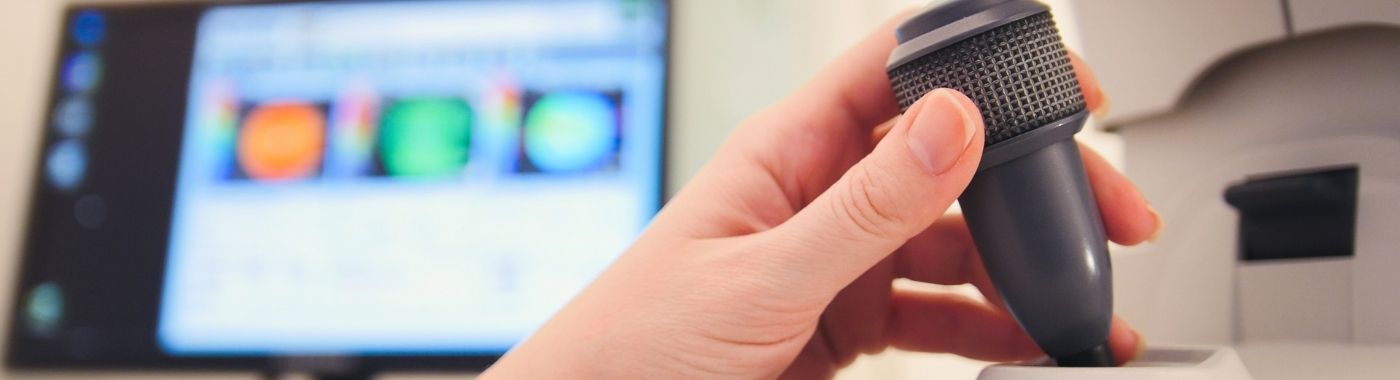
Elastography sends a mechanical wave through tissue and measures how fast that wave travels. Waves move faster through stiffer tissue. The machine converts wave speed into a stiffness value.
In the liver, fibrosis makes tissue stiffer, so the stiffness value is used as an indirect marker of fibrosis stage. Elastography does not look at liver tissue under a microscope; it estimates a physical property and infers scarring from it.
Many FibroScan devices also report a controlled attenuation parameter (CAP), a separate measurement that estimates liver fat. CAP and stiffness are two different numbers answering two different questions.
Why elastography is done
- To estimate liver fibrosis in chronic hepatitis B, chronic hepatitis C, metabolic dysfunction-associated steatotic liver disease (MASLD, formerly called NAFLD), MetALD and alcohol-related liver disease.
- To help decide who needs specialist referral after abnormal liver enzymes (SGPT/ALT, SGOT/AST) or an ultrasound reported as fatty liver.
- To monitor change over time: for example after antiviral treatment, after reducing alcohol, or with metabolic improvement.
- To flag risk of advanced disease and portal hypertension, prompting further assessment such as endoscopy in selected patients.
- Other tissues: shear-wave elastography is used in some centres as an adjunct when assessing thyroid nodules, breast lesions, kidney or transplant kidney tissue, tendons and muscle. In these areas the evidence is less mature than for the liver, and elastography is always an add-on to conventional imaging, never a stand-alone answer.
Tko bi trebao napraviti ovaj test
- Adults with fatty liver on ultrasound plus a metabolic risk factor, type 2 diabetes, prediabetes, hypertension, dyslipidaemia, or central adiposity. South Asians develop metabolic liver disease at lower BMI than many other populations, so a "normal" weight does not remove the question.
- People with persistently raised SGPT/SGOT after an initial evaluation.
- People with known chronic hepatitis B or C.
- People with significant or long-standing alcohol use.
- People with an intermediate or high non-invasive fibrosis score (such as FIB-4) where a second-line test is needed.
- People with established chronic liver disease needing periodic reassessment.
Elastography is not a general health-check screening test. It is requested for a defined clinical question. Whether it suits you is a decision for your treating doctor.
What elastography cannot detect or exclude
This matters more than what it can do, because stiffness values are routinely over-read.
- It cannot diagnose the cause of liver disease. Hepatitis B, hepatitis C, hepatitis E, autoimmune hepatitis, drug-induced liver injury and metabolic liver disease can all raise stiffness. Blood tests and history separate them.
- It cannot measure inflammation. A raised value may reflect active inflammation rather than permanent scarring.
- It cannot exclude cirrhosis. A value in the low range makes advanced fibrosis less likely but does not rule it out, particularly if the examination was technically difficult.
- It is not a cancer test. Elastography does not screen for hepatocellular carcinoma and does not exclude a tumour. Liver cancer surveillance uses ultrasound, with or without AFP, at defined intervals in at-risk people.
- It does not image the bile ducts, gallbladder stones, blood vessels or focal lesions unless a conventional ultrasound is performed alongside.
- It cannot replace biopsy in every situation. Biopsy remains necessary when the diagnosis is uncertain, when several diseases may coexist, or when histology will change treatment.
- Normalan rezultat je "nije identificirano", a ne "isključeno". If your symptoms persist or worsen despite a normal elastography, go back to your doctor rather than treating the number as closure.
Povezani, ali različiti pregledi
| ispit | Pitanje na koje odgovara | Ključna razlika |
|---|---|---|
| Tranzijentna elastografija (FibroScan) | How stiff is the liver, and how much fat (CAP)? | Dedicated device, no image of the liver; the operator cannot see what the probe is measuring. Can fail in obesity, ascites or narrow rib spaces. |
| Ultrasound shear-wave elastography (2D-SWE, pSWE/ARFI) | How stiff is a region I can see? | Performed on a standard ultrasound machine, so the measurement region is chosen under image guidance. Cut-offs differ by manufacturer and are not transferable from FibroScan. |
| MR elastography | Stiffness across a much larger volume of liver | Least affected by body habitus or fluid; requires MRI access, longer scan, higher cost, and MRI safety assessment for implants. |
| Standard USG abdomen (sonography) | Is there fatty change, a mass, stones, duct dilatation, ascites? | Descriptive and operator-dependent. Ultrasound fatty-liver "grades" are subjective, insensitive to mild fat, and say nothing about fibrosis. |
| Blood-based scores (FIB-4, APRI) | Is advanced fibrosis unlikely enough to stop here? | Cheap, widely available first step; poor at confirming fibrosis, so intermediate results often lead to elastography. |
| Biopsija jetre | What exactly is happening in the tissue? | Provides cause, inflammation and fibrosis together; invasive, with a small risk of bleeding and pain. |
No single test is superior in all situations. Which comes first depends on the clinical problem: raised SGPT with metabolic risk usually starts with blood tests and a standard sonography; a suspicious focal lesion starts with contrast-enhanced imaging, not elastography; monitoring treated hepatitis B usually uses elastography serially.
Kako se pripremiti
Preparation is operational and set by the unit performing your test. Your appointment instructions override anything written here.
- Post: most units request a period of fasting before liver elastography, because a recent meal increases blood flow and can raise stiffness readings. Ask your unit for the exact duration.
- Water and medicines: plain water is usually permitted. Continue your prescribed medicines unless the prescriber has told you otherwise. Do not stop or alter any medicine on your own.
- Odjeća: loose clothing that gives access to the right side of the upper abdomen. A gown may be provided.
- Reci timu o: pregnancy, an implanted cardiac device or any implant, ascites, recent hepatitis flare, heart failure, recent alcohol intake, and any recent injury if a muscle or tendon is being assessed.
- Donijeti: previous elastography reports, ultrasound reports and liver blood tests, so the same technique and comparison are possible.
Dijabetes na terapiji za snižavanje glukoze
Fasting while taking insulin, a sulphonylurea or other glucose-lowering medicine can cause hypoglycaemia. Tell the unit in advance, request an early slot, ask the prescriber how to time your doses, and carry a fast-acting sugar source.
Advanced CKD, heart failure or fluid restriction
Do not increase fluid intake for this test. Heart failure and fluid overload raise liver stiffness independently of fibrosis, so mention these conditions, they change how the result is read.
Trudnoća
Ultrasound-based elastography does not use ionising radiation. Any ultrasound performed during pregnancy in India is governed by the PC-PNDT Act, 1994, and must never be used for sex determination. Tell the unit you are pregnant so the appropriate examination and documentation are arranged. MR elastography in pregnancy is decided case by case.
Djeca
Elastography is performed in children in specialised paediatric units using paediatric probes and paediatric interpretation. Adult cut-offs do not apply. Fasting instructions for children must come from the paediatric team.
Implants and devices (MR elastography)
Pacemakers, defibrillators, cochlear implants, metallic fragments and some clips require MRI safety assessment before MR elastography. This is an assessment, not an automatic refusal.
What happens during elastography
Transient elastography (FibroScan): you lie on your back with the right arm raised. Gel is applied between the lower right ribs and a probe is placed on the skin. You feel a soft tap or flick with each measurement. Several valid measurements are taken and the median is reported.
Ultrasound shear-wave elastography: performed like a routine sonography. The sonologist images the liver, selects a region away from large vessels and the capsule, and asks you to hold your breath briefly for each measurement.
MR elastography: you lie inside the MRI scanner with a small pad on the abdomen that generates gentle vibration during breath-holds.
All three are painless apart from mild probe pressure. No recovery time is needed and you can eat and return to normal activity straight away.
Koliko dugo traje proces
- FibroScan: otprilike 10-15 minuta skeniranja.
- Ultrasound shear-wave elastography: about 15-30 minutes, longer if a full abdominal survey is included.
- MR elastography: approximately 30-60 minutes in the scanner.
- Ukupno vrijeme posjeta is longer than scanning time because of registration, changing and waiting.
Razumijevanje vašeg izvješća
A liver elastography report usually contains the stiffness value (median kPa or m/s), a measure of reliability (such as the interquartile range relative to the median for FibroScan), the number of valid measurements, the probe used, and sometimes CAP for liver fat.
Key points when reading it:
- Thresholds are technique-specific and disease-specific. The stiffness value that suggests advanced fibrosis in hepatitis C is not the same as in MASLD, and FibroScan cut-offs cannot be applied to a shear-wave result from a different machine. For this reason no numeric cut-off table is reproduced here, your report should be read against the cut-offs validated for the exact device, probe and disease, by the doctor who requested it.
- Reliability matters as much as the number. A wide interquartile range or few valid measurements makes the result unreliable, whatever the value.
- Stiffness is a continuum, not four clean stages. Values near a threshold should be interpreted cautiously and often repeated.
- Trends carry more weight than single readings, provided the same technique and probe are used.
- Grades and stages are frequently over-interpreted. A single elevated value does not mean you have cirrhosis, and it does not predict a timeline.
Never act on the number alone. Interpretation belongs with the clinician who knows your history, medicines, alcohol intake, viral serology and blood results.
Kada rezultati mogu biti obmanjujući
Factors that can falsely raise stiffness
- Recent food intake: postprandial blood flow increases stiffness.
- Active hepatitis or a flare with markedly raised SGPT/SGOT.
- Right heart failure or fluid overload causing hepatic congestion.
- Biliarna opstrukcija (extrahepatic cholestasis).
- Heavy recent alcohol intake, which can fall again after abstinence.
- Amyloidosis or infiltrative disease.
- Tehnički faktori: breath-holding in deep inspiration, measuring through a large vessel, or excess probe pressure in shear-wave elastography.
Factors that can falsely lower stiffness or produce failed measurements
- ascites: transient elastography often fails altogether.
- Obesity, thick subcutaneous fat or narrow intercostal spaces: unreliable or failed readings unless an appropriate probe is used.
- Measurement of too small a region or too few valid shots.
- Patchy fibrosis: stiffness may be sampled from a less affected area, so early or unevenly distributed fibrosis can be missed.
Outside the liver, elastography of thyroid, breast, muscle and kidney is more operator-dependent again, and stiffness alone cannot distinguish benign from malignant tissue.
Rizici i sigurnost
Tranzijentna elastografija (FibroScan)
No needles, no contrast, no ionising radiation. Discomfort is limited to mild probe pressure and the tapping sensation. The main practical limitation is measurement failure rather than harm.
Ultrasound shear-wave elastography
Uses diagnostic ultrasound energy within regulated limits. No radiation and no injection. Some people find sustained probe pressure over a tender abdomen uncomfortable.
MR elastography
No ionising radiation, but MRI-specific considerations apply: enclosed space and claustrophobia, loud noise, and mandatory MRI safety assessment for implants and metallic foreign bodies. If a contrast-enhanced MRI is performed in the same sitting, contrast-related considerations are discussed separately and depend on kidney function and allergy history.
Results vary depending on individual clinical circumstances.
crvene zastave
Hitno odmah: idite u najbližu hitnu službu
- Povraćanje krvi ili crna katranasta stolica.
- New confusion, drowsiness, disorientation or difficulty waking someone with liver disease.
- Fever with severe abdominal pain and rapidly worsening abdominal distension.
- Breathlessness at rest, chest pain, or fainting.
Isti dan: obratite se svom liječniku još danas
- New yellowing of the eyes or skin, or dark urine with pale stools.
- Rapidly increasing abdominal swelling or leg oedema.
- New fever with jaundice.
- Uporno povraćanje ili nemogućnost zadržavanja tekućine.
Rutinski pregled
- An elastography value reported as raised, with no acute symptoms.
- Persistently abnormal SGPT/SGOT on repeat testing.
- Fatty liver on sonography with diabetes, hypertension or dyslipidaemia.
- A failed or unreliable elastography that needs repeating by a different technique.
- Ongoing symptoms despite a normal result, a normal stiffness value is not a reason to stop investigating.
Posebne situacije
Trudnoća
Elastography is occasionally used in pregnancy for specific liver questions. All obstetric and prenatal ultrasound in India falls under the PC-PNDT Act, 1994. Normal reference behaviour of stiffness shifts in pregnancy, so results need specialist interpretation.
Djeca i adolescenti
Paediatric metabolic liver disease is increasingly recognised in India. Elastography is feasible in children but requires paediatric probes, paediatric cut-offs and paediatric hepatology interpretation.
Starije odrasle osobe
Coexisting heart failure, medicines and reduced mobility all affect both the feasibility and the reading. Positioning assistance may be needed.
Dijabetes na terapiji za snižavanje glukoze
Fasting requirements need planning with the prescriber to avoid hypoglycaemia. Diabetes also raises the likelihood of significant fibrosis, so elastography is frequently requested in this group.
Chronic kidney disease and kidney transplant
Kidney elastography is used in some centres to assess transplant or native kidney fibrosis, but values are affected by depth, hydration and intrarenal pressure, and increased cortical echogenicity on routine sonography is non-specific. Kidney elastography remains adjunctive.
Zastoj srca
Hepatic congestion raises liver stiffness without fibrosis. Elastography in decompensated heart failure can substantially overestimate fibrosis and should be interpreted with that in mind, or repeated once fluid status is stable.
Elastography in the Indian context
- Metabolička bolest jetre pri nižem indeksu tjelesne mase (BMI): South Asians accumulate visceral and hepatic fat at lower body weight, so MASLD occurs in people who do not look overweight. Nomenclature has moved from NAFLD/NASH to MASLD/MASH under the umbrella term steatotic liver disease (SLD), with MetALD describing coexisting metabolic risk and significant alcohol intake (Rinella et al., multi-society Delphi consensus, 2023).
- Virusni hepatitis: chronic hepatitis B and C remain important causes of fibrosis in India, and elastography is widely used in their follow-up. Acute hepatitis E is common and can transiently raise stiffness, elastography during an acute illness can mislead.
- Oštećenje jetre uzrokovano lijekovima i dodacima prehrani: anti-tubercular therapy is a frequent cause of hepatotoxicity in India, and liver injury from some AYUSH, herbal and gym or bodybuilding supplements is well documented. Tell the unit and your doctor everything you take, including non-prescription products.
- Terminologija koju ćete čuti lokalno: "USG abdomen", "sonography", "FibroScan", "liver stiffness test", SGPT for ALT and SGOT for AST.
- Pristup: transient elastography is available in many tertiary and mid-sized centres; MR elastography is limited to a smaller number of centres with the required MRI hardware.
- Podaci: any online form or report-sharing tool used by a facility is governed by the Digital Personal Data Protection Act, 2023.
Troškovi i osiguranje te što utječe na troškove u Indiji
Costs in ? vary widely and are not quoted here because they change by city, sector and technique. What drives the difference:
- Tehnika: transient elastography is generally the least expensive; ultrasound shear-wave elastography is often billed with the sonography; MR elastography costs substantially more because of MRI time.
- Povezivanje: whether CAP, a full USG abdomen or blood-based fibrosis scores are included.
- Postavljanje: government, trust, standalone diagnostic centre or corporate hospital; metro versus smaller town.
- Probe and repeat measurements: obesity may need a specialised probe or a repeat visit.
- Konzultacije: a specialist review to interpret the value may be charged separately.
- Osiguranje: outpatient diagnostics are often not covered unless linked to an admission or a specific outpatient benefit. Government schemes have their own package rules. Confirm coverage with your insurer or the hospital's insurance desk before the test.
Any figure quoted to you is indicative and should be confirmed with the facility at the time of booking.
Mitovi i činjenice
| Mit | Činjenica |
|---|---|
| Elastography can detect cancer. | Elastography measures stiffness. It does not screen for or exclude liver cancer. Tumour assessment needs conventional and contrast-enhanced imaging. |
| A FibroScan result can be compared with any other elastography report. | Cut-offs and values differ by device, probe and disease. Comparisons are valid only within the same technique. |
| A high kPa value means cirrhosis. | Food, hepatitis flare, congestion and biliary obstruction all raise values. A single high reading needs re-evaluation in context. |
| Elastography has completely replaced liver biopsy. | It has reduced the need for biopsy, but biopsy is still required when the diagnosis is unclear or histology will change treatment. |
| A normal elastography means my liver is fine. | It makes advanced fibrosis less likely. It does not assess inflammation, viral status or focal lesions. |
| Ultrasound "Grade 2 fatty liver" tells me my fibrosis stage. | Ultrasound fat grading is subjective, operator-dependent and says nothing about fibrosis or inflammation. |
Često postavljana pitanja
Is FibroScan the same as elastography?
FibroScan is one brand of vibration-controlled transient elastography, which is one type of elastography. Ultrasound shear-wave elastography and MR elastography are other types. They measure the same physical property but use different hardware and different validated thresholds, so their numbers are not interchangeable.
Does elastography hurt?
Elastography is not painful. With FibroScan you feel a light tapping against the ribs. With ultrasound shear-wave elastography you feel probe pressure and gel. MR elastography involves gentle abdominal vibration. No needles, injections or anaesthesia are used for the elastography itself.
Why do I need to fast before a liver elastography?
Eating increases blood flow through the liver and can raise the stiffness reading, suggesting more fibrosis than is present. Fasting reduces this error. The required duration differs between units, so follow the instruction your performing unit gives you rather than a general rule.
Can elastography replace a liver biopsy?
Elastography has reduced how often biopsy is needed, particularly for staging fibrosis in viral hepatitis and MASLD. Biopsy is still used when the cause is uncertain, when more than one liver disease may coexist, or when tissue findings will directly change treatment decisions.
My elastography value is raised. Do I have cirrhosis?
Not necessarily. A raised value indicates increased stiffness, which may reflect fibrosis, active inflammation, hepatic congestion, biliary obstruction or a technical error. Interpretation requires your blood tests, history and the reliability details on the report, and is done by the doctor who ordered the test.
Can elastography be done if I have a lot of abdominal fluid?
Transient elastography often fails when ascites is present. Ultrasound shear-wave elastography may also be unreliable. MR elastography is less affected by fluid and body habitus, so it is sometimes chosen in these situations where available.
How often should elastography be repeated?
The interval depends on the underlying diagnosis, current stiffness, treatment and other test results. Monitoring intervals range from several months to a few years. Ask your hepatologist or gastroenterologist to set an interval based on your specific situation rather than following a fixed schedule.
Is elastography safe in pregnancy?
Ultrasound-based elastography does not use ionising radiation and is used in pregnancy for specific liver indications. All ultrasound in pregnancy in India is regulated under the PC-PNDT Act, 1994. Inform the unit that you are pregnant so the correct examination and documentation are arranged.
Can elastography check my kidneys or thyroid too?
Some centres use shear-wave elastography as an add-on when assessing kidney tissue, transplant kidneys, thyroid nodules, breast lesions or tendons. Outside the liver the evidence is less established, stiffness cannot separate benign from malignant reliably, and results always support rather than replace conventional imaging.
Izvori
- Rinella ME, et al. A multi-society Delphi consensus statement on new fatty liver disease nomenclature. 2023.
- European Association for the Study of the Liver, Clinical Practice Guidelines on non-invasive tests for evaluation of liver disease severity and prognosis.
- European Federation of Societies for Ultrasound in Medicine and Biology (EFSUMB) guidelines and recommendations on liver ultrasound elastography.
- World Health Organization guidelines on chronic hepatitis B and hepatitis C testing and management.
- Zakon o tehnikama prenatalne dijagnostike prije začeća i u prenatalnoj dobi (zabrana odabira spola), 1994., Vlada Indije.
- Zakon o zaštiti digitalnih osobnih podataka, 2023., Vlada Indije.









 Najbolja bolnica u mojoj blizini Chennai


