



The Institute of Neurosciences at Indraprastha Apollo Hospitals brings together neurology, neurosurgery, neurointervention and neurorehabilitation to treat disorders of the brain, spinal cord, nerves and muscles. It manages conditions ranging from migraine, epilepsy and nerve pain to stroke, Parkinson's disease, dementia, brain tumours and spinal cord problems in adults and children.
The nervous system controls movement, sensation, speech, memory and the functions of every organ. Some neurological problems develop suddenly and need treatment within hours, such as stroke or bleeding in the brain. Others, such as Parkinson's disease or multiple sclerosis, progress over years and need long-term specialist follow-up.
Neurologists, neurosurgeons, interventional neuroradiologists, neuro-intensivists and rehabilitation specialists plan care together. Patients receive diagnosis, medical treatment, procedures, surgery and rehabilitation within one institution, followed by regular review.
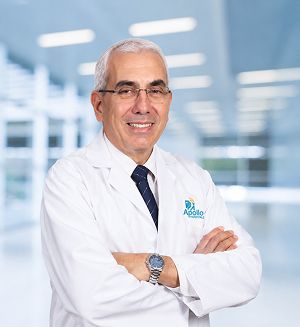
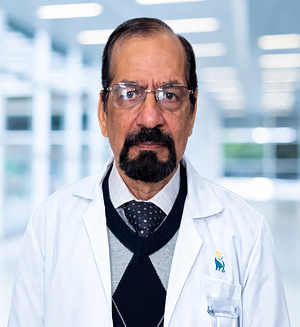
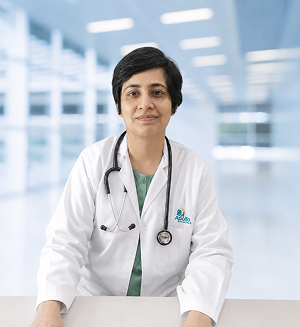
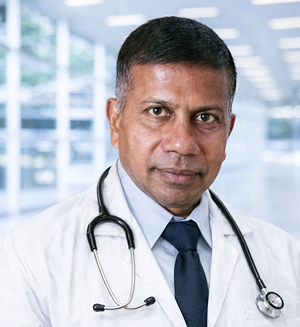
Our Neurologists and Nevrokirurger
The team includes neurologists, neurosurgeons, spine surgeons, interventional neuroradiologists, neuro-anaesthesiologists, neuro-intensivists, neurophysiologists and neuropsychologists. They are supported by physiotherapists, occupational therapists, speech and swallowing therapists and specialist nurses. Complex cases are reviewed jointly so that medical, interventional and surgical options are weighed together.


- Slag og blodkarsykdommer
- Anfall og hodepine
- Anfall og hodepine
- Degenerative and Movement Disorders
- Immune, Nerve and Muscle Conditions
- Brain and Spine Structural Conditions
- Hjerneinfeksjoner
- Ischaemic stroke and TIA. A clot blocks blood flow to part of the brain, causing sudden weakness or numbness on one side, facial drooping, slurred speech, loss of vision or balance problems. A transient ischaemic attack (TIA) causes similar symptoms that resolve within minutes or hours but signals a high short-term risk of stroke. Both need emergency assessment.
- Brain haemorrhage and aneurysms. Bleeding into or around the brain is often linked to high blood pressure or a ballooned blood vessel called an aneurysm. A ruptured aneurysm typically causes a sudden, extremely severe headache, sometimes with vomiting, neck stiffness or loss of consciousness. Immediate treatment is needed.

- Ischaemic stroke and TIA - A clot blocks blood flow to part of the brain, causing sudden weakness or numbness on one side, facial drooping, slurred speech, loss of vision or balance problems. A transient ischaemic attack (TIA) causes similar symptoms that resolve within minutes or hours but signals a high short-term risk of stroke. Both need emergency assessment.
- Brain haemorrhage and aneurysms - Bleeding into or around the brain is often linked to high blood pressure or a ballooned blood vessel called an aneurysm. A ruptured aneurysm typically causes a sudden, extremely severe headache, sometimes with vomiting, neck stiffness or loss of consciousness. Immediate treatment is needed.
- Epilepsi - A tendency to have repeated seizures due to abnormal electrical activity in the brain. Seizures can cause jerking, stiffening, staring spells or brief confusion. Causes include genetic factors, head injury, stroke, brain infections such as neurocysticercosis, and tumours, though often no cause is found.
- Migraine and chronic headache - Migraine causes recurring, often one-sided, throbbing headaches with nausea and sensitivity to light or sound, sometimes preceded by visual disturbances. Most headaches are not dangerous, but a sudden severe headache, or one with fever, weakness or confusion, needs urgent evaluation.
- Parkinsons sykdom - A progressive condition causing tremor at rest, slowness of movement, stiffness and balance problems. Non-movement symptoms such as constipation, sleep disturbance, low mood and loss of smell are common. Treatment can control symptoms for many years.
- Dementia and Alzheimer's disease - Progressive decline in memory, thinking and daily functioning. Early signs include forgetting recent events, repeating questions and difficulty managing finances or familiar tasks. Some causes of memory problems, such as vitamin B12 deficiency or thyroid problems, are treatable, making assessment important.
- Multippel sklerose - An immune condition that damages the protective coating of nerves in the brain and spinal cord, causing episodes of vision loss, numbness, weakness or balance problems. It usually begins in young adults.
- Perifer nevropati - Damage to the nerves of the hands and feet, causing tingling, burning, numbness or weakness. Diabetes is the most common cause, while vitamin deficiencies, alcohol and certain medicines are others.
- Guillain-Barré syndrome and myasthenia gravis - Guillain-Barré syndrome causes rapidly spreading weakness, often after an infection, and can affect breathing. Myasthenia gravis causes muscle weakness that worsens with use, often affecting the eyelids, eye movements and swallowing.
- Brain tumours - Abnormal growths that may be benign, such as meningiomas, or cancerous, such as gliomas or tumours that have spread from elsewhere. Symptoms depend on location and may include headaches that worsen over time, seizures, weakness, vision or personality changes.
- Hodeskade - Injury from falls or road accidents ranges from mild concussion to bleeding around or within the brain. Drowsiness, repeated vomiting, confusion or a worsening headache after a head injury need urgent assessment.
- Spinal cord and nerve compression - A slipped disc, narrowing of the spinal canal, injury or tumour can press on the spinal cord or nerves, causing neck or back pain radiating to the limbs, numbness, weakness or difficulty walking. Loss of bladder or bowel control needs emergency care.
- Vannhodebetennelse - Build-up of fluid within the brain that may cause headaches, walking difficulty, memory problems or bladder issues in adults, and an enlarging head in infants.
Meningitis and encephalitis - Infection of the brain's coverings or the brain itself causes fever, severe headache, neck stiffness, confusion or seizures. Tuberculous meningitis and neurocysticercosis, a parasitic infection, are important causes in India.
Many neurological conditions are managed with medicines and rehabilitation, while others need procedures performed from inside the blood vessels or open surgery. Treatment is planned jointly by neurologists, neurosurgeons and interventional specialists according to the diagnosis and the patient's condition. Treatment plans vary by patient and are decided after consultation.
- Medisinsk behandling
- Akuttbehandling av hjerneslag
- Nevrovaskulære prosedyrer
- Hjernesvulstkirurgi
- Ryggkirurgi
- Functional and Epilepsy Surgery
- Hydrocephalus Behandling
- Botulinumtoksinbehandling
- Neurorehabilitation

- Medisiner mot anfall — chosen by seizure type, age, other conditions and plans for pregnancy, with dose adjustments to balance control and side effects.
- Parkinson's medicines — to replace or mimic dopamine and improve movement.
- Migraine prevention and relief — including newer preventive medicines for frequent migraine.
- Immune therapies — disease-modifying treatments for multiple sclerosis, and intravenous immunoglobulin (IVIG) or plasma exchange for Guillain-Barré syndrome and myasthenia gravis crises.
- Forebygging av hjerneslag — blood thinners, cholesterol medicines and blood pressure control after a stroke or TIA.
- Trombolyse — a clot-dissolving medicine given through a vein, suitable for selected patients when started within
noen4.5[SS1] hours of symptom onset. - Mekanisk trombektomi — a catheter is guided to the blocked brain artery to remove the clot, used for selected patients with large-vessel blockages, in some cases up to 24 hours after onset based on imaging.
Brain aneurysms may be treated by endovascular coiling or flow-diverting stents placed from inside the artery, or by surgical clipping through a craniotomy. Abnormal vessel tangles may be treated with embolisation, surgery or focused radiation.
Brain tumour surgery aims to remove as much of the tumour as safely possible while protecting nearby brain function. Techniques may include image-guided navigation, intraoperative monitoring, awake surgery for tumours near speech or movement areas, and endoscopic surgery through the nose for pituitary and skull base tumours. Further treatment with radiotherapy or chemotherapy is planned with the oncology team.
Procedures include minimally invasive removal of disc fragments, decompression of narrowed spinal canals, stabilisation of unstable segments and removal of spinal tumours. Surgery is considered when nerve compression causes progressive weakness, persistent pain despite non-surgical treatment, or spinal cord compression.
- Dyp hjernestimulering (DBS) — thin electrodes placed in specific brain areas, connected to a device under the skin, to reduce symptoms in selected patients with Parkinson's disease, tremor or dystonia.
- Epilepsi operasjon — removal or disconnection of the brain area causing seizures, or nerve stimulation devices, for carefully selected patients with drug-resistant epilepsy.
Excess fluid can be drained using a shunt that diverts fluid to the abdomen, or by an endoscopic procedure called endoscopic third ventriculostomy (ETV) in suitable cases.
Injections into specific muscles can reduce spasticity after stroke, dystonia and, in selected patients, chronic migraine.
Physiotherapy, occupational therapy, and speech and swallowing therapy help patients regain function after stroke, brain injury, spinal surgery or neurological illness, with goals set for each individual.
These tools support precise diagnosis and safer procedures; outcomes depend on the condition, its severity and how quickly treatment begins.
- 3 Tesla MRI and advanced CT
- Biplane neuro-angiography suite
- Nevronavigasjon
- Intraoperativ nevrofysiologisk overvåking
- Operating microscope and neuro-endoscopy
- Intraoperative imaging (O-arm or intraoperative CT)
- Stereotaktisk radiokirurgi
- Video-EEG monitoring unit
- Nevrointensivavdeling
high-resolution brain and spine imaging, including perfusion scans that help select stroke patients for clot removal.
two-angle X-ray imaging of brain blood vessels for thrombectomy, aneurysm coiling and other neurointerventions.
a GPS-like system that matches instruments to the patient's scans during brain and spine surgery.
tracks nerve and spinal cord function during surgery to reduce the risk of injury.
magnified views for delicate surgery, including endoscopic surgery through the nose for pituitary tumours.
confirms screw position and extent of tumour removal during surgery.
focused radiation for selected small brain tumours and vascular malformations without an incision.
records seizures for accurate diagnosis and surgical planning.
specialised intensive care with monitoring of brain pressure and function.


The team treats stroke, brain haemorrhage, aneurysms, epilepsy, migraine, Parkinson's disease, dementia, multiple sclerosis, neuropathy, Guillain-Barré syndrome, myasthenia gravis, brain and spinal tumours, head and spinal injuries, hydrocephalus, disc problems and brain infections. Treatment ranges from medicines and rehabilitation to neurointervention and surgery.
Useful points include round-the-clock stroke care with access to clot-removal procedures, neurologists and neurosurgeons working together, advanced MRI and CT imaging, a neuro ICU, and sub-speciality clinics for epilepsy, movement disorders and memory problems. In-house rehabilitation and long-term follow-up are also important for many neurological conditions.
Sudden facial drooping, weakness or numbness in an arm or leg, slurred or confused speech, loss of vision, or sudden loss of balance may signal a stroke. Call 108 or 112, or 1066 (Apollo Emergency & Ambulance Helpline) immediately and note the time symptoms began. Do not wait for symptoms to settle, as several stroke treatments work only within a limited time window.
Mechanical thrombectomy, in which a catheter is used to remove a clot from a large brain artery, is available for selected patients. Eligibility is decided using brain and vessel imaging. Clot-dissolving medicine may also be given to suitable patients who arrive early. Faster arrival generally means more treatment options.
A neurologist diagnoses and treats nervous system conditions with medicines, tests and other non-surgical approaches, such as for epilepsy, migraine, Parkinson's disease and multiple sclerosis. A neurosurgeon performs operations on the brain, spine and nerves, for example for tumours, bleeding or spinal compression. The two often work together on the same patient.
Most people with epilepsy achieve good seizure control with one or more anti-seizure medicines taken regularly. Missing doses, lack of sleep and alcohol can trigger seizures. People whose seizures continue despite trying two appropriate medicines may have drug-resistant epilepsy and can be evaluated for surgery, nerve stimulation or dietary therapy.
Most headaches, including migraine and tension headaches, are not dangerous. Seek urgent care for a sudden, severe headache that peaks within seconds or minutes, headache with fever and neck stiffness, headache after a head injury, or headache with weakness, confusion, vision loss or seizures. A headache pattern that steadily worsens over weeks also needs evaluation.
Deep brain stimulation may be offered for selected patients with Parkinson's disease, tremor or dystonia whose symptoms are not well controlled with medicines. Suitability is assessed by movement disorder neurologists, neurosurgeons and neuropsychologists. DBS does not cure Parkinson's disease, but it can reduce motor symptoms and medicine-related fluctuations in suitable patients.
Most patients are monitored in a neuro ICU or high-dependency unit initially, followed by ward care and early rehabilitation. A post-operative scan confirms how much of the tumour was removed, and the tissue is examined to determine its type. Further treatment, such as radiotherapy or chemotherapy, is planned with oncologists when needed.
No. Many people with a slipped disc improve over weeks to a few months with medicines, physiotherapy and activity modification. Surgery is generally considered when pain persists despite adequate non-surgical treatment, when weakness is worsening, or urgently when there is loss of bladder or bowel control, which suggests severe nerve compression.
Rehabilitation typically begins early, often within days of a stroke, with physiotherapy, occupational therapy, and speech and swallowing therapy. The team also addresses stroke prevention through blood pressure, cholesterol and blood thinner management. Families are guided on home safety, exercises and recognising warning signs of a repeat stroke.
Patients from Delhi, Noida, Gurugram, Ghaziabad, Faridabad and neighbouring states can book appointments through the hospital's official website or verified appointment services. Bring previous MRI or CT scans (images and reports), EEG or nerve study results, and a list of current medicines.




