


영상


Balloon valvuloplasty is a minimally invasive procedure designed to treat narrowed heart valves, particularly the mitral and aortic valves. At Apollo Hospitals Lucknow, we pride ourselves on our reputation for excellence in cardiac care, utilising advanced technology and careful, evidence-based technique selection to work towards the best possible outcomes for our patients. Our team of cardiologists and healthcare professionals is dedicated to providing personalised care, and we aim to be among the more experienced centres for balloon valvuloplasty in the region. With a focus on patient trust and clear communication, we are committed to guiding you through every step of your treatment journey.
In India, the single largest reason for balloon valvuloplasty remains rheumatic mitral stenosis ? a late consequence of untreated streptococcal throat infection in childhood. This makes balloon mitral valvotomy one of the most commonly performed structural heart procedures in the country, and it is one where good patient selection matters more than technology alone.
Balloon valvuloplasty is important for patients with valvular heart disease, particularly those with stenosis, where the heart valve becomes narrowed and impedes blood flow. Left untreated, significant stenosis can lead to serious complications including heart failure, atrial fibrillation and other arrhythmias, stroke from clot formation, and in severe cases death. The procedure involves inserting a balloon catheter across the affected valve and inflating it to widen the opening, allowing improved blood flow and reduced strain on the heart.
The benefits are meaningful. It can relieve symptoms such as breathlessness, fatigue, palpitations and chest discomfort, improving day-to-day quality of life. It is often performed as an alternative to open-heart surgery in suitable patients, offering a less invasive option with a shorter recovery. At Apollo Hospitals Lucknow, we use echocardiographic scoring and catheterisation technique aimed at maximising precision and safety during the procedure.
Delaying balloon valvuloplasty can have serious consequences. As the valve continues to narrow, the heart must work harder to move blood forward, leading to raised pressures in the lungs and potential damage to the heart muscle and heart rhythm. Patients may notice worsening symptoms that significantly restrict daily life. In severe cases, untreated valvular stenosis can result in life-threatening complications including heart failure, stroke or sudden cardiac events.
Timely assessment matters. At Apollo Hospitals Lucknow, we emphasise early diagnosis and treatment. Our team is equipped to assess your condition promptly and recommend the most appropriate course of action, so that necessary care is not postponed unnecessarily. Equally, not every narrowed valve needs immediate intervention ? some patients are safely monitored, and we will tell you honestly which category you fall into.
These benefits apply to appropriately selected patients. Results depend on valve anatomy, calcification, the degree of existing leakage and the presence of clot in the heart ? which is why the pre-procedure echo assessment is so important.
At Apollo Hospitals Lucknow, we provide support throughout preparation and recovery so that you feel informed at every step.
Balloon valvuloplasty is usually a planned procedure. From first cardiology consultation to the day of the procedure, the timeline for a stable patient is commonly one to three weeks, depending on test results, dental clearance and insurance pre-authorisation. Patients presenting with acute pulmonary oedema, severe symptoms at rest or pregnancy-related decompensation may be taken up urgently.
| 상 | 일반적인 타이밍 | 무슨 일이 |
|---|---|---|
| 첫 번째 상담 | 일 0 | History, examination, ECG, chest X-ray, transthoracic echocardiogram; decision on whether intervention is indicated |
| 상세한 평가 | Within 1?2 weeks | Transoesophageal echo to score the valve and exclude left atrial clot; blood tests; anaesthetic and dental review where needed |
| Clot on anticoagulation | 3?6 weeks if clot found | If a clot is seen in the left atrial appendage, blood thinners are given and the echo repeated before proceeding |
| 입학 | Day before or morning of procedure | Consent, fasting, groin preparation, IV line, final checks |
| 순서 | 보통 1~2시간 | Catheter access, transseptal puncture for mitral cases, balloon dilatation, pressure and echo confirmation of result |
| 방출 | 24?48 hours in uncomplicated cases | Puncture site check, repeat echo, medication counselling |
Recommendations below reflect current major valvular heart disease guidance, including the 2020 ACC/AHA Guideline for the Management of Patients With Valvular Heart Disease (with its 2023 focused update on management of atrial fibrillation-related considerations), the 2021 ESC/EACTS Guidelines for the Management of Valvular Heart Disease, and Indian guidance on rheumatic heart disease from the Cardiological Society of India (CSI) and the Indian Council of Medical Research?supported national RHD programme materials.
Guidelines evolve. Your cardiologist will apply the version current at the time of your treatment to your individual anatomy and circumstances.
| 선택권 | 가장 적합한 | Anaesthesia and access | 일반적인 입원 기간 | 주요 제한 사항 |
|---|---|---|---|---|
| Balloon mitral valvotomy (Inoue balloon) | Pliable, non-calcified rheumatic mitral stenosis without clot or significant leak | Local anaesthesia with sedation; femoral vein, transseptal route | 1~2일 | Not suitable for heavily calcified valves; small risk of causing mitral leakage |
| Balloon aortic valvuloplasty | Congenital aortic stenosis in children/young adults; bridge therapy in unstable adults | Local or general anaesthesia; femoral artery | 1~3일 | In adults with calcific disease the benefit is temporary; restenosis is common |
| Balloon pulmonary valvuloplasty | Congenital pulmonary valve stenosis | Sedation or general anaesthesia in children; femoral vein | 1~2일 | Occasional need for repeat procedure; residual pulmonary regurgitation |
| Surgical mitral valve repair or commissurotomy | Unsuitable anatomy for balloon, or clot present | General anaesthesia; sternotomy or minimally invasive | 5~8일 | Longer recovery, bypass required, scar |
| Mitral or aortic valve replacement | Calcified valves, significant regurgitation, mixed valve disease | General anaesthesia; open surgery | 6~10일 | Mechanical valve needs lifelong warfarin and INR monitoring; tissue valve degenerates over time |
| TAVI (transcatheter aortic valve implantation) | Older adults with severe calcific aortic stenosis at surgical risk | Local anaesthesia with sedation; femoral artery | 2~5일 | Higher device cost; not indicated for rheumatic mitral disease |
| Medical management only | Mild or asymptomatic disease; patients unfit for any intervention | 적용 할 수 없음 | 적용 할 수 없음 | Does not relieve the obstruction; symptoms usually progress |
| 상 | 무엇을 기대합니다 | 활동 안내 |
|---|---|---|
| 처음 6~12시간 | Bed rest with the leg kept straight; pressure dressing on the groin; heart rhythm and BP monitoring | Lie flat as instructed; do not bend the treated leg or sit up sharply |
| 일 1 | Puncture site reviewed; walking begun; repeat echocardiogram | Short assisted walks inside the ward; avoid stairs |
| 2일차~7일차 | Mild groin bruising or tenderness is common; breathlessness usually improves noticeably | Light household activity; no lifting above 5 kg; avoid squatting and sitting cross-legged on the floor, which strains the groin puncture site |
| 2~4주차 | Puncture site settles; energy improves; first outpatient review | Normal walking, desk work, driving usually resumed after review; gradual return to household chores |
| 4~8주차 | Exercise tolerance continues to improve; medication doses reviewed | Return to most jobs including moderate physical work; light gym or yoga if cleared |
| 3개월 이후 | Follow-up echo to document valve area and any leak; long-term plan set | Full activity in most cases, including recreational sport, if the cardiologist agrees |
| 장기 | Annual or six-monthly echo; penicillin prophylaxis for rheumatic patients | Restenosis can occur years later; report returning breathlessness early |
In children, balloon valvuloplasty is most often used for congenital pulmonary valve stenosis and for non-calcified congenital aortic stenosis. Sedation or general anaesthesia is usual, balloon sizing is matched to the annulus measurement, and radiation dose is minimised. Growth means some children need a repeat procedure later, and long-term paediatric cardiology follow-up is essential. School can usually resume within a week; contact sport and swimming need specific clearance.
Rheumatic mitral stenosis frequently declares itself during pregnancy in Indian women, when blood volume rises. Balloon mitral valvotomy can be performed during pregnancy in selected cases, ideally in the second trimester, with abdominal shielding and minimised fluoroscopy. Wherever possible, the valve is treated before conception.
Older patients more often have calcified valves, coexisting coronary disease, kidney impairment and frailty. For calcific aortic stenosis in this group, balloon aortic valvuloplasty is generally a temporary bridge rather than a solution, and TAVI or surgery is the definitive answer. Kidney protection, careful contrast use, fall prevention, and a clear discussion about goals of care are part of the plan. Joint family caregiving is an advantage here ? identify one primary attendant who will accompany the patient to all reviews and manage medicines.
Declining or postponing treatment is your right, and the honest position is that outcomes vary. In general, for severe symptomatic mitral or aortic stenosis, the natural history without intervention is one of gradual worsening: increasing breathlessness on ordinary exertion, then at rest, reduced ability to work, episodes of fluid in the lungs needing emergency admission, atrial fibrillation, stroke risk from clot, right heart failure with leg swelling and abdominal distension, and reduced survival. Severe symptomatic aortic stenosis in particular carries a poor prognosis once symptoms such as fainting, angina or heart failure appear.
Medical therapy ? diuretics, rate-controlling drugs, anticoagulants ? can reduce symptoms but does not open the valve. If you decide against intervention now, we will still offer you medical management, a review schedule, and the option to reconsider at any time. Please tell your doctor about financial or family reasons behind the decision; the counselling team may be able to help with scheme eligibility or payment planning.
We do not publish a fixed price on this page, because the final estimate depends on the factors below. For a written estimate specific to your case, please speak to the Apollo Hospitals Lucknow reception, the cardiology coordinator, or the insurance and billing desk.
| 요인 | 견적에 미치는 영향은 무엇일까요? |
|---|---|
| Valve treated | Mitral, aortic and pulmonary procedures use different balloon systems and have different setup requirements |
| Balloon and catheter type | Inoue balloon, single or double balloon technique, and sizing accessories differ in cost |
| 추가 절차 | Coronary angiography, right heart study or transoesophageal echo add to the total |
| 마취 | Local anaesthesia with sedation costs less than general anaesthesia, which is often needed in children |
| 객실 종류 | General ward, twin sharing, single room or suite change room rent and linked service charges |
| 체류 기간 | An uncomplicated 24?48 hour stay differs from a longer CCU stay for a decompensated patient |
| 기존 조건 | Diabetes, kidney disease, anaemia, chronic lung disease or infection may require added investigation and care |
| 합병증 관리 | Rarely, tamponade, significant new mitral leak, vascular injury or urgent surgery changes the cost substantially |
| 시술 전 검사 | Echo, TEE, blood tests, dental clearance and consultations |
| 추적 조사 | Review consultations, repeat echocardiograms and long-term medication |
| 결제 경로 | Cash, corporate tie-up, insurance cashless or government scheme rates differ; the billing desk will explain what applies to you |
Contact the hospital or attend the emergency department immediately if you experience any of the following after discharge:
Apollo Hospitals Lucknow, located on Kanpur Road, receives patients from across central and eastern Uttar Pradesh and neighbouring states ? including Kanpur, Unnao, Raebareli, Barabanki, Sitapur, Hardoi, Lakhimpur Kheri, Sultanpur, Amethi, Pratapgarh, Ayodhya, Gonda, Bahraich, Balrampur, Basti, Faizabad region, Jaunpur, Azamgarh, Gorakhpur, Varanasi, Allahabad/Prayagraj, Bareilly, Shahjahanpur, Fatehpur, Banda and parts of Bihar and Nepal border districts.


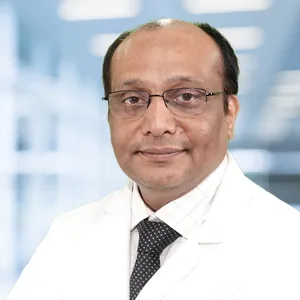
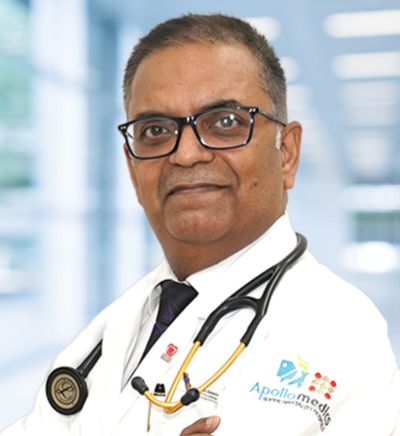
이 페이지에 제공된 정보는 일반적인 정보 제공 및 교육 목적으로만 사용됩니다. 당사는 정보의 정확성, 신뢰성 및 정기적인 검토를 위해 합리적인 노력을 기울이지만, 전문적인 의료 조언, 진단 또는 치료를 대신하는 것으로 간주해서는 안 됩니다.
의료 시술의 적합성, 이점, 위험, 준비 과정, 회복 과정, 잠재적 합병증 및 예상 결과는 개인마다 다를 수 있습니다. 의료 전문가는 환자의 개별적인 상태와 병력을 바탕으로 시술이 적절한지 여부를 판단할 것입니다.
어떠한 의료 시술과 관련된 결정을 내리기 전에 반드시 자격을 갖춘 의료 전문가와 상담하여 개인적인 조언을 받으시기 바랍니다.
저희 의료 콘텐츠의 제작, 검토, 업데이트 및 관리 방식에 대한 자세한 내용은 [편집 정책] 을 참조하십시오.



 첸나이에서 가장 가까운 최고의 병원
방갈로르에서 가장 가까운 최고의 병원
하이데라바드 근처 최고의 병원
뭄바이에서 가장 가까운 최고의 병원
델리에서 가장 가까운 최고의 병원
콜카타에서 가장 가까운 최고의 병원
푸네에서 가장 가까운 최고의 병원
아메다바드 근처 최고의 병원
부바네스와르에서 가장 가까운 최고의 병원
빌라스푸르 근처 최고의 병원
구와하티에서 가장 좋은 병원
인도르 근처 최고의 병원
코치에서 가장 가까운 최고의 병원
러크나우에서 가장 가까운 최고의 병원
마두라이에서 가장 좋은 병원
마이소르 근처 최고의 병원
나식 근처 최고의 병원
노이다 근처 최고의 병원
내 근처 최고의 병원 Rourkela
비사카파트남에서 가장 가까운 최고의 병원
첸나이 근처 심장 전문의
방갈로르 근처 심장 전문의
하이데라바드 근처 심장 전문의
뭄바이 근처 심장 전문의
델리에서 가까운 심장 전문의
콜카타 근처 심장 전문의
푸네 근처 심장 전문의
아메다바드에서 가까운 심장 전문의를 찾으세요
부바네스와르 근처 심장 전문의
빌라스푸르 근처 심장 전문의
구와하티 근처 심장 전문의
인도르 근처 심장 전문의
코치에서 가까운 심장 전문의
러크나우에서 가까운 심장 전문의
마두라이 근처 심장 전문의
마이소르 근처 심장 전문의
나시크 근처 심장 전문의
노이다 근처 심장 전문의
루르켈라 근처 심장 전문의
비사카파트남 근처 심장 전문의
첸나이 근처 정형외과 의사
방갈로르 근처 정형외과 의사
하이데라바드 근처 정형외과 의사
뭄바이 근처 정형외과 의사
델리에서 가까운 정형외과 의사
콜카타에서 가까운 정형외과 의사
푸네 근처 정형외과 의사
아메다바드 근처 정형외과 의사
부바네스와르 근처 정형외과 의사
빌라스푸르 근처 정형외과 의사
구와하티 근처 정형외과 의사
인도르 근처 정형외과 의사
코치에서 가까운 정형외과 의사
러크나우에서 가까운 정형외과 의사
마두라이 근처 정형외과 의사
마이소르 근처 정형외과 의사
나시크 근처 정형외과 의사
노이다 근처 정형외과 의사
Rourkela에서 내 근처의 정형외과 의사
비사카파트남 근처 정형외과 의사
첸나이 근처 소화기내과 전문의
방갈로르에서 가까운 소화기내과 전문의
하이데라바드 근처 소화기내과 전문의
뭄바이에서 가까운 소화기내과 전문의
델리에서 가까운 소화기내과 전문의
콜카타에서 가까운 소화기내과 전문의를 찾으세요
푸네에서 가까운 소화기내과 전문의
아메다바드 근처 소화기내과 전문의
부바네스와르에서 가까운 소화기내과 전문의
빌라스푸르 근처 소화기내과 전문의
구와하티 근처 소화기내과 전문의
인도르 근처 소화기내과 전문의
코치에서 가까운 소화기내과 전문의를 찾으세요
러크나우에서 가까운 소화기내과 전문의
마두라이에서 가까운 소화기내과 전문의를 찾습니다
마이소르 근처 소화기내과 전문의
나시크 근처 소화기내과 전문의
노이다 근처 소화기내과 전문의
루르켈라 근처 소화기내과 전문의
비사카파트남 근처 소화기내과 전문의
첸나이 근처 이비인후과 전문의
방갈로르 근처 이비인후과 전문의
하이데라바드 근처 이비인후과 전문의
뭄바이 근처 이비인후과 전문의
델리 근처 이비인후과 전문의
콜카타 근처 이비인후과 전문의
푸네 근처 이비인후과 전문의
아메다바드 근처 이비인후과 전문의
부바네스와르 근처 이비인후과 전문의
빌라스푸르 근처 이비인후과 전문의
구와하티 근처 이비인후과 전문의
인도르 근처 이비인후과 전문의
코치 근처 이비인후과 전문의
러크나우 근처 이비인후과 전문의
마두라이 근처 이비인후과 전문의
마이소르 근처 이비인후과 전문의
나시크 근처 이비인후과 전문의
노이다 근처 이비인후과 전문의
루르켈라 근처 이비인후과 전문의
비사카파트남 근처 이비인후과 전문의
첸나이에서 가까운 폐 전문의를 찾으세요
방갈로르에서 가까운 폐 전문의를 찾으세요
하이데라바드에서 가까운 폐 전문의를 찾으세요
뭄바이에서 가까운 폐 전문의를 찾습니다
델리에서 가까운 폐 전문의를 찾으세요
콜카타에서 가까운 폐 전문의를 찾으세요
아메다바드에서 가까운 폐 전문의를 찾으세요
부바네스와르에서 가까운 폐 전문의를 찾으세요
빌라스푸르 근처 폐 전문의
구와하티에서 가까운 폐 전문의를 찾으세요
인도르에서 가까운 폐 전문의를 찾으세요
코치에서 가까운 폐 전문의를 찾으세요
러크나우에서 가까운 폐 전문의를 찾으세요
마두라이에서 가까운 폐 전문의를 찾으세요
마이소르 근처 폐 전문의
나시크 근처 폐 전문의
노이다 근처 폐 전문의
Rourkela 내 근처의 호흡기 전문의
비사카파트남 근처 폐 전문의
첸나이 근처 비뇨기과 의사
방갈로르 근처 비뇨기과 의사
하이데라바드 근처 비뇨기과 의사
델리 근처 비뇨기과 의사
콜카타 근처 비뇨기과 의사
푸네 근처 비뇨기과 의사
아메다바드 근처 비뇨기과 의사
부바네스와르 근처 비뇨기과 의사
빌라스푸르 근처 비뇨기과 의사
구와하티 근처 비뇨기과 의사
인도르 근처 비뇨기과 의사
코치 근처 비뇨기과 의사
러크나우 근처 비뇨기과 의사
마두라이 근처 비뇨기과 의사
마이소르 근처 비뇨기과 의사
나시크 근처 비뇨기과 의사
노이다 근처 비뇨기과 의사
루르켈라 근처 비뇨기과 의사
비사카파트남 근처 비뇨기과 의사
첸나이 근처 내분비내과 및 당뇨병 전문의
방갈로르 근처 내분비내과 및 당뇨병 전문의
하이데라바드 근처 내분비내과 및 당뇨병 전문의
뭄바이 근처 내분비내과 및 당뇨병 전문의
델리에서 가까운 내분비내과 및 당뇨병 전문의
콜카타 근처 내분비내과 및 당뇨병 전문의
푸네 근처 내분비내과 및 당뇨병 전문의
아메다바드 인근 내분비내과 및 당뇨병 전문의
부바네스와르 근처 내분비내과 및 당뇨병 전문의
빌라스푸르 근처 내분비내과 및 당뇨병 전문의
구와하티 근처 내분비내과 및 당뇨병 전문의
인도르 근처 내분비내과 및 당뇨병 전문의
코치에서 가까운 내분비내과 및 당뇨병 전문의를 찾으세요
러크나우 근처 내분비내과 및 당뇨병 전문의
마두라이 근처 내분비내과 및 당뇨병 전문의
마이소르 근처 내분비내과 및 당뇨병 전문의
노이다 근처 내분비내과 및 당뇨병 전문의
루르켈라 근처 내분비내과 및 당뇨병 전문의
비사카파트남 근처 내분비내과 및 당뇨병 전문의
첸나이 근처 산부인과 의사
방갈로르 근처 산부인과 의사
하이데라바드 근처 산부인과 의사
뭄바이 근처 산부인과 의사
델리 근처 산부인과 의사
콜카타에서 가까운 산부인과 의사
아메다바드 근처 산부인과 의사
부바네스와르 근처 산부인과 의사
빌라스푸르 근처 산부인과 의사
구와하티 근처 산부인과 의사
인도르 근처 산부인과 의사
코치 근처 산부인과 의사
러크나우 근처 산부인과 의사
마두라이 근처 산부인과 의사
마이소르 근처 산부인과 의사
나시크 근처 산부인과 의사
노이다 근처 산부인과 의사
루르켈라 근처 산부인과 의사
비사카파트남 근처 산부인과 의사
코친 카루쿠티 최고의 병원
첸나이 그램스 로드 최고의 병원
마이소르 Kuvempunagar 최고의 병원
첸나이 Vanagaram 최고의 병원
첸나이 테인암펫 최고의 병원
첸나이 OMR 지역 최고의 병원
아메다바드 간디나가르 바트 지역 최고의 암 병원
방갈로르 일렉트로닉 시티 최고의 암 병원
첸나이 테인암펫 최고의 암 병원
방갈로르 HSR 레이아웃 최고의 암 병원
첸나이 최고의 양성자 암 치료 센터
첸나이 사우전드 라이츠 최고의 어린이 병원
첸나이 사우전드 라이츠 최고의 여성 병원
구와하티 파스침 보라가온 최고의 병원
첸나이 PH 로드 최고의 병원
첸나이 사우전드 라이츠 최고의 심장 센터
하이데라바드 주빌리 힐스 최고의 병원
첸나이 톤디아르펫 최고의 병원
첸나이 코투르푸람 최고의 병원
Karur Kovai Road 최고의 병원
첸나이 카라파캄 최고의 병원
비자그 아릴로바 최고의 병원
러크나우 칸푸르 로드 최고의 병원
노이다 26구역 최고의 병원
간디나가르, 아메다바드 최고의 병원
안드라프라데시주 아라고다 최고의 병원
방갈로르 반네르가타 로드 최고의 병원
부바네스와르 Unit-15 최고의 병원
빌라스푸르 시파트 로드 최고의 병원
아메다바드 엘리스브리지 최고의 병원
뉴델리 최고의 병원
하이데라바드 DRDO 최고의 병원
구와하티 GS 로드 최고의 병원
하이데르구다, 하이데라바드 최고의 병원
인도르 비자이 나가르 최고의 병원
카키나다 수랴라오페타 메인 로드 최고의 병원
콜카타 카날 서큘러 로드 최고의 병원
나비뭄바이 벨라푸르 CBD 최고의 병원
나시크 판차바티 최고의 병원
하이데라바드 세쿤데라바드 최고의 병원
방갈로르 Seshadripuram 최고의 병원
비사카파트남 월테어 메인 로드 최고의 병원
카림나가르 Subhash Nagar Road 최고의 병원
카라이쿠디 마나가리 최고의 병원
와랑갈 아레팔리 최고의 병원
보팔 아레라 콜로니 최고의 병원
방갈로르 Jayanagar 최고의 병원
마두라이 KK Nagar 최고의 병원
Nellore Ramji Nagar 최고의 병원
Rourkela, Sector-19 최고의 병원
푸네 스와르가테 최고의 병원
남델리 최고의 여성 암 전문 병원
CABG
CAR T 세포 치료
복강경 담낭 절제술
자궁 적출술
신장 이식
체외충격파쇄석술
간 이식
폐 이식
고관절 전 치환술
총 고관절 교체
양성자 치료
최소 침습성 Subvastus 총 무릎 교체 수술
패스트트랙 데이케어 무릎 교체 수술
슬리브 위 절제술
라식 수술
코 성형
지방 흡입술
관상 동맥 혈관 조영술
Transcatheter 대동맥 판막 교체
MitraClip 밸브 수리
최소 침습 심장 수술
카테터 절제
ACL 재건 수술
역 어깨 교체
자궁 내막 절제술
자궁 동맥 색전술
난소 방광 절제술
유방암 수술
근접 치료
대장 내시경 검사
폴립 절제술
심뇌 자극
복막 투석
신장 생검
부갑상선 절제술
세포축소수술
세라믹 총 무릎 교체 수술
ERCP
첸나이에서 가장 가까운 최고의 병원
방갈로르에서 가장 가까운 최고의 병원
하이데라바드 근처 최고의 병원
뭄바이에서 가장 가까운 최고의 병원
델리에서 가장 가까운 최고의 병원
콜카타에서 가장 가까운 최고의 병원
푸네에서 가장 가까운 최고의 병원
아메다바드 근처 최고의 병원
부바네스와르에서 가장 가까운 최고의 병원
빌라스푸르 근처 최고의 병원
구와하티에서 가장 좋은 병원
인도르 근처 최고의 병원
코치에서 가장 가까운 최고의 병원
러크나우에서 가장 가까운 최고의 병원
마두라이에서 가장 좋은 병원
마이소르 근처 최고의 병원
나식 근처 최고의 병원
노이다 근처 최고의 병원
내 근처 최고의 병원 Rourkela
비사카파트남에서 가장 가까운 최고의 병원
첸나이 근처 심장 전문의
방갈로르 근처 심장 전문의
하이데라바드 근처 심장 전문의
뭄바이 근처 심장 전문의
델리에서 가까운 심장 전문의
콜카타 근처 심장 전문의
푸네 근처 심장 전문의
아메다바드에서 가까운 심장 전문의를 찾으세요
부바네스와르 근처 심장 전문의
빌라스푸르 근처 심장 전문의
구와하티 근처 심장 전문의
인도르 근처 심장 전문의
코치에서 가까운 심장 전문의
러크나우에서 가까운 심장 전문의
마두라이 근처 심장 전문의
마이소르 근처 심장 전문의
나시크 근처 심장 전문의
노이다 근처 심장 전문의
루르켈라 근처 심장 전문의
비사카파트남 근처 심장 전문의
첸나이 근처 정형외과 의사
방갈로르 근처 정형외과 의사
하이데라바드 근처 정형외과 의사
뭄바이 근처 정형외과 의사
델리에서 가까운 정형외과 의사
콜카타에서 가까운 정형외과 의사
푸네 근처 정형외과 의사
아메다바드 근처 정형외과 의사
부바네스와르 근처 정형외과 의사
빌라스푸르 근처 정형외과 의사
구와하티 근처 정형외과 의사
인도르 근처 정형외과 의사
코치에서 가까운 정형외과 의사
러크나우에서 가까운 정형외과 의사
마두라이 근처 정형외과 의사
마이소르 근처 정형외과 의사
나시크 근처 정형외과 의사
노이다 근처 정형외과 의사
Rourkela에서 내 근처의 정형외과 의사
비사카파트남 근처 정형외과 의사
첸나이 근처 소화기내과 전문의
방갈로르에서 가까운 소화기내과 전문의
하이데라바드 근처 소화기내과 전문의
뭄바이에서 가까운 소화기내과 전문의
델리에서 가까운 소화기내과 전문의
콜카타에서 가까운 소화기내과 전문의를 찾으세요
푸네에서 가까운 소화기내과 전문의
아메다바드 근처 소화기내과 전문의
부바네스와르에서 가까운 소화기내과 전문의
빌라스푸르 근처 소화기내과 전문의
구와하티 근처 소화기내과 전문의
인도르 근처 소화기내과 전문의
코치에서 가까운 소화기내과 전문의를 찾으세요
러크나우에서 가까운 소화기내과 전문의
마두라이에서 가까운 소화기내과 전문의를 찾습니다
마이소르 근처 소화기내과 전문의
나시크 근처 소화기내과 전문의
노이다 근처 소화기내과 전문의
루르켈라 근처 소화기내과 전문의
비사카파트남 근처 소화기내과 전문의
첸나이 근처 이비인후과 전문의
방갈로르 근처 이비인후과 전문의
하이데라바드 근처 이비인후과 전문의
뭄바이 근처 이비인후과 전문의
델리 근처 이비인후과 전문의
콜카타 근처 이비인후과 전문의
푸네 근처 이비인후과 전문의
아메다바드 근처 이비인후과 전문의
부바네스와르 근처 이비인후과 전문의
빌라스푸르 근처 이비인후과 전문의
구와하티 근처 이비인후과 전문의
인도르 근처 이비인후과 전문의
코치 근처 이비인후과 전문의
러크나우 근처 이비인후과 전문의
마두라이 근처 이비인후과 전문의
마이소르 근처 이비인후과 전문의
나시크 근처 이비인후과 전문의
노이다 근처 이비인후과 전문의
루르켈라 근처 이비인후과 전문의
비사카파트남 근처 이비인후과 전문의
첸나이에서 가까운 폐 전문의를 찾으세요
방갈로르에서 가까운 폐 전문의를 찾으세요
하이데라바드에서 가까운 폐 전문의를 찾으세요
뭄바이에서 가까운 폐 전문의를 찾습니다
델리에서 가까운 폐 전문의를 찾으세요
콜카타에서 가까운 폐 전문의를 찾으세요
아메다바드에서 가까운 폐 전문의를 찾으세요
부바네스와르에서 가까운 폐 전문의를 찾으세요
빌라스푸르 근처 폐 전문의
구와하티에서 가까운 폐 전문의를 찾으세요
인도르에서 가까운 폐 전문의를 찾으세요
코치에서 가까운 폐 전문의를 찾으세요
러크나우에서 가까운 폐 전문의를 찾으세요
마두라이에서 가까운 폐 전문의를 찾으세요
마이소르 근처 폐 전문의
나시크 근처 폐 전문의
노이다 근처 폐 전문의
Rourkela 내 근처의 호흡기 전문의
비사카파트남 근처 폐 전문의
첸나이 근처 비뇨기과 의사
방갈로르 근처 비뇨기과 의사
하이데라바드 근처 비뇨기과 의사
델리 근처 비뇨기과 의사
콜카타 근처 비뇨기과 의사
푸네 근처 비뇨기과 의사
아메다바드 근처 비뇨기과 의사
부바네스와르 근처 비뇨기과 의사
빌라스푸르 근처 비뇨기과 의사
구와하티 근처 비뇨기과 의사
인도르 근처 비뇨기과 의사
코치 근처 비뇨기과 의사
러크나우 근처 비뇨기과 의사
마두라이 근처 비뇨기과 의사
마이소르 근처 비뇨기과 의사
나시크 근처 비뇨기과 의사
노이다 근처 비뇨기과 의사
루르켈라 근처 비뇨기과 의사
비사카파트남 근처 비뇨기과 의사
첸나이 근처 내분비내과 및 당뇨병 전문의
방갈로르 근처 내분비내과 및 당뇨병 전문의
하이데라바드 근처 내분비내과 및 당뇨병 전문의
뭄바이 근처 내분비내과 및 당뇨병 전문의
델리에서 가까운 내분비내과 및 당뇨병 전문의
콜카타 근처 내분비내과 및 당뇨병 전문의
푸네 근처 내분비내과 및 당뇨병 전문의
아메다바드 인근 내분비내과 및 당뇨병 전문의
부바네스와르 근처 내분비내과 및 당뇨병 전문의
빌라스푸르 근처 내분비내과 및 당뇨병 전문의
구와하티 근처 내분비내과 및 당뇨병 전문의
인도르 근처 내분비내과 및 당뇨병 전문의
코치에서 가까운 내분비내과 및 당뇨병 전문의를 찾으세요
러크나우 근처 내분비내과 및 당뇨병 전문의
마두라이 근처 내분비내과 및 당뇨병 전문의
마이소르 근처 내분비내과 및 당뇨병 전문의
노이다 근처 내분비내과 및 당뇨병 전문의
루르켈라 근처 내분비내과 및 당뇨병 전문의
비사카파트남 근처 내분비내과 및 당뇨병 전문의
첸나이 근처 산부인과 의사
방갈로르 근처 산부인과 의사
하이데라바드 근처 산부인과 의사
뭄바이 근처 산부인과 의사
델리 근처 산부인과 의사
콜카타에서 가까운 산부인과 의사
아메다바드 근처 산부인과 의사
부바네스와르 근처 산부인과 의사
빌라스푸르 근처 산부인과 의사
구와하티 근처 산부인과 의사
인도르 근처 산부인과 의사
코치 근처 산부인과 의사
러크나우 근처 산부인과 의사
마두라이 근처 산부인과 의사
마이소르 근처 산부인과 의사
나시크 근처 산부인과 의사
노이다 근처 산부인과 의사
루르켈라 근처 산부인과 의사
비사카파트남 근처 산부인과 의사
코친 카루쿠티 최고의 병원
첸나이 그램스 로드 최고의 병원
마이소르 Kuvempunagar 최고의 병원
첸나이 Vanagaram 최고의 병원
첸나이 테인암펫 최고의 병원
첸나이 OMR 지역 최고의 병원
아메다바드 간디나가르 바트 지역 최고의 암 병원
방갈로르 일렉트로닉 시티 최고의 암 병원
첸나이 테인암펫 최고의 암 병원
방갈로르 HSR 레이아웃 최고의 암 병원
첸나이 최고의 양성자 암 치료 센터
첸나이 사우전드 라이츠 최고의 어린이 병원
첸나이 사우전드 라이츠 최고의 여성 병원
구와하티 파스침 보라가온 최고의 병원
첸나이 PH 로드 최고의 병원
첸나이 사우전드 라이츠 최고의 심장 센터
하이데라바드 주빌리 힐스 최고의 병원
첸나이 톤디아르펫 최고의 병원
첸나이 코투르푸람 최고의 병원
Karur Kovai Road 최고의 병원
첸나이 카라파캄 최고의 병원
비자그 아릴로바 최고의 병원
러크나우 칸푸르 로드 최고의 병원
노이다 26구역 최고의 병원
간디나가르, 아메다바드 최고의 병원
안드라프라데시주 아라고다 최고의 병원
방갈로르 반네르가타 로드 최고의 병원
부바네스와르 Unit-15 최고의 병원
빌라스푸르 시파트 로드 최고의 병원
아메다바드 엘리스브리지 최고의 병원
뉴델리 최고의 병원
하이데라바드 DRDO 최고의 병원
구와하티 GS 로드 최고의 병원
하이데르구다, 하이데라바드 최고의 병원
인도르 비자이 나가르 최고의 병원
카키나다 수랴라오페타 메인 로드 최고의 병원
콜카타 카날 서큘러 로드 최고의 병원
나비뭄바이 벨라푸르 CBD 최고의 병원
나시크 판차바티 최고의 병원
하이데라바드 세쿤데라바드 최고의 병원
방갈로르 Seshadripuram 최고의 병원
비사카파트남 월테어 메인 로드 최고의 병원
카림나가르 Subhash Nagar Road 최고의 병원
카라이쿠디 마나가리 최고의 병원
와랑갈 아레팔리 최고의 병원
보팔 아레라 콜로니 최고의 병원
방갈로르 Jayanagar 최고의 병원
마두라이 KK Nagar 최고의 병원
Nellore Ramji Nagar 최고의 병원
Rourkela, Sector-19 최고의 병원
푸네 스와르가테 최고의 병원
남델리 최고의 여성 암 전문 병원
CABG
CAR T 세포 치료
복강경 담낭 절제술
자궁 적출술
신장 이식
체외충격파쇄석술
간 이식
폐 이식
고관절 전 치환술
총 고관절 교체
양성자 치료
최소 침습성 Subvastus 총 무릎 교체 수술
패스트트랙 데이케어 무릎 교체 수술
슬리브 위 절제술
라식 수술
코 성형
지방 흡입술
관상 동맥 혈관 조영술
Transcatheter 대동맥 판막 교체
MitraClip 밸브 수리
최소 침습 심장 수술
카테터 절제
ACL 재건 수술
역 어깨 교체
자궁 내막 절제술
자궁 동맥 색전술
난소 방광 절제술
유방암 수술
근접 치료
대장 내시경 검사
폴립 절제술
심뇌 자극
복막 투석
신장 생검
부갑상선 절제술
세포축소수술
세라믹 총 무릎 교체 수술
ERCP


