


נבדק על ידי צוות העריכה של אפולו
תשובה מהירה
Subcision is a minor skin procedure in which a doctor passes a needle or blunt cannula under a sunken scar to cut the fibrous bands that pull it down. Once the scar is released, the skin lifts and new collagen forms underneath. It is mainly used for rolling acne scars and other tethered scars, and is done under local numbing as an outpatient procedure. Bruising and swelling for about a week are expected, and more than one session is often needed.
| עובדות מפתח | פרטים |
|---|---|
| מה זה | Release of the fibrous bands under a depressed scar with a needle or cannula |
| שימוש עיקרי | Rolling acne scars and other tethered, sunken scars |
| מי מבצע את זה | דרמטולוג או מנתח פלסטי |
| הרדמה | Numbing injection, sometimes with numbing cream |
| זמן נלקח | About 20 to 45 minutes, depending on the area |
| אשפוז | None; you go home the same day |
| זמן השבתה | Bruising and swelling for roughly one to two weeks |
| מפגשים | One to several, usually at least a month apart |
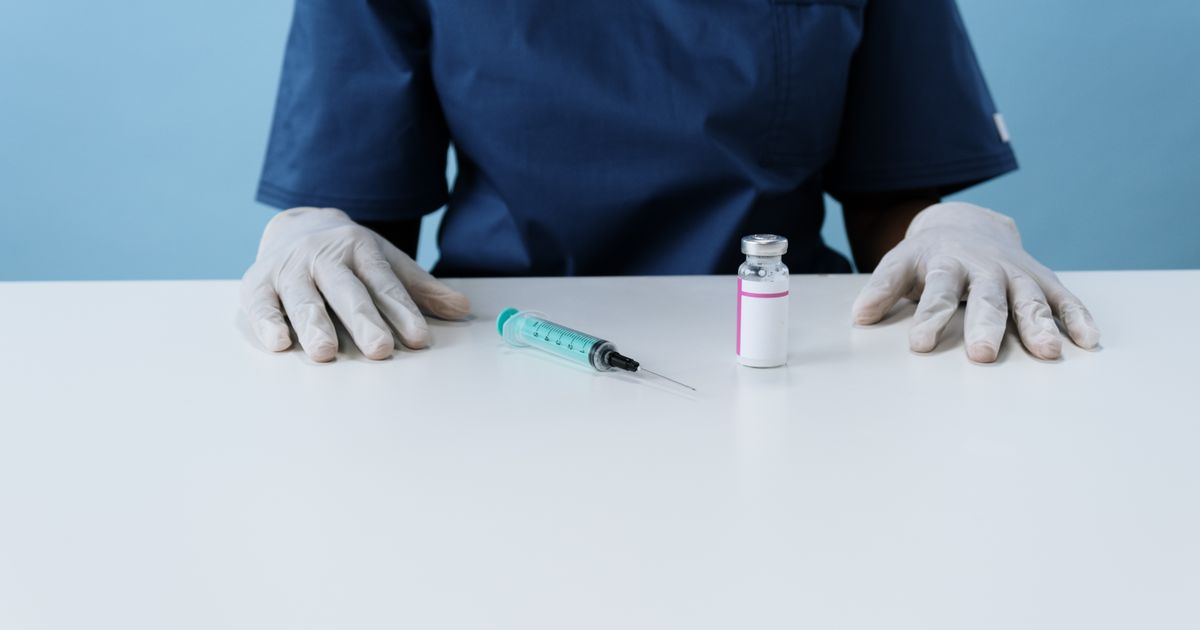
What is subcision?
Some scars sit below the level of the surrounding skin because tough strands of scar tissue anchor the surface to the deeper layers, rather like buttons holding down the fabric of a cushion. Creams and surface treatments cannot reach these strands. Subcision deals with them directly.
The doctor inserts a fine needle or a blunt-tipped cannula through a tiny entry point and moves it under the scar, parallel to the skin surface, to break the strands. Nothing is cut on the surface, so there are no stitches. The released skin rises, a small amount of blood collects in the space and acts as a natural spacer, and over the following weeks the body lays down new collagen that helps keep the scar lifted.
Subcision is one of several options described on our overview page on טיפול בצלקות אקנה, and it is often combined with them.
Other names for subcision
- Subcutaneous incisionless surgery
- Subcision for acne scars
- Needle subcision
- Cannula subcision
- Scar release or scar undermining
Why is subcision done?
Subcision is chosen when a scar is depressed mainly because it is tethered from below. Your doctor checks this by stretching or pinching the skin and watching how the scar behaves. It is used for:
- צלקות אקנה מתגלגלות: broad, shallow dents with sloping edges that give the cheeks or temples a wavy look. This is the main reason for subcision. Read more about אקנה and how scars form.
- Some boxcar scars: wider, tethered boxcar scars may improve, usually along with another procedure.
- Depressed scars from other causes: כמו אבעבועות רוח, an injury or an earlier operation.
- Preparing a scar for other treatment: releasing a scar first can help fillers, מיקרו-אדלינג or laser work better.
Subcision does not help narrow, deep ice pick scars, flat colour marks or raised scars. Those need other methods.
Types of subcision
The principle is the same in every method. What differs is the instrument and whether anything else is done in the same sitting.
- חיתוך מחט: a sharp hypodermic needle or a special needle with a small blade-like tip is used to cut the strands under each scar. It is precise and suits a limited number of scars.
- Cannula subcision: a longer, blunt-tipped cannula is passed through one or two entry points and swept under a larger area. It can treat a whole cheek from a single opening and may cause less injury to blood vessels.
- Subcision with filler: a gel filler is placed in the released space to hold the scar up while collagen forms. See חומרי מילוי עורי.
- Subcision with other procedures: microneedling, חידוש פני השטח בלייזר, קליפות כימיות or פלזמה עשירה בטסיות may be added in the same or a later session. The extra benefit of platelet-rich plasma is not firmly proven.
- Subcision with suction: some doctors advise gentle suction over the treated scars in the days afterwards to discourage them from sticking down again.
| מאפיין | Needle subcision | Cannula subcision |
|---|---|---|
| מַכשִׁיר | Sharp needle or blade-tipped needle | Blunt-tipped cannula |
| נקודות כניסה | Several, close to each scar | One or two per area |
| חליפות | A few separate scars | Many scars over a wide area |
| נְקִיפָה | Common | Common, sometimes less |
| מתעסק | Injection around each scar | Injection or dilute numbing fluid spread under the area |
Who is suitable for subcision?
ייתכן שתתאים לך אם:
- You have rolling or tethered depressed scars confirmed on examination.
- Your acne is under control and you are not getting frequent new inflamed spots.
- You can accept visible bruising for a week or more.
- You understand that the scars will improve but are unlikely to vanish.
מי לא יכול להתאים
- People with active acne, אקנה פיברוזיס or any skin infection in the area, including פצעי קור.
- People with a bleeding disorder such as המופיליה, platelet disorder, or those taking blood thinners, who need individual advice.
- People who tend to form a צלקת קלואידית או צלקת היפרטרופית.
- Those who have recently taken certain strong acne tablets by mouth, where a waiting period may be advised.
- Women who are pregnant, for whom elective cosmetic procedures are usually postponed.
- People whose scars are mainly ice pick scars or surface marks, where subcision will add little.
How to prepare for subcision
- ייעוץ: the doctor examines and maps your scars, takes photographs and explains what subcision can and cannot do for each type.
- בדיקות: usually none. If you bruise easily or have a medical condition, a ספירת דם מלאה or a clotting test such as a בדיקת זמן פרותרומבין may be requested.
- תרופות לדון בהן: tell your doctor about blood thinners, pain relievers that affect bleeding, acne tablets, herbal products and supplements. Never stop a prescribed blood thinner without your doctor's advice.
- לפני היום: avoid alcohol for a day or two, as it can increase bruising. Plan the session at least two weeks before an important event.
- ביום: eat normally, come with a clean face and no make-up, and mention any allergy, especially to numbing injections.
How is subcision performed?
- סימון: you sit or lie under angled light and the doctor marks the scars to be released.
- ניקוי: the skin is cleaned with an antiseptic solution.
- נימול: a numbing injection is given around the scars or spread under the whole area. This stings briefly. See סוגי הרדמה.
- הַכנָסָה: the needle or cannula is introduced through a tiny entry point next to the scar and guided into the layer just beneath it.
- שחרר: the instrument is moved back and forth in a fan-like pattern. You may feel pushing and hear or feel a soft snapping as the strands give way. The doctor continues until the scar lifts freely.
- Additional step, if planned: filler or another treatment is given.
- לַחַץ: firm pressure and cold packs are applied for several minutes to limit bleeding and bruising.
- הלבשה: the entry points are covered with a small dressing or antibiotic ointment.
What happens after subcision?
You can go home shortly afterwards. As the numbing wears off, the area feels sore and tight. Swelling appears within hours and bruising within a day. The treated area may look puffy or even slightly raised at first, which is expected and settles. Simple pain relief approved by your doctor is usually enough. You will be told how to clean the entry points and when to return for review or the next session.
Risks and complications of subcision
Common
- Bruising, which can be marked and last one to two weeks
- נפיחות ורגישות
- Small scabs at the entry points
- Temporary firmness or small lumps under the skin as healing tissue forms
- Darkening of the skin over the area, which usually fades over weeks to months. See היפרפיגמנטציה.
נדיר
- A larger collection of blood under the skin (haematoma)
- Infection such as צלוליטיס
- Persistent lumps that need further treatment
- A raised scar at an entry point
- Injury to a small nerve or blood vessel, which is rare when the procedure is done at the correct depth
- A flare of acne in the treated area
- Little or no improvement, or the scar sinking again
- Allergic reaction to the numbing injection
Results: how well does subcision work?
Subcision is a well-established treatment for rolling acne scars, and most suitable patients notice that these scars become shallower. The degree of change differs widely between people.
- Some lift is seen straight away, but part of this is swelling. The lasting result depends on new collagen and becomes clear after two to three months.
- Some scars re-attach as they heal, which is one reason repeat sessions are common.
- Results are usually better when subcision is combined with a surface treatment that improves skin texture.
- Scars that are released and stay lifted generally remain improved in the long term.
- Complete flattening of every scar is not a realistic expectation.
Recovery after subcision
Most people can return to desk work the next day if they are comfortable being seen with bruising. Swelling improves within three to five days. Bruises change colour and fade over one to two weeks. Tenderness and mild firmness under the skin can last a few weeks. Sleeping with your head raised for the first couple of nights helps the swelling settle.
מתי לפנות לעזרה רפואית
- Rapidly increasing swelling or a tense, painful lump
- Bleeding that does not stop with firm pressure
- Spreading redness, warmth, pus or fever
- כאב חמור או מחמיר
- Numbness or weakness of part of the face that does not wear off with the numbing
- A rash, swelling of the lips or difficulty breathing
Life after subcision
- Apply cold packs for short periods on the first day.
- Keep the entry points clean and dry for the first day and do not pick the scabs.
- Avoid heavy exercise, alcohol, steam rooms and saunas for a few days.
- Do not massage the area unless your doctor has asked you to.
- Use sunscreen daily. Sun exposure on bruised or healing skin increases the chance of dark patches.
- Ask before restarting active skin care products.
- Keep your acne treatment going so that new scars do not form.
- Attend the review visit so that the result can be compared with your earlier photographs.
Benefits of subcision
- Treats the cause of a tethered scar, which surface treatments cannot reach
- No cut on the skin surface and no stitches
- Done under local numbing in a short visit
- Suitable for all skin tones, with a lower risk of lasting colour change than deeper resurfacing
- ניתן לשלב עם טיפולי צלקות אחרים
What is the cost of subcision in India?
העלות תלויה ב:
- The number of scars and the size of the area treated
- Whether a needle or cannula is used
- Whether filler or another procedure is added
- The number of sessions required
- העיר ובית החולים או המרפאה
- Consultation, medicines and follow-up visits
העלויות משתנות מאדם לאדם. אנא בדקו עם בית החולים את המחירים המדויקים.
Subcision for acne scars is generally treated as a cosmetic procedure and is not usually covered by health insurance.
Why choose Apollo Hospitals for subcision?
- Scar assessment by qualified dermatologists before any procedure is advised
- Sterile technique and hospital infection control standards
- Other scar treatments and plastic surgery opinion available when a combined plan is needed
- Honest discussion of likely results, bruising time and risks
- הזמינות משתנה בין מרכזים. אנא בדקו עם בית החולים.
To find out whether subcision suits your scars, לקבוע תור לרופא עור.
קריאה קשורה
Questions to ask your doctor about subcision
- Are my scars the type that responds to subcision?
- Will you use a needle or a cannula, and why?
- Do you recommend combining it with another treatment?
- כמה מפגשים אני צפוי להזדקק להם?
- How much bruising should I expect and for how long?
- Should I change any of my medicines beforehand?
- What improvement is realistic in my case?
- What are the signs of a complication?
- What will the total course cost?
שאלות נפוצות
1. Is subcision painful?
The numbing injection stings for a few seconds. After that you feel pressure and movement but little pain. The area is sore for a few days afterwards.
2. How many subcision sessions are needed?
Some people are satisfied after one session. Many need two to four, spaced at least four weeks apart, because some scars re-attach or need a further release.
3. How long does the bruising last?
Usually one to two weeks. It tends to be most visible on days two to five. Make-up can be used once the entry points have closed, if your doctor agrees.
4. Are the results of subcision permanent?
Scars that stay lifted after healing generally remain improved. Some scars sink back partly in the first few weeks, which is why reviews and repeat sessions are planned.
5. Which scars respond best to subcision?
Rolling scars and other scars that are pulled down from underneath. Ice pick scars and flat marks do not respond.
6. Does subcision work for ice pick or boxcar scars?
It does not help ice pick scars. Some broad boxcar scars improve, usually together with another method. These scar types are covered on our acne scar treatment page.
7. Is needle or cannula subcision better?
Neither is better for everyone. A needle is precise for a few scars, while a cannula covers a wide area through fewer entry points. Your doctor chooses according to your scars and their own experience.
8. Can subcision be combined with other treatments?
Yes. It is commonly combined with microneedling, laser, peels or fillers, either on the same day or in later sessions, to improve both depth and surface texture.
9. Why do I have lumps after subcision?
Small firm lumps are healing tissue or collected blood under the released scars. Most soften within weeks. Tell your doctor if a lump is painful, growing or persists.
10. When will I see the result?
Early lift is partly swelling. The true result shows after two to three months, when new collagen has formed.
11. Is subcision safe for darker skin?
Yes. Because the skin surface is not removed, the risk of lasting colour change is low. Temporary darkening over bruised areas can occur and is reduced by sun protection.
12. Can I go to work the next day?
Physically, yes. The decision usually depends on how you feel about visible bruising and swelling. Avoid strenuous activity for a few days.
13. Can subcision make scars worse?
This is uncommon. Possible problems include persistent lumps, a raised scar at an entry point or dark patches. Choosing a trained specialist and following aftercare lowers the risk.
14. Which doctor performs subcision?
Subcision is performed by a dermatologist, or by a plastic surgeon trained in scar procedures.
סיכום
Subcision is a simple, well-tried way to release rolling and tethered scars from underneath, without cutting the skin surface. It works best for the right scar type, often needs repeating and is usually one part of a wider scar plan. Expect bruising, give the result a few months to show, and discuss with a dermatologist how much improvement is realistic for your skin.
דף זה מיועד למידע כללי ואינו מחליף ייעוץ מרופא. החלטות טיפול צריכות להתקבל על ידי מומחה מוסמך המכיר את ההיסטוריה הרפואית שלך.
נוספו לאחרונה


דרמטולוגים בבתי החולים אפולו


 זמין ביום ראשון









כתב ויתור:
המידע המופיע בדף זה מיועד למטרות מידע כלליות וחינוכיות בלבד. למרות שאנו עושים מאמצים סבירים להבטיח שהמידע מדויק, אמין ונבדק באופן קבוע, אין לראות בו תחליף לייעוץ רפואי מקצועי, אבחון או טיפול.
התאמתו של הליך רפואי, יחד עם יתרונותיו, סיכוניו, ההכנה, ההחלמה, הסיבוכים הפוטנציאליים והתוצאות הצפויות, עשויים להשתנות מאדם לאדם. איש המקצוע בתחום הבריאות יקבע האם הליך מתאים בהתבסס על מצבך האישי וההיסטוריה הרפואית שלך.
אנא התייעצו עם איש מקצוע בתחום הבריאות לקבלת ייעוץ אישי לפני קבלת החלטות בנוגע לכל הליך רפואי.
למידע נוסף על אופן יצירת, סקירת, עדכון ותחזוקת התוכן הרפואי שלנו, אנא קראו את [מדיניות העריכה] שלנו.




