


An yi bita ta ƙungiyar editoci ta Apollo
Amsa da sauri
Thyroidectomy is surgery to remove all or part of the thyroid gland in the front of the neck. It is done for thyroid cancer, suspicious nodules, a large goitre that presses on the windpipe or food pipe, and an overactive thyroid that has not responded to other treatment. The main types are hemithyroidectomy, total thyroidectomy, subtotal thyroidectomy and thyroidectomy with lymph node dissection. How much is removed decides whether you will need thyroid hormone tablets afterwards.
| Mabuɗin gaskiya | details |
|---|---|
| Abin da yake | Surgical removal of part or all of the thyroid gland |
| Babban dalilai | Thyroid cancer, suspicious nodules, large goitre, overactive thyroid |
| Babban iri | Hemithyroidectomy, total, subtotal, and thyroidectomy with lymph node dissection |
| Anesthesia | Gabaɗaya maganin sa barci |
| Dakatar da asibiti | Yawanci kwana ɗaya zuwa biyu |
| farfadowa da na'ura | About one to two weeks for most people |
| Bayan haka | Thyroid hormone replacement is needed for life after total removal, and sometimes after partial removal |
| Wanda ya yi | Endocrine surgeon, general surgeon, head and neck surgeon or ENT surgeon |
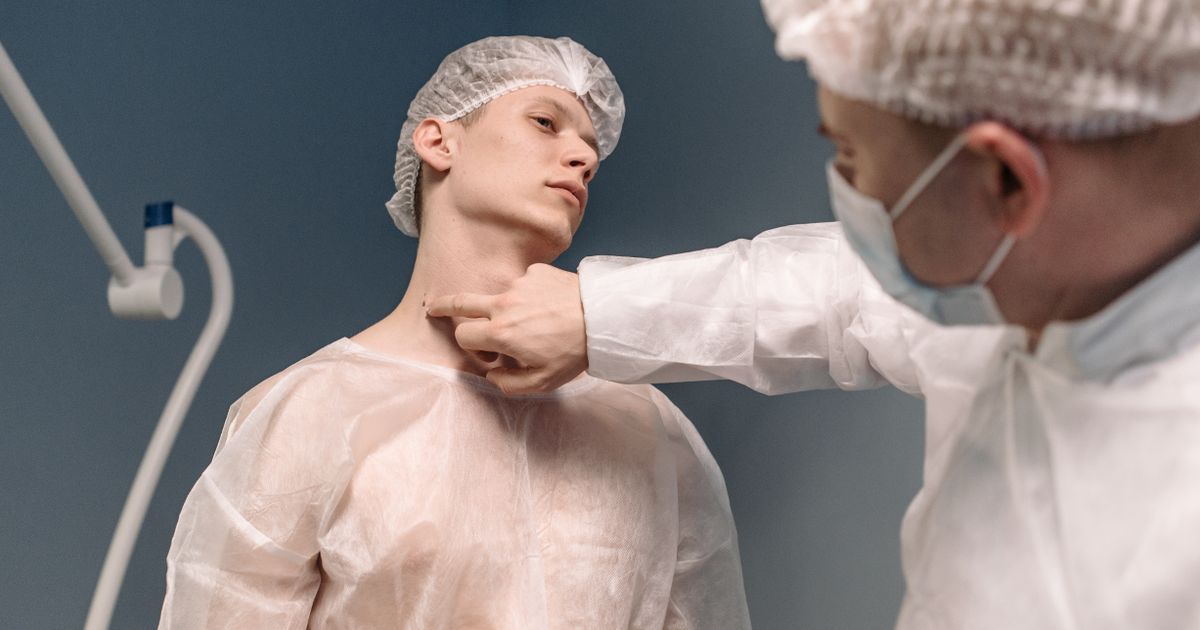
Menene tiyatar thyroid?
The thyroid is a butterfly-shaped gland at the base of the neck. It has two lobes joined by a narrow bridge, and it makes hormones that control how the body uses energy. In a thyroidectomy, the surgeon removes one lobe, most of the gland or the whole gland through a cut in a skin crease low in the neck. Care is taken to protect the nerves to the voice box and the small parathyroid glands, which control calcium levels.
Other names for thyroidectomy
- Thyroid removal surgery
- Thyroid operation
- Thyroid gland surgery
- Goitre surgery
- Thyroid lobectomy (when one lobe is removed)
Types of thyroidectomy
The types differ in how much thyroid tissue is removed. Each has its own detailed page.
| type | Abin da yake | When it is commonly used | Karin bayani |
|---|---|---|---|
| Hemithyroidectomy | One lobe of the thyroid is removed, with the bridge between the lobes | A single nodule that is suspicious or causing symptoms, and some small, low-risk cancers | Hemithyroidectomy |
| Jimlar thyroidectomy | The whole gland is removed | Most thyroid cancers, large goitres affecting both lobes, and Graves' disease needing surgery | Jimlar thyroidectomy |
| Subtotal thyroidectomy | Most of the gland is removed and a small amount is left behind | Selected cases of goitre or overactive thyroid; used less often today | Subtotal thyroidectomy |
| With lymph node dissection | The thyroid is removed along with lymph nodes in the neck | Thyroid cancer that has spread, or is likely to spread, to nearby lymph nodes | Thyroidectomy with or without lymph node dissection |
When many lymph nodes at the side of the neck need to be removed, the operation is combined with a yanke wuya. Some centres also offer endoscopic or robotic approaches that move the scar away from the front of the neck.
Why is thyroidectomy done?
- Ciwon daji na thyroid, or a nodule that looks suspicious on testing
- A thyroid nodule that keeps growing or cannot be confirmed as harmless
- Babban goiter causing difficulty in swallowing or breathing, or a visible swelling
- An overactive thyroid, such as in Cutar kaburbura, when medicines or radioactive iodine are not suitable or have not worked
Many thyroid nodules and goitres never need surgery.
How is thyroidectomy done in general?
Before surgery you will have gwaje-gwajen aikin thyroid, a neck duban dan tayi and often a needle test (Farashin FNC) of the nodule. Calcium levels are checked, and the vocal cords may be examined. An overactive thyroid is brought under control first.
The operation is done under general maganin ciwan jiki and usually takes one to three hours. The surgeon makes a cut in a neck crease, identifies and protects the voice nerves and parathyroid glands, removes the planned amount of thyroid tissue, and closes the wound with fine stitches. The removed tissue is examined in the laboratory, and the report guides any further treatment.
Risks of thyroidectomy
- Voice changes: hoarseness or a weak voice from irritation of the voice nerves. This is usually temporary and rarely permanent.
- Low calcium: tingling around the mouth or in the fingers, or muscle cramps, if the parathyroid glands are disturbed. It is usually temporary and treated with calcium and vitamin D supplements. See hypocalcaemia.
- Bleeding in the neck: uncommon, but it can cause swelling and breathing difficulty and needs urgent treatment.
- Underactive thyroid: expected after total removal and possible after partial removal. See hypothyroidism.
- Wound infection, fluid collection under the scar, and a noticeable scar
- Martani ga maganin sa barci
The risks to the voice and calcium levels are higher with total thyroidectomy, repeat surgery and lymph node dissection than with hemithyroidectomy.
Recovery after thyroidectomy
Most people eat, drink and walk on the day of surgery or the next morning and go home in one to two days. A sore throat, neck stiffness and mild difficulty in swallowing are common for a few days. Many return to desk work in one to two weeks. Avoid heavy lifting and straining the neck for about two weeks. If the whole gland was removed, you will start a daily thyroid hormone tablet, and blood tests will be used to adjust the dose. After cancer surgery, your team will tell you whether further treatment such as radioactive iodine is needed.
Yaushe za a nemi taimakon likita
- Swelling or tightness in the neck, or difficulty in breathing: this is an emergency
- Tingling or numbness around the lips, hands or feet, or muscle cramps
- Fever, or redness and discharge from the wound
- Increasing difficulty in swallowing
- A voice change that is getting worse
What is the cost of thyroidectomy in India?
Farashin ya dogara da abubuwa da yawa:
- The type of thyroidectomy and whether lymph nodes are removed
- Whether the surgery is for cancer
- Tests, scans and laboratory examination of the tissue
- Tsawon zama da nau'in ɗaki
- Open, endoscopic or robotic approach
- Birni da asibiti
Farashin ya bambanta daga mutum zuwa mutum. Da fatan za a duba asibiti don ainihin farashi.
Health insurance usually covers medically necessary thyroid surgery. Check your policy terms before admission.
Why choose Apollo Hospitals for thyroidectomy?
- Surgeons experienced in thyroid and neck surgery
- Endocrinologists, oncologists and nuclear medicine specialists working together for thyroid cancer
- Ultrasound, needle testing and laboratory services for accurate diagnosis
- Endoscopic or robotic thyroid surgery at selected centres. Availability differs between centres. Please check with the hospital.
To discuss thyroid surgery, you can book an appointment with a surgeon a Apollo Hospitals.
Questions to ask your doctor about thyroidectomy
- Do I need surgery, or can my thyroid problem be watched or treated another way?
- How much of my thyroid will be removed, and why?
- Za a cire ƙwayoyin lymph?
- What are my risks of voice change and low calcium?
- Will I need thyroid hormone tablets for life?
- Will I need any treatment after surgery?
FAQs
1. Is thyroidectomy a major surgery?
It is a significant operation done under general anaesthesia, but most people recover quickly and go home within one to two days.
2. Which type of thyroidectomy will I need?
It depends on the reason for surgery. A single nodule may need only one lobe removed. Most cancers, Graves' disease and large goitres on both sides usually need total thyroidectomy. Lymph nodes are removed when cancer has spread to them or is likely to.
3. Will I need thyroid tablets for life after thyroidectomy?
After total thyroidectomy, yes, a daily thyroid hormone tablet is needed for life. After hemithyroidectomy, the remaining lobe is often enough, but some people still need a tablet.
4. Will my voice change after thyroid surgery?
Mild hoarseness or voice tiredness is fairly common in the first weeks and usually settles. Lasting voice change from nerve injury is uncommon.
5. Why is calcium checked after thyroidectomy?
The parathyroid glands sit next to the thyroid and control calcium. They can be stunned by surgery, causing low calcium for a while. Supplements usually correct this, and only a few people need them long term.
6. How big is the scar?
The cut is usually a few centimetres long and placed in a natural skin crease low in the neck.
7. How long is the recovery after thyroidectomy?
Most people are back to light activity within a week and to normal routines in about two weeks.
8. Which doctor performs thyroidectomy?
Thyroidectomy is performed by an endocrine surgeon, general surgeon, head and neck surgeon, ENT surgeon or surgical oncologist with experience in thyroid surgery.
Kammalawa
Thyroidectomy removes part or all of the thyroid gland, and the type chosen depends on the condition being treated. Read the page for the operation your doctor has suggested, and discuss the expected benefits, risks and need for hormone replacement with your surgeon.
Wannan shafin don samun bayanai na gaba ɗaya ne kuma ba ya maye gurbin shawarar likitanka. Ya kamata a yanke shawara kan magani tare da ƙwararren masani wanda ya san tarihin lafiyarka.
Kwanan nan Ƙara


Likitocin tiyata na Janar a Asibitocin Apollo





Disclaimer:
Bayanin da aka bayar a wannan shafin an yi shi ne don dalilai na bayanai da ilimi kawai. Duk da cewa muna yin iya ƙoƙarinmu don tabbatar da cewa bayanin ya kasance daidai, abin dogaro, kuma ana sake duba shi akai-akai, bai kamata a ɗauke shi a matsayin madadin shawarar likita, ganewar asali, ko magani na ƙwararru ba.
Dacewar hanyar magani, tare da fa'idodinta, haɗarinta, shiri, murmurewa, rikice-rikicen da ka iya tasowa, da kuma sakamakon da ake tsammani, na iya bambanta daga mutum zuwa mutum. Ƙwararren likitanka zai tantance ko hanyar ta dace bisa ga yanayinka da tarihin lafiyarka.
Da fatan za a tuntuɓi ƙwararren ƙwararren ma'aikacin lafiya don neman shawara ta musamman kafin yanke shawara game da kowace irin hanyar magani.
Don ƙarin bayani game da yadda ake ƙirƙirar, sake dubawa, sabunta, da kuma kula da abubuwan da ke cikin likitancinmu, da fatan za a karanta [Manufofin Edita].




