


Imepitiwa na Timu ya Wahariri ya Apollo
Jibu la haraka
Bronchoscopy is a test in which a doctor passes a thin tube with a camera through the nose or mouth into the windpipe and the airways of the lungs. It is used to find the cause of lung problems, to take samples, and to treat some airway conditions. It usually takes less than an hour, and most people go home the same day.
| Key ukweli | Maelezo |
|---|---|
| Ni nini | A camera examination of the windpipe and airways |
| Matumizi kuu | Diagnosis, taking samples, clearing or opening airways |
| Chombo | Flexible bronchoscope in most cases; rigid bronchoscope for some treatments |
| Anesthesia | Numbing spray with sedation, or general anaesthesia |
| Wakati umechukuliwa | About 20 to 60 minutes; longer for treatments |
| Kukaa kwa hospitali | Kawaida utaratibu wa siku moja |
| Imefanywa na | Pulmonologist (chest physician) trained in bronchoscopy |
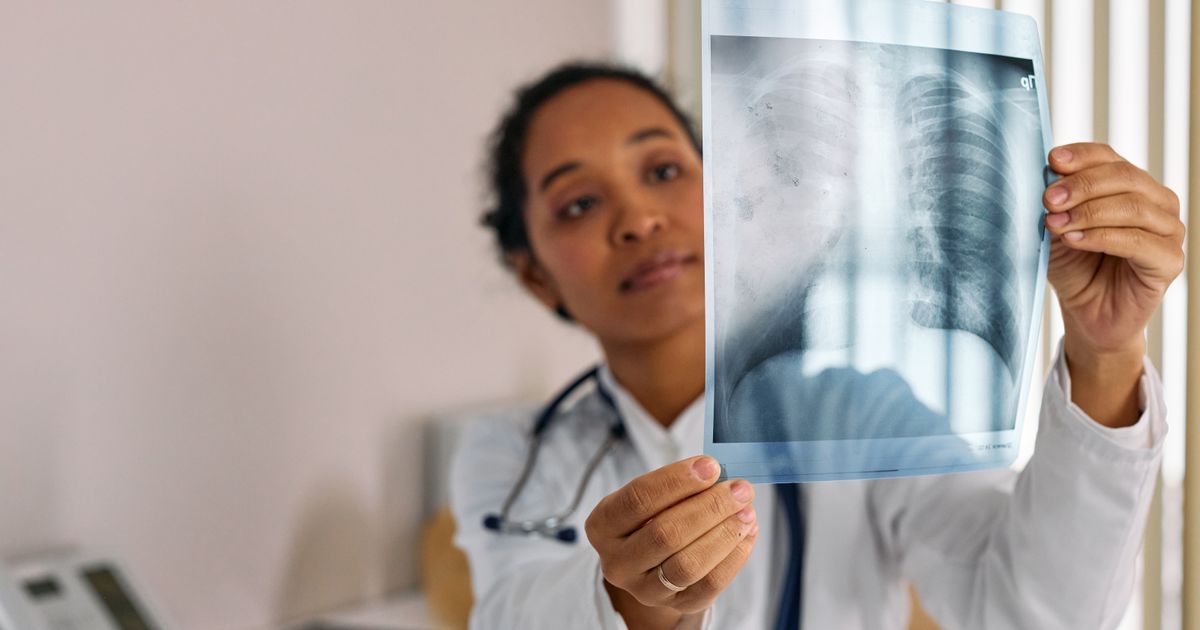
Bronchoscopy ni nini?
A bronchoscope is a thin tube with a light and a camera at its tip. The doctor guides it through the nose or mouth, past the voice box and into the windpipe (trachea) and its branches (bronchi), and watches the picture on a screen. Small tools can be passed through a channel in the tube to collect fluid or tissue or to carry out treatment.
Most bronchoscopies use a flexible bronchoscope, which bends easily and can be used with sedation. A rigid bronchoscope is a straight metal tube used under general anaesthesia when a wider working space is needed, for example to remove a large object or control bleeding.
Other names for bronchoscopy
- Lung endoscopy
- Endoscopy ya njia ya hewa
- Bronkiskopia ya nyuzinyuzi
- Flexible bronchoscopy or rigid bronchoscopy
Aina za bronchoscopy
Bronchoscopy is grouped by its purpose. Each type below has its own page with full details.
| aina | Ni nini | Inapotumika | Soma zaidi |
|---|---|---|---|
| Bronchoscopy ya utambuzi | Looking inside the airways and taking washings, brushings or small biopsies | Unexplained cough, coughing up blood, a shadow on a scan, suspected infection or cancer | Bronchoscopy ya utambuzi |
| Bronkiskopia ya matibabu | Treatment carried out through the bronchoscope | Removing an inhaled object or thick mucus, opening a narrowed airway, placing a stent, controlling bleeding | Bronkiskopia ya matibabu |
| Ultrasound ya Endobronchial (EBUS) | A bronchoscope with an ultrasound probe that shows structures outside the airway wall and guides a needle | Sampling lymph nodes in the chest, staging lung cancer, checking for conditions such as sarcoidosis or tuberculosis | Ultrasound ya Endobronchial (EBUS) |
| Thermoplasty ya bronchi | Controlled heat applied to the airway walls through a bronchoscope | Selected adults with severe asthma that is not controlled with standard treatment; offered only in some centres | Thermoplasty ya bronchi |
Why is bronchoscopy done?
Your doctor may advise bronchoscopy when symptoms, a X-ray ya kifua au CT scan point to a problem in the airways or lungs that needs a closer look or a sample. Common reasons include:
- A cough that does not settle, or kukohoa damu
- A lump, shadow or enlarged lymph node on a scan, to check for saratani ya mapafu or other causes
- Lung infection that is not improving, such as nimonia or suspected kifua kikuu, when sputum tests have not given an answer
- Wanastahili sarcoidosis or other inflammatory lung disease
- A collapsed part of the lung caused by a mucus plug or blockage
- An inhaled foreign body, especially in children
- Narrowing of the windpipe (see stenosis ya trachea)
Bronchoscopy does not reach every part of the lung. For some small or outer lung spots, a needle biopsy through the chest wall or a surgical biopsy may be more suitable.
How is bronchoscopy done?
- Maandalizi: you fast for some hours beforehand. Tell your doctor about all your medicines, especially blood thinners, and about allergies, heart disease or breathing difficulty. Blood tests may be done.
- Numbing and sedation: a numbing spray or gel is applied to the nose and throat, and a sedative is given through a vein. Some procedures need general anaesthesia.
- Kupitisha wigo: the bronchoscope is guided into the airways while your oxygen level, pulse and blood pressure are monitored.
- Samples or treatment: the doctor examines the airways and takes washings, brushings or biopsies, or carries out the planned treatment.
- Upyaji: you are observed until the sedation wears off. You must not eat or drink until the numbness in your throat has gone, usually after one to two hours.
Ni hatari gani ya bronchoscopy?
Bronchoscopy is generally safe, and serious problems are uncommon.
- Zaidi ya kawaida: sore throat, hoarse voice, cough, mild fever on the same day, and a small amount of blood in the sputum after a biopsy
- Nadra: heavier bleeding, a fall in oxygen level, a collapsed lung (pneumothorax) after lung biopsy, chest infection, spasm of the airways, irregular heartbeat and reactions to the sedative
The risk is higher in people with severe lung or heart disease or bleeding problems, and your doctor will weigh this before advising the test.
Recovery after bronchoscopy
Most people go home a few hours after the procedure. Because of the sedative, you should have an adult take you home, and you should not drive, operate machinery or sign important documents for the rest of the day. A sore throat and cough usually settle within a day or two. Normal activities can generally be resumed the next day. Biopsy and culture results may take several days, and some culture tests take weeks; your doctor will tell you when to return for the report.
Wakati wa kutafuta msaada wa matibabu
- Coughing up more than a few streaks of blood, or bleeding that continues
- Maumivu ya kifua au kukosa pumzi
- Fever that lasts beyond a day or is high
- Increasing difficulty in swallowing or speaking
What is the cost of bronchoscopy in India?
Gharama inategemea:
- Whether the bronchoscopy is diagnostic or a treatment
- Add-on techniques such as EBUS, and any stent or device used
- Kutuliza au ganzi ya jumla
- Laboratory tests on the samples
- Day care or hospital stay
- Jiji na hospitali
Gharama hutofautiana kutoka kwa mtu hadi mtu. Tafadhali wasiliana na hospitali kwa bei halisi.
Health insurance usually covers bronchoscopy that is medically needed; check with your insurer about day care cover.
Why choose Apollo Hospitals for bronchoscopy?
- Pulmonologists trained in diagnostic and interventional bronchoscopy
- Monitoring by trained staff during and after sedation
- Pathology and microbiology laboratories to process samples
- Chest surgery, oncology and intensive care support when needed
Availability differs between centres. Please check with the hospital. To discuss your symptoms or reports, you can weka miadi na mtaalamu wa mapafu katika hospitali za Apollo.
Questions to ask your doctor about bronchoscopy
- Why do I need a bronchoscopy, and which type will I have?
- Will I be sedated or have general anaesthesia?
- Which of my medicines should I stop, and when?
- What samples will be taken?
- Nitapata matokeo lini?
- What are the alternatives in my case?
Maswali Yanayoulizwa Mara Kwa Mara
1. Is bronchoscopy painful?
It is not usually painful. The throat is numbed and most people are sedated. You may feel pressure or an urge to cough, and a sore throat afterwards.
2. Will I be awake during bronchoscopy?
With a flexible bronchoscopy you are usually sedated and drowsy but breathing by yourself, and many people remember little of it. Rigid bronchoscopy and some longer procedures are done under general anaesthesia.
3. Can I breathe during the procedure?
Yes. The bronchoscope is narrow and leaves room for air to pass around it. Oxygen is given and your oxygen level is watched throughout.
4. How long does bronchoscopy take?
A diagnostic bronchoscopy often takes 20 to 30 minutes. EBUS and treatment procedures can take an hour or more.
5. Je, bronchoscopy inaweza kugundua saratani ya mapafu?
It can help diagnose many lung cancers by allowing a biopsy of the growth or of nearby lymph nodes. A normal bronchoscopy does not rule out cancer in parts of the lung the scope cannot reach, so other tests may still be needed.
6. Is bronchoscopy safe for children?
Yes, when it is needed. In children it is commonly done to remove an inhaled object or to study airway problems, and it is performed under general anaesthesia by a trained team.
7. When can I eat after bronchoscopy?
You should wait until the numbness in your throat has worn off, usually one to two hours, to avoid choking. Start with sips of water.
8. Which doctor performs bronchoscopy?
Bronchoscopy is performed by a pulmonologist, also called a chest physician or respiratory specialist. Thoracic surgeons and ENT surgeons also perform it in certain situations.
Hitimisho
Bronchoscopy lets a doctor see inside the airways, collect samples and treat some airway problems without an operation on the chest. It is usually a short day procedure with a low rate of serious problems. Read the page for the type advised for you and discuss the reasons and alternatives with your pulmonologist.
Ukurasa huu ni kwa ajili ya taarifa za jumla na hauchukui nafasi ya ushauri kutoka kwa daktari wako. Maamuzi ya matibabu yanapaswa kufanywa na mtaalamu aliyehitimu ambaye anajua historia yako ya matibabu.
Aliongeza hivi karibuni


Madaktari wa Mapafu katika Hospitali za Apollo


disclaimer:
Taarifa iliyotolewa kwenye ukurasa huu imekusudiwa kwa madhumuni ya jumla ya taarifa na kielimu pekee. Ingawa tunafanya juhudi zinazofaa kuhakikisha kwamba taarifa hiyo ni sahihi, ya kuaminika, na inapitiwa mara kwa mara, haipaswi kuchukuliwa kama mbadala wa ushauri wa kitaalamu wa kimatibabu, utambuzi, au matibabu.
Ufaa wa utaratibu wa kimatibabu, pamoja na faida zake, hatari, maandalizi, kupona, matatizo yanayoweza kutokea, na matokeo yanayotarajiwa, vinaweza kutofautiana kutoka kwa mtu hadi mtu. Mtaalamu wako wa afya ataamua kama utaratibu unafaa kulingana na hali yako binafsi na historia ya matibabu.
Tafadhali wasiliana na mtaalamu wa afya aliyehitimu kwa ushauri wa kibinafsi kabla ya kufanya maamuzi kuhusu utaratibu wowote wa kimatibabu.
Kwa maelezo zaidi kuhusu jinsi maudhui yetu ya kimatibabu yanavyoundwa, kupitiwa, kusasishwa, na kudumishwa, tafadhali soma [Sera yetu ya Uhariri].




