


An yi bita ta ƙungiyar editoci ta Apollo
Amsa da sauri
Shoulder replacement surgery removes the worn or broken surfaces of the shoulder joint and replaces them with artificial parts made of metal and medical-grade plastic. It is mainly offered for severe arthritis, large rotator cuff tears with arthritis, and some fractures, when pain continues despite other treatment. There are several types, and the right one depends mostly on the condition of your rotator cuff and bone.
| Mabuɗin gaskiya | details |
|---|---|
| Abin da yake | Surgery to replace damaged parts of the shoulder joint with an implant |
| Babban iri | Total (anatomic), reverse, and partial (hemiarthroplasty) |
| Wanene ke yin sa | Likitan Orthopedic |
| Anesthesia | General anaesthesia, often with a nerve block to numb the arm |
| Dakatar da asibiti | Yawanci 'yan kwanaki |
| farfadowa da na'ura | Sling for some weeks, then several months of guided physiotherapy |
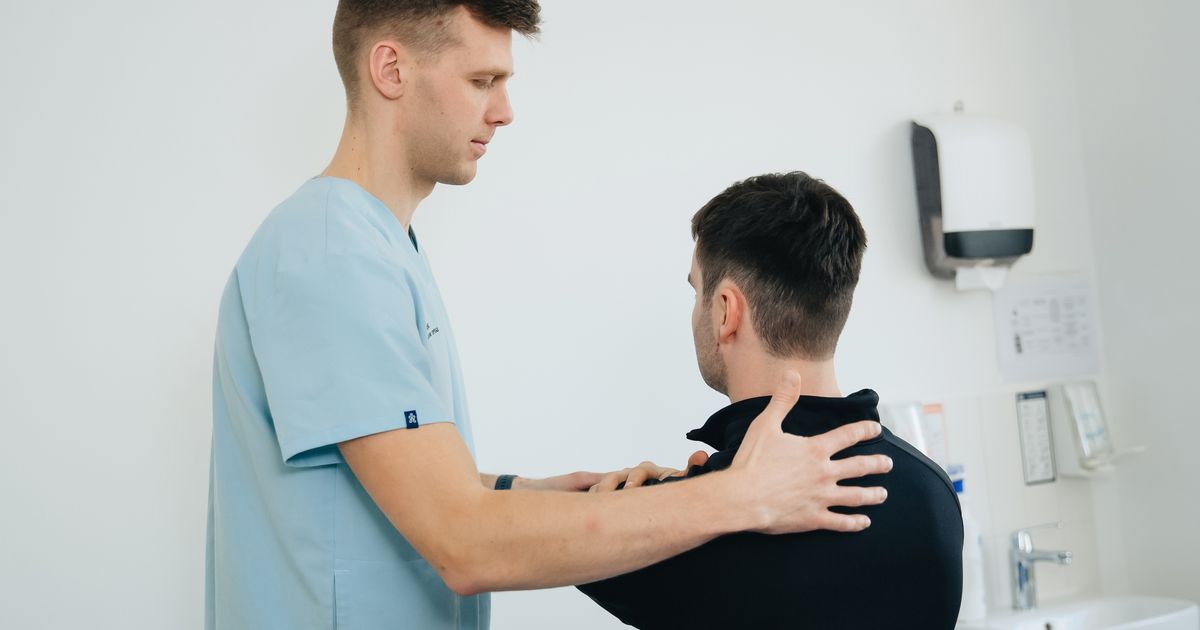
What is shoulder replacement surgery?
The shoulder is a ball and socket joint. The ball is the rounded top of the upper arm bone (humerus) and the socket is a shallow cup on the shoulder blade (glenoid). Both are covered with smooth cartilage, and a group of muscles and tendons called the rotator cuff holds the ball in place and helps lift the arm. When the cartilage wears away or the bone is badly broken, movement becomes painful and limited. In shoulder replacement surgery, the surgeon removes the damaged surfaces and fixes artificial parts in their place so the joint can glide again.
Other names for shoulder replacement surgery
- Kafada arthroplasty
- Sauyawa haɗin gwiwa na kafada
- Gyaran kafada gaba ɗaya
- Artificial shoulder joint surgery
Types of shoulder replacement surgery
Your surgeon chooses the type after examining you and reviewing X-rays and scans. Each type has its own detailed page.
| type | Abin da yake | Lokacin da ake amfani da shi |
|---|---|---|
| Jimlar maye gurbin kafada | Both the ball and the socket are replaced, keeping the normal shape of the joint | Arthritis with a rotator cuff that still works well |
| Juya kafada maye | The positions of the ball and socket are switched, so the deltoid muscle lifts the arm instead of the rotator cuff | Arthritis with a large rotator cuff tear that cannot be repaired, some complex fractures, and some failed earlier replacements |
| Reverse total shoulder arthroplasty | The medical name for the reverse design, explained step by step | The same situations as reverse shoulder replacement |
| Gyaran kafada na hemiarthroplasty | Only the ball is replaced and the natural socket is kept | Some fractures of the upper arm bone, or damage limited to the ball |
Why is shoulder replacement surgery done?
The main aim is to relieve pain. Better movement and strength usually follow, but pain relief is the most reliable benefit. Your doctor may suggest it for:
- Amosanin gabbai caused by wear and tear (osteoarthritis)
- Inflammatory joint disease such as rheumatoid amosanin gabbai
- Arthritis that develops after a long-standing rotator cuff rauni
- A mai tsanani karaya a kafada that cannot be fixed reliably with plates and screws
- Loss of blood supply to the ball of the joint (avascular necrosis)
- A previous shoulder replacement that has failed
Surgery is usually considered only after medicines, physiotherapy, activity changes and joint injections have not given enough relief. Smaller problems may be treated with kafada arthroscopy or Gyaran rotator cuff instead. It may not be suitable if there is an active infection or a health condition that makes anaesthesia unsafe.
How is shoulder replacement surgery done?
Before surgery you will have blood tests, X-rays and often a CT or MRI scan, along with an anaesthesia check. Tell your team about all your medicines, especially blood thinners. The general steps are:
- Maganin jin zafi: You are given general anaesthesia, often with a nerve block that keeps the arm numb for some hours afterwards.
- Ciki: The surgeon makes a cut at the front of the shoulder to reach the joint.
- Removing damaged bone: The worn ball is removed and the socket is prepared if it is being replaced.
- Placing the implant: The new parts are fixed to the bone and the joint is checked for movement and stability.
- ƙulli: The wound is closed and the arm is placed in a sling.
The exact steps differ between types and are explained on each type's page.
Risks of shoulder replacement surgery
Most people recover without serious problems, but every operation carries risk. These include:
- Kamuwa da cuta ta rauni ko kuma a kusa da dashen
- Bleeding or a blood clot
- Stiffness, or less movement than hoped for
- Dislocation or instability of the new joint
- Injury to nerves or blood vessels near the shoulder
- A break in the bone around the implant
- Loosening or wear of the implant over the years, which may need repeat surgery
- Hadarin da ke da alaƙa da sa barci
Recovery after shoulder replacement surgery
You will usually start gentle hand, wrist and elbow movements soon after surgery. A physiotherapist will guide your shoulder exercises in stages: first assisted movement, then active movement, and later strengthening. Many people manage light daily tasks within about six weeks, while driving, lifting and overhead work take longer and need your surgeon's clearance. Strength and movement can keep improving for up to a year.
Yaushe za a nemi taimakon likita
- Fever ko sanyi
- Ƙara ja, kumburi ko fitar ruwa a wurin raunin
- Sudden severe pain, or a feeling that the shoulder has slipped out of place
- New numbness or weakness in the arm or hand
- Chest pain, breathlessness, or pain and swelling in the calf
What is the cost of shoulder replacement surgery in India?
Farashin ya dogara da abubuwa da yawa:
- The type of replacement and the implant chosen
- Birni, asibiti da kuma nau'in ɗakin
- The length of hospital stay
- Tests, scans and anaesthesia needs
- Other health conditions that need care during your stay
- Physiotherapy bayan an sallame shi
Farashin ya bambanta daga mutum zuwa mutum. Da fatan za a duba asibiti don ainihin farashi.
Many health insurance policies cover joint replacement surgery, so check your policy terms with your insurer.
Why choose Apollo Hospitals for shoulder replacement surgery?
- Orthopaedic surgeons with experience in shoulder and joint replacement surgery
- Imaging, anaesthesia, physiotherapy and medical specialists in the same hospital
- Assessment that includes non-surgical options before surgery is advised
- Structured physiotherapy and follow-up after discharge
Availability differs between centres. Please check with the hospital. To discuss your shoulder problem, you can Yi alƙawari da likitan ƙashi na ƙafa a Apollo Hospitals.
Questions to ask your doctor about shoulder replacement surgery
- Which type of shoulder replacement do you recommend for me, and why?
- Are there non-surgical options I have not yet tried?
- How much pain relief and movement can I realistically expect?
- How long will I need a sling and physiotherapy?
- Yaushe zan iya tuƙi, aiki da ɗagawa?
- How long is the implant likely to last in my case?
FAQs
1. How do I know which type of shoulder replacement I need?
Your surgeon decides after examining your shoulder and reviewing your scans. A working rotator cuff usually suits a total replacement, while a torn cuff that cannot be repaired often needs a reverse design.
2. Is shoulder replacement a major surgery?
Yes. It is a major operation done under general anaesthesia, with a hospital stay and a long period of physiotherapy.
3. How long does a shoulder replacement last?
Many implants last for many years, but this varies with your age, activity, bone quality and the type of implant. Your surgeon can explain what to expect in your case.
4. Yaya murmurewa yake da zafi?
Pain is expected in the first few weeks and is managed with a nerve block, pain relief medicines and ice. Tell your team if the pain is getting worse instead of better.
5. Will I get full movement back?
Most people gain useful movement for daily tasks, but the shoulder may not move as freely as a healthy joint. The result depends on the type of replacement, your muscles and how well you follow physiotherapy.
6. When can I drive after shoulder replacement?
Usually only after you are out of the sling and can control the vehicle safely without pain, which often takes several weeks. Ask your surgeon first.
7. Are there alternatives to shoulder replacement?
Yes. Medicines, physiotherapy, activity changes, joint injections and, for some problems, keyhole surgery may help. Replacement is usually advised when these no longer control the pain.
8. Which doctor performs shoulder replacement surgery?
An orthopaedic surgeon performs it, often one who focuses on shoulder or joint replacement surgery.
Kammalawa
Shoulder replacement surgery can relieve long-standing pain and improve arm function when arthritis, a rotator cuff problem or a fracture has damaged the joint beyond repair. The choice between total, reverse and partial replacement depends on your shoulder, so read the page for the type suggested to you and discuss the expected result and risks with your surgeon.
Wannan shafin don samun bayanai na gaba ɗaya ne kuma ba ya maye gurbin shawarar likitanka. Ya kamata a yanke shawara kan magani tare da ƙwararren masani wanda ya san tarihin lafiyarka.
Kwanan nan Ƙara


Likitocin ƙashi a Asibitocin Apollo




Disclaimer:
Bayanin da aka bayar a wannan shafin an yi shi ne don dalilai na bayanai da ilimi kawai. Duk da cewa muna yin iya ƙoƙarinmu don tabbatar da cewa bayanin ya kasance daidai, abin dogaro, kuma ana sake duba shi akai-akai, bai kamata a ɗauke shi a matsayin madadin shawarar likita, ganewar asali, ko magani na ƙwararru ba.
Dacewar hanyar magani, tare da fa'idodinta, haɗarinta, shiri, murmurewa, rikice-rikicen da ka iya tasowa, da kuma sakamakon da ake tsammani, na iya bambanta daga mutum zuwa mutum. Ƙwararren likitanka zai tantance ko hanyar ta dace bisa ga yanayinka da tarihin lafiyarka.
Da fatan za a tuntuɓi ƙwararren ƙwararren ma'aikacin lafiya don neman shawara ta musamman kafin yanke shawara game da kowace irin hanyar magani.
Don ƙarin bayani game da yadda ake ƙirƙirar, sake dubawa, sabunta, da kuma kula da abubuwan da ke cikin likitancinmu, da fatan za a karanta [Manufofin Edita].




