Atherectomy at Apollo Hospitals, Gurugram (Gurgaon)
An yi bita ta ƙungiyar editoci ta Apollo · An yi bita na ƙarshe a watan Nuwamba 2026
Amsa da sauri
Atherectomy is a catheter-based procedure that removes or breaks down hard plaque inside a narrowed artery, most often in the heart or the legs. A thin catheter carrying a tiny rotating burr, a spinning crown, a cutting blade or a laser is passed from the wrist or groin to the blockage under X-ray guidance. It is generally used when plaque is so calcified that a balloon or stent cannot cross or expand properly, and is usually followed by balloon angioplasty and often a stent.
Mabuɗin gaskiya
| hanya | Tsarin halitta |
| Akwai a | Asibitocin Apollo, Gurugram (Gurgaon) |
| Lokutan OPD | 9 na zuwa 4 a ranar |
| Ƙayyadewa | 080 6999 1061 |
Overview
Atherectomy is a catheter-based procedure that removes or breaks down hard plaque inside a narrowed artery, most often in the heart or the legs. A thin catheter carrying a tiny rotating burr, a spinning crown, a cutting blade or a laser is passed from the wrist or groin to the blockage under X-ray guidance. It is generally used when plaque is so calcified that a balloon or stent cannot cross or expand properly, and is usually followed by balloon angioplasty and often a stent.
Atherectomy may help selected people with coronary artery disease or peripheral artery disease whose blockages are heavily calcified, very tight or have re-narrowed inside an earlier stent. It is not needed for most angioplasty procedures. The interventional cardiologist decides after reviewing the angiogram, and sometimes imaging from inside the artery, to judge how much calcium is present and whether a balloon alone is likely to open the vessel. Bypass surgery or medicines may be more suitable for some patterns of disease.
Book a consultation at Apollo Hospitals, Gurugram to learn whether atherectomy is suitable for you.
Why is Atherectomy Necessary?
Calcium makes plaque rigid, so a balloon may fail to stretch the artery and a stent may not open fully. A poorly expanded stent is more likely to clot or narrow again, and modifying the plaque first helps the artery to respond to treatment.
Conditions That May Require Atherectomy
Atherectomy is considered in the following conditions when the plaque cannot be treated adequately with balloons alone.
- Heavily calcified coronary artery disease: It is used to prepare rigid, calcified narrowings so that a stent can be delivered and expanded fully.
- Blockages that a balloon cannot cross or open: When a balloon will not pass through the narrowing or fails to expand it, atherectomy may create a channel.
- Peripheral artery disease of the legs: Plaque in the thigh, knee or calf arteries may be removed or reduced to improve blood flow to the leg and foot.
- Re-narrowing inside a stent: Tissue or calcium that has built up within an earlier stent may be treated with laser or mechanical atherectomy in selected cases.
Alamu da Alamomin Kallon Ga
Symptoms depend on whether the narrowed artery supplies the heart or the legs.
- Chest pain or tightness on exertion: Angina that comes on with effort suggests a narrowing in a coronary artery.
- Rashin numfashi tare da aiki: Reduced blood flow to the heart may show itself as shortness of breath instead of pain.
- Calf, thigh or buttock pain on walking: Cramping that begins after a set distance and eases with rest is typical of peripheral artery disease.
- Foot pain at rest: Burning or aching in the foot at night that improves when the leg hangs down signals severely reduced circulation.
- Sores on the foot or toes that do not heal: Ulcers or dark patches of skin suggest a critical shortage of blood and need urgent assessment.
Lokacin da Sauran Magunguna Ba Su Daɗe Ba
Medicines, stopping smoking, supervised walking and control of diabetes, blood pressure and cholesterol are the first line of treatment for artery disease. A procedure is considered when symptoms remain limiting, when the heart muscle or the limb is at risk, or during a heart attack. Standard balloons and stents work for most blockages, and atherectomy is added when calcium prevents them from opening the artery properly.
Nau'ikan Atherectomy
Different devices suit different arteries and kinds of plaque.
- Juyawa atherectomy: A diamond-coated burr spinning at high speed grinds calcified plaque into microscopic particles that are carried away in the blood.
- Orbital atherectomy: An off-centre crown rotates in a widening orbit to sand down calcium on the artery wall.
- Laser atherectomy: Pulses of ultraviolet laser energy delivered through a catheter vaporise plaque or tissue inside an artery or stent.
- Hanyar atherectomy: A small blade shaves plaque from one side of the artery and collects it in the catheter, mainly in leg arteries.
Bukatun Shari'a da Ɗabi'a a Indiya
Kafin a fara magani, ƙungiyar likitocin za ta yi bayani dalla-dalla game da alamun, hanyoyin da za a bi, fa'idodin da ake tsammani da kuma haɗarin da za a iya fuskanta, sannan ta sami izini a rubuce. Za ku iya yin tambayoyi, neman ra'ayi na biyu kuma ku ɗauki lokaci don yanke shawara.
Tuntuɓi ƙungiyar masu kula da zuciya a Asibitocin Apollo, Gurugram don tantance lafiyarka.
Risks of Delaying Atherectomy
Delaying treatment of a significant calcified blockage may carry the following risks.
- Ciwon zuciya: A tight coronary narrowing can block completely and damage the heart muscle.
- Babban bayyanar angina: Chest pain may become more frequent and occur with less exertion or at rest.
- Shorter walking distance: Leg pain from peripheral artery disease may limit walking further over time.
- Non-healing wounds and gangrene: Severely reduced blood flow to the foot can cause tissue loss.
- Risk of amputation: Advanced limb-threatening disease that is not treated in time may end in loss of toes, the foot or part of the leg.
- Harder procedures later: Calcium tends to increase over time, which can make later treatment more complex.
The urgency of treatment depends on your symptoms and on whether the heart or the limb is under threat.
Amfanin Atherectomy
In selected patients with calcified blockages, atherectomy may offer the following.
- Makes stenting possible: Reducing the calcium may allow balloons and stents to reach narrowings that could not otherwise be treated through a catheter.
- Fuller stent expansion: A stent placed after plaque modification is more likely to open evenly against the artery wall.
- Relief of angina or leg pain: Restoring blood flow may ease chest pain or allow longer walking distances.
- Support for wound healing: Improved circulation in the leg may help foot ulcers to heal in suitable patients.
- No open surgery: The procedure is done through a puncture in the wrist or groin under local anaesthesia.
Not every calcified blockage needs atherectomy, and the benefit depends on the artery involved and your general health.
Atherectomy at Apollo Hospitals, Gurugram (Gurgaon)
Why Choose Apollo Hospitals, Gurugram for Atherectomy?
Apollo Hospitals, Gurugram combines specialist assessment with coordinated care for people who need atherectomy.
- Ƙimar ƙwararru: An interventional cardiologist studies the angiogram and the degree of calcification to decide whether plaque modification is needed.
- Team review of options: Complex coronary and leg artery disease is discussed with cardiac or vascular surgeons to compare catheter treatment with bypass surgery.
- Planned aftercare: Antiplatelet treatment, risk factor control and review visits are arranged to protect the treated artery.
- Tsarin fannoni daban-daban: Kwararru daga sassan da suka dace suna yin bitar shari'o'i masu rikitarwa tare kafin su ba da shawarar wani shiri.
- Jiyya ta musamman: Shawarwari sun yi la'akari da alamomin ku, sakamakon gwaji, shekaru, lafiyar ku gaba ɗaya da abubuwan da kuke so.
- Sadarwa mai mayar da hankali kan marasa lafiya: Ƙungiyar kula da marasa lafiya tana bayyana shirye-shirye, tsammanin murmurewa, magunguna da alamun gargaɗi a cikin harshe mai sauƙi.
- Ci gaba da kulawa: Ziyarar da ake yi bayan an dawo da ita tana bin diddigin murmurewa da kuma taimakawa wajen kula da yanayin da ke haifar da hakan a tsawon lokaci.
Atherectomy Care for Patients in Gurugram and Delhi NCR
Apollo Hospitals, Gurugram is located on Golf Course Road, Sector 28, Gurugram, Haryana 122009. It offers Atherectomy for patients from Gurugram, the wider Delhi NCR and Haryana, with specialist doctors, nursing and diagnostic teams working together from assessment to follow-up.
How to Reach the Atherectomy Team in Gurugram
- Adireshin: Asibitocin Apollo Gurugram, Titin Golf, Sashe na 28, Gurugram, Haryana 122009
- Phone: 0124-6501600 ko 08069991061
- Littafi akan layi: Book a Atherectomy consultation in Gurugram
Nemi hanyar zuwa Asibitocin Apollo, Gurugram
Asibitocin Apollo, Gurugram yana kan titin Golf Course, Sashe na 28. Buɗe wurin asibitin kuma sami umarni akan Taswirorin Google.
Idan Kana Zama A Waje Gurugram
If you are travelling from elsewhere in Delhi NCR or Haryana, ask the care team how to plan your consultation, tests and follow-up visits for Atherectomy so that you are not making more trips than needed.
Abin da Za Ka Kawo Zuwa Ga Shawarwarinka Na Farko
- Scans, rahotannin gwaje-gwaje da bayanan likita da suka shafi yanayinka na baya
- Jerin magungunan da kake amfani da su a yanzu da kuma duk wani rashin lafiyar da ke damunka
- Shaidar hoto da bayanan inshora, idan kuna da su
Kulawa Mai Alaƙa a Asibitocin Apollo, Gurugram
Bincika sashen ilimin zuciya a Asibitocin Apollo, Gurugram don ƙarin koyo game da ƙwararrun likitoci da ayyukan da ake da su.
Shiri don Atherectomy
Ƙimar Asibiti
Your specialist first confirms the diagnosis and whether atherectomy is the right option.
- Raba tarihinka: Describe chest pain, walking distance and any foot wounds, and mention diabetes, kidney disease, smoking, earlier stents and bleeding problems.
- Halarci jarrabawa: The doctor checks heart sounds, blood pressure, pulses in the legs and feet and the condition of the skin on the feet.
- Yi tattaunawa kan wasu hanyoyin: Ask about medicines and exercise therapy, balloon angioplasty with special balloons, shockwave-based calcium treatment and bypass surgery.
Gwaje-gwaje Kafin Magani
These tests define the blockage and check that the procedure can be done safely.
- Coronary or peripheral angiography: Shows where the artery is narrowed, how long the blockage is and how much calcium is visible.
- Imaging from inside the artery: Ultrasound or light-based imaging catheters may be used to measure the depth and extent of calcium.
- Doppler ultrasound and ankle-brachial index: Measure blood flow and pressure in the legs when peripheral artery disease is suspected.
- ECG and echocardiography: Assess heart rhythm and pumping function before a coronary procedure.
- Blood gwaje-gwaje: Check kidney function, blood count, blood sugar and clotting before contrast dye and blood thinners are given.
Magunguna da Allergy
Ya kamata a yi canje-canjen magunguna ne kawai bisa shawarar ƙungiyar masu magani.
- Bayar da jerin magunguna: Ya haɗa da takardar magani, insulin, magungunan rage radadi a jini, kari da kuma magungunan da ba a rubuta ba.
- Rahoton rashin lafiyar jiki: Ka gaya wa ƙungiyar game da halayen da suka faru a baya game da rini mai kama da juna, magunguna, latex ko maganin sa barci.
- Bi takamaiman umarni: Ana iya tambayarka ka gyara magungunan rage radadi na jini ko magungunan ciwon suga kafin a fara aikin.
Tsarin Abinci da Aiki
Bi umarnin asibiti na musamman na shiga asibiti da kuma azumi.
- Ka lura da umarnin azumi: Dakatar da abinci da ruwa a lokacin da aka gaya maka, idan ana buƙatar azumi.
- Shirya tallafi: Ka nemi babban mutum mai alhaki ya raka ka ya taimaka bayan an sallame ka.
- Tsara zaman ku: Kawo katin shaida, rahotanni, tufafi masu daɗi da kuma muhimman kayan sirri.
Yarjejeniya da Bita na Ƙarshe
Ƙungiyar tana kammala binciken lafiya kuma tana amsa tambayoyi kafin a yi mata magani.
- Ka fahimci tsarin: Yi bitar fa'idodi, ƙuntatawa, madadin da kuma yiwuwar rikitarwa.
- Tabbatar da izini: Sanya hannu kan fom ɗin amincewa kawai bayan kun sami bayanin da kuka fahimta.
- Rahoton canje-canje: Sanar da asibiti game da zazzabi, kamuwa da cuta ko duk wata sabuwar alama kafin a fara aikin.
Farfadowa Bayan Atherectomy
Nan da nan Bayan Jiyya
Kulawa yana farawa da zarar an gama aikin.
- Kulawa: ECG, blood pressure and, after a leg procedure, the pulses and colour of the foot are checked regularly.
- Kula da wurin hudawa: The wrist band or groin dressing is watched for bleeding, and you lie flat for some hours after a groin puncture.
- Overnight stay: Most patients stay in hospital for a night so that the heart or limb circulation can be observed.
Kulawa a Gida
Bi shawarar sallama da aka bayar don halin da kake ciki.
- Magungunan hana platelet: Take them every day as prescribed, because they keep the treated artery and any stent from clotting.
- Kare shafin shiga: Avoid heavy lifting, straining and long baths for about a week and keep the area clean.
- Foot care and walking: After a leg procedure, inspect your feet daily, wear well-fitting footwear and build up walking gradually.
Magunguna da Bibiya
Kulawa mai ci gaba yana taimakawa wajen murmurewa da kuma duba sakamakon magani.
- A sha magunguna yadda ya kamata: Ci gaba da shan magungunan da aka rubuta kuma kada ku daina shan su ba tare da shawara ba.
- Halarci ziyarar bita: Bibiya na iya haɗawa da jarrabawa da gwaje-gwajen maimaitawa.
- Alamomin Tafiya: Lura da duk wani canji a cikin alamun ku kuma ku raba shi a sharhin ku.
Komawa ga Ayyukan da Aka Saba
Many people resume light activity within a few days and desk work within about a week after a planned procedure. Driving is usually avoided for about a week, or longer if advised after a heart attack. Avoid heavy lifting and strenuous exercise for one to two weeks. After treatment of a leg artery, regular walking is encouraged once the groin has healed. Recovery is slower when the procedure was done as an emergency or when foot wounds are still healing.
Alamomin Gargaɗi Da Ke Bukatar Gaggawa Ga Likitanci
Nemi taimakon likita cikin gaggawa idan wani daga cikin waɗannan ya taso.
- Chest pain, breathlessness or fainting: Call for emergency help immediately, as the treated coronary artery may need urgent attention.
- Bleeding or a swelling at the puncture site: Press firmly on the area and go to the emergency department straight away.
- A leg or foot that becomes cold, pale, numb or very painful: Seek urgent care, because the artery may have blocked again.
- Fever or redness and discharge at the puncture site: Tuntuɓi asibiti cikin gaggawa domin a yi maganin kamuwa da cuta.
- Black stools or blood in urine: Report this to your doctor quickly and do not stop your antiplatelet medicines on your own.
Take the Next Step Towards Atherectomy Care
A specialist consultation can clarify whether atherectomy is right for you and what the alternatives are.
Kawo waɗannan takardu idan akwai:
- Bayanan likita: Ku ɗauki bayanan shawarwari na baya, taƙaitaccen bayani game da sallama daga aiki da kuma takardar magani.
- Rahotannin gwaji: Kawo hotunan daukar hoto, sakamakon jini da sauran bincike da suka shafi yanayinka.
- Jerin magunguna: Haɗa allurai na yanzu, kari da allergies.
- Cikakkun bayanai game da tantancewa da kuma ɗaukar hoto: A ɗauke da shaidar da ta dace, takardun inshora da takardun da aka tura.
Book your atherectomy consultation with Apollo Hospitals, Gurugram today.
Frequently Asked Questions About Atherectomy
Is atherectomy the same as angioplasty?
No. Angioplasty uses a balloon to push plaque aside and widen the artery, whereas atherectomy removes or breaks down hard plaque with a burr, blade or laser. The two are usually combined: atherectomy prepares a calcified artery, and a balloon and often a stent are then used to complete the treatment.
What are the risks of atherectomy?
The risks include those of angioplasty, such as bleeding, artery damage, heart attack, kidney strain from contrast dye and re-narrowing. Atherectomy adds a small risk of a tear or perforation of the artery, slow blood flow from plaque debris and a temporary slow heartbeat. The team monitors for these and is prepared to treat them.
How long does an atherectomy procedure take?
It typically takes one to two hours, depending on the artery, the length of the blockage and whether stents are placed. Treatment of several segments or very heavy calcium may take longer. You are usually awake with local anaesthesia and light sedation.
Is atherectomy painful?
Most people feel only the injection of local anaesthetic at the wrist or groin. Brief chest discomfort or a warm sensation may occur while the device is working or when the balloon is inflated. Sedation and pain relief are available, and you should tell the team about any discomfort during the procedure.
Can the blockage come back after atherectomy?
Yes, it can. Arteries may narrow again over months or years, particularly in people with diabetes, kidney disease or continued smoking. Taking antiplatelet and cholesterol-lowering medicines, controlling blood sugar and blood pressure, staying active and attending follow-up all help to lower the chance of recurrence.
Which is the best hospital for Atherectomy in Gurugram?
The right hospital depends on your condition and your doctor's advice. Apollo Hospitals, Gurugram offers specialist assessment, diagnostics and coordinated care for atherectomy. Compare the team's experience, the facilities and the follow-up care on offer before you decide.
How do I book a consultation for Atherectomy at Apollo Hospitals, Gurugram?
Za ku iya yin rajista ta yanar gizo ta hanyar hanyar haɗin yin rajista a wannan shafin, ko ku kira 08069991061. Lokacin OPD shine daga ƙarfe 9 na safe zuwa 4 na yamma. Ƙungiyar kulawa za ta jagorance ku zuwa ga ƙwararren da ya dace.
Ina Asibitocin Apollo, Gurugram suke?
Asibitocin Apollo, Gurugram yana kan titin Golf, Sashe na 28, Gurugram, Haryana 122009.
What should I bring to my first consultation for Atherectomy?
Kawo duk wani rahoto na gwaji da aka yi amfani da shi game da yanayinka, bayanan lafiyarka na baya, jerin magungunan da kake amfani da su a yanzu da kuma rashin lafiyarka, katin shaidarka na hoto da kuma bayanan inshorar ka idan kana da su.
Can patients from outside Gurugram get Atherectomy care at Apollo Hospitals, Gurugram?
Eh. Marasa lafiya daga Delhi NCR, Haryana da sauran sassan Indiya za su iya tuntuɓar ƙungiyar da ke Asibitocin Apollo, Gurugram. Raba rahotanninku lokacin da kuka yi rajista don ƙungiyar ta tsara ziyarar ku.
Bayanin Lafiya: Wannan bayanin don ilimi ne na gabaɗaya kuma ba ya maye gurbin shawara da likita mai ƙwarewa. Shawarwarin magani ya dogara ne akan kimantawar mutum ɗaya.
Kwanan nan Ƙara


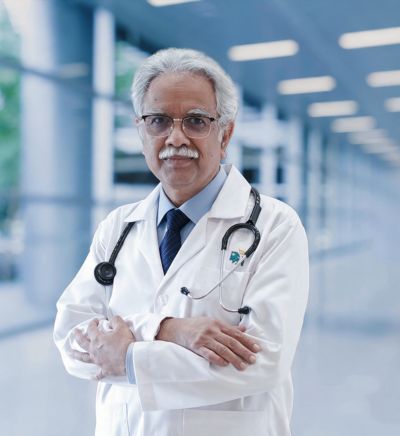
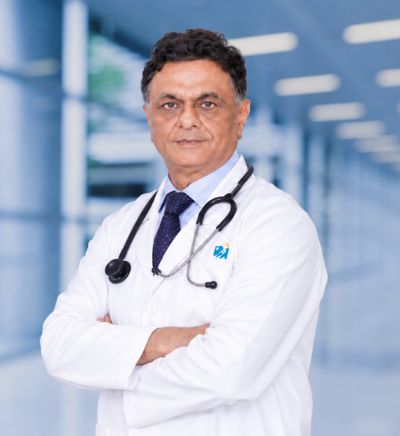
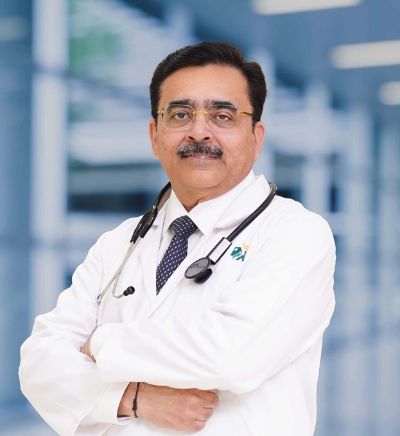
Akwai likitoci a Gurugram








Disclaimer:
Bayanin da aka bayar a wannan shafin an yi shi ne don dalilai na bayanai da ilimi kawai. Duk da cewa muna yin iya ƙoƙarinmu don tabbatar da cewa bayanin ya kasance daidai, abin dogaro, kuma ana sake duba shi akai-akai, bai kamata a ɗauke shi a matsayin madadin shawarar likita, ganewar asali, ko magani na ƙwararru ba.
Dacewar hanyar magani, tare da fa'idodinta, haɗarinta, shiri, murmurewa, rikice-rikicen da ka iya tasowa, da kuma sakamakon da ake tsammani, na iya bambanta daga mutum zuwa mutum. Ƙwararren likitanka zai tantance ko hanyar ta dace bisa ga yanayinka da tarihin lafiyarka.
Da fatan za a tuntuɓi ƙwararren ƙwararren ma'aikacin lafiya don neman shawara ta musamman kafin yanke shawara game da kowace irin hanyar magani.
Don ƙarin bayani game da yadda ake ƙirƙirar, sake dubawa, sabunta, da kuma kula da abubuwan da ke cikin likitancinmu, da fatan za a karanta [Manufofin Edita].