


Gisusi sa Apollo Editorial Team
Dali nga tubag
An osteotomy is an operation in which a surgeon cuts a bone and resets it in a better position, shape or length. It is done to correct a deformity, to shift weight away from a worn part of a joint, or to realign the jaws. The bone is held with plates, screws, a rod or a frame while it heals, which usually takes a few months.
| Yawi nga mga kamatuoran | Mga Detalye |
|---|---|
| Unsa kini | Surgery to cut and realign a bone |
| Mga komon nga lugar | Shin bone and thigh bone around the knee, pelvis and hip, foot, jaw |
| Anesthesia | Kinatibuk-an o spinal |
| Pagpabilin sa hospital | Usually a few days, depending on the bone |
| Pag-ayo sa bukog | Often about three months or longer |
| Gibuhat ni | Orthopaedic surgeon; jaw osteotomy by an oral and maxillofacial surgeon |
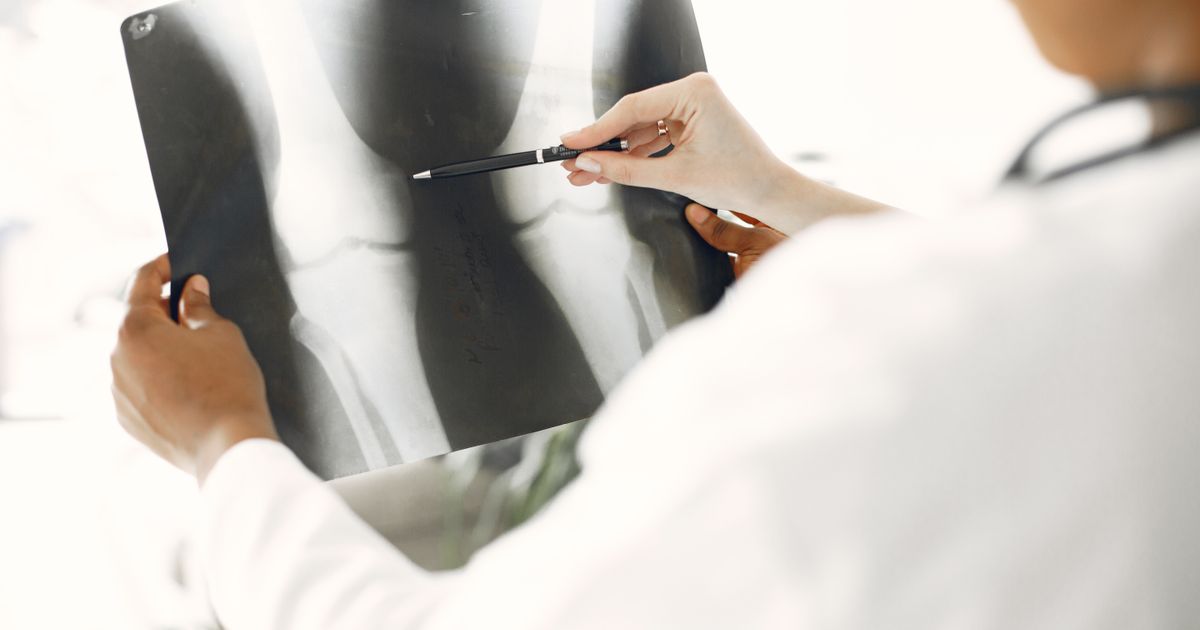
Unsa ang osteotomy?
The word osteotomy means "cutting of bone". In this operation the surgeon makes a planned cut through a bone, then either opens the cut into a wedge, removes a wedge, or rotates or slides the two parts so that the bone sits in a new position. The new position is fixed with metal implants until the bone joins again, in the same way that a fracture heals.
Other names for osteotomy
- Bone realignment surgery
- Corrective osteotomy
- Deformity correction surgery
- Bone cutting surgery
Types of osteotomy
Osteotomy is named after the bone that is cut. Each type has its own page with full details of preparation, steps, risks and recovery.
| Type | Unsa kini | Kung kini gigamit | Basaha ang dugang pa |
|---|---|---|---|
| Osteotomy sa tuhod | Realignment of the bone just above or below the knee | Bow legs or knock knees with wear on one side of the knee | Knee osteotomy for malalignment |
| High tibial osteotomy (HTO) | A cut in the upper shin bone, the most common knee osteotomy | Bow legs with arthritis on the inner side of the knee, usually in younger, active adults | Taas nga tibial osteotomy |
| Tibia osteotomy | A cut at any level of the shin bone | Deformity from birth, growth problems or a fracture that healed in a poor position | Tibia osteotomy |
| Femur osteotomy | A cut in the thigh bone, near the hip or near the knee | Knock knees, twisted thigh bone, some hip problems | Femur osteotomy |
| Pelvic osteotomy | Cuts around the hip socket to change its angle | A shallow hip socket (hip dysplasia) in children and young adults | Pelvic osteotomy |
| Jaw osteotomy | Cuts in the upper jaw, lower jaw or both to reposition them | Bite problems and jaw imbalance that braces alone cannot correct | Operasyon sa orthognathic |
Osteotomies are also done in the foot, for example for mga bunion, and in the forearm, hand and spine.
Why is an osteotomy done?
- To unload a worn joint: sa sayo osteoarthritis limited to one side of the knee, realigning the leg moves body weight to the healthier side. This can ease pain and may delay the need for knee replacement.
- To correct a deformity: bow legs, knock knees or twisted bones, including those left by riket or other growth problems.
- To correct a badly healed fracture: a bone that has joined at the wrong angle or with a twist.
- To improve the fit of the hip: in hip dysplasia or after childhood hip conditions such as Perthes nga sakit.
- To change bone length: as the first step of pagpalugway sa tiil.
- To align the jaws: for bite, chewing and facial balance.
Osteotomy is not suitable for everyone. It works best when the joint surface is still in reasonable condition. When arthritis affects the whole joint, a joint replacement such as kinatibuk-ang pagpuli sa bat-ang is usually the better choice.
How is an osteotomy done?
- Planning: the surgeon measures the deformity on a full-length X-ray, ug usahay a CT scan, to decide where to cut and how much to correct.
- Anesthesia: you are given a general or spinal anaesthetic.
- Bone cut: through a cut in the skin, the surgeon divides the bone with a fine saw, using X-ray guidance.
- Pagtul-id: the bone is opened, closed, rotated or shifted to the planned position. A pagsumbag sa bukog may be placed in the gap.
- Pag-ayo: the bone is held with a plate and screws, a rod inside the bone, or an external frame, and the wound is closed.
What are the risks of an osteotomy?
- Mas komon: pain, swelling and stiffness for some weeks; discomfort from the plate or screws, which are sometimes removed later
- Dili kasagaran: infection, blood clots in the leg veins, injury to a nerve or blood vessel, slow healing or failure of the bone to join, too much or too little correction, and breakage or loosening of the implant
- Sa paglabay sa panahon: arthritis may still progress, and some people need a joint replacement in later years
Recovery after an osteotomy
Recovery is slower than after many other bone and joint operations, because the cut bone has to heal. After a leg osteotomy you will usually use crutches or a walker for several weeks and put only part of your weight on the leg until the X-ray shows healing. Physiotherapy begins early to keep the joints moving and the muscles strong. Many people return to desk work within some weeks, while heavy work and sport often take six months or more.
Kanus-a mangayo tabang medikal
- Fever, or redness, warmth or discharge at the wound
- Pain that is getting worse and is not eased by your medicines
- Swelling or pain in the calf
- Sakit sa dughan o kalisod sa pagginhawa
- Numbness, tingling or a cold, pale foot or hand
What is the cost of osteotomy in India?
Ang gasto nagdepende sa:
- The bone treated and how complex the correction is
- The implant used (plate, rod or external frame) and any bone graft
- Gidugayon sa pagpabilin sa ospital ug kategorya sa kwarto
- Scans, tests and planning
- Physiotherapy and walking aids
- Ang siyudad ug ang ospital
Magkalahi ang mga presyo sa matag tawo. Palihog susiha sa ospital ang tinuod nga presyo.
Health insurance often covers osteotomy done for a medical reason; confirm with your insurer before admission.
Why choose Apollo Hospitals for osteotomy?
- Orthopaedic surgeons experienced in joint preservation and deformity correction
- Careful measurement and planning on imaging before surgery
- Honest advice on whether osteotomy, joint replacement or non-surgical care suits you better
Availability differs between centres. Please check with the hospital. To discuss your options, you can pag-book og appointment sa usa ka orthopedic surgeon sa Apollo Hospitals.
Questions to ask your doctor about osteotomy
- Why do you advise an osteotomy and not a joint replacement or other treatment?
- Which bone will be cut, and how will it be fixed?
- Hangtod kanus-a ko mogamit og saklay?
- When can I return to work, driving and sport?
- Kinahanglan ba nga tangtangon ang plato o mga tornilyo sa ulahi?
- How long is the benefit likely to last in my case?
FAQs
1. Is an osteotomy a major surgery?
Yes. It involves cutting and fixing a bone under anaesthesia, a hospital stay and a recovery of several months.
2. How long does bone take to heal after an osteotomy?
Many osteotomies show sound healing at around three months, but it can take longer, depending on the bone, your age, your general health and whether you smoke.
3. Is osteotomy better than knee replacement?
Neither is better for everyone. Osteotomy suits younger, active people with damage on one side of the knee and a leg that is out of line. Knee replacement suits people with arthritis across the joint.
4. Can I have a joint replacement later if I need one?
Yes. Many people who have an osteotomy can still have a joint replacement in later years if arthritis progresses.
5. Will I have metal in my body permanently?
Plates, screws and rods can usually stay in place for life. They may be removed after the bone has healed if they cause discomfort.
6. Is osteotomy done in children?
Yes. Children and teenagers may need an osteotomy for limb deformities, hip dysplasia or other growth-related conditions.
7. Is an osteotomy painful?
You will not feel pain during the operation. Pain afterwards is expected for the first days and weeks and is managed with pain relief medicines.
8. Which doctor performs an osteotomy?
Osteotomies of the limbs and pelvis are performed by orthopaedic surgeons. Jaw osteotomy is performed by an oral and maxillofacial surgeon, usually together with an orthodontist.
Panapos
An osteotomy corrects the position of a bone so that a limb, joint or jaw works better, and it keeps your own joint. It needs careful selection, a healing period of months and steady rehabilitation.
Kini nga panid alang sa kinatibuk-ang impormasyon ug dili mopuli sa tambag gikan sa imong doktor. Ang mga desisyon sa pagtambal kinahanglan nga himuon uban sa usa ka kwalipikado nga espesyalista nga nahibalo sa imong medikal nga kasaysayan.
Bag-ong Nadugang


Mga Siruhano sa Orthopedic sa Apollo Hospitals




nga pagpasabot:
Ang impormasyon nga gihatag niini nga panid gituyo alang lamang sa kinatibuk-ang impormasyon ug edukasyonal nga mga katuyoan. Samtang naghimo kami og makatarunganon nga mga paningkamot aron masiguro nga ang impormasyon tukma, kasaligan, ug kanunay nga gisusi, dili kini angay isipon nga kapuli sa propesyonal nga tambag medikal, pagdayagnos, o pagtambal.
Ang kaangayan sa usa ka medikal nga pamaagi, uban sa mga benepisyo, risgo, pagpangandam, pagkaayo, posibleng mga komplikasyon, ug gilauman nga mga resulta, mahimong magkalahi sa matag tawo. Ang imong propesyonal sa panglawas ang motino kung ang usa ka pamaagi angay ba base sa imong indibidwal nga kondisyon ug medikal nga kasaysayan.
Palihog konsultaha ang usa ka kwalipikado nga propesyonal sa panglawas alang sa personal nga tambag sa dili pa mohimo og mga desisyon bahin sa bisan unsang medikal nga pamaagi.
Alang sa dugang nga impormasyon bahin sa kung giunsa paghimo, pagrepaso, pag-update, ug pagmentinar ang among medikal nga sulud, palihug basaha ang among [Patakaran sa Editoryal].




