


Gisusi sa Apollo Editorial Team
Dali nga tubag
Myomectomy is surgery to remove fibroids from the womb while leaving the womb in place. It is usually chosen by women whose fibroids cause troublesome symptoms and who wish to keep their uterus or plan a pregnancy. It can be done through an open cut, by keyhole or robotic surgery, or through the vagina with a thin telescope. The right method depends on the size, number and position of the fibroids.
| Yawi nga mga kamatuoran | Mga Detalye |
|---|---|
| Unsa kini | Surgical removal of uterine fibroids with repair of the womb |
| Pangunang rason | Fibroids causing heavy periods, pain, pressure or fertility problems |
| Panguna nga lahi | Abdominal (open), laparoscopic, robotic and hysteroscopic |
| Anesthesia | Usually general anaesthesia; sometimes spinal |
| Pagpabilin sa hospital | Same day to a few days, depending on the method |
| Recovery | A few days to about six weeks, depending on the method |
| Bomba | Kept in place, so periods continue and pregnancy may still be possible |
| Gibuhat ni | Gynaecologist or gynaecological surgeon |
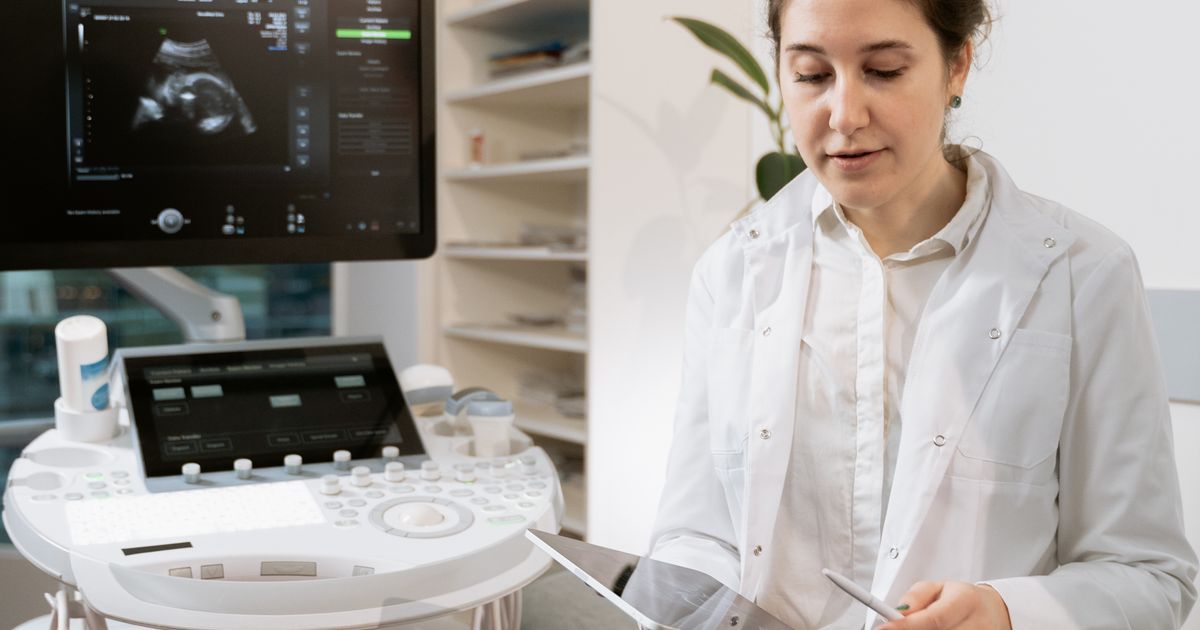
What is myomectomy?
Fibroids are non-cancerous growths of muscle tissue in the wall of the womb. Many women have them and never need treatment. When uterine fibroids cause symptoms, one option is myomectomy. The surgeon removes each fibroid and then stitches the womb wall back together. Unlike a matris, the womb is not removed.
Other names for myomectomy
- Operasyon sa pagtangtang sa fibroid
- Fibroidectomy
- Uterine fibroid surgery
- Removal of leiomyoma or myoma
- Womb-sparing fibroid surgery
Types of myomectomy
There are four main ways to do the operation. Each has its own detailed page, linked in the table below.
| Type | Unsa kini | When it is commonly used | Basaha ang dugang pa |
|---|---|---|---|
| Abdominal (open) | Fibroids are removed through one cut in the lower abdomen | Very large fibroids, many fibroids, or fibroids set deep in the womb wall | Myomectomy sa tiyan |
| Laparoskopiko | Keyhole surgery through a few small cuts, using a camera and slim instruments | A limited number of small to medium fibroids in or on the outer part of the womb wall | Laparoscopic myomectomy |
| Robotiko | Keyhole surgery in which the surgeon controls robotic arms from a console | Similar cases to laparoscopic surgery, sometimes where the stitching is more demanding | Robotic myomectomy |
| Hysteroscopic | A thin telescope is passed through the vagina and cervix, with no cuts on the abdomen | Fibroids that bulge into the cavity of the womb (submucosal fibroids) | Hysteroscopic myomectomy |
Why is myomectomy done?
Myomectomy may be advised when fibroids cause:
- Heavy or prolonged periods, sometimes leading to anaemia and tiredness
- Pelvic pain, pressure or a feeling of fullness in the lower abdomen
- Frequent urination or constipation from pressure on the bladder or bowel
- Difficulty conceiving or repeated pregnancy loss, when a fibroid distorts the womb cavity
It is not the only option. Depending on your age, symptoms and plans for pregnancy, your doctor may also discuss watchful waiting, medicines to control bleeding, uterine artery embolisation, focused ultrasound treatment or hysterectomy. Myomectomy is generally preferred when a woman wants to keep her womb.
How is myomectomy done in general?
Before surgery, the fibroids are mapped with a pelvic ultrasound and sometimes an MRI scan. Blood tests check for anaemia, which may need to be corrected first. Tell your doctor about all medicines you take, especially blood thinners.
The operation is done under anesthesia. In open, laparoscopic ug robotic surgery, the surgeon opens the womb wall over each fibroid, eases the fibroid out and closes the wall in layers with stitches. In the hysteroscopic method, the fibroid is shaved away from inside the womb during a hysteroscopy. The removed tissue is sent to the laboratory for examination. The step-by-step details differ for each method and are explained on the pages linked above.
Risks of myomectomy
Your surgeon will explain which risks apply to you.
- Bleeding during or after surgery, which occasionally needs a pag-abono sa dugo
- Infection of the wound, womb or urinary tract
- Scar tissue (adhesions) inside the pelvis or womb
- Injury to the bladder, bowel or blood vessels, which is uncommon
- Mga pamuo sa dugo sa mga bitiis o baga
- Mga reaksyon sa anestesya
- Rarely, the need to remove the womb if bleeding cannot be controlled
- A scar in the womb wall, which may affect how a future baby is delivered
- New fibroids growing in later years
Recovery after myomectomy
Recovery depends mainly on the method. After hysteroscopic surgery, many women go home the same day and return to normal activity within a few days. After laparoscopic or robotic surgery, recovery usually takes two to four weeks. After open surgery, expect a hospital stay of a few days and around four to six weeks before full activity. Some vaginal spotting, tiredness and mild pain are common at first. Walk gently from early on, and avoid heavy lifting and strenuous exercise until your doctor clears you.
Kanus-a mangayo tabang medikal
- Heavy vaginal bleeding or passing large clots
- Hilanat o katugnaw
- Grabe o nagkagrabe nga sakit sa tiyan
- Redness, swelling or discharge from a wound
- Mabaho nga vaginal discharge
- Pain or swelling in one leg, chest pain or breathlessness
- Kalisud sa pagpasa sa ihi
What is the cost of myomectomy in India?
Ang gasto nagdepende sa daghang mga hinungdan:
- The method used (open, laparoscopic, robotic or hysteroscopic)
- The number, size and position of the fibroids
- Ang gidugayon sa pagpabilin sa ospital ug klase sa kwarto
- Tests and scans needed before surgery
- Whether a blood transfusion or other extra care is needed
- Ang siyudad ug ang ospital
Magkalahi ang mga presyo sa matag tawo. Palihog susiha sa ospital ang tinuod nga presyo.
Many health insurance policies cover medically necessary fibroid surgery. Check the terms of your own policy before admission.
Why choose Apollo Hospitals for myomectomy?
- Gynaecologists experienced in open, keyhole and hysteroscopic fibroid surgery
- Ultrasound and MRI imaging to plan the operation
- Anaesthesia, blood bank and intensive care support on site
- Fertility and obstetric teams available for women planning a pregnancy
- Robotic surgery at selected centres. Availability differs between centres. Please check with the hospital.
To discuss fibroid treatment, you can book an appointment with a gynaecologist at an Apollo hospital near you.
Questions to ask your doctor about myomectomy
- Do my fibroids need surgery, or can they be watched or treated another way?
- Which type of myomectomy suits my fibroids, and why?
- What is the chance that the plan changes to open surgery or hysterectomy?
- How long should I wait before trying for a pregnancy?
- Will I need a caesarean delivery in a future pregnancy?
- How likely are my fibroids to return?
FAQs
1. Is myomectomy a major operation?
It depends on the method. Open abdominal myomectomy is major surgery with a recovery of several weeks. Laparoscopic and robotic operations use small cuts and recovery is usually quicker. Hysteroscopic myomectomy involves no cuts on the abdomen and is often a day procedure.
2. Which type of myomectomy is right for me?
The choice depends on the size, number and position of your fibroids, any previous surgery, and your plans for pregnancy. Fibroids inside the womb cavity are usually treated hysteroscopically. Large or numerous fibroids often need open surgery. Your gynaecologist will advise after reviewing your scans.
3. Can I get pregnant after myomectomy?
Many women conceive after myomectomy, though it cannot be guaranteed because fertility depends on many factors. Your surgeon will tell you how long to wait before trying, so that the womb wall has time to heal.
4. Will I need a caesarean after myomectomy?
Sometimes. If the cut in the womb wall was deep, a planned caesarean may be advised to lower the risk of the scar giving way during labour. Ask your surgeon to record what was done, and share this with your obstetrician.
5. Can fibroids come back after myomectomy?
Yes. The fibroids that are removed do not regrow, but new ones can develop over time, especially in younger women and those who had many fibroids. Some women need further treatment later.
6. How is myomectomy different from hysterectomy?
Myomectomy removes only the fibroids and keeps the womb, so periods continue and pregnancy may be possible. Hysterectomy removes the womb, so fibroids cannot return, but pregnancy is no longer possible.
7. Unsa ka dugay ang pagkaayo?
Recovery ranges from a few days after hysteroscopic surgery to around four to six weeks after open surgery. Laparoscopic and robotic surgery fall in between.
8. Which doctor performs myomectomy?
Myomectomy is performed by a gynaecologist. Keyhole and robotic operations are done by gynaecologists with extra training in minimally invasive surgery.
Panapos
Myomectomy removes fibroids while keeping the womb, and it can be done in four main ways. The best approach depends on your fibroids and your plans for the future. Read the page for the type your doctor has suggested, and talk through the benefits and risks with your gynaecologist before deciding.
Kini nga panid alang sa kinatibuk-ang impormasyon ug dili mopuli sa tambag gikan sa imong doktor. Ang mga desisyon sa pagtambal kinahanglan nga himuon uban sa usa ka kwalipikado nga espesyalista nga nahibalo sa imong medikal nga kasaysayan.
Bag-ong Nadugang


Gynaecologists at Apollo Hospitals







nga pagpasabot:
Ang impormasyon nga gihatag niini nga panid gituyo alang lamang sa kinatibuk-ang impormasyon ug edukasyonal nga mga katuyoan. Samtang naghimo kami og makatarunganon nga mga paningkamot aron masiguro nga ang impormasyon tukma, kasaligan, ug kanunay nga gisusi, dili kini angay isipon nga kapuli sa propesyonal nga tambag medikal, pagdayagnos, o pagtambal.
Ang kaangayan sa usa ka medikal nga pamaagi, uban sa mga benepisyo, risgo, pagpangandam, pagkaayo, posibleng mga komplikasyon, ug gilauman nga mga resulta, mahimong magkalahi sa matag tawo. Ang imong propesyonal sa panglawas ang motino kung ang usa ka pamaagi angay ba base sa imong indibidwal nga kondisyon ug medikal nga kasaysayan.
Palihog konsultaha ang usa ka kwalipikado nga propesyonal sa panglawas alang sa personal nga tambag sa dili pa mohimo og mga desisyon bahin sa bisan unsang medikal nga pamaagi.
Alang sa dugang nga impormasyon bahin sa kung giunsa paghimo, pagrepaso, pag-update, ug pagmentinar ang among medikal nga sulud, palihug basaha ang among [Patakaran sa Editoryal].




