


Gisusi sa Apollo Editorial Team
Dali nga tubag
An appendectomy is an operation to remove the appendix, a small finger shaped pouch attached to the large bowel. It is most often done as an emergency for appendicitis, to prevent the appendix from bursting. It can be done by keyhole (laparoscopic) surgery or through an open cut, and most people recover fully within a few weeks. The body works normally without an appendix.
| Yawi nga mga kamatuoran | Mga Detalye |
|---|---|
| Unsa kini | Pagtangtang sa apendiks pinaagi sa operasyon |
| Pangunang rason | Appendicitis (an inflamed or infected appendix) |
| Pamaagi | Laparoscopic (keyhole) or open surgery |
| Anesthesia | Kinatibuk-ang anesthesia |
| Panahon sa teatro | Usually about an hour, longer if the appendix has burst |
| Pagpabilin sa hospital | One to two days for a simple case, longer after a burst appendix |
| Kinsa ang mopatuman niini | A general surgeon, or a paediatric surgeon for children |
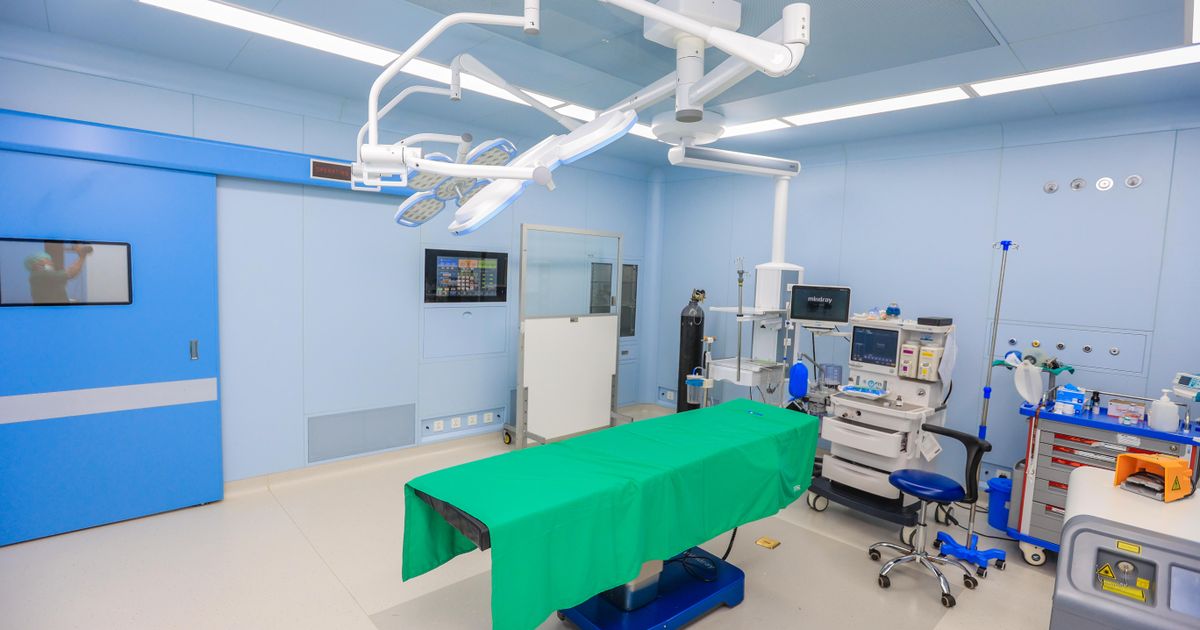
What is an appendectomy?
The appendix sits in the lower right part of the abdomen, where the small bowel joins the large bowel. When its opening becomes blocked, the appendix swells and becomes infected. This is appendicitis. An inflamed appendix can burst within a day or two, spilling infection into the abdomen. An appendectomy removes the appendix before or after this happens.
Other names for appendectomy
- Appendicectomy
- Appendix removal surgery
- Appendix operation
- Appendicitis surgery
Types of appendectomy
The table gives an outline of each type. Follow the links for full details of the methods that have their own pages.
| Type | Unsa kini | Kung kini gigamit | Basaha ang dugang pa |
|---|---|---|---|
| Laparoscopic appendectomy | The appendix is removed through two or three small cuts using a camera and slim instruments | The usual choice for most adults and children, including many with a burst appendix | Laparoscopic appendectomy |
| Bukas nga apendiks | The appendix is removed through a single cut a few centimetres long in the lower right abdomen | When keyhole surgery is not safe or possible, for example with widespread infection, dense scarring from earlier surgery, or when a keyhole operation has to be converted | Described on this page |
| Paediatric appendectomy | Appendix removal in a child, by keyhole or open surgery, with child sized instruments and anaesthesia care | Appendicitis in children and teenagers | Paediatric appendectomy |
| Interval appendectomy | A planned operation some weeks after appendicitis has first been treated with antibiotics and, if needed, drainage of an abscess | Selected people who came to hospital late with an abscess or a mass around the appendix | Pakigsulti sa imong siruhano |
Why is an appendectomy done?
- Acute appendicitis: by far the most common reason. Typical symptoms are pain that starts near the navel and moves to the lower right abdomen, loss of appetite, nausea, vomiting and mild fever.
- A burst (perforated) appendix: surgery removes the source of infection and allows the abdomen to be washed out.
- An appendix abscess or mass: usually treated first with antibiotics and drainage, with surgery later in some people.
- A growth in the appendix: uncommon, and sometimes found only when the removed appendix is examined in the laboratory.
Doctors diagnose appendicitis from the symptoms, an examination, blood tests such as a kompleto nga pag-ihap sa dugo, ang usa ka pagsulay sa ihi, and a scan, usually an abdominal ultrasound o sa usa ka CT scan.
In some adults with early, uncomplicated appendicitis, treatment with antibiotics alone may be offered. It avoids an operation at first, but appendicitis returns in a proportion of people, who then need surgery.
How is an appendectomy done?
Because appendicitis is usually an emergency, preparation is brief. You will be asked to stop eating and drinking, and you will be given fluids and antibiotics through a drip. Tell the team about your medicines, allergies and any chance of pregnancy.
- Anesthesia: you are given a general anaesthetic and are asleep throughout.
- access: the surgeon makes either small keyhole cuts or one open cut in the lower right abdomen.
- Pagtangtang: the appendix is located, its blood supply is sealed, and it is tied or stapled at its base and cut away.
- Pagpanglimpyo: any pus or fluid is washed out. A drain may be left if the appendix had burst.
- Pagtapos: the cuts are closed with stitches, staples or skin glue, and the appendix is sent to the laboratory.
Risks of appendectomy
An appendectomy is generally a safe operation, and the risks of leaving appendicitis untreated are much greater. Complications are more likely when the appendix has already burst.
- Impeksyon sa samad
- A collection of pus (abscess) inside the abdomen, which may need antibiotics or drainage
- Pagdugo
- Slow return of bowel activity, with bloating and nausea
- Injury to nearby bowel or other organs, which is rare
- A leak from the stump of the appendix, which is rare
- Bowel blockage from scar tissue, sometimes years later
- A hernia at a wound
- Blood clots in the legs or lungs, and anaesthetic complications
Recovery after appendectomy
After a simple appendectomy most people drink and eat lightly within hours, walk the same day and go home in one to two days. After a burst appendix the stay is longer, often several days, with antibiotics through a drip. Light activity and school or desk work are usually possible in one to two weeks. Avoid heavy lifting and strenuous sport for two to four weeks after keyhole surgery and for about four to six weeks after open surgery, or as your surgeon advises.
Kanus-a mangayo tabang medikal
- Hilanat o katugnaw
- Nagkadaghan nga sakit sa tiyan o paghubag
- Pula, paghubag o pag-agas gikan sa samad
- Repeated vomiting, or being unable to pass wind or stool
- Sakit sa nati, sakit sa dughan o kalisod sa pagginhawa
What is the cost of appendectomy in India?
Ang gasto nagdepende sa:
- Keyhole or open surgery
- Whether the appendix has burst and how long you stay in hospital
- Emergency or planned admission
- Scans, laboratory tests and medicines
- Kategoriya sa kwarto, siyudad ug ospital
Magkalahi ang mga presyo sa matag tawo. Palihog susiha sa ospital ang tinuod nga presyo.
Appendectomy for appendicitis is covered by most health insurance policies.
Why choose Apollo Hospitals for appendectomy?
- Emergency departments with access to scans, laboratory tests and operating theatres at all hours
- General and paediatric surgeons experienced in both keyhole and open appendix surgery
- Anaesthesia and intensive care support for complicated cases
- Laboratory examination of every removed appendix
Severe or worsening abdominal pain needs urgent assessment in an emergency department. For non urgent advice or follow-up, you can book an appointment with a general surgeon at Apollo Hospitals.
Questions to ask your doctor about appendectomy
- How certain is the diagnosis of appendicitis?
- Do I need surgery now, or is treatment with antibiotics an option?
- Will the operation be keyhole or open?
- What happens if the appendix has burst?
- How long will I be in hospital and away from work or school?
- What warning signs should I look for at home?
FAQs
1. Is an appendectomy a major operation?
It is a common operation done under general anaesthesia. For a simple case it is short and recovery is quick. It becomes a bigger operation if the appendix has burst.
2. Can appendicitis be treated without surgery?
Some adults with early, uncomplicated appendicitis can be treated with antibiotics alone, but the problem returns in a proportion of them. Surgery remains the standard treatment.
3. How long does an appendectomy take?
Usually about an hour. It can take longer if the appendix has burst or there is scarring from earlier operations.
4. Which is better, laparoscopic or open appendectomy?
Keyhole surgery usually means less pain, smaller scars, fewer wound infections and a faster return to activity. Open surgery is equally effective at removing the appendix and is safer in some situations.
5. Can I live normally without an appendix?
Yes. The appendix is not needed for digestion or general health, and no diet changes or medicines are required after recovery.
6. How long is the recovery after appendectomy?
Most people return to light activity in one to two weeks. Full recovery takes two to four weeks after keyhole surgery and up to six weeks after open surgery or a burst appendix.
7. What happens if appendicitis is not treated?
The appendix can burst and spread infection through the abdomen, which is a serious and sometimes life threatening condition. This is why suspected appendicitis needs urgent medical attention.
8. Which doctor performs an appendectomy?
A general surgeon performs it in adults. In children it is done by a paediatric surgeon or a general surgeon experienced in operating on children.
Panapos
An appendectomy is a well established and effective treatment for appendicitis. Most are done by keyhole surgery, with open surgery used when it is safer, and children are cared for by teams used to treating them. Early treatment lowers the risk of a burst appendix and makes recovery quicker, so do not delay seeking help for severe abdominal pain.
Kini nga panid alang sa kinatibuk-ang impormasyon ug dili mopuli sa tambag gikan sa imong doktor. Ang mga desisyon sa pagtambal kinahanglan nga himuon uban sa usa ka kwalipikado nga espesyalista nga nahibalo sa imong medikal nga kasaysayan.
Bag-ong Nadugang


Mga General Surgeon sa Apollo Hospitals







nga pagpasabot:
Ang impormasyon nga gihatag niini nga panid gituyo alang lamang sa kinatibuk-ang impormasyon ug edukasyonal nga mga katuyoan. Samtang naghimo kami og makatarunganon nga mga paningkamot aron masiguro nga ang impormasyon tukma, kasaligan, ug kanunay nga gisusi, dili kini angay isipon nga kapuli sa propesyonal nga tambag medikal, pagdayagnos, o pagtambal.
Ang kaangayan sa usa ka medikal nga pamaagi, uban sa mga benepisyo, risgo, pagpangandam, pagkaayo, posibleng mga komplikasyon, ug gilauman nga mga resulta, mahimong magkalahi sa matag tawo. Ang imong propesyonal sa panglawas ang motino kung ang usa ka pamaagi angay ba base sa imong indibidwal nga kondisyon ug medikal nga kasaysayan.
Palihog konsultaha ang usa ka kwalipikado nga propesyonal sa panglawas alang sa personal nga tambag sa dili pa mohimo og mga desisyon bahin sa bisan unsang medikal nga pamaagi.
Alang sa dugang nga impormasyon bahin sa kung giunsa paghimo, pagrepaso, pag-update, ug pagmentinar ang among medikal nga sulud, palihug basaha ang among [Patakaran sa Editoryal].




