


Gisusi sa Apollo Editorial Team
Dali nga tubag
Angiography is a group of imaging tests that show blood vessels. A contrast dye is put into the bloodstream and pictures are taken with X-ray, CT or MRI to reveal narrowing, blockage, bulging or abnormal vessels. Some types need a thin tube (catheter) passed through an artery; others need only an injection in the arm. The right type depends on which part of the body is being examined.
| Yawi nga mga kamatuoran | Mga Detalye |
|---|---|
| Unsa kini | Imaging of arteries or veins using contrast dye |
| Pangunang mga pamaagi | Catheter (conventional) angiography, CT angiography, MR angiography |
| Common areas studied | Heart, brain, neck, lungs, kidneys, legs, eyes |
| Anesthesia | Numbing injection for catheter tests; none for CT or MR angiography |
| Gikuha ang oras | From a few minutes for a scan to about an hour for a catheter test |
| Mopauli na | Usually the same day |
| Main cautions | Contrast allergy, kidney problems, pregnancy, bleeding risk |
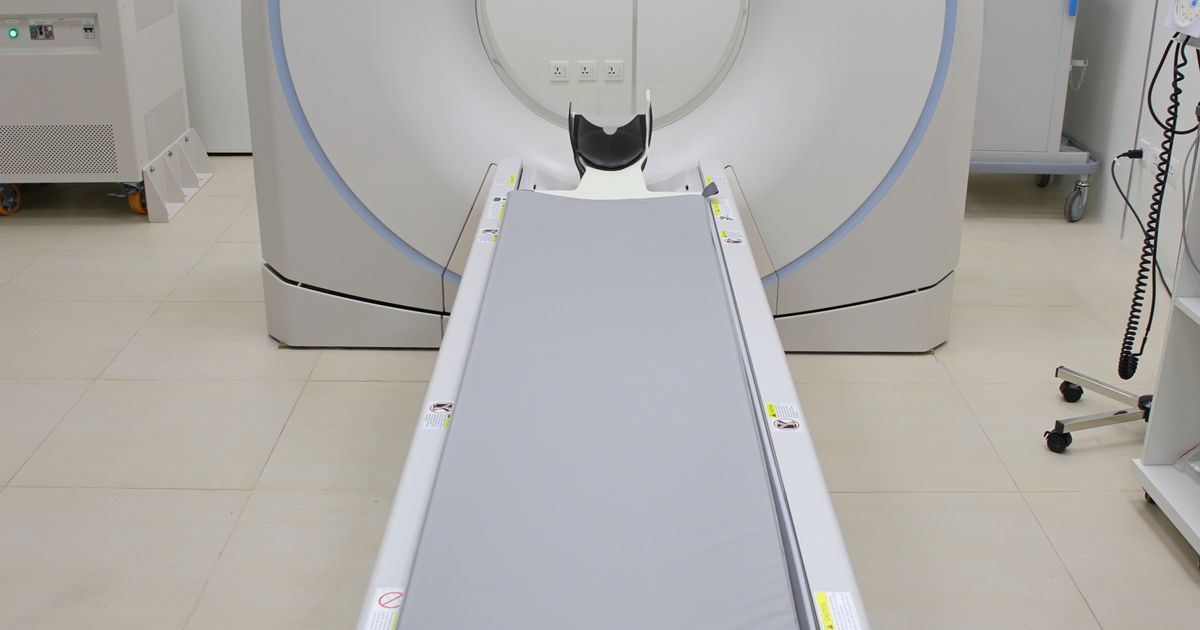
Unsa ang angiograpiya?
Blood vessels do not show up clearly on ordinary X-rays. In angiography, a contrast dye is injected so that the inside of the vessels stands out. The pictures are called angiograms. See our guide to what an angiogram is and why it is performed.
In catheter angiography, a doctor passes a catheter through an artery at the wrist or groin to the area of interest and injects dye directly while X-ray images are recorded. In CT and MR angiography, the dye is given through a vein in the arm and a scanner builds the pictures, so no catheter is needed.
Other names for angiography
- Angiogram or angio test
- Arteriography (arteries) and venography (veins)
- Angiograpiya sa digital subtraction (DSA)
- Angiography sa catheter
- CT angiography (CTA) and MR angiography (MRA)
Types of angiography
| Type | Unsa kini | Kung kini gigamit | Basaha ang dugang pa |
|---|---|---|---|
| Angiography sa coronary | Catheter test showing the arteries that supply the heart | Chest pain, heart attack, abnormal stress test, before heart surgery | Angiography sa coronary, coronary angiogram |
| Angiograpiya sa coronary sa CT | CT scan of the heart arteries with dye given in an arm vein | Lower to intermediate risk chest pain; checking for early disease | CT coronary angiogram |
| CT angiography | CT scan of vessels anywhere in the body | Aorta, lung, kidney, limb and brain vessels; emergencies | How a CT angiogram is performed |
| MR angiography | MRI-based pictures of vessels, with no X-rays | Brain, neck, kidney and limb vessels; when radiation should be avoided | MRA |
| Angiography sa cerebral | Catheter test of the brain's arteries | Aneurysm, abnormal vessel tangles, stroke assessment | Cerebral angiogram |
| Carotid angiography | Imaging of the neck arteries that supply the brain | Narrowing that may cause stroke or mini-stroke | Carotid angiography |
| Angiograpiya sa palibot | Imaging of arteries in the legs or arms | Leg pain on walking, non-healing foot wounds, before angioplasty or bypass | Sakit sa peripheral artery, peripheral angioplasty and stenting |
| Pulmonary angiography | Imaging of the lung arteries, now mostly by CT | Suspected clot in the lung | Ang embolism sa baga |
| Renal angiography | Imaging of the kidney arteries | Suspected narrowing causing high blood pressure or kidney damage | Stenosis sa pantog sa ugat |
| Venography | Imaging of veins | Clots, blocked or abnormal veins, planning vein procedures | Venography, venogram |
| Fluorescein angiography | Photographs of the retina after dye is injected in the arm | Diabetic eye disease and other retinal conditions | Fluorescein angiography |
| Lymphangiography | Imaging of lymph vessels | Lymph leaks and swelling | Lymphangiography |
Coronary angiography is usually done as part of catheterization sa kasingkasing.
Why is angiography done?
- To find narrowed or blocked arteries caused by atherosclerosis, for example in people with angina
- To look for clots, bulges (aneurysms), tears or abnormal connections between vessels
- To plan surgery, angioplasty or stenting, and to check the result afterwards
A catheter angiogram can sometimes be followed at once by treatment, such as coronary angioplasty ug stenting. CT and MR angiography are tests only.
How is angiography done?
Before the test, tell the team about allergies, kidney disease, diabetes medicines, blood thinners and any chance of pregnancy. A kidney blood test is often needed, and you may be asked to fast for a few hours.
- Angiograpiya sa catheter: the skin at the wrist or groin is numbed, a catheter is guided through the artery under X-ray, dye is injected and images are recorded. The catheter is removed and the puncture site is pressed or sealed. You rest for a few hours before going home.
- Angiograpiya sa CT: a cannula is placed in an arm vein, you lie on the scanner table, and dye is injected while the scan is taken. It takes a few minutes. You may feel a brief warm flush.
- MR angiography: you lie inside the MRI scanner for longer, and a different type of contrast may or may not be used.
Risks of angiography
Serious problems are uncommon. The risks depend on the type of test and your health.
- Contrast dye: a warm flush or metallic taste is common; allergic reactions are uncommon, and kidney function can worsen in people who already have kidney disease.
- Radiation: X-ray and CT tests use a controlled dose; MR angiography uses none.
- Catheter tests: bruising or bleeding at the puncture site is the most common problem. Damage to the artery, clots, stroke, heart rhythm disturbance or heart attack are rare.
- MRI: may not be possible with some implants or metal in the body.
Recovery after angiography
After CT or MR angiography you can usually return to normal activity straight away. After a catheter test, rest for the day, drink fluids unless told otherwise, avoid heavy lifting for a few days and do not drive for the first day.
Kanus-a mangayo tabang medikal
- Bleeding or a growing swelling at the puncture site
- A cold, pale, numb or painful hand or leg
- Sakit sa dughan o kalisod sa pagginhawa
- Weakness of the face or a limb, or trouble speaking
- Rash, itching, facial swelling or wheezing
What is the cost of angiography in India?
Ang gasto nagdepende sa:
- The type of angiography and the body area examined
- Whether a catheter, CT or MRI is used
- The amount and type of contrast
- Day care or overnight stay, and room category
- Ang siyudad ug ang ospital
Magkalahi ang mga presyo sa matag tawo. Palihog susiha sa ospital ang tinuod nga presyo.
Why choose Apollo Hospitals for angiography?
- Cardiologists, radiologists, neurologists and vascular specialists who select the type of test suited to your problem
- Catheterisation laboratories, CT and MRI under one roof at many centres
- Lahi-lahi ang mga pasilidad sa matag sentro. Palihog susiha sa ospital.
For heart-related symptoms, pag-book og appointment sa usa ka cardiologist at Apollo Hospitals, who can advise which test you need.
Questions to ask your doctor about angiography
- Which type of angiography do I need, and why?
- Could a CT or MR angiogram answer the question instead of a catheter test?
- Should I stop or change any medicines beforehand?
- Is the contrast dye safe for my kidneys?
- Might treatment such as angioplasty be done at the same time?
- Kanus-a nako makuha ang mga resulta?
FAQs
1. What is the difference between angiography and angiogram?
Angiography is the name of the test. An angiogram is the picture it produces. People often use the two words to mean the same thing.
2. Is angiography the same as angioplasty?
No. Angiography is a test that shows the vessels. Angioplasty is a treatment in which a narrowed vessel is widened with a balloon, often with a stent.
3. Is angiography painful?
The numbing injection or cannula stings briefly. The dye can cause a short warm feeling. Most people do not find the test painful.
4. How long does angiography take?
A CT angiogram takes a few minutes of scanning. A catheter angiogram usually takes about half an hour to an hour, followed by a few hours of rest.
5. Is CT angiography as good as catheter angiography?
CT angiography is very good at ruling out disease and avoids a catheter. Catheter angiography gives the finest detail and allows treatment in the same sitting.
6. Can I have angiography if I have kidney disease or a dye allergy?
Often yes, with precautions such as extra fluids, a smaller amount of dye or protective medicines, or by choosing a different test. Tell your doctor beforehand.
7. Do I need to stay in hospital?
Most angiography is done as a day procedure. You may stay overnight if treatment is carried out at the same time or if you need observation.
8. Which doctor performs angiography?
Cardiologists perform coronary angiography. Interventional radiologists, neuro-interventional specialists and vascular surgeons perform angiography of other areas, and radiologists report CT and MR angiograms.
Panapos
Angiography covers several tests that show blood vessels in different parts of the body, from quick CT scans to catheter studies that can lead directly to treatment. Use the links above to read about each test, and discuss the choice with your doctor.
Kini nga panid alang sa kinatibuk-ang impormasyon ug dili mopuli sa tambag gikan sa imong doktor. Ang mga desisyon sa pagtambal kinahanglan nga himuon uban sa usa ka kwalipikado nga espesyalista nga nahibalo sa imong medikal nga kasaysayan.
Bag-ong Nadugang


Mga Espesyalista sa Kasingkasing sa Apollo Hospitals








nga pagpasabot:
Ang impormasyon nga gihatag niini nga panid gituyo alang lamang sa kinatibuk-ang impormasyon ug edukasyonal nga mga katuyoan. Samtang naghimo kami og makatarunganon nga mga paningkamot aron masiguro nga ang impormasyon tukma, kasaligan, ug kanunay nga gisusi, dili kini angay isipon nga kapuli sa propesyonal nga tambag medikal, pagdayagnos, o pagtambal.
Ang kaangayan sa usa ka medikal nga pamaagi, uban sa mga benepisyo, risgo, pagpangandam, pagkaayo, posibleng mga komplikasyon, ug gilauman nga mga resulta, mahimong magkalahi sa matag tawo. Ang imong propesyonal sa panglawas ang motino kung ang usa ka pamaagi angay ba base sa imong indibidwal nga kondisyon ug medikal nga kasaysayan.
Palihog konsultaha ang usa ka kwalipikado nga propesyonal sa panglawas alang sa personal nga tambag sa dili pa mohimo og mga desisyon bahin sa bisan unsang medikal nga pamaagi.
Alang sa dugang nga impormasyon bahin sa kung giunsa paghimo, pagrepaso, pag-update, ug pagmentinar ang among medikal nga sulud, palihug basaha ang among [Patakaran sa Editoryal].




