



 Heart Institute
 Oncology
 Critical Care
 Institute of Transplant
 Emergency Medicine
  Institute of Gastroenterology
 Institute of Neurosciences
 CyberKnife Technology
  Institute of Renal sciences
 Institute of Robotic Surgeries
 Institute of Pulmonology
 Institute of Bariatric
 Institute of Obstetrics & Gynecology
 Institute of Vascular Surgery
 General Surgery
  ENT & Head, Neck
 Cosmetology
 Dental Clinic
 Anesthesia
 Advanced Pediatrics
 Eye/Opthalmology
Hematology
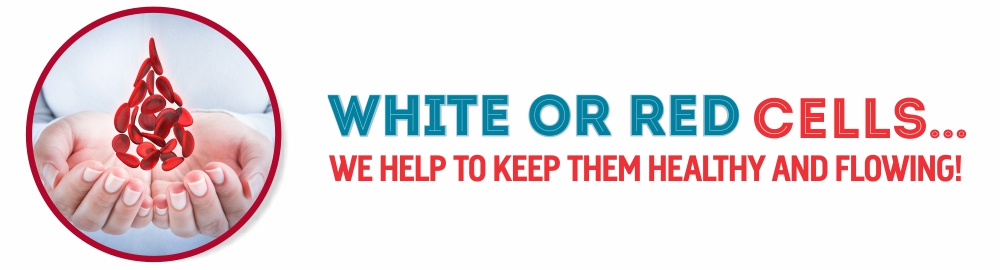
Hematology (from the Greek word ‘haima’, meaning blood) is the branch of internal medicine that deals with the physiology, pathology, etiology, diagnosis, treatment, prognosis and prevention of blood-related disorders. Hematologists are trained to treat a wide variety of disease conditions ranging from anemia to blood cancer.
Some of the diseases treated by haematologists include:
- Anemia due to hematinic deficiencies – iron deficiency anaemia, megaloblastic anemia.
- Cancers of blood, lymphoid organs or bone marrow – leukemia, lymphoma, multiple myeloma, myelodysplastic syndromes (MDS), myelofibrosis.
- Hemoglobinopathies – thalassemia, sickle cell anemia.
- Essential thrombocythemia or excess production of platelets.
- Polycythemia or excess production of red blood cells.
- Bleeding disorders – hemophilia, von Willebrand disease.
- Platelet disorders – immune thrombocytopenic purpura (ITP), Glanzmann’s thrombasthenia, Bernard Soulier syndrome.
- Clot formation within the body – deep vein thrombosis, pulmonary embolism, arterial thrombotic blocks, thrombophilia.
- Anticoagulation or blood thinning medications.
- Recurrent pregnancy loss due to antiphospholipid syndrome or deficiency of certain coagulation related proteins in the blood.
- Blood transfusion.
- Bone marrow stem cell transplantation.
