


Atherectomy at Apollo Hospitals, Gurugram (Gurgaon)
Geresenseer deur Apollo Redaksionele Span · Laas hersien November 2026
Vinnige antwoord
Atherectomy is a catheter-based procedure that removes or breaks down hard plaque inside a narrowed artery, most often in the heart or the legs. A thin catheter carrying a tiny rotating burr, a spinning crown, a cutting blade or a laser is passed from the wrist or groin to the blockage under X-ray guidance. It is generally used when plaque is so calcified that a balloon or stent cannot cross or expand properly, and is usually followed by balloon angioplasty and often a stent.
belangrike feite
| Prosedure | Aterektomie |
| Beskikbaar by | Apollo Hospitale, Gurugram (Gurgaon) |
| OPD-tye | 9 is tot 4 pm |
| aanstellings | 080 6999 1061 |
Oorsig
Atherectomy is a catheter-based procedure that removes or breaks down hard plaque inside a narrowed artery, most often in the heart or the legs. A thin catheter carrying a tiny rotating burr, a spinning crown, a cutting blade or a laser is passed from the wrist or groin to the blockage under X-ray guidance. It is generally used when plaque is so calcified that a balloon or stent cannot cross or expand properly, and is usually followed by balloon angioplasty and often a stent.
Atherectomy may help selected people with coronary artery disease or peripheral artery disease whose blockages are heavily calcified, very tight or have re-narrowed inside an earlier stent. It is not needed for most angioplasty procedures. The interventional cardiologist decides after reviewing the angiogram, and sometimes imaging from inside the artery, to judge how much calcium is present and whether a balloon alone is likely to open the vessel. Bypass surgery or medicines may be more suitable for some patterns of disease.
Book a consultation at Apollo Hospitals, Gurugram to learn whether atherectomy is suitable for you.
Why is Atherectomy Necessary?
Calcium makes plaque rigid, so a balloon may fail to stretch the artery and a stent may not open fully. A poorly expanded stent is more likely to clot or narrow again, and modifying the plaque first helps the artery to respond to treatment.
Conditions That May Require Atherectomy
Atherectomy is considered in the following conditions when the plaque cannot be treated adequately with balloons alone.
- Heavily calcified coronary artery disease: It is used to prepare rigid, calcified narrowings so that a stent can be delivered and expanded fully.
- Blockages that a balloon cannot cross or open: When a balloon will not pass through the narrowing or fails to expand it, atherectomy may create a channel.
- Peripheral artery disease of the legs: Plaque in the thigh, knee or calf arteries may be removed or reduced to improve blood flow to the leg and foot.
- Re-narrowing inside a stent: Tissue or calcium that has built up within an earlier stent may be treated with laser or mechanical atherectomy in selected cases.
Tekens en simptome om na op te let
Symptoms depend on whether the narrowed artery supplies the heart or the legs.
- Chest pain or tightness on exertion: Angina that comes on with effort suggests a narrowing in a coronary artery.
- Breathlessness with activity: Reduced blood flow to the heart may show itself as shortness of breath instead of pain.
- Calf, thigh or buttock pain on walking: Cramping that begins after a set distance and eases with rest is typical of peripheral artery disease.
- Foot pain at rest: Burning or aching in the foot at night that improves when the leg hangs down signals severely reduced circulation.
- Sores on the foot or toes that do not heal: Ulcers or dark patches of skin suggest a critical shortage of blood and need urgent assessment.
Wanneer ander behandelings nie meer genoeg is nie
Medicines, stopping smoking, supervised walking and control of diabetes, blood pressure and cholesterol are the first line of treatment for artery disease. A procedure is considered when symptoms remain limiting, when the heart muscle or the limb is at risk, or during a heart attack. Standard balloons and stents work for most blockages, and atherectomy is added when calcium prevents them from opening the artery properly.
Tipes aterektomie
Different devices suit different arteries and kinds of plaque.
- Rotasie-aterektomie: A diamond-coated burr spinning at high speed grinds calcified plaque into microscopic particles that are carried away in the blood.
- Orbitale aterektomie: An off-centre crown rotates in a widening orbit to sand down calcium on the artery wall.
- Laser aterektomie: Pulses of ultraviolet laser energy delivered through a catheter vaporise plaque or tissue inside an artery or stent.
- rigtinggewende aterektomie: A small blade shaves plaque from one side of the artery and collects it in the catheter, mainly in leg arteries.
Wetlike en Etiese Vereistes in Indië
Voor behandeling verduidelik die kliniese span die aanduiding, die alternatiewe, die verwagte voordele en die risiko's, en verkry skriftelike ingeligte toestemming. U kan vrae vra, 'n tweede opinie aanvra en tyd neem om te besluit.
Raadpleeg die kardiale span by Apollo Hospitale, Gurugram, vir 'n individuele assessering.
Risks of Delaying Atherectomy
Delaying treatment of a significant calcified blockage may carry the following risks.
- Hartaanval: A tight coronary narrowing can block completely and damage the heart muscle.
- Verergerende angina: Chest pain may become more frequent and occur with less exertion or at rest.
- Shorter walking distance: Leg pain from peripheral artery disease may limit walking further over time.
- Non-healing wounds and gangrene: Severely reduced blood flow to the foot can cause tissue loss.
- Risk of amputation: Advanced limb-threatening disease that is not treated in time may end in loss of toes, the foot or part of the leg.
- Harder procedures later: Calcium tends to increase over time, which can make later treatment more complex.
The urgency of treatment depends on your symptoms and on whether the heart or the limb is under threat.
Voordele van aterektomie
In selected patients with calcified blockages, atherectomy may offer the following.
- Makes stenting possible: Reducing the calcium may allow balloons and stents to reach narrowings that could not otherwise be treated through a catheter.
- Fuller stent expansion: A stent placed after plaque modification is more likely to open evenly against the artery wall.
- Relief of angina or leg pain: Restoring blood flow may ease chest pain or allow longer walking distances.
- Support for wound healing: Improved circulation in the leg may help foot ulcers to heal in suitable patients.
- No open surgery: The procedure is done through a puncture in the wrist or groin under local anaesthesia.
Not every calcified blockage needs atherectomy, and the benefit depends on the artery involved and your general health.
Atherectomy at Apollo Hospitals, Gurugram (Gurgaon)
Why Choose Apollo Hospitals, Gurugram for Atherectomy?
Apollo Hospitals, Gurugram combines specialist assessment with coordinated care for people who need atherectomy.
- Spesialisassessering: An interventional cardiologist studies the angiogram and the degree of calcification to decide whether plaque modification is needed.
- Team review of options: Complex coronary and leg artery disease is discussed with cardiac or vascular surgeons to compare catheter treatment with bypass surgery.
- Planned aftercare: Antiplatelet treatment, risk factor control and review visits are arranged to protect the treated artery.
- Multidissiplinêre beplanning: Spesialiste van die betrokke departemente hersien komplekse gevalle saam voordat hulle 'n plan aanbeveel.
- Geïndividualiseerde behandeling: Aanbevelings neem jou simptome, toetsuitslae, ouderdom, algemene gesondheid en voorkeure in ag.
- Pasiëntgerigte kommunikasie: Die sorgspan verduidelik voorbereiding, verwagte herstel, medisyne en waarskuwingstekens in gewone taal.
- Kontinuïteit van sorg: Opvolgbesoeke spoor herstel na en help om die onderliggende toestand oor tyd te bestuur.
Atherectomy Care for Patients in Gurugram and Delhi NCR
Apollo Hospitals, Gurugram is located on Golf Course Road, Sector 28, Gurugram, Haryana 122009. It offers Atherectomy for patients from Gurugram, the wider Delhi NCR and Haryana, with specialist doctors, nursing and diagnostic teams working together from assessment to follow-up.
How to Reach the Atherectomy Team in Gurugram
- adres: Apollo Hospitale Gurugram, Gholfbaanweg, Sektor 28, Gurugram, Haryana 122009
- Foon: 0124-6501600 of 08069991061
- Bespreek aanlyn: Book a Atherectomy consultation in Gurugram
Kry aanwysings na Apollo Hospitale, Gurugram
Apollo Hospitals, Gurugram is op Golf Course Road, Sektor 28. Maak die hospitaalligging oop en kry aanwysings op Google Maps.
As jy buite Gurugram woon
If you are travelling from elsewhere in Delhi NCR or Haryana, ask the care team how to plan your consultation, tests and follow-up visits for Atherectomy so that you are not making more trips than needed.
Wat om na jou eerste konsultasie te bring
- Skanderings, toetsverslae en vorige mediese rekords wat verband hou met u toestand
- 'n Lys van u huidige medisyne en enige allergieë
- Foto-ID en versekeringsbesonderhede, indien u dit het
Verwante sorg by Apollo-hospitale, Gurugram
Verken die Kardiologie-afdeling by Apollo Hospitale, Gurugram om meer te wete te kom oor die spesialiste en dienste wat beskikbaar is.
Voorbereiding vir aterektomie
Kliniese Assessering
Your specialist first confirms the diagnosis and whether atherectomy is the right option.
- Deel jou geskiedenis: Describe chest pain, walking distance and any foot wounds, and mention diabetes, kidney disease, smoking, earlier stents and bleeding problems.
- Woon die eksamen by: The doctor checks heart sounds, blood pressure, pulses in the legs and feet and the condition of the skin on the feet.
- Bespreek alternatiewe: Ask about medicines and exercise therapy, balloon angioplasty with special balloons, shockwave-based calcium treatment and bypass surgery.
Toetse voor behandeling
These tests define the blockage and check that the procedure can be done safely.
- Coronary or peripheral angiography: Shows where the artery is narrowed, how long the blockage is and how much calcium is visible.
- Imaging from inside the artery: Ultrasound or light-based imaging catheters may be used to measure the depth and extent of calcium.
- Doppler ultrasound and ankle-brachial index: Measure blood flow and pressure in the legs when peripheral artery disease is suspected.
- ECG and echocardiography: Assess heart rhythm and pumping function before a coronary procedure.
- Bloedtoetse: Check kidney function, blood count, blood sugar and clotting before contrast dye and blood thinners are given.
Medisyne en Allergieë
Medikasieveranderinge moet slegs op advies van die behandelende span gemaak word.
- Verskaf 'n medisynelys: Sluit voorskrifte, insulien, bloedverdunners, aanvullings en oor-die-toonbank medisyne in.
- Rapporteer allergieë: Vertel die span van vorige reaksies op kontrasmiddel, medisyne, lateks of narkose.
- Volg spesifieke aanwysings: Jy mag gevra word om bloedverdunners of diabetesmedisyne aan te pas voor die prosedure.
Kos en Praktiese Beplanning
Volg die hospitaal se persoonlike opname- en vastinstruksies.
- Volg die vasriglyne: Stop kos en vloeistowwe op die tyd wat vir jou gesê word, indien vas nodig is.
- Reël ondersteuning: Vra 'n verantwoordelike volwassene om jou te vergesel en te help na ontslag.
- Beplan jou verblyf: Bring identifikasie, verslae, gemaklike klere en noodsaaklike persoonlike items.
Toestemming en Finale Hersiening
Die span voltooi veiligheidstoetse en beantwoord vrae voor behandeling.
- Verstaan die plan: Hersien verwagte voordele, beperkings, alternatiewe en moontlike komplikasies.
- Bevestig toestemming: Teken die toestemmingsvorm slegs nadat u inligting ontvang het wat u verstaan.
- Rapporteer veranderinge: Stel die hospitaal in kennis van koors, infeksie of enige nuwe simptome voor die prosedure.
Herstel na aterektomie
Onmiddellik na behandeling
Monitering begin sodra die prosedure verby is.
- Monitoring: ECG, blood pressure and, after a leg procedure, the pulses and colour of the foot are checked regularly.
- Sorg vir die steekplek: The wrist band or groin dressing is watched for bleeding, and you lie flat for some hours after a groin puncture.
- Oornagverblyf: Most patients stay in hospital for a night so that the heart or limb circulation can be observed.
Sorg by die huis
Volg die ontslagadvies wat vir u situasie gegee word.
- Antiplaatjie medisyne: Take them every day as prescribed, because they keep the treated artery and any stent from clotting.
- Beskerm die toegangswerf: Avoid heavy lifting, straining and long baths for about a week and keep the area clean.
- Foot care and walking: After a leg procedure, inspect your feet daily, wear well-fitting footwear and build up walking gradually.
Medisyne en Opvolg
Deurlopende sorg ondersteun herstel en kontroleer die resultaat van behandeling.
- Neem medisyne korrek: Gaan voort met voorgeskrewe medisyne en moenie dit sonder advies staak nie.
- Woon hersieningsbesoeke by: Opvolg kan ondersoeke en herhaalde toetse insluit.
- Spoor simptome: Let op enige verandering in jou simptome en deel dit tydens jou evaluering.
Terugkeer na gewone aktiwiteite
Many people resume light activity within a few days and desk work within about a week after a planned procedure. Driving is usually avoided for about a week, or longer if advised after a heart attack. Avoid heavy lifting and strenuous exercise for one to two weeks. After treatment of a leg artery, regular walking is encouraged once the groin has healed. Recovery is slower when the procedure was done as an emergency or when foot wounds are still healing.
Waarskuwingstekens wat dringende mediese aandag benodig
Soek onmiddellik mediese hulp indien enige van die volgende ontwikkel.
- Chest pain, breathlessness or fainting: Call for emergency help immediately, as the treated coronary artery may need urgent attention.
- Bleeding or a swelling at the puncture site: Press firmly on the area and go to the emergency department straight away.
- A leg or foot that becomes cold, pale, numb or very painful: Seek urgent care, because the artery may have blocked again.
- Fever or redness and discharge at the puncture site: Kontak die hospitaal dadelik sodat die infeksie behandel kan word.
- Black stools or blood in urine: Report this to your doctor quickly and do not stop your antiplatelet medicines on your own.
Take the Next Step Towards Atherectomy Care
A specialist consultation can clarify whether atherectomy is right for you and what the alternatives are.
Bring die volgende dokumente saam wanneer beskikbaar:
- Mediese rekords: Dra vorige konsultasienotas, ontslagopsommings en voorskrifte saam.
- Toetsverslae: Bring skanderings, bloeduitslae en ander ondersoeke wat verband hou met jou toestand.
- Medisyne lys: Sluit huidige dosisse, aanvullings en allergieë in.
- Identifikasie- en dekkingsbesonderhede: Dra geldige identifikasie, versekeringsdokumente en verwysingsdokumente saam.
Book your atherectomy consultation with Apollo Hospitals, Gurugram today.
Frequently Asked Questions About Atherectomy
Is atherectomy the same as angioplasty?
No. Angioplasty uses a balloon to push plaque aside and widen the artery, whereas atherectomy removes or breaks down hard plaque with a burr, blade or laser. The two are usually combined: atherectomy prepares a calcified artery, and a balloon and often a stent are then used to complete the treatment.
What are the risks of atherectomy?
The risks include those of angioplasty, such as bleeding, artery damage, heart attack, kidney strain from contrast dye and re-narrowing. Atherectomy adds a small risk of a tear or perforation of the artery, slow blood flow from plaque debris and a temporary slow heartbeat. The team monitors for these and is prepared to treat them.
How long does an atherectomy procedure take?
It typically takes one to two hours, depending on the artery, the length of the blockage and whether stents are placed. Treatment of several segments or very heavy calcium may take longer. You are usually awake with local anaesthesia and light sedation.
Is atherectomy painful?
Most people feel only the injection of local anaesthetic at the wrist or groin. Brief chest discomfort or a warm sensation may occur while the device is working or when the balloon is inflated. Sedation and pain relief are available, and you should tell the team about any discomfort during the procedure.
Can the blockage come back after atherectomy?
Yes, it can. Arteries may narrow again over months or years, particularly in people with diabetes, kidney disease or continued smoking. Taking antiplatelet and cholesterol-lowering medicines, controlling blood sugar and blood pressure, staying active and attending follow-up all help to lower the chance of recurrence.
Which is the best hospital for Atherectomy in Gurugram?
The right hospital depends on your condition and your doctor's advice. Apollo Hospitals, Gurugram offers specialist assessment, diagnostics and coordinated care for atherectomy. Compare the team's experience, the facilities and the follow-up care on offer before you decide.
How do I book a consultation for Atherectomy at Apollo Hospitals, Gurugram?
Jy kan aanlyn bespreek deur die besprekingskakel op hierdie bladsy, of skakel 08069991061. OPD-tye is 9:00 tot 16:00. Die sorgspan sal jou na die regte spesialis lei.
Waar is Apollo Hospitale, Gurugram geleë?
Apollo Hospitale, Gurugram is op Gholfbaanweg, Sektor 28, Gurugram, Haryana 122009.
What should I bring to my first consultation for Atherectomy?
Bring enige skanderings en toetsverslae wat verband hou met u toestand, vorige mediese rekords, 'n lys van u huidige medisyne en allergieë, 'n foto-ID en u versekeringsbesonderhede as u dit het.
Can patients from outside Gurugram get Atherectomy care at Apollo Hospitals, Gurugram?
Ja. Pasiënte van Delhi NCR, Haryana en ander dele van Indië kan die span by Apollo Hospitals, Gurugram, raadpleeg. Deel jou verslae wanneer jy bespreek sodat die span jou besoek kan beplan.
Mediese Vrywaring: Hierdie inligting is vir algemene opleiding en vervang nie 'n konsultasie met 'n gekwalifiseerde dokter nie. Behandelingsbesluite hang af van individuele assessering.
Onlangs bygevoeg


Dokters beskikbaar in Gurugram



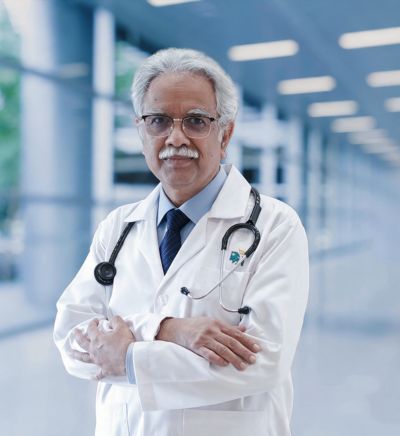


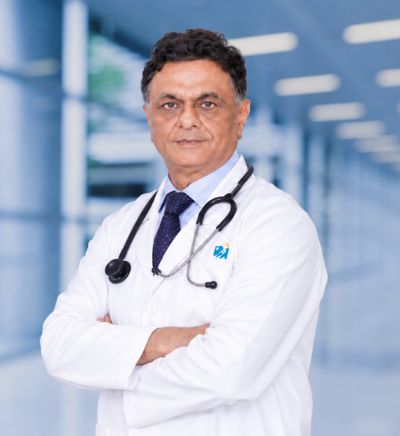

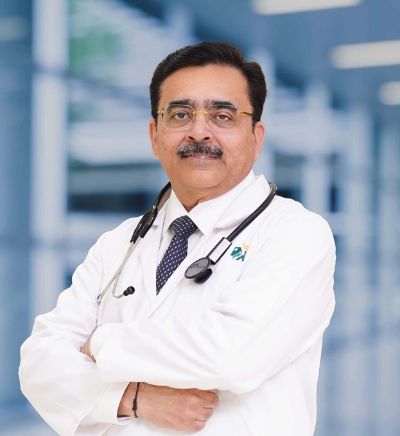


Vrywaring:
Die inligting wat op hierdie bladsy verskaf word, is slegs bedoel vir algemene inligtings- en opvoedkundige doeleindes. Alhoewel ons redelike pogings aanwend om te verseker dat die inligting akkuraat, betroubaar en gereeld hersien word, moet dit nie as 'n plaasvervanger vir professionele mediese advies, diagnose of behandeling beskou word nie.
Die geskiktheid van 'n mediese prosedure, tesame met die voordele, risiko's, voorbereiding, herstel, potensiële komplikasies en verwagte uitkomste daarvan, kan van persoon tot persoon verskil. Jou gesondheidsorgwerker sal bepaal of 'n prosedure gepas is op grond van jou individuele toestand en mediese geskiedenis.
Raadpleeg asseblief 'n gekwalifiseerde gesondheidsorgwerker vir persoonlike advies voordat u besluite neem rakende enige mediese prosedure.
Vir meer inligting oor hoe ons mediese inhoud geskep, hersien, opgedateer en onderhou word, lees asseblief ons [Redaksionele Beleid].




