


Ditinjau dening Tim Editorial Apollo
Wangsulan cepet
Cardioversion is a short, planned procedure that brings an irregular or very fast heartbeat back to a normal rhythm. Doctors do this either with a brief, controlled electric shock given under sedation (electrical cardioversion) or with medicines (pharmacological cardioversion). It is used most often for atrial fibrillation and atrial flutter. Most people go home the same day.
| Kasunyatan utama | Details |
|---|---|
| What it treats | Atrial fibrillation, atrial flutter, supraventricular tachycardia and some cases of ventricular tachycardia |
| jinis | Electrical (synchronised DC shock) and pharmacological (medicines) |
| Anestesi | Short-acting sedation or brief general anaesthesia for electrical cardioversion |
| Wektu dijupuk | The shock takes a few seconds. The full visit usually lasts a few hours |
| Nginep ing rumah sakit | Biasane prosedur daycare |
| Khusus | Cardiology and cardiac electrophysiology |
| Sing tipis getih | Commonly needed for at least 3 weeks before and 4 weeks after, as advised by your cardiologist |
What is cardioversion?
Your heart has its own electrical system. A small group of cells in the upper right chamber, called the sinus node, sends out a signal for every beat. When that signal travels in an orderly way, the heart beats in a steady pattern known as normal sinus rhythm.
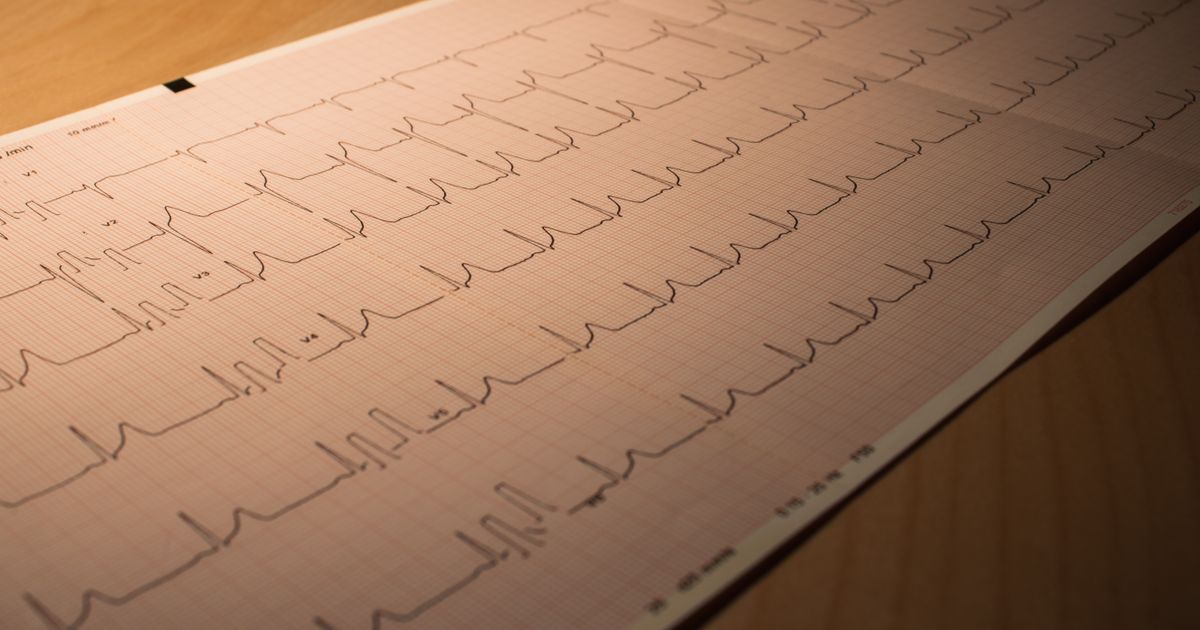
In some people the electrical signals become disorganised or start firing from the wrong place. The heart may then beat too fast, in an uneven pattern, or both. This is called an aritmia. Cardioversion is a treatment that resets the heart's electrical activity so the sinus node can take charge again.
There are two ways of doing it. In electrical cardioversion, a doctor delivers a low-energy shock through pads placed on the chest while you are asleep under sedation. In pharmacological cardioversion, also called chemical cardioversion, the rhythm is corrected with anti-arrhythmic medicines given through a drip or as tablets.

Other names for cardioversion
You may hear doctors and patients use different terms for the same treatment:
- DC cardioversion or DCCV (direct current cardioversion)
- DC shock or electric shock treatment for the heart
- Synchronised cardioversion
- Kardioversi listrik
- Chemical, medical or pharmacological cardioversion, when medicines are used instead of a shock
- Internal cardioversion, when the shock is delivered from inside the body by an implanted device
Why is cardioversion done?
The aim is simple: to get the heart back into a regular rhythm so that it pumps blood properly again. A heart that stays in a fast or irregular rhythm for a long time can tire out, and symptoms tend to get worse.
Your cardiologist may suggest cardioversion if an abnormal rhythm is causing:
- Palpitations, or a fluttering or pounding feeling in the chest
- Breathlessness, especially on exertion or when lying flat
- Tiredness and a drop in stamina
- Pusing utawa entheng
- Dodo ora nyenengake
- Signs that the heart muscle is weakening because of the fast rate
Some people have very few symptoms and the rhythm problem is picked up on a routine ECG. Cardioversion may still be offered, because restoring a normal rhythm early often gives better long-term control.
Which conditions are treated with cardioversion?
Fibrillasi atrium
Fibrillasi atrium (AF) is the most common reason for cardioversion. In AF the upper chambers of the heart quiver instead of contracting, and the pulse becomes irregular. Cardioversion works best when AF has started recently.
Gebug atrium
In kembung atrium, the upper chambers beat very fast but in a regular circuit. It responds very well to electrical cardioversion, often with a lower energy shock than AF needs.
Takikardia supraventrikel
Takikardia supraventrikel (SVT) is a sudden fast heartbeat that starts above the lower chambers. It is usually treated first with simple manoeuvres and medicines. Electrical cardioversion is used when these do not work or when the person is unwell.
Ventricular tachycardia with a pulse
Tachycardia Ventricular is a fast rhythm from the lower chambers. If the person still has a pulse, synchronised cardioversion is one of the main treatments, and it is often done urgently.
Types of cardioversion
Kardioversi listrik
This is the more commonly used and more reliable method. Sticky pads connected to a machine called a defibrillator are placed on the chest, or on the chest and back. Once you are sedated, the machine delivers a shock that is timed precisely to your heartbeat. That timing is why it is called synchronised cardioversion. The shock stops the abnormal electrical activity for an instant, which gives the sinus node the chance to restart a normal rhythm.
Pharmacological (chemical) cardioversion
Here the rhythm is corrected with anti-arrhythmic medicines. The choice of medicine depends on your heart condition. It may be given through a vein in hospital with continuous ECG monitoring, or sometimes as tablets. Chemical cardioversion avoids sedation, but it works more slowly and is less likely to succeed than a shock, particularly when the arrhythmia has been present for more than a few days.
Planned and emergency cardioversion
Most cardioversions are planned in advance and done as day-care procedures. An emergency cardioversion is done straight away if a fast rhythm is causing very low blood pressure, severe chest pain, fainting or heart failure.
Cardioversion and defibrillation: what is the difference?
The two are often confused because both use the same machine. They are not the same treatment.
| Titik bedane | Cardioversion | Defibrilasi |
|---|---|---|
| Nalika digunakake | Fast or irregular rhythms where the person still has a pulse | Cardiac arrest caused by ventricular fibrillation or pulseless ventricular tachycardia |
| Timing of the shock | Synchronised with the heartbeat | Not synchronised |
| Tenogo | Ngisor | Luwih dhuwur |
| setting | Usually planned, under sedation | Always an emergency |
Who may not be suitable for cardioversion?
Cardioversion is safe for most people, but your doctor may postpone it or choose another treatment in some situations:
- A blood clot is seen in the heart, usually in a small pouch of the left upper chamber
- You have had AF for more than 48 hours, or for an unknown length of time, and have not yet taken blood thinners for long enough
- Blood potassium or other salts are too low or too high
- Blood tests suggest that the level of a heart medicine you take is too high
- The arrhythmia has been present for years and the upper chambers are very enlarged, which makes lasting success unlikely
- The fast heartbeat is a normal response to fever, infection, blood loss or an overactive thyroid. In that case the cause is treated first
How to prepare for cardioversion
Blood thinners come first
When the upper chambers are not contracting properly, blood can pool and form clots. If the heart suddenly returns to a normal rhythm, a clot could be pushed out and travel to the brain, causing a stroke. To prevent this, people who have had AF or flutter for more than 48 hours are usually asked to take a blood-thinning medicine (anticoagulant) for at least 3 weeks before a planned cardioversion. Take every dose. Missed doses are a common reason for the procedure being postponed.
Tes sing sampeyan butuhake
- ECG to confirm the rhythm on the day
- Blood tests, including potassium, kidney function and thyroid function. If your blood thinner needs monitoring, your clotting level will be checked
- Ekokardiogram to look at the heart's chambers, valves and pumping strength
- Ekokardiogram Transesofagus (TEE) in selected cases. This scan, done with a thin probe passed down the food pipe, gives a clear view of the left upper chamber. If it shows no clot, cardioversion can sometimes be done without waiting 3 weeks
Ing dina
- Do not eat or drink for 6 to 8 hours beforehand, or as instructed by the hospital
- Take your regular medicines with a sip of water unless you have been told otherwise. Ask specifically about diabetes medicines and heart rhythm medicines
- Avoid creams, oils or powder on the chest and back, as the pads need to stick well
- Bring a list of your medicines and any previous ECGs or reports
- Arrange for someone to take you home. You should not drive for 24 hours after sedation
How is electrical cardioversion performed?
The procedure is done in a monitored area such as a cardiac care unit, day-care unit or electrophysiology lab. A cardiologist, an anaesthetist and a nurse are present throughout.
- Checks and consent. The team confirms your identity, medicines, fasting status and blood thinner use, and records an ECG.
- Ngawasi A drip is placed in a vein in your arm. ECG leads, a blood pressure cuff and an oxygen sensor are attached.
- Pads. Two large adhesive pads are placed on your chest, or one on the chest and one on the back.
- Sedasi. You are given oxygen to breathe and a short-acting sedative or anaesthetic through the drip. You will be asleep within a minute or so and will not feel the shock.
- The shock. The machine is set to synchronised mode and a shock is delivered. It lasts a fraction of a second. If the rhythm does not correct, the doctor may give one or two more shocks at a higher energy.
- Waking up. The sedation wears off within a few minutes. An ECG is repeated to confirm the rhythm.
The procedure itself takes about 10 to 15 minutes. With preparation and recovery time, expect to be in hospital for a few hours.
What happens during chemical cardioversion?
You will be connected to an ECG monitor and the medicine will be given through a drip over a set period, or as a tablet. The team watches your heart rhythm and blood pressure closely, because anti-arrhythmic medicines can occasionally trigger other rhythm problems. The rhythm may correct within minutes or take several hours. If it does not, electrical cardioversion can be done later.
Risks and complications of cardioversion
Serious problems are uncommon, and the team takes specific steps to prevent them.
Common and usually minor
- Redness or soreness of the skin under the pads, similar to mild sunburn. It settles in a few days
- Drowsiness, mild nausea or a headache from the sedation
- A temporary fall in blood pressure
- Muscle ache in the chest wall
Ora umum
- Stroke or other problems caused by a dislodged clot. The risk is low, well under 1 in 100, when blood thinners are taken correctly
- A slow heartbeat or a different abnormal rhythm straight after the shock. This is usually brief and treated on the spot
- Breathing difficulty or an allergic reaction related to sedation
- The procedure not working, or the arrhythmia coming back
How successful is cardioversion?
Electrical cardioversion restores a normal rhythm at the time of the procedure in most people, and in about 9 out of 10 when atrial fibrillation is of recent onset. The harder part is keeping the rhythm normal. Without further treatment, the arrhythmia returns within a year in roughly half of people with AF.
The chance of staying in normal rhythm is better if:
- The arrhythmia has been present for a short time
- The upper chambers of the heart are not very enlarged
- Conditions such as high blood pressure, thyroid disease, sleep apnoea and valve disease are well controlled
- You take an anti-arrhythmic medicine afterwards, if prescribed
- You keep to a healthy weight and limit alcohol
If the rhythm problem returns, cardioversion can be repeated. Your cardiologist may also discuss catheter ablation for atrial fibrillation, which treats the areas of heart tissue that trigger the arrhythmia.
Stroke risk and blood thinners: how doctors decide
People are often surprised to learn that they may need a blood thinner even after the heart is back in normal rhythm. The reason is that atrial fibrillation can come and go without symptoms, and the risk of stroke depends more on your overall health than on the rhythm on any one day.
Cardiologists use a scoring system called CHA₂DS₂-VASc to estimate this risk. Each of the following adds to the score:
- Heart failure or a weak heart muscle
- Tekanan darahe duwur
- Age 65 to 74 (age 75 or above counts double)
- diabetes
- A previous stroke, mini-stroke (TIA) or blood clot (counts double)
- Disease of the blood vessels, such as a previous heart attack or narrowed leg arteries
- Female sex, when other risk factors are also present
A higher score means a higher yearly risk of stroke and a stronger case for long-term blood thinners. A low score may mean you can stop them once the 4 weeks after cardioversion are over. Your doctor will also look at your bleeding risk before deciding. Do not stop or change a blood thinner on your own.
Recovery after cardioversion
The first few hours
You will be monitored until you are fully awake, usually for 1 to 2 hours. Once your rhythm, blood pressure and oxygen levels are stable and you have had something to eat and drink, you can go home.
24 jam pisanan
- Do not drive, operate machinery, drink alcohol or sign important documents
- Have an adult stay with you overnight
- Rest, and eat light meals
- Use a moisturising cream or a cool compress if the skin on your chest feels sore
The following weeks
- Most people return to work and normal activity within a day or two
- Continue your blood thinner for at least 4 weeks, even if you feel well and your rhythm is normal. Many people need to take it for the long term, depending on their stroke risk
- Take anti-arrhythmic or rate-control medicines as prescribed
- Attend your follow-up visit, where an ECG will be repeated
Nalika njaluk pitulung medis
Contact your doctor or go to the nearest emergency department if you notice:
- Sudden weakness or numbness of the face, arm or leg, slurred speech or loss of vision
- Chest pain or severe breathlessness
- Semaput utawa cedhak pingsan
- Palpitations that return and do not settle
- Unusual bleeding or bruising while on blood thinners
Life after cardioversion: keeping your heart in rhythm
Cardioversion resets the rhythm. What you do afterwards has a big effect on how long it lasts.
- Watesan alkohol. Alcohol is one of the most common triggers for atrial fibrillation. Many people do best by avoiding it altogether.
- Reach a healthy weight. Losing excess weight lowers the chance of the arrhythmia returning.
- Get tested for sleep apnoea. Loud snoring, pauses in breathing at night and daytime sleepiness are warning signs. Untreated sleep apnoea makes rhythm problems far more likely to come back.
- Control blood pressure, sugar and thyroid levels. Take your regular medicines and keep your follow-up tests up to date.
- Tetep aktif. Regular moderate exercise such as brisk walking is good for the heart. Ask your doctor before starting very strenuous training.
- Cut down on stimulants. Go easy on caffeine and energy drinks if you notice they bring on palpitations, and stop smoking.
- Check your pulse. Learn to feel your pulse at the wrist or use a home blood pressure monitor or smartwatch that flags an irregular rhythm. Report a persistently fast or irregular pulse.
- Manage stress and sleep. Poor sleep and ongoing stress can both set off episodes.
Benefits of cardioversion
- Quick relief from palpitations, breathlessness and tiredness in many people
- Better pumping action of the heart
- A short procedure with no cuts or stitches
- Same-day discharge in most cases
- Can be repeated if needed
- Helps the doctor judge how much of your symptoms are caused by the rhythm problem
Cardioversion compared with other treatments for rhythm problems
| perawatan | Apa iku | When it is usually chosen |
|---|---|---|
| Cardioversion | Resets the rhythm with a shock or medicines | Recent or symptomatic AF, atrial flutter, or a fast rhythm that needs prompt correction |
| Rate-control medicines | Slow the heart rate without correcting the rhythm | People with few symptoms, or when a normal rhythm is unlikely to last |
| Obat-obatan anti-aritmia | Help keep the rhythm normal over time | Often used together with cardioversion |
| Ablusi kateter | Destroys the small areas of tissue that trigger the arrhythmia | When the arrhythmia keeps returning or medicines are not tolerated |
| Implantable cardioverter defibrillator (ICD) | A device placed under the skin that detects and treats dangerous rhythms automatically | People at risk of life-threatening ventricular arrhythmias |
These options are not either-or choices. Many people need a combination, and the plan may change over time. Your cardiologist will advise based on your symptoms, the type of arrhythmia, how long you have had it and your general heart health.
Cardioversion in special situations
People with a pacemaker or ICD
Cardioversion can be done safely in people who have a pacungan or ICD. The pads are placed away from the device, and the device is checked afterwards.
kandhutan
Electrical cardioversion can be performed during pregnancy when it is needed for the mother's health. It is done with the obstetric team informed and the baby's heartbeat monitored.
Wong diwasa lawas
Age alone is not a barrier. The decision depends on symptoms, other illnesses and how likely the heart is to stay in a normal rhythm.
What is the cost of cardioversion in India?
The cost of cardioversion in India generally ranges from about ₹1,00,000 to ₹4,00,000*. Where your cost falls in this range depends on:
- Whether it is electrical or pharmacological
- Whether it is planned as a day-care procedure or done as an emergency
- The tests needed beforehand, such as an echocardiogram or TEE
- The type of room and the length of stay, if admission is needed
- Kutha lan rumah sakit
- Any other heart condition that needs treatment at the same time
*The cost shown is indicative only. Please check with the hospital for actual prices.
Cardioversion is covered by most health insurance policies when it is medically advised. For an estimate based on your reports, speak to the billing or insurance desk at the Apollo hospital nearest to you.
Why choose Apollo Hospitals for cardioversion?
- Cardiologists and cardiac electrophysiologists who assess and treat heart rhythm disorders every day
- Anaesthetists present for every electrical cardioversion
- Echocardiography and TEE available on site to check for clots before the procedure
- Monitored cardiac units with emergency support at hand
- The full range of rhythm treatments under one roof, including aman, pacemakers, ICDs and penutupan lampiran atrium kiwa
Info liyane babagan cardiac arrhythmia care lan layanan elektrofisiologi ing Rumah Sakit Apollo.
Book an appointment with a cardiologist at Apollo Hospitals to find out whether cardioversion is right for you. You can also find a cardiologist in Delhi, gurugram, Mumbai, Chennai, Hyderabad, Bangalore lan Kolkata.
Wacan sing gegandhengan
- Atrial fibrillation: symptoms, causes, diagnosis and treatment
- Apa sing diarani fibrilasi atrium?
- Arrhythmia: types, symptoms and treatment
- Aritmia jantung
- How to stop heart palpitations: safe techniques to try at home
Questions to ask your doctor before cardioversion
- What type of rhythm problem do I have, and what is causing it?
- Why are you recommending cardioversion over other treatments for me?
- How likely is it to work in my case, and how long is the normal rhythm expected to last?
- How long do I need to take a blood thinner before and after the procedure?
- Do I need a TEE scan beforehand?
- Which of my regular medicines should I take or skip on the day?
- Apa risikone kanggo wong sing duwe kondisi kesehatan kaya aku?
- What happens if the arrhythmia comes back?
- Would catheter ablation be a better long-term option for me?
- When can I drive, exercise, travel and return to work?
FAQs
1. Is cardioversion painful?
No. For electrical cardioversion you are sedated and asleep when the shock is given, so you do not feel it. Afterwards the skin under the pads may feel a little sore for a day or two.
2. How long does cardioversion take?
The shock itself takes less than a second, and the procedure around it takes 10 to 15 minutes. Allow a few hours in hospital for preparation and recovery.
3. Is cardioversion a major procedure?
It is not surgery. There are no cuts, and most people go home the same day. It does need sedation and heart monitoring, so it is always done in hospital.
4. How long does the heart stay in normal rhythm after cardioversion?
This varies from person to person. Some people stay in normal rhythm for years, while in others the arrhythmia returns within days or months. Medicines, treatment of underlying conditions and lifestyle changes improve the chances.
5. Do I need to keep taking blood thinners after a successful cardioversion?
Yes, for at least 4 weeks. The upper chambers can take time to recover their full strength, and clots can still form during this period. Whether you need blood thinners after that depends on your individual stroke risk, which your cardiologist will assess.
6. Can cardioversion be repeated?
Yes. If it worked well the first time and the arrhythmia returns, it can be done again. If the rhythm keeps relapsing quickly, your doctor may suggest a different approach such as catheter ablation.
7. What if cardioversion does not work?
Your doctor may try again after starting an anti-arrhythmic medicine, or recommend rate-control medicines, catheter ablation or another treatment that suits your condition.
8. Can I eat before cardioversion?
For a planned electrical cardioversion you will be asked to fast for 6 to 8 hours because of the sedation. Follow the instructions given by your hospital.
9. When can I drive and return to work after cardioversion?
Do not drive for 24 hours after sedation. Most people are back at work within one or two days.
10. Is cardioversion the same as a shock given during cardiac arrest?
No. The shock given during cardiac arrest is defibrillation. It uses higher energy and is not timed to the heartbeat. Cardioversion is a planned, lower-energy, synchronised shock for people who have a pulse.
11. Can atrial fibrillation be cured by cardioversion?
Cardioversion corrects the rhythm but does not remove the cause of atrial fibrillation. Think of it as a reset. Long-term control usually needs medicines, treatment of related conditions and, for some people, ablation.
12. Which doctor performs cardioversion?
A cardiologist or a cardiac electrophysiologist performs cardioversion, with an anaesthetist giving the sedation.
13. What are the side effects of cardioversion?
The most common side effects are mild and short-lived: redness or soreness of the skin where the pads were placed, drowsiness after sedation and a slight ache in the chest muscles. Serious side effects such as stroke or a new rhythm problem are uncommon.
14. How many times can cardioversion be done?
There is no fixed limit. It can be repeated as long as each attempt gives a worthwhile period of normal rhythm. If the arrhythmia returns quickly every time, repeating it has little value and your doctor will suggest another treatment.
15. Is cardioversion safe for elderly patients?
Yes. Age by itself does not rule out cardioversion, and it is done regularly in people in their seventies and eighties. The doctor will look at general health, other illnesses and how long the arrhythmia has been present.
16. Does the success of cardioversion depend on age?
Age matters less than how long the rhythm problem has been present and how enlarged the upper chambers of the heart are. A younger person with a recent arrhythmia and an otherwise healthy heart has the best chance of staying in normal rhythm.
17. What is DC shock treatment for the heart?
DC shock, DC cardioversion and DCCV are other names for electrical cardioversion. All of them refer to a controlled, synchronised shock given under sedation to correct an abnormal heart rhythm.
18. How is cardioversion different from the shock given by an ICD?
An ICD is a small device implanted under the skin that watches the heart rhythm all the time and delivers a shock from inside the body if a dangerous rhythm occurs. Cardioversion in hospital is a planned, one-time treatment given through pads on the chest.
kesimpulan
Cardioversion is a quick and well-established way of returning the heart to a normal rhythm. For many people with atrial fibrillation or atrial flutter, it brings fast relief from symptoms and helps the heart work better. Good preparation, especially taking blood thinners exactly as prescribed, keeps the procedure safe. Because rhythm problems can return, follow-up with your cardiologist matters just as much as the procedure itself.
This page is for general information and does not replace advice from your doctor. Treatment decisions should be made with a qualified cardiologist who knows your medical history.
Ditambahake


Cardiac Electrophysiologists at Apollo Hospitals



 Kasedhiya ing dina Minggu


wewaler:
Informasi sing diwenehake ing kaca iki mung kanggo tujuan informasi umum lan pendidikan. Sanajan kita ngupayakake supaya informasi kasebut akurat, bisa dipercaya, lan ditinjau kanthi rutin, informasi kasebut ora kena dianggep minangka panggantos kanggo saran medis profesional, diagnosis, utawa perawatan.
Kesesuaian prosedur medis, bebarengan karo keuntungan, risiko, persiapan, pemulihan, komplikasi potensial, lan asil sing diarepake, bisa beda-beda saka wong siji menyang wong liyane. Profesional kesehatan sampeyan bakal nemtokake apa prosedur kasebut cocog adhedhasar kondisi individu lan riwayat medis sampeyan.
Sumangga takon karo profesional kesehatan sing mumpuni kanggo saran pribadi sadurunge nggawe keputusan babagan prosedur medis apa wae.
Kanggo informasi luwih lengkap babagan kepiye konten medis kita digawe, ditinjau, dianyari, lan dijaga, wacanen [Kebijakan Editorial] kita.




