Reclaim Your Health with Liver Transplant

World-Class Expertise, Compassionate Care

32+

YEARS OF
EXPERIENCE

5600+

LIVER
TRANSPLANTS

97%

SUCCESS
RATE

100%

DONOR
SUCCESS RATE

Book an Appointment

Send OTP
ga

Why Apollo Liver Institute ?

The Apollo institutes of Liver Transplant across the group are true Centers of Excellence. We offer 360 degree care in liver disease and transplantation, being equipped with the latest and the best in facilities.

At our Institutes of Liver Disease and Transplantation, everything we do is accompanied by our trade mark ‘Tender Loving Care’. Our pre and post- transplant coordinator, social workers, dieticians and physiotherapists complete the care with a human touch. Our patients and their families are in touch even after their liver disease has been cured successfully and a complex transplant has been successfully performed. The Apollo Institutes of Liver Transplant indeed do provide a multi-disciplinary, highly skilled state of the art service to patients, supported by cutting- edge medical technology and infrastructure.

Apollo Hospitals has successfully conducted 23,000 transplants since the inception of the Apollo Transplant Program. The Apollo Transplant Program stands as one of the world’s most advanced and comprehensive transplant programs, renowned for its cutting-edge services. Since 2012, the program has been performing over 1200 transplants annually. Despite the challenges posed by the peak of the COVID pandemic in 2020, 814 transplants were carried out.

The first successful Pediatric and Adult liver transplants in India were performed at Apollo Hospitals in November 1998. The Apollo Institute of Transplant, run one of the largest transplant programs of its kind at any location. With 90% success rates our program is a beacon of quality and hope for patients from across the world.

Types of Liver Transplant at Apollo Hospitals, Chennai

livertransplant

Living Donor Liver Transplant

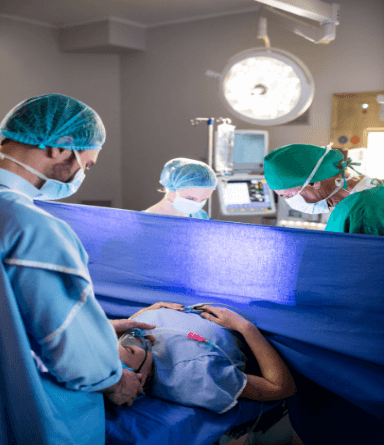
In living donor liver transplant surgery involves surgically removing a portion of a healthy person’s liver and transplanting it into a recipient whose liver is diseased or failing. This procedure is typically performed when a close match, often a family member to donate a segment of their liver.

ga

Deceased Donor Liver Transplant

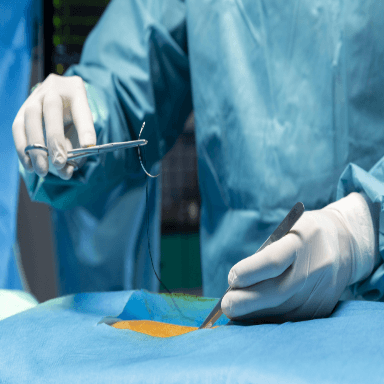
In a deceased donor liver transplant, a healthy liver is obtained from a deceased person, carefully preserved and transplanted into a recipient with liver failure. This life- saving procedure involves meticulous matching to ensure compatibility. Deceased donor transplant play a crucial role in addressing organ shortage, offering hope to patients awaiting liver transplantation.

ga

Pediatric Liver Transplant

Pediatric liver transplantation is a life- saving procedure performed on children with severe liver diseases or failure. This complex surgery involves replacing a damages or diseased liver with a heathy liver from a deceased or living donor.

ga

Liver Transplant For Acute Liver Failure

Liver transplantation for acute liver failure is a critical and timesensitive intervention performed when the liver rapidly loses its function. This condition can result from various causes, including viral infections or drug toxicity. Given the urgency, patients with acute liver failure are prioritized on transplant list. Timely transplantation can be life- saving, providing a chance for recovery and preventing further complications.

ga

Plasmapheresis For Poisoning And Liver Failure

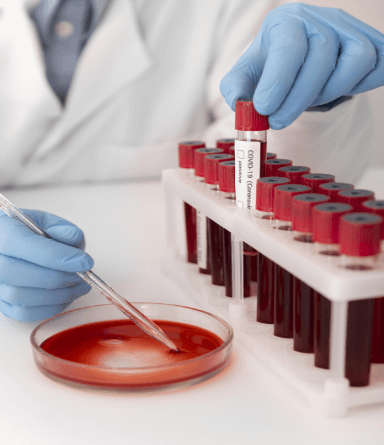
Plasmapheresis is a therapeutic procedure that involves removing, treating, and returning a patient's plasma to address specific medical conditions. In the context of poisoning and liver failure, plasmapheresis can be employed for several purposes.

1. Poisoning: Plasmapheresis is used to rapidly remove toxins or harmful substances circulating in the bloodstream. By extracting and replacing the patient's plasma, this process helps eliminate the toxic agents more quickly than the body would naturally.

2. Liver Failure: In certain cases of acute liver failure, plasmapheresis may be utilized to manage complications. It can help remove substances that accumulate due to impaired liver function, providing temporary relief and allowing time for the liver to regenerate or for a liver transplant to be considered.

Holistic Treatment Of Fatty Liver

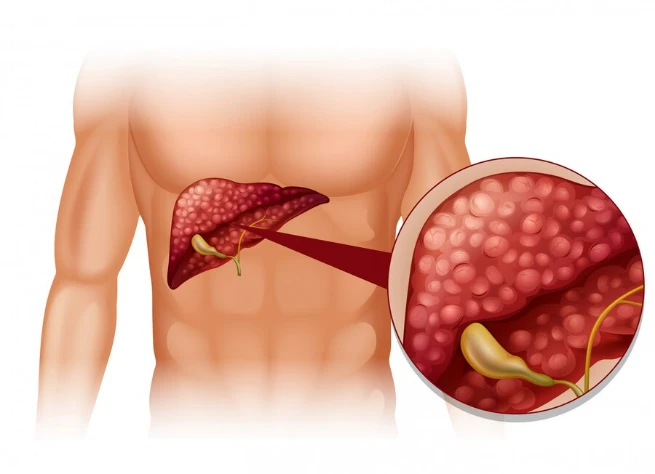
The holistic treatment of fatty liver involves comprehensive lifestyle changes to address the condition. This includes adopting a balanced diet low in saturated fats and refined sugars, incorporating regular exercise to promote weight loss, and managing underlying health issues like diabetes and cholesterol levels. Additionally, reducing alcohol intake and avoiding unnecessary medications are key components. Holistic approaches may also include stress management techniques and dietary supplements known to support liver health.

LAPARSCOPIC AND ROBOTIC LIVER, BILAIRY AND PANCREATIC SURGERIES:

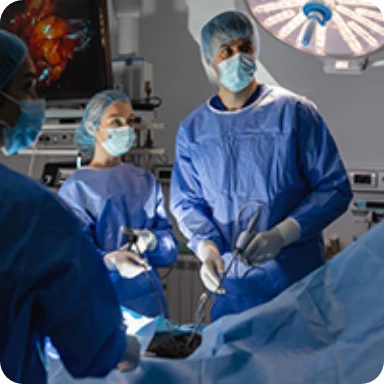
Laparoscopic surgeries- for liver, biliary, and pancreatic conditions involve using minimally invasive techniques with small incisions and specialized instruments. This approach offers benefits such as reduced postoperative pain, shorter hospital stays, and quicker recovery. For liver resections, gallbladder removal (cholecystectomy) and certain pancreatic procedures, laparoscopy is increasingly preferred when feasible.

Robotic-assisted surgeries- utilize a robotic system controlled by the surgeon, offering enhanced precision and maneuverability. In liver, biliary, and pancreatic surgeries, robotics can be advantageous for complex procedures, allowing for intricate movements in confined spaces.

Both laparoscopic and robotic approaches represent advancements in minimally invasive surgery for

ga

Know Your Doctors

Doctor videos
Patient Testimonials

Our Location