icon
icon
Neurological Cancer

Neurological Cancer

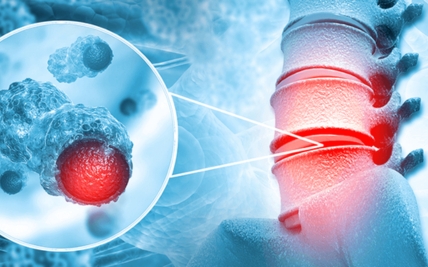
Neurological cancers are malignant tumours that develop in the brain, spinal cord, or other parts of the central nervous system. Cancer from another organ can also spread to the brain or spine, forming a secondary or metastatic tumour.

Not every brain or spinal tumour is cancerous. Some are non-cancerous or slow-growing, but they may still require treatment if they press on areas responsible for movement, speech, vision, memory, hormones, breathing, or other important functions. The seriousness of a tumour therefore depends not only on whether it is cancerous but also on its type, location, grade, and effect on nearby structures.

Treatment requires close coordination between neurosurgeons, neuro-oncologists, radiation oncologists, neuroradiologists, neuropathologists, medical oncologists, and rehabilitation specialists. The aim is to control the tumour while preserving neurological function and quality of life wherever possible.

Types of Neurological Cancer

Brain and spinal tumours are classified according to the cells in which they begin, their location, molecular features, and expected behaviour.

Gliomas
Gliomas

Gliomas arise from glial cells, which support and protect nerve cells within the brain and spinal cord. Their behaviour ranges from relatively slow-growing to highly aggressive. Modern classification combines microscopic appearance with molecular features. Important groups include astrocytomas, oligodendrogliomas, glioblastomas, and ependymomas.

Astrocytoma
Astrocytoma

Astrocytomas develop from cells related to astrocytes. They may occur in the brain or spinal cord and can affect both children and adults. Some are slow-growing, while others are infiltrative and more aggressive. Molecular changes, including IDH status in adult-type diffuse gliomas, are central to classification and treatment planning.

Glioblastoma
Glioblastoma

Glioblastoma is an aggressive, fast-growing primary brain tumour. It usually infiltrates surrounding brain tissue, which means complete microscopic removal is generally not possible through surgery alone. Treatment commonly combines maximal safe surgery, radiation therapy, and chemotherapy. Additional treatment depends on the tumour’s molecular features, response, and whether it returns.

Oligodendroglioma
Oligodendroglioma

Oligodendroglioma is a diffuse glioma defined by an IDH mutation and the combined loss of chromosome arms 1p and 19q. These tumours often grow more slowly than glioblastoma but can still infiltrate surrounding brain tissue and recur. Treatment depends on grade, symptoms, tumour location, and the amount that can be safely removed.

Ependymoma
Ependymoma

Ependymomas develop from cells lining the fluid-filled spaces of the brain or the central canal of the spinal cord. They can occur at different ages and in different parts of the central nervous system. Treatment commonly involves surgery, with radiation recommended in selected cases according to tumour location, grade, molecular type, and completeness of removal.

Meningioma
Meningioma

Meningiomas arise from the membranes covering the brain and spinal cord. Most are non-cancerous and slow-growing, although some are atypical or malignant. Small, asymptomatic meningiomas may be monitored. Surgery or radiation may be required if the tumour grows, causes symptoms, or is located near critical structures.

Medulloblastoma
Medulloblastoma

Medulloblastoma is a high-grade tumour that usually develops in the cerebellum at the back of the brain. It is more common in children but can also occur in adults. It may spread through the cerebrospinal fluid to other parts of the brain or spinal cord. Treatment generally involves surgery followed by risk-adapted craniospinal radiation and chemotherapy.

Schwannoma
Schwannoma

Schwannomas develop from Schwann cells, which form the covering around certain nerves. Most are non-cancerous. Vestibular schwannomas affect the nerve responsible for hearing and balance. Treatment may involve observation, surgery, or focused radiation depending on the tumour’s size, growth, symptoms, hearing, and individual priorities.

Pituitary Tumour
Pituitary Tumour

Pituitary tumours arise in the gland at the base of the brain that regulates hormones. Most are non-cancerous, but they can cause problems by producing excess hormones or pressing on the optic nerves and surrounding structures. Treatment may include medicines, endoscopic surgery through the nose, radiation, or a combination, depending on the hormone produced and the tumour’s size and behaviour.

Craniopharyngioma
Craniopharyngioma

Craniopharyngiomas develop near the pituitary gland and optic pathways. They are generally non-cancerous but can affect vision, hormone production, growth, memory, and other brain functions. Treatment may involve surgery, cyst drainage, radiation, or combined approaches planned to reduce damage to nearby critical structures.

Primary Central Nervous System Lymphoma

Primary central nervous system lymphoma is a lymphoma arising in the brain, spinal cord, eyes, or cerebrospinal fluid. It behaves differently from most other brain tumours. Treatment commonly involves high-dose systemic medicines that can enter the central nervous system. Surgery is generally used to obtain a diagnosis rather than remove the entire tumour.

Spinal Cord and Spinal Tumours

Tumours may develop within the spinal cord, its coverings, spinal nerves, or the bones surrounding it. They may be primary tumours or metastases from cancer elsewhere. Symptoms can include persistent back pain, weakness, numbness, walking difficulty, or loss of bladder or bowel control. Treatment depends on the tumour type, stability of the spine, and degree of pressure on the spinal cord or nerves.

Metastatic Brain and Spinal Tumours

Metastatic tumours spread to the brain or spine from cancer elsewhere in the body. Common primary sites include the lung, breast, kidney, skin melanoma, and gastrointestinal tract. Treatment is planned according to the original cancer, number and location of metastases, neurological symptoms, molecular features, and the extent of cancer elsewhere.

Skull-Base Tumours
Skull-Base Tumours

Skull-base tumours arise in or extend into the bones and tissues beneath the brain. They include chordomas, chondrosarcomas, meningiomas, nerve-sheath tumours, and cancers spreading from the sinuses or other nearby structures. Their location near major nerves and blood vessels often requires coordinated skull-base surgery and specialised radiation planning.

Risk Factors for Neurological Cancer

The cause of most primary brain and spinal tumours is unknown. There are few clearly established modifiable risk factors.

Modifiable Risk Factors

No lifestyle change has been proven to prevent most primary central nervous system tumours. Avoiding unnecessary exposure to ionising radiation and following appropriate workplace safety measures may reduce general health risks, but most brain and spinal tumours cannot be linked to a preventable exposure.

Tobacco, mobile-phone use, and everyday electromagnetic-field exposure have not been established as causes of primary brain cancer.

Non-Modifiable Risk Factors

  • Previous therapeutic radiation to the head, particularly during childhood

  • Inherited conditions such as neurofibromatosis type 1 or 2

  • Li–Fraumeni syndrome

  • Tuberous sclerosis

  • Von Hippel–Lindau syndrome

  • Lynch syndrome and other selected inherited conditions

  • A weakened immune system, which increases the risk of primary CNS lymphoma

  • Increasing age for several adult brain tumours

  • Childhood or adolescence for certain embryonal and paediatric tumours

  • Sex-related differences in the frequency of selected tumour types

  • A personal history of cancer elsewhere in the body, which increases the risk of brain or spinal metastases

Most people diagnosed with a brain or spinal tumour do not have an inherited syndrome or recognised exposure.

Neurological Cancer Neurological Cancer
Neurological Cancer
Signs and Symptoms

Symptoms depend on the tumour’s location, growth rate, surrounding swelling, and effect on the brain, spinal cord, nerves, or cerebrospinal fluid.

Possible signs and symptoms include:

New or progressively worsening headaches
Headaches accompanied by vomiting, confusion, or neurological changes
A first seizure or a change in an established seizure pattern
Weakness or numbness affecting one side of the body
Difficulty walking, poor coordination, or loss of balance
Changes in speech or understanding language
Problems with memory, concentration, judgement, or thinking
Changes in personality, behaviour, or mood
Blurred vision, double vision, or loss of part of the visual field
Hearing loss, ringing in the ear, or persistent dizziness
Difficulty swallowing
Facial weakness or numbness
Persistent nausea or vomiting without another explanation
Increasing drowsiness or reduced alertness
Hormonal changes, altered growth, menstrual changes, or excessive thirst
Persistent neck or back pain
Pain radiating into an arm or leg
Progressive limb weakness or numbness
Loss of bladder or bowel control
Reduced sensation around the buttocks or genital area
Unexplained decline in school performance or developmental progress in a child
Increasing head size, persistent irritability, or repeated vomiting in an infant

These symptoms can also result from migraine, epilepsy, stroke, infection, spinal disease, hormonal disorders, or other conditions. A first seizure, sudden neurological deficit, rapidly worsening confusion, or symptoms of spinal-cord compression require urgent medical assessment.

How Neurological Cancer Is Diagnosed

Diagnosis begins with a review of symptoms, previous cancers and treatments, medical and family history, and current medicines. A neurological examination assesses strength, sensation, reflexes, coordination, balance, vision, hearing, speech, memory, and other cognitive functions. Imaging identifies the tumour and its relationship to critical structures, while biopsy and laboratory testing establish its type, grade, and molecular features.

01
MRI

MRI uses magnetic fields and radio waves to produce detailed images of the brain and spinal cord. Contrast material may be administered to show the tumour and its blood supply more clearly. MRI is the main imaging test for most brain and spinal tumours. It can also show swelling, bleeding, fluid obstruction, nerve compression, and changes after treatment.

MRI MRI
02
Functional MRI

Functional MRI identifies areas of the brain involved in movement, language, and other functions. It may be used before surgery when a tumour lies close to an important functional region. The information helps the surgical team plan an approach that reduces the risk of neurological injury.

Functional MRI Functional MRI
03
Diffusion Tensor Imaging and Tractography

Diffusion tensor imaging maps major white-matter pathways carrying signals through the brain. Tractography creates visual representations of these pathways. These techniques may help plan surgery around pathways involved in movement, language, vision, or other functions.

Diffusion Tensor Imaging and Tractography Diffusion Tensor Imaging and Tractography
04
Perfusion MRI

Perfusion MRI assesses blood flow within and around a tumour. It may help distinguish active tumour from treatment-related change and provide information about tumour behaviour.

Perfusion MRI Perfusion MRI
05
MR Spectroscopy

MR spectroscopy measures selected chemicals within tissue. It may support tumour characterisation or assessment of treatment-related changes but does not replace biopsy when tissue diagnosis is required.

MR Spectroscopy MR Spectroscopy
06
CT Scan

A CT scan uses X-rays to produce rapid images of the brain, skull, spine, and surrounding structures. It is particularly useful in emergencies and for detecting bleeding, calcification, bone involvement, or hydrocephalus. MRI usually provides greater soft-tissue detail for treatment planning.

CT Scan CT Scan
07
PET Imaging

PET imaging evaluates metabolic or molecular activity. Selected amino-acid or other PET tracers may help assess tumour activity, guide biopsy, plan radiation, or distinguish recurrence from treatment-related change. Standard FDG PET has limitations in the brain because normal brain tissue naturally uses large amounts of glucose.

PET Imaging PET Imaging
08
Cerebral Angiography

Cerebral angiography examines blood vessels supplying the brain or tumour. It may be used for selected highly vascular tumours or skull-base lesions. In some cases, embolisation may be performed before surgery to reduce the tumour’s blood supply.

Cerebral Angiography Cerebral Angiography
09
Spinal Imaging

Contrast-enhanced MRI of the spine evaluates spinal-cord, nerve, meningeal, and vertebral tumours. Whole-spine imaging may be required for tumours that can spread through cerebrospinal fluid.

Spinal Imaging Spinal Imaging
01
Stereotactic Needle Biopsy

Stereotactic biopsy uses three-dimensional image guidance to direct a needle into the tumour through a small opening in the skull. Several tissue samples are collected from carefully selected areas. It may be used for deep, diffuse, or surgically inaccessible tumours and when treatment depends on obtaining a molecular diagnosis.

Stereotactic Needle Biopsy Stereotactic Needle Biopsy
02
Open Surgical Biopsy

An open biopsy is performed through a craniotomy or spinal operation. It may be used when a larger tissue sample is required or when biopsy and tumour removal can be performed during the same procedure.

Open Surgical Biopsy Open Surgical Biopsy
03
Endoscopic Biopsy

An endoscope may be passed through a small opening in the skull or through the nose to reach selected ventricular, pituitary, or skull-base tumours. The same procedure may sometimes be used to treat fluid obstruction or remove part of the tumour.

Endoscopic Biopsy Endoscopic Biopsy
04
Spinal Tumour Biopsy

A spinal tumour may be sampled through image-guided needle biopsy or during surgery. The approach depends on whether the tumour involves the spinal cord, nerve coverings, vertebrae, or surrounding tissues.

Spinal Tumour Biopsy Spinal Tumour Biopsy
05
Cerebrospinal Fluid Sampling

A lumbar puncture may collect cerebrospinal fluid to look for cancer cells, proteins, or tumour markers. It is used in selected lymphomas, germ-cell tumours, medulloblastomas, and cancers involving the brain or spinal coverings. Lumbar puncture may be unsafe when pressure inside the skull is raised and is performed only after appropriate assessment.

Cerebrospinal Fluid Sampling Cerebrospinal Fluid Sampling
01
Histopathology

A neuropathologist examines tumour tissue under a microscope to identify the cell type, growth pattern, mitotic activity, and other features. The microscopic findings are combined with molecular results because tumours that appear similar can behave differently.

Histopathology Histopathology
02
Immunohistochemistry

Immunohistochemistry uses specialised stains to identify proteins within tumour cells. It helps classify gliomas, meningiomas, lymphomas, metastases, and other central nervous system tumours.

Immunohistochemistry Immunohistochemistry
03
Molecular Testing

Molecular testing identifies genetic or epigenetic changes that define the tumour and may influence prognosis or treatment. Depending on the diagnosis, testing may include:

  • IDH1 and IDH2

  • 1p/19q codeletion

  • ATRX and TP53

  • MGMT promoter methylation

  • H3 K27 or H3 G34 alterations

  • BRAF alterations

  • TERT promoter changes

  • EGFR amplification

  • Other tumour-specific markers

Not every tumour requires every test. Testing is selected according to its location, appearance, and suspected type.

Molecular Testing Molecular Testing
04
Cerebrospinal Fluid Cytology

Cerebrospinal fluid is examined for abnormal cells when lymphoma, leukaemia, medulloblastoma, germ-cell tumour, or leptomeningeal spread is suspected. A negative sample does not always exclude disease, and repeat testing may sometimes be required.

Cerebrospinal Fluid Cytology Cerebrospinal Fluid Cytology
05
Inherited Genetic Testing

Genetic testing may be recommended when the tumour type, age at diagnosis, family history, or presence of multiple tumours suggests an inherited condition. Genetic counselling helps explain the results and whether relatives may also require testing or surveillance.

Inherited Genetic Testing Inherited Genetic Testing
Grading of Neurological Cancer

Most primary brain and spinal tumours are graded rather than staged from I to IV. The grade reflects the tumour’s biological features and expected behaviour. Modern classification also uses molecular findings, and the meaning of each grade varies between tumour types.

  • Grade 1: Grade 1 tumours are generally slow-growing and have relatively well-defined boundaries. Some can be treated effectively with surgery alone if complete removal is safe.

  • Grade 2: Grade 2 tumours are usually slower-growing than high-grade tumours but may infiltrate nearby tissue. They can recur and, in some tumour types, may progress to a higher grade.

  • Grade 3: Grade 3 tumours show more aggressive biological features and tend to grow more rapidly.

  • Grade 4: Grade 4 tumours are high-grade and biologically aggressive. They may grow rapidly, infiltrate surrounding tissue, and require intensive combined treatment.

How Neurological Cancer Is Treated
Maximal Safe Resection

Maximal safe resection removes as much of the tumour as possible without causing unacceptable neurological injury. It may provide tissue for diagnosis, reduce pressure, relieve symptoms, and improve the effect of other treatments. Complete removal is not always possible when a tumour infiltrates normal brain or lies near areas responsible for language, movement, vision, or other critical functions.

Maximal Safe Resection
Image-Guided Neurosurgery

Neuronavigation combines preoperative imaging with real-time surgical tracking. It helps the surgeon locate the tumour and plan a precise route through the brain or spine. The system improves anatomical orientation but does not replace surgical judgement or functional monitoring.

Image-Guided Neurosurgery
Awake Craniotomy

During an awake craniotomy, the patient is kept awake for selected parts of the operation so that language, movement, or other functions can be tested. It may be used when a tumour lies close to important functional areas and the patient is medically and psychologically suitable.

Awake Craniotomy
Intraoperative Mapping and Monitoring

Electrical stimulation and neurophysiological monitoring assess brain, spinal-cord, and nerve function during surgery. These techniques help identify functional tissue and provide warning of changes that could lead to injury.

Intraoperative Mapping and Monitoring
Stereotactic Brain Surgery

Stereotactic techniques use three-dimensional image guidance to reach a precisely defined target. They may be used for biopsy, drainage, electrode placement, or selected tumour procedures.

Stereotactic Brain Surgery
Neuroendoscopy

Neuroendoscopy uses a small camera and instruments passed through a limited opening. It may be used for selected ventricular, pituitary, skull-base, or cystic tumours. Endoscopy can also create a pathway for cerebrospinal fluid when a tumour causes hydrocephalus.

Neuroendoscopy
Endoscopic Endonasal Surgery

Endoscopic endonasal surgery reaches selected pituitary and skull-base tumours through the nose. It avoids a traditional open cranial incision. Suitability depends on the tumour’s location, extent, relationship to blood vessels and nerves, and the ability to reconstruct the skull base safely.

Endoscopic Endonasal Surgery
Skull-Base Surgery

Complex skull-base surgery may combine endoscopic and open microsurgical approaches. Neurosurgeons may work with head and neck, vascular, ophthalmic, or reconstructive specialists. The approach is selected according to the tumour’s origin and involvement of major nerves and blood vessels.

Skull-Base Surgery
Spinal Tumour Surgery

Spinal surgery may remove or reduce a tumour, relieve pressure on the spinal cord, and obtain tissue for diagnosis. Neuronavigation and neurophysiological monitoring may be used. Spinal stabilisation may be required if tumour removal or bone involvement makes the spine unstable.

Spinal Tumour Surgery
Cerebrospinal Fluid Diversion

A tumour can block normal cerebrospinal fluid circulation and cause hydrocephalus. A temporary drain, shunt, or endoscopic third ventriculostomy may be used to relieve pressure.

Cerebrospinal Fluid Diversion
Laser Interstitial Thermal Therapy

Laser interstitial thermal therapy uses a thin laser probe placed into the tumour under image guidance. Heat is used to destroy selected tumour tissue. It may be considered for carefully selected deep, recurrent, or difficult-to-access lesions and is not suitable for every brain tumour.

Laser Interstitial Thermal Therapy
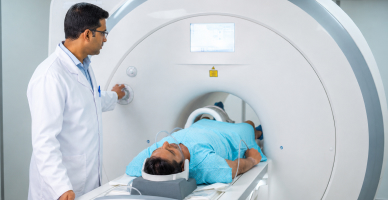
External Beam Radiation Therapy

External beam radiation may be used after surgery, as the main treatment when surgery is not possible, or to control recurrent or metastatic disease. The treatment area and dose depend on the tumour type, grade, location, age, and proximity to critical structures.
External Beam Radiation Therapy
3D Conformal Radiation Therapy

Three-dimensional conformal radiation shapes the treatment beams around the tumour using planning scans. It may be used when the target can be treated safely with a conformal approach.

3D Conformal Radiation Therapy
IMRT and VMAT

Intensity-modulated radiation therapy and volumetric-modulated arc therapy adjust the radiation dose across multiple beam angles. These techniques can help reduce exposure to the optic nerves, brainstem, spinal cord, cochlea, pituitary gland, and other nearby structures.

IMRT and VMAT
Proton Therapy

Proton therapy uses proton beams that release most of their radiation within the planned treatment area, with little radiation continuing beyond it. This can reduce the total radiation dose received by some surrounding tissues.

It may be considered for selected paediatric brain tumours, medulloblastoma requiring craniospinal irradiation, ependymoma, low-grade glioma, skull-base chordoma or chondrosarcoma, spinal tumours, and selected recurrent cancers. Its potential value is greatest when reducing radiation exposure to developing brain tissue, the heart, lungs, bowel, endocrine organs, or other distant structures is clinically important.

Proton therapy cannot guarantee preservation of neurological, cognitive, hormonal, visual, or hearing function when the tumour involves or lies close to the structures responsible. Suitability is determined through individual assessment and comparison with established photon-radiation techniques.

Proton Therapy
Image-Guided Radiation Therapy

Image guidance confirms positioning before or during treatment. This is important when small differences in position could affect the tumour or a nearby critical structure.

Image-Guided Radiation Therapy
Stereotactic Radiosurgery

Stereotactic radiosurgery delivers a highly focused radiation dose to a small target, usually in one session. Despite its name, it does not involve an incision. It may be used for selected brain metastases, vestibular schwannomas, meningiomas, pituitary tumours, arteriovenous malformations, and other suitable lesions.

Stereotactic Radiosurgery
Stereotactic Radiotherapy

Stereotactic radiotherapy delivers focused radiation over several sessions. Dividing the dose may be appropriate when a lesion is larger or close to a sensitive structure.

Stereotactic Radiotherapy
Craniospinal Irradiation

Craniospinal irradiation treats the brain and the length of the spinal fluid pathway. It is used for tumours such as medulloblastoma that can spread through cerebrospinal fluid. The dose and treatment fields are adapted according to age, tumour type, molecular risk, and disease spread.

Craniospinal Irradiation
Chemotherapy

Chemotherapy may be used for selected gliomas, medulloblastomas, ependymomas, lymphomas, germ-cell tumours, and paediatric brain cancers. Its effectiveness depends partly on the tumour type and the ability of the medicine to reach the central nervous system.

Chemotherapy
Targeted Therapy

Targeted medicines act on particular proteins or molecular changes within tumour cells. They may be used for selected tumours with BRAF, NTRK, or other actionable changes. A molecular alteration does not automatically mean that a targeted medicine will be appropriate. The tumour type, evidence, stage, and previous treatment must also be considered.

Targeted Therapy
Immunotherapy

Immunotherapy has an established role in treating selected brain metastases from cancers such as melanoma or lung cancer. Its role in most primary brain tumours remains limited and continues to be studied.

Immunotherapy
Hormone Therapy

Medicines are the first treatment for many hormone-producing pituitary tumours, particularly prolactinomas. Other pituitary tumours may require surgery, radiation, hormone replacement, or combined treatment.

Hormone Therapy
High-Dose Chemotherapy and Autologous Stem-Cell Support

High-dose chemotherapy followed by return of the patient’s stored stem cells may be used in selected primary CNS lymphomas, recurrent germ-cell tumours, or paediatric brain tumours. This is a specialised treatment and is not routinely used for most neurological cancers.

High-Dose Chemotherapy and Autologous Stem-Cell Support
Precision Oncology

Integrated pathology and molecular testing can refine the diagnosis, estimate prognosis, and identify treatment options or suitable clinical trials. Precision oncology does not replace established treatments such as surgery, radiation, and tumour-specific chemotherapy.

Precision Oncology
Cranioplasty

Cranioplasty repairs an opening or defect in the skull using the patient’s own bone or a customised implant. It may be performed during tumour surgery or after swelling or infection has resolved. The procedure protects the brain and restores the contour of the skull.

Cranioplasty
Dural Reconstruction

The dura is the protective membrane surrounding the brain and spinal cord. If it is opened or removed during surgery, a graft may be used to create a watertight closure. This helps protect the nervous system and reduce the risk of cerebrospinal fluid leakage.

Dural Reconstruction
Skull-Base Reconstruction

After endoscopic or open skull-base surgery, tissue from within the nose, nearby areas, or another part of the body may be used to separate the brain from the nasal passages or sinuses. The reconstruction provides a barrier against cerebrospinal fluid leakage and infection.

Skull-Base Reconstruction
Scalp and Soft-Tissue Reconstruction

Large or previously treated surgical areas may require skin grafts, local flaps, or free-tissue transfer to cover the skull, implants, or deeper structures.

Scalp and Soft-Tissue Reconstruction
Spinal Stabilisation

Tumours involving the vertebrae or surgery that removes supporting bone can make the spine unstable. Screws, rods, cages, bone grafts, or other implants may be used to restore alignment and protect the spinal cord.

Spinal Stabilisation

Prognosis for Neurological Cancer

The outlook varies widely between brain and spinal tumours. Some can be controlled or treated successfully, while others are infiltrative, recurrent, or biologically aggressive.

Factors influencing prognosis include:

  • Tumour type and molecular subtype

  • Grade

  • Tumour location and size

  • Spread through the brain, spine, or cerebrospinal fluid

  • Whether the tumour is primary or metastatic

  • Extent of safe surgical removal

  • Age and overall health

  • Neurological function at diagnosis

  • Molecular features such as IDH status or MGMT promoter methylation

  • Response to radiation or systemic treatment

  • Whether the tumour has returned

  • Ability to complete treatment and follow-up

Some meningiomas, schwannomas, pituitary tumours, low-grade gliomas, and paediatric tumours can have favourable long-term outcomes. Glioblastoma and certain other high-grade tumours are more difficult to control.

Prognosis should be discussed according to the integrated diagnosis rather than using one survival figure for all neurological cancers.

Neurological Cancer
Neurological Cancer Treatment

Why Choose ACC for Neurological Cancer Treatment

  • Multidisciplinary neuro-oncology teams

  • Specialist care for primary, metastatic, adult, paediatric, brain, spinal, and skull-base tumours

  • Advanced MRI, functional imaging, tractography, and molecular pathology

  • Maximal safe resection supported by neuronavigation, functional mapping, and neurophysiological monitoring

  • Awake craniotomy and minimally invasive neuroendoscopic approaches for selected tumours

  • Complex skull-base and spinal tumour surgery

  • Stereotactic radiosurgery and fractionated stereotactic radiotherapy

  • Advanced radiation techniques, including IMRT, IGRT, craniospinal irradiation, and proton therapy for selected patients

  • Tumour-specific chemotherapy, targeted therapy, and precision-oncology services

  • Specialist paediatric neuro-oncology and anaesthesia support

  • Cranioplasty, skull-base, scalp, dural, and spinal reconstruction

  • Integrated neurological, cognitive, speech, swallowing, and physical rehabilitation

  • Multidisciplinary tumour-board review focused on tumour control and preservation of neurological function

Health Blogs

Understanding Breast Cancer: Early Detection, Risk Factors, and Prevention
Breast cancer is one of the most common cancers affecting women worldwide. While the diagnosis can...
Parotid Tumors: Scarless Mini – Incision Parotidectomy
The parotid gland is one of the major salivary glands (a gland that produces saliva) located behind the jaw (below the ear lobule). The facial nerve (a nerve that supplies the face) traverses between the superficial and deep parts of the parotid gland. Therefore, the conditions that affect the parotid gland can cause weakness of the facial nerve due to the proximity of the nerve to this gland. Read More
Cervical Cancer
Cervical Cancer: Risk Factors and Prevention Care
Cervical cancer affects the cervix, the lower part of the womb. It is the second most common cancer in India in women, accounting for 22.86% of all cancer cases in women and 12% of all cancer cases in men and women.
Lung Cancer
Lung Cancer
Lung cancer is among the most common and life-threatening cancers worldwide. While the diagnosis may sound frightening, learning about the condition, spotting warning signs early, and exploring treatment options can make a powerful difference.
PID Article
PID Article
This is the bitter truth about Primary Immunodeficiency Disorders (PIDs), a group of over 120 hereditary diseases that weaken the body’s immune system to resist infection. Thousands of children die every year from avoidable complications through early diagnosis. Children are at maximum risk, and over a million people in India could be undiagnosed PIDs.
How Robotics is Revolutionizing Treatment Approaches
How Robotics is Revolutionizing Treatment Approaches May 23, 2025
Have you or a loved one been dealing with back pain or a spine condition? If so, you understand how much it can impact your daily life — from work to sleep to just bending down to pick something up. The good news? Due to advances in medicine, there’s now a less invasive, quicker, and more accurate way to treat spine issues: robotic-assisted spine surgery.
Esophageal Cancer
Esophageal Cancer
While further discussion on cancer care in the country is welcome, there is a lot of focus on the more common types like lung and stomach cancer. But an esophagus cancer, which is of considerable concern, has flown under the radar. This type is most common in the north-eastern part of India, where the incidence rates are the highest in the country formerly known.
Colorectal Cancer
Colorectal Cancer: Know the Signs Before It’s Too Late
Colorectal cancer develops in the colon or rectum, part of the digestive system. It typically starts as benign polyps, which can turn cancerous over time. Early detection makes it highly treatable, but if ignored, the cancer can spread to other organs, making treatment more difficult.
Women’s Health Matters
Women’s Health Matters: Prioritising Breast Cancer Awareness
Breast cancer continues to be one of the most prevalent malignancies affecting women worldwide. Beyond its physical impact, the disease brings profound emotional and psychological challenges. However, early detection remains a crucial factor in improving survival rates. As we mark International Women’s Day 2025 with the theme “Accelerate Action,” it is imperative to focus on proactive measures that empower women to prioritize their health, particularly in the fight against breast cancer.
Everything You Need to Know About Kidney Cancer
While the diagnosis of cancer can be daunting, early detection and appropriate treatment can significantly improve outcomes. In this blog, we will address some of the most commonly asked questions about kidney cancer, including its causes, symptoms, diagnosis, and treatment options.
Diet and Colon Health
Diet and Colon Health: Foods That Reduce Your Cancer Risk
for health experts. Among them, colorectal cancer—affecting the colon or rectum—has emerged as one of the most common types, particularly in developed nations. But while factors like genetics and lifestyle habits play a role in the development of cancer, research has shown that a balanced and nutritious diet can significantly reduce the risk of colorectal cancer. In this article, we explore how the right foods can support colon health and lower the risk of cancer.
Why Cancer Must Be a Notifiable Disease
Cancer is one of the leading causes of death worldwide, yet in India, we lack comprehensive data to understand its true impact. With over 14 lakh new cases reported annually, experts estimate that the actual number is much higher. This gap in data is a significant barrier to effective prevention, treatment, and policy planning. The solution? Making cancer a notifiable disease.
The Role of Immunotherapy in Women’s Cancers
Immunotherapy has revolutionized cancer treatment by harnessing the body’s immune system to combat malignancies. In women’s cancers such as breast, ovarian, endometrial, and cervical cancers, immunotherapy has emerged as a promising approach, offering new avenues for treatment and hope for improved outcomes.
Importance of Regular Screening: Pap Smear and HPV Testing
Cervical cancer remains a significant health concern worldwide, ranking as the fourth most common cancer among women. In 2022, approximately 660,000 new cases and 350,000 deaths were reported globally. Regular screening through Pap smears and HPV testing plays a crucial role in early detection and prevention, significantly reducing the incidence and mortality associated with this disease.
CyberKnife Radiotherapy for Brain Tumors
Brain tumors, whether benign or malignant, pose unique challenges due to their location and the critical functions of surrounding tissues. Traditional treatment options like surgery and conventional radiation therapy often come with significant risks and lengthy recovery periods. Enter CyberKnife® radiotherapy—a ground-breaking, non-invasive technology that redefines the way brain tumors are treated.
HIPEC
Understanding HIPEC A Comprehensive Overview
Hyperthermic Intraperitoneal Chemotherapy (HIPEC) is an advanced treatment modality designed to manage cancers within the abdominal cavity. By combining surgical tumor removal (Cytoreductive Surgery) with heated chemotherapy, HIPEC offers a targeted approach to eradicate microscopic residual cancer cells, enhancing patient outcomes.
Understanding Theranostics Merging Diagnosis and Treatment in Oncology
Theranostics, a fusion of “therapy” and “diagnostics,” represents a ground-breaking approach in oncology that integrates diagnostic imaging with targeted therapeutic interventions. This dual strategy enables personalized treatment plans, enhancing the precision and effectiveness of cancer care.
Radiation Therapy in Pancreatic Cancer
Radiation Therapy in Pancreatic Cancer: How It Works and When It’s Used
Radiation therapy plays a significant role in managing pancreatic cancer, especially in cases where surgery isn’t possible or the cancer has reached an advanced stage. By using high-energy rays, this treatment targets and destroys cancer cells, often working alongside other therapies like chemotherapy. Here’s a look at how radiation therapy functions, the types available, and when it’s most useful for pancreatic cancer patients.
Pancreatic Cancer
Understanding the Stages of Pancreatic Cancer and Why They Matter
Staging this cancer is essential for understanding its severity and planning effective treatment. This article explains how pancreatic cancer is staged, what each stage means, and why staging is crucial for patients, caregivers, and healthcare providers.
Bone Marrow Transplantation
Bone Marrow Transplant (BMT) - Types, Indications, Procedure, Cost in India, Risks, Recovery and Benefits
Bone marrow transplantation (BMT) is a medical procedure in which damaged or diseased bone marrow is replaced with healthy bone marrow cells. The bone marrow is the soft, spongy tissue found in the center of bones, and it is responsible for producing blood cells, including red blood cells, white blood cells, and platelets. These blood cells are crucial for various functions in the body, including oxygen transportation, immune system support, and blood clotting.
Radiation Therapy in Liver Cance
Understanding the Role of Radiation Therapy in Liver Cancer: An Overview
Liver cancer, primarily hepatocellular carcinoma (HCC), is the most common type of primary liver cancer, accounting for approximately 80% of cases. It is a life-threatening condition often diagnosed at advanced stages.
Living with Movement Disorders
Living with Movement Disorders: Coping Strategies and Lifestyle Tips
Movement disorders refer to a group of neurological conditions that affect an individual’s ability to control physical movements. This includes everyday motor functions like walking, coordination, balance and more. Both common disorders like Parkinson’s Disease and rarer conditions like Huntington’s Disease cause disruption in the areas of the brain that dictate smooth, purposeful movements.
Role of PET-CT and Imaging in Cancer Treatments
Positron Emission Tomography combined with Computed Tomography (PET-CT) plays a pivotal role in modern oncology, revolutionizing the way we diagnose and treat cancer. This advanced imaging technique provides crucial information that helps oncologists make informed decisions about patient care. Below, we explore the various applications of PET-CT in oncological treatments.
Common Brain Disorders Requiring Surgery
The human brain, a complex organ, is susceptible to various disorders that may necessitate surgical intervention. Neurosurgery, a specialized field focusing on the central and peripheral nervous system, plays a crucial role in treating various brain disorders.
9 Proven Ways to Prevent Oral Cancer
Oral cancer refers to any cancer of the mouth. The presence of any malignant neoplasm on the lip, floor of the mouth, cheek lining, gingiva, palate or in the anterior two thirds of the tongue can indicate oral cancer. It is one of the top three types of cancers, and its incidence is propelled by alcohol consumption, use of tobacco in the form of cigarettes, smokeless tobacco, chewable tobacco, chewable betel nuts, paan and sexual transmission via the human papilloma virus (HPV) infection.
Innovation in Neurosurgery
Innovation in Neurosurgery: Revolutionizing Patient Care through Technological Advancements
In the dynamic field of neurosurgery, constant innovation is reshaping the landscape and enhancing patient outcomes. The latest breakthroughs and technological advancements are ushering in a new era, providing neurosurgeons with cutting-edge tools and techniques.
Neurology and Neurosurgery
What is Difference Between Neurology and Neurosurgery?
Neurology and Neurosurgery are overlapping medical specialties focusing on the nervous system, including the brain, spinal cord, and nerves. However, while neurology concentrates more on diagnosing and treating neurological conditions through medication, therapy or other nonsurgical approaches, neurosurgery involves direct surgical intervention to treat disorders of the nervous system.
Liver Cirrhosis and Liver Cance
What is the Difference Between Liver Cirrhosis and Liver Cancer?
Liver cirrhosis and liver cancer are two distinct but related medical conditions that affect the liver. Understanding the differences between them is crucial for early diagnosis and effective treatment. In this article, we will delve into the disparities between liver cirrhosis and liver cancer, exploring their causes, symptoms, diagnosis, and treatment options.
Neurological Disorders
What are the Common Warning Signs for Neurological Disorders?
Neurological disorders encompass a wide range of conditions that affect the nervous system, including the brain, spinal cord, and peripheral nerves. These disorders can have a profound impact on a person’s quality of life. Recognizing the warning signs is crucial for early diagnosis and effective treatment. In this article, we’ll explore what neurological disorders are, common warning signs, the role of stress, and how to differentiate between everyday stress and potential neurological problems.
Is Thyroid Cancer in Women More Common?
Thyroid cancer is a condition that predominantly affects women, and its prevalence is on the rise. While terms like “malignant” and “cancer” can be frightening, it’s crucial to understand that thyroid cancer is often highly treatable. Most thyroid cancer is highly treatable, even when the cancer cells spread to nearby lymph nodes. In fact, when diagnosed early, thyroid cancer offers a 98 to 99 percent survival rate at 20 years, making it a slow-moving disease with an excellent prognosis. This blog will provide comprehensive insights into thyroid cancer in women, including its symptoms, detection, and treatment options.
Understanding-the-Most-Common-Reasons-for-Neurosurgery
Understanding the Most Common Reasons for Neurosurgery
Neurosurgery, a specialized branch of medical science, addresses a spectrum of critical neurological conditions. In this article, we’ll explore the most common reasons for neurosurgery, shedding light on the conditions that necessitate surgical intervention.
How-is-Radiation-Therapy-Used-to-Treat-Breast-Cance
How is Radiation Therapy Used to Treat Breast Cancer?
Breast cancer is one of the most common cancers affecting women worldwide. While treatment options for breast cancer vary, radiation therapy is a crucial component. In this article, we’ll explore how radiation therapy is used to treat breast cancer, the different types of radiation therapy, when it’s recommended, managing side effects, and what to expect during a radiation oncology visit.
5 Warning Signs of Prostate Cancer
Prostate cancer is a significant health concern for men worldwide, with increasing incidence in both developing and developed countries. While it most commonly affects men over the age of 50, cases are now being reported in younger age groups as well, especially those between 35 and 55 years. Early detection plays a critical role in improving treatment outcomes and preserving quality of life.
Cancer Diagnosis
Cancer Diagnosis: 10 tips for coping
You may have been recently diagnosed with cancer or in between your treatment. It also may be the case that someone in the family or friends circle has been diagnosed with the disease. Diagnosing cancer can be life-altering for the patient and the surrounding individuals. Coping with cancer diagnosis can be challenging and needs support.
Questions to Ask Your Oncologist about Your Cancer Treatment
The more aware you are about your condition, the more confident you are likely to feel. Getting diagnosed with cancer is never an easy thing to deal with. However, one has to be realistic and come to terms with the situation. Ask cancer related questions and learn the why and how of the disease.
Neurosurgery in the Treatment
Role of Neurosurgery in the Treatment of Traumatic Brain Injuries
Traumatic Brain Injuries (TBIs) can have a profound impact on a person’s life, affecting not only their physical health but also their cognitive and emotional well-being. In this blog, we’ll delve into the crucial role that neurosurgeries play in the treatment of TBIs. We’ll explore the symptoms, diagnostic tests, and various treatment options available. Additionally, we’ll take a closer look at different types of neurosurgeries that are employed to bring hope and healing to those who have suffered from TBIs.
Brain Tumors and Epilepsy
How Surgery Helps People with Brain Tumors and Epilepsy
Epilepsy neurosurgery is a specialized field that aims to treat epilepsy, a neurological disorder characterized by recurrent seizures. When epilepsy is caused by a brain tumor, surgical intervention becomes an essential option. The primary goal of surgery is to remove the tumor, alleviate seizure activity, and improve the patient’s overall quality of life. This multidisciplinary approach involves highly skilled neurosurgeons, epileptologists, and other medical professionals working together to ensure the best possible outcomes for patients.
Parotid Tumors
Parotid Tumors: Scarless Mini – Incision Surgery
The parotid gland is one of the major salivary glands (a gland that produces saliva) located behind the jaw (below the ear lobule). The facial nerve (a nerve that supplies the face) traverses between the superficial and deep parts of the parotid gland. Therefore, the conditions that affect the parotid gland can cause weakness of the facial nerve due to the proximity of the nerve to this gland.
Sarcoma and Bone Cancers
Early Warning Signs of Sarcoma and Bone Cancers: Recognizing Symptoms and Seeking Timely Diagnosis
Bone cancers, though relatively rare, pose significant health challenges due to their aggressive nature and impact on mobility and overall health. These cancers originate in the bones, with primary bone cancers being those that start in the bone itself. Among the various types, osteosarcoma, chondrosarcoma, and Ewing sarcoma are the most common.
Early Warning Signs of Gastrointestinal Stromal Tumor Recognizing Symptoms and Seeking Timely Diagnosis
Early Warning Signs of Gastrointestinal Stromal Tumor: Recognizing Symptoms and Seeking Timely Diagnosis
Gastrointestinal stromal tumors (GISTs) are a type of tumor that occurs in the digestive tract, most commonly in the stomach or small intestine. These tumors arise from specialized cells in the gastrointestinal (GI) tract known as interstitial cells of Cajal, which are part of the autonomic nervous system and help regulate the motility of the GI tract. Although GISTs are relatively rare, they can be life-threatening if not diagnosed and treated promptly.
Early Warning Signs of Breast Cancers: Recognizing Symptoms and Seeking Timely Diagnosis
Breast cancer is the most common cancer among women in India, accounting for approximately 14% of all cancers in women. The incidence of breast cancer is rising steadily, with more cases being diagnosed in urban areas than in rural regions. Factors contributing to this increase include lifestyle changes, delayed childbearing, and improved diagnostic capabilities.
Early Warning Signs of Colon Cancer: Recognizing Symptoms and Seeking Timely Diagnosis
Colon cancer, also known as colorectal cancer, is becoming an increasing concern in India. Traditionally considered a disease of the Western world, recent statistics show a rising incidence in urban and semi-urban areas of India. Lifestyle changes, including diets high in processed foods and low in fibre, combined with a lack of routine screening, contribute to this trend. According to the Global Cancer Observatory, colorectal cancer is among the top five cancers in India, highlighting the need for awareness and early detection efforts to improve outcomes and reduce mortality rates.
Colorectal Cancer
Understanding the Risk Factors of Colorectal Cancer
Colorectal cancer is a prevalent and potentially deadly disease affecting the colon and rectum. While its exact causes remain complex and multifaceted, researchers have identified various risk factors that contribute to its development. Understanding these risk factors is crucial for both prevention and early detection, ultimately improving treatment outcomes and reducing mortality rates.
Surgical Management for Stroke
Surgical Management for Stroke: Types, Causes, Symptoms, and Treatment
Stroke is a severe medical condition that occurs when blood flow to the brain is interrupted, resulting in brain cell damage and potentially permanent disability. Surgical intervention can be a critical component of stroke management, especially in cases where traditional treatments may not suffice. In this article, we’ll delve into the various types of strokes, their causes, symptoms, and the role of surgical procedures in their treatment.
Early Warning Signs of Appendix Cancers: Recognizing Symptoms and Seeking Timely Diagnosis
Appendix cancer is a rare malignancy that arises from the cells lining the appendix, a small pouch attached to the large intestine. Although uncommon, accounting for less than 1% of all gastrointestinal cancers, appendix cancer can be serious and requires prompt medical attention. The disease is often categorized by the type of cells involved and can include carcinoid tumors, adenocarcinomas, and mucinous neoplasms.
Minimally-Invasive-Spine-Surgery
Minimally Invasive Spine Surgery: How Robotics is Revolutionizing Treatment Approaches
Over the past few decades, spine surgeries have seen remarkable advancements, particularly in the realm of minimally invasive techniques. Traditional open surgeries often involved large incisions, lengthy recovery times, and increased risks of complications. However, with the introduction of minimally invasive approaches, patients now have access to safer and more effective treatment options for various spinal conditions.
Salivary Gland Tumors
Decoding the Complexity of Salivary Gland Tumors
The salivary glands are located around the mouth. The saliva they produce moistens food to help with chewing and swallowing. It contains enzymes that begin the digestion process, and help cleanse the mouth by washing away bacteria and food particles.
Epilepsy Management
Overview of Epilepsy Management: Insights and Decision-Making
Epilepsy is a neurological disorder marked by recurrent seizures stemming from abnormal electrical activity in the brain. These seizures can present in diverse forms, including focal onset, generalized onset, and unknown onset seizures. Focal seizures initiate in specific brain regions, whereas generalized seizures impact the entire brain. It is essential to identify the type of epilepsy for optimal surgical management.
Childhood Cancers
Childhood Cancers: A Comprehensive Guide to Understanding, Preventing, and Treating
Childhood cancers encompass a range of diseases impacting individuals aged 0-19 years. These malignancies can manifest in diverse body parts, with prevalent types comprising leukaemia, brain tumors, and neuroblastoma. Early detection and effective treatment hinge on a comprehensive understanding of these various cancer types. Childhood cancers represent a significant health concern, constituting a leading cause of mortality among children and adolescents globally.
Nuclear Medicine
Role of Nuclear Medicine in Cancer Care
Nuclear medicine has emerged as a powerful tool in the comprehensive care of cancer patients, revolutionizing both diagnosis and treatment. This cutting-edge field utilizes radioactive drugs known as radiopharmaceuticals to seek out and destroy cancer cells, offering a targeted approach to combat the disease.
Understanding-Thyroid-Cancer-A-Comprehensive-Guide
Understanding Thyroid Cancer: A Comprehensive Guide
Thyroid cancer is a malignant growth originating in the thyroid gland, a vital part of the endocrine system. Responsible for producing hormones that regulate metabolism, the thyroid can develop cancerous cells when healthy cells in the thyroid mutate and begin to multiply uncontrollably. Thyroid cancer occurs when malignant tumors form from the follicular cells or Para follicular C cells of the thyroid gland.
Bladder Cancer
Bladder Cancer in Women vs. Men: Unveiling Distinctive Patterns and Perspectives
As a widespread genitourinary malignancy, bladder cancer demonstrates a higher propensity for the male population in terms of incidence rates. However, as research in this field progresses, the notion of bladder cancer as a “man’s disease” continues to fade. Emerging evidence reveals crucial clinical and biological distinctions between how this complex cancer affects men and women.
7 Healthy Habits That Help You During Lung Cancer Treatment
Diagnosis of lung cancer can be demanding mentally as well as physically. Fighting lung cancer is not easy, but with the right attitude, things can get easier. Taking care of the physical and mental health is vital during and after the treatment. In addition, having a healthy lifestyle can serve well during treatment. Studies show that a proper diet for lung cancer, exercises, and other habits can help in improving quality of life.
Cerebral Palsy in Children
Cerebral Palsy (CP) is a congenital neurological disorder affecting movement, posture, and coordination in children. It stems from brain damage before, during, or shortly after birth. There are several common types of CP, including spastic, dyskinetic, ataxic, and mixed forms. Each type presents unique challenges, influencing motor functions and development. Spastic CP, characterized by muscle stiffness, is the most prevalent form, while dyskinetic CP involves involuntary movements, and ataxic CP affects balance and coordination.
Precision Oncology
Precision Oncology for Treating Cancer: A Revolution in Personalized Care
Precision medicine is a way health care providers can offer and plan specific care for their patients, based on the particular genes, proteins, and other substances in a person’s body. This approach is also sometimes called personalized medicine or personalized care.
Spine health
Understanding role of lifestyle and its impact on Spine health
Maintaining a healthy lifestyle is crucial for preserving spine health and preventing or managing back pain. By incorporating good posture, ergonomics, regular exercise, weight management, stress management techniques, and physical therapy, individuals can take proactive steps to support their spine and overall well-being. Additionally, making lifestyle modifications specific to individual back conditions can further enhance the effectiveness of treatment and management strategies.
Warning
Understanding the Warning Signs of Stroke: Act FAST to Save a Life and choose the right hospital
Stroke is a life-threatening medical emergency that occurs when blood flow to the brain is disrupted, depriving brain cells of oxygen and nutrients. It’s crucial to recognize the warning signs of a stroke and take immediate action, as prompt medical attention can significantly improve the chances of survival and recovery.
 Esophageal Cancer
Understanding Esophageal Cancer – A Comprehensive Guide
Esophageal cancer is a type of cancer that affects the esophagus, the muscular tube that connects the throat to the stomach. It is a relatively uncommon form of cancer, but its incidence has been increasing in recent years.
Revolutionizing Breast Cancer Surgery
Revolutionizing Breast Cancer Surgery: Pioneering Work in Robotic Nipple Sparing Mastectomy
Dr. Jayanti Thumsi is a trailblazer in the field of breast cancer surgery, known for her expertise and compassion. As India’s 1st lady surgeon trained in Robotic breast surgery, she has revolutionized the field with her commitment to excellence and patient-centered care, particularly through her pioneering work in performing Robotic Nipple Sparing Mastectomy (RNSM) in Karnataka.
Oncological Imaging
Oncological Imaging and Patient Care During the COVID-19 Pandemic
The COVID- 19 Pandemic has imposed on clinicians a scenario -never seen before – where accepted guidelines and treatment norms are challenged because of the tremendous strain on health care resources. Moreover, because of their systemic immunosuppressive state caused by the malignancy and anticancer treatments, such as chemotherapy, targeted therapy and immunotherapy, cancer patients are more susceptible to COVID-19.
Chemotherapy
Do You Need Chemotherapy For Stage 2 Breast Cancer?
Breast Cancer is a disease in which the breast cells multiply uncontrollably. Breast cancer comes in a variety of forms. Depending on the type of cells in the breast, we find out the type of breast cancer. Breast cancer may affect both men and women. A bulge or lump in the breast, bloody flow from the nipple, and changes in the form or texture of both the nipple and breast are all symptoms of breast cancer. It can begin from any part of the breast. A breast comprises three major components: lobules, connective tissue, and ducts. The stage of malignancy determines its therapy.
Thyroid Cancer
Thyroid Cancer: Is Surgery the Only Solution?
Thyroid cancer is cancer that starts in the thyroid gland. The thyroid gland is located in the front of your neck, just below your Adam’s apple. Surgery is often seen as the only solution to thyroid cancer. However, there are other treatment options available that you may not be aware of.
Oral Cancer
Treatment Options for Oral Cancer by Stage and Type
Oral cancer is the most common cancer in males in India. Every 20 out of 1,00,000 individuals are reportedly suffering from oral cancer. Smoking and tobacco chewing is the main cause of oral cancers in India. Cancers related to the lips, tongue, cheeks, regions in the floor of the mouth, hard and soft palate, sinuses, and pharynx are all examples of oral cancer. If not recognised and treated promptly, it can be fatal.
Ovarian Cancer
Ovarian Cancer: Treatment Options for the Most Common Type
Ovarian cancer is a type of cancer that begins in the ovaries. The age-adjusted incidence rate of ovarian cancer in India is about 15.65/100000. The risk of developing ovarian cancer is about one in 70.
Radiotherapy for Breast Cancer
The greatest rise in the incidence of breast cancer has been noted in developing nations, particularly in India. The rising incidence of breast cancer in India is likely due to further changes in lifestyle factors such as childbearing and dietary habits. Although it is lower than in the west, mortality is higher in India. This may be due to the late presentation stage and disparities in cancer care.
Spatially Fractionated Radiation Therapy
Spatially Fractionated Radiation Therapy Innovative Approaches for Local Immunomodulation in Advanced Cancer Stages
The art of oncology is what many oncologists love about practising, but at the same time it is also difficult to learn. I had struggled with this over the last two decades, ever since I started my practice in radiation oncology, asking my contemporary colleagues, ‘Why are you choosing this particular option when there were several different options’. The answer would often be, ‘That’s what I have had the most experience with.’ As a result, as a young oncologist, I often had no idea which treatment was the best for all patients.
Unveiling the Power of Phytochemicals
Phytochemicals are natural ingredients of plants that help keep us healthy. Although they’re not the usual nutrients, they’re extremely important. They exist as different types like flavonoids, polyphenols, and carotenoids, each with its own special powers.
Head and Neck Cancer
How Head and Neck Cancer Affects Speech and Swallowing?
Head and neck cancer can affect a person’s ability to speak and swallow due to the location of the tumour and the treatment used to remove it. The extent of the impact on speech and swallowing will depend on several factors, including the size and location (mouth and throat) of the tumour, the stage of cancer, the type of head and neck cancer treatment used, and the individual’s overall health. These changes may be temporary or lasting and can have an impact on a patient’s daily life.
brain tumour diagnosed
How is a brain tumour diagnosed? What are the different types of brain tumours?
A brain tumour is an abnormal growth of cells in the brain or its surrounding tissues. Brain tumours can be cancerous (malignant) or noncancerous (benign). In either case, early diagnosis is important for effective treatment. In this article, we will discuss the diagnosis of brain tumours and the different types of brain tumours.
Oesophageal Cancer
Early Detection of Esophageal Cancer and the Importance of Screening and Testing
Oesophageal cancer occurs when cells in the oesophagus begin to multiply, eventually creating a tumour. Oesophagus is the long, hollow, muscular tube that connects your throat to your stomach. It helps to move the food swallowed from the back of your throat to your stomach for digestion.
Endoscopic Transcanal Excision
Endoscopic Transcanal Excision – A Breakthrough Treatment for Facial Nerve Schwannoma.
Schwannomas are benign tumours that develop in the Schwann cells, which are the protective covering for the nerves. Though a rare occurrence, Schwannomas may develop anywhere in the body, wherever there are Schwann cells.
Lung Cancer Treatment
Choosing a Lung Cancer Treatment Hospital
Lung cancer treatment is evolving rapidly. And choosing the right treatment center with the best medical experts is vital. One has to ensure that one gets the latest information and treatment options. Today, lung cancer treatment in India is progressing by leaps and bounds. Different types and stages of lung cancer treatment require different kinds of treatment.
Neurological Disorders
Neurological Disorders – A Comprehensive Guide to Diagnosis and Management
Neurological disorders are a group of conditions that affect the brain, spinal cord, and nerves, resulting in various cognitive, sensory, and motor dysfunctions. These disorders can be caused by injuries, infections, genetics, or other unknown factors. Diagnosis and management require a multidisciplinary approach involving neurologists, neurosurgeons, and other healthcare professionals to provide personalized treatment plans and support to patients.
Gastrointestinal
Genetic Factors and Gastrointestinal Stromal Tumors: What You Need to Know
Gastrointestinal Stromal Tumors (GISTs) are a rare type of cancer that affects the gastrointestinal tract, particularly the stomach and intestines. While the exact causes of GISTs are not fully understood, research has shown that genetic factors play a significant role in the development of these tumors. In this article, we shall explore the relationship between genetic factors and GISTs, shedding light on the importance of understanding the underlying genetics and risk factors associated with this condition.
HIPEC
Apollo Cancer Centre’s Experts Perform, India’s First Robotic CRS with HIPEC for Peritoneal Surface Cancer
In a remarkable medical milestone, experts at Apollo Cancer Centres have successfully performed India’s first Robotic Cytoreductive Surgery (CRS) with Hyperthermic Intraperitoneal Chemotherapy(HIPEC) for peritoneal surface cancer. This innovative approach marks a significant advancement in the treatment of peritoneal malignancies, offering patients a minimally invasive and effective treatment option.
Prostate Cancer - Types, Stages, Causes, Symptoms, Screening, Treatment and Prevention
Prostate cancer is a significant health concern for men worldwide, with increasing incidence in both developing and developed countries. While it most commonly affects men over the age of 50, cases are now being reported in younger age groups as well, especially those between 35 and 55 years. Early detection plays a critical role in improving treatment outcomes and preserving quality of life.
Bone Cancer
Pediatric Sarcoma and Bone Cancer: Unique Challenges and Treatment Approaches
Pediatric sarcoma, specifically bone cancer, poses unique challenges for young patients and their families. Bone cancer in children, often referred to as pediatric bone cancer or pediatric sarcoma, encompasses various types, with osteosarcoma being the most common. Through this article we shall explore the distinct characteristics of pediatric sarcoma and bone cancer, highlighting the challenges involved and discussing the treatment approaches available for young patients facing this diagnosis.
Lungs Screenings
Understanding Lungs Screenings: Identifying Symptoms and Lung Cancer Awareness
Welcome to Apollo Cancer Centres, here we prioritize your health and well-being. In this post, we’ll delve into the importance of lung screenings, the various types of lung tests available, and the significance of raising awareness about lung cancer. Our goal is to empower you with knowledge so that you can take proactive steps to safeguard your lung health and stay informed about lung cancer risks.
Kidney Cancer
Understanding Kidney Cancer: A Comprehensive Overview
Kidney cancer is one of the most common cancers that affects millions worldwide. It is important people have a basic understanding of kidney cancer, including its symptoms, stages, types, and available treatments. With this blog post, we aim to educate people about kidney cancer, shedding light on the symptoms, stages and treatment of this disease and providing valuable insights for individuals and their families affected by this diagnosis.
Key Tips to Prepare Your Body and Mind for Cancer Treatment
How we live can have pro­found effects on our health and wellness. This also applies to people who have cancer. A healthy lifestyle can support cancer treatments and help you feel better. It may also improve your long-term health.
Genetic Predisposition to Ovarian Cancer: What You Need to Know
Ovarian cancer is one of the most common gynaecological cancers with very high death rates. It affects thousands of women each year. While the exact causes are not fully understood, research has shown that genetics can play a significant role in increasing a woman’s risk of developing this type of cancer. In this article, we’ll explore the link between genetic predisposition and ovarian cancer, and what you need to know to better understand your risk.
13 Superfoods That Can Lower Your Risk of Cancer
Food, or what we consume on a daily basis, is at the core of defining our holistic wellness. It is our food that can help us lead a healthy, balanced, quality life. At the same time, certain food items, their consumption pattern, and other nutritional aspects may raise our risk of developing critical health concerns such as diabetes, cholesterol, cardiovascular diseases, and cancers too.
Demystifying-Brain-Tumors-Understanding
Demystifying Brain Tumors: Understanding Their Complexity and Complications
Brain tumors are a condition that strikes fear and uncertainty into the hearts of many. The brain, our body’s command centre, is a delicate organ where even the smallest abnormal growth can have significant consequences. Understanding brain tumors and their complications is crucial for anyone facing this diagnosis, as well as their loved ones and caregivers. In this article, we’ll delve into the intricacies of brain tumors, shedding light on their types, causes, symptoms, and potential complications.
Ovarian Cancer
Unusual Symptoms of Ovarian Cancer and When to Seek Care
When genes that regulate cell growth mutate and allow abnormal cells in the ovaries to thrive, it leads to ovarian cancer. Women of progressive age are the usual victims of this cancer variant. However, women aged below 40 years can also develop ovarian cancer. Often termed silent cancer, detecting the early symptoms of ovarian cancer can get tricky.
Thalassemia
Understanding Thalassemia: Types, Causes, and Symptoms
Thalassemia is an inherited blood disorder that affects the body’s ability to produce healthy hemoglobin and red blood cells. While there are several different types, all forms of thalassemia share the common characteristic of abnormal hemoglobin production. In this blog, we’ll explore the various types of thalassemia, their underlying causes, and the symptoms associated with this condition.
Breast Cancer Treatments
5 Breakthroughs in Breast Cancer Treatments
Breast cancer can affect both females and males. It is the most prevalent cancer type in women globally. In India, one in 28 women is likely to develop breast cancer during her lifetime. Abnormal cell growth in breast tissue causes breast cancer. Cancer can metastasize and affect other areas of the body.
Radiosurgery
Understanding Radiosurgery or Stereotactic Radiosurgery for Precise Brain and Spine Treatment
Radiosurgery, also known as stereotactic radiosurgery (SRS), is a non-invasive treatment method that utilizes precisely focused radiation beams to address tumors and other conditions affecting the brain and spine. Unlike traditional surgery, no incision is made during radiosurgery. Instead, it employs advanced 3D imaging techniques to deliver high doses of radiation directly to the targeted area, minimizing the impact on surrounding healthy tissues. This article aims to provide an in-depth understanding of radiosurgery, its mechanism of action, different types, conditions treated, potential side effects, and the technology behind it.
Early-Warning-Signs-of-Kidney-Cancer
Early Warning Signs of Kidney Cancer: Recognizing Symptoms and Seeking Timely Diagnosis
Kidney cancer, also known as renal cancer, is a type of cancer that begins in the kidneys, the bean- shaped organs responsible for filtering waste from the blood and producing urine. In India, the incidence of kidney cancer is increasing, with renal cell carcinoma (RCC) being the most common type, accounting for 85% of all kidney tumors . Studies indicate that the distribution of renal tumors spans various age groups, emphasizing the need for awareness across different demographics. Early detection is crucial, as it significantly improves the chances of successful treatment and survival.
Stereotactic-Body-Radiotherapy-(SBRT)
Stereotactic Body Radiotherapy (SBRT): Advancements in Precise and Targeted Cancer Treatment
Stereotactic Body Radiotherapy, also known as SBRT or stereotactic ablative radiotherapy (SABR), is a specialized form of radiation therapy that involves delivering high doses of radiation to tumors in a precise and focused manner. It utilizes three-dimensional (3D) or four-dimensional (4D) imaging to visualize the tumor’s location and shape accurately. By integrating advanced imaging technologies with radiation therapy, SBRT ensures the least amount of damage to surrounding healthy tissues, making it an ideal treatment option for various types of cancers.
Enhancing Precision
Enhancing Precision in Cancer Treatment: The Power of Image-Guided Radiation Therapy (IGRT)
Image-Guided Radiation Therapy (IGRT) is a cutting-edge treatment method that employs imaging technologies to accurately and safely deliver radiation to cancer cells. Linear accelerators, the machines used to administer radiation, are equipped with imaging equipment, enabling doctors to confirm the precise location of the tumor in the body before and during treatment. By ensuring accurate targeting, IGRT allows for the use of higher radiation doses, while minimizing harm to healthy tissues.
Ovarian-Cancer
Ovarian Cancer – Everything you need to know about it
Stomach getting bigger or feeling bloated, Stomach pain, feeling full or having trouble while eating, needing to urinate often etc. Most women tend to ignore these symptoms and relate them to indigestion.
Comprehensive-Guide-to-Ovarian-Cancer-
Comprehensive Guide to Ovarian Cancer: Types, Stages, Treatment and Prevention
Ovarian cancer is a condition that affects the ovaries, the reproductive organs responsible for producing eggs and hormones. This type of cancer can be classified into various subtypes, including epithelial ovarian cancer, germ cell tumors, and stromal tumors. Each subtype has distinct characteristics and requires tailored approaches for diagnosis and treatment.
Cancer
Cancer - A Lifestyle Disease: Causes, Preventive Actions, and Risk Reduction
A poor diet significantly impacts the risk of cancer. Consuming processed foods, sugary beverages, red and processed meats while neglecting fruits, vegetables, and whole grains contributes to cancer development. To reduce the risk, adopting a balanced diet that includes ample fruits, vegetables, whole grains, lean proteins, and healthy fats is crucial. Minimize the consumption of processed and sugary foods, as well as red and processed meats.
In the Embrace of Friendship
In the Embrace of Friendship: A Symphony of Courage, Hope, and Healing
Kabir’s fever persisted for a grueling fifteen days, fluctuating between 100 to 102 degrees Celsius. Filled with worry, we made the difficult choice to take him to Mumbai for further assessment. Our once lively and playful son had become irritable and cranky, his restless energy thwarted by the limitations of his illness. We separated him from his beloved sister, fearing the transmission of the unidentified ailment, which only added to his distress.
Early Warning Signs of Uterine Cancer
Early Warning Signs of Uterine Cancer: Recognizing Symptoms and Seeking Timely Diagnosis
Uterine cancer, primarily affecting the endometrium, is the most common gynaecological cancer worldwide. According to the Global Cancer Observatory, in 2020, there were over 417,000 new cases globally, with approximately 97,000 deaths .
Gallbladder Cancer
Early Warning Signs of Gallbladder Cancer: Recognizing Symptoms and Seeking Timely Diagnosis
Gallbladder cancer is a rare but aggressive form of cancer constituting 1.7 % of all the cancers globally. Gallbladder cancer is the 22 nd  most incident but 17 th deadliest cancer worldwide. The gallbladder is a 2-inch organ located beneath the liver, stores bile produced by the liver to aid in digestion. India is a high incidence area for GBC and contributes to 10% of global GBC burden.
Cancer Patients
A Guide to Interacting with Cancer Patients and Caregivers
Welcome to "A Guide to Interacting with Cancer Patients and Caregivers." This guide aims to provide valuable insights and practical tips for individuals who may interact with cancer patients and caregivers during sensitization sessions or in other contexts. Understanding how to behave with sensitivity and compassion is crucial when supporting individuals facing the challenges of cancer.
Liver Cancer - Types, Symptoms, Causes Risks, Diagnosis, Treatment and Prevention
Liver cancer is one of the leading causes of cancer-related deaths globally. It is often diagnosed at a later stage, which can make treatment more complex. Early detection and timely medical intervention are key to improving outcomes and managing symptoms effectively.
Glioblastoma
Early Warning Signs of Glioblastoma: Recognizing Symptoms and Seeking Timely Diagnosis
Glioblastoma is an aggressive form of brain cancer that arises from glial cells, which are supportive cells in the brain. Known for its rapid growth and resistance to treatment, glioblastoma is one of the most challenging cancers to manage. Despite advances in medical science, the prognosis for glioblastoma patients remains poor, with average survival rates ranging from 12 to 15 months’ post-diagnosis.
Radiation Therapy for Prostate Cancer: Understanding Options, Side Effects, and Advances in Treatment
Prostate cancer is one of the most common cancers in men, and there are several treatment options available depending on the stage and aggressiveness of the disease. Radiation therapy is a cornerstone of prostate cancer treatment, especially for localized or locally advanced cancers. With advancements in radiation technology, treatments have become more precise, effective, and tailored to individual patient needs.
Oral Cancer Screening: What You Need to Know
Oral cancer is a significant public health issue, affecting thousands of people worldwide each year. Despite its prevalence, many individuals remain unaware of the importance of early detection and screening for this type of cancer. Screening for oral cancer can dramatically improve the chances of successful treatment and survival, making it crucial for those at risk to understand the screening process and its benefits.
Lung Cancer Screening  What You Need to Know
Lung Cancer Screening: What You Need to Know
Lung cancer is one of the most prevalent and deadliest cancers worldwide. It originates in the lungs, which are essential organs for breathing and oxygenating the blood. Each year, millions are diagnosed, with many cases linked to smoking, though non-smokers are also at risk. The disease typically develops over several years and is often asymptomatic in its early stages, making it challenging to detect early. Due to its aggressive nature and the critical function of the lungs, early detection and treatment are vital for improving survival rates and quality of life for patients.
Understanding Surgical Options in Pancreatic Cancer
Understanding Surgical Options in Pancreatic Cancer: From Whipple Procedure to Minimally Invasive Techniques
However, surgical advancements have paved the way for more effective and varied treatment options. Surgery is the primary approach for potentially curing or controlling pancreatic cancer, especially in the early stages. This article will take you through the primary surgical options, including the traditional Whipple procedure, distal pancreatectomy, and cutting-edge minimally invasive techniques like laparoscopic and robotic surgeries.
Treatment Options for Liver Cancer: From Chemotherapy to Targeted Therapy
Liver cancer is one of the most challenging malignancies to treat, but advancements in medical oncology offer new hope. The treatment landscape has evolved from traditional chemotherapy to more precise methods like immunotherapy and targeted therapy, allowing patients to receive personalized care. This article provides a comprehensive overview of liver cancer treatment options, empowering patients and caregivers with essential information.
Minimally Invasive Liver Surgery: Advancements in Laparoscopic and Robotic Procedures
Advancements in medical technology have redefined surgical oncology, offering more precise and less invasive treatment options for complex diseases like liver cancer. Minimally invasive liver surgery (MILS), including laparoscopic and robotic procedures, has become a revolutionary approach. These state-of-the-art techniques are transforming patient care by improving surgical outcomes and recovery time while maintaining oncological precision.
Advances in Breast Cancer Surgery: Oncoplastic Techniques
Breast cancer treatment has come a long way, and surgical procedures are no longer just about removing the tumor—focus is now on preserving the patient’s physical appearance and psychological well-being. One of the most promising developments in this field is oncoplastic surgery, which merges cancer removal with reconstructive surgery. This dual approach ensures the complete elimination of cancer while enhancing aesthetic outcomes, improving patients’ quality of life, and reducing emotional distress.
Advancements in Medical Oncology for Breast Cancer Treatment
Breast cancer has long been a global health concern, impacting millions of lives. Over the years, advancements in medical oncology have significantly improved treatment outcomes, transforming the way breast cancer is managed. This article explores the role of chemotherapy, hormonal therapy, and targeted therapy in treating breast cancer, shedding light on how these advancements are revolutionizing care and offering new hope to patients.
The Rise of Keyhole Brain Surgery: How It’s Changing Neurosurgery
Neurosurgery has long been associated with complex, high-risk procedures that often require large incisions and lengthy recovery times. However, advancements in medical technology and surgical techniques are transforming the field, making brain surgery safer, more precise, and less invasive. One of the most significant breakthroughs in this evolution is the rise of keyhole brain surgery.
Navigating Medical Oncology Treatments for Prostate Cancer: A Comprehensive Guide
Prostate cancer is the most common cancer among men and understanding the available treatment options can be crucial in managing the disease effectively. Medical oncology treatments play a vital role, especially in advanced disease where the cancer has spread beyond the prostate gland. This guide explores the various medical oncology treatments for prostate cancer, including chemotherapy, hormone therapy, and emerging therapies to help you navigate your treatment journey with confidence and clarity.
Navigating Gynaecological Cancer
Navigating Gynaecological Cancer During Pregnancy: Challenges and Care Options
Pregnancy is often a time filled with joy and anticipation, but for some women, an unexpected diagnosis of gynaecological cancer can transform this period into one of uncertainty and fear. Navigating cancer during pregnancy is complex, involving a delicate balance between the well-being of the mother and the unborn child.
Frequently Asked Questions

01 Are all brain tumours cancerous?
icon icon
No. Brain and spinal tumours may be non-cancerous or malignant. A non-cancerous tumour can still cause serious problems if it grows or presses on a critical structure.
02 Does a persistent headache mean brain cancer?
icon icon
Usually not. Headaches are common and most are unrelated to a brain tumour. A new or changing headache accompanied by seizures, persistent vomiting, weakness, confusion, visual change, or another neurological symptom should be evaluated.
03 Is a biopsy always required?
icon icon
No. Some tumours can be managed based on characteristic imaging and clinical findings. A biopsy is required when treatment depends on confirming the tumour type and molecular diagnosis, provided tissue can be obtained safely.
04 Can a brain tumour be removed completely?
icon icon
Some well-defined tumours can be removed completely. Infiltrative tumours may extend into functioning brain tissue, making complete removal unsafe. The aim is maximal safe resection rather than removal at the cost of major neurological injury.
05 What is an awake craniotomy?
icon icon
An awake craniotomy allows selected brain functions to be tested during surgery. It may help surgeons remove a tumour near language or movement areas while reducing the risk of permanent impairment.
06 Is stereotactic radiosurgery an operation?
icon icon
No. It is a focused form of radiation delivered without an incision. It is generally used for small, well-defined tumours or metastases.
07 When is proton therapy used?
icon icon
Proton therapy may be considered when its dose distribution could meaningfully reduce radiation exposure to healthy tissues. It has an important potential role in selected paediatric tumours, craniospinal irradiation, skull-base tumours, spinal tumours, and some recurrent cancers.
08 Can proton therapy replace surgery?
icon icon
Not routinely. Surgery may be needed to relieve pressure, obtain tissue, or remove the tumour. Proton therapy may be used instead of surgery in selected cases or as part of combined treatment.
09 Can neurological function improve after treatment?
icon icon
Some symptoms improve when pressure is relieved or the tumour responds to treatment. Recovery depends on the tumour’s location, duration of symptoms, treatment effects, and the extent of injury to neurological tissue.
10 Is rehabilitation always required?
icon icon
Not everyone requires formal rehabilitation. It may be recommended when the tumour or treatment affects strength, coordination, speech, swallowing, cognition, vision, or independence.
image image
Book an Appointment
Please Enter Your Name
Please Enter Your Mobile Number
Please Enter OTP