A bone marrow transplant (BMT) is also called a stem cell transplant or more specifically, a Hematopoietic Stem Cell Transplant (HSCT). It is a medical treatment that replaces your body with healthy cells and corrects the underlying disease by transplanting healthy stem cells into a patient’s body to replace damaged or diseased cells. The replacement cells can either come from one’s own body or from a donor. These stem cells can then grow into new, healthy blood cells. The stem cells of the donor from the peripheral blood, bone marrow or cord can be used for transplant.
BMT / Hematopoietic stem cell transplantation (HSCT) is an established therapy for children with malignant and non- malignant diseases, including hematologic and solid tumors, bone marrow failure syndromes, immunodeficiencies, genetic and metabolic disorders. BMT/HSCT can be used to treat certain types of cancer such as Leukemia, Lymphoma, Myeloma, and other blood and immune system diseases (eg: Thalassemia) that affect the bone marrow. Thus, bone marrow transplantation is a life-saving procedure for many patients with cancerous or non-cancerous conditions.
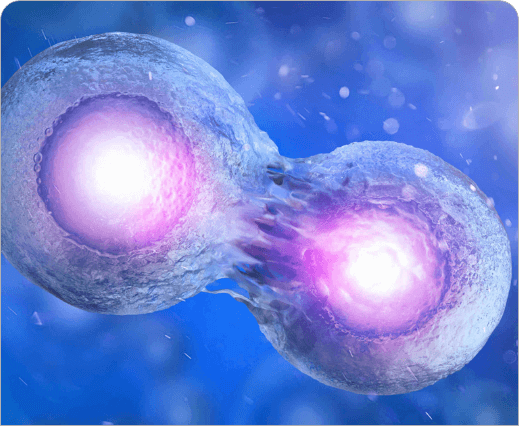
This type of bone marrow transplantation involves using the patient's own bone marrow or peripheral stem cells.
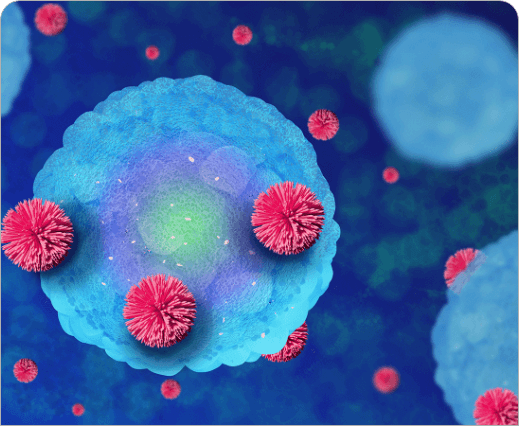
This type of bone marrow transplantation involves using stem cells donated by a close human leukocyte antigen (HLA)-matched relative, sibling or unrelated donor.
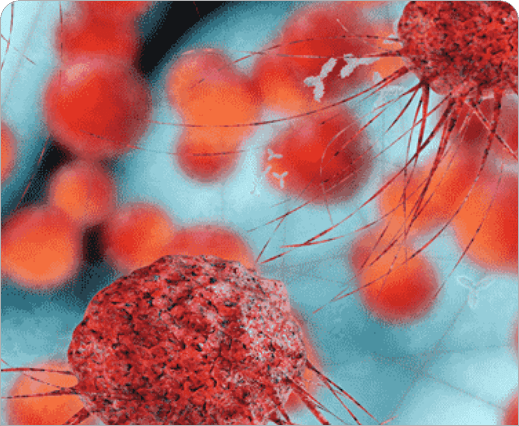
This type of bone marrow transplantation involves using stem cells from a half-matched related donor (father or mother).
This type of bone marrow transplantation involves using the patient's own bone marrow or peripheral stem cells.
This type of bone marrow transplantation involves using stem cells donated by a close human leukocyte antigen (HLA)-matched relative, sibling or unrelated donor.
This type of bone marrow transplantation involves using stem cells from a half-matched related donor (father or mother).
This type of bone marrow transplantation involves using stem cells donated by a close human leukocyte antigen (HLA)-matched relative, sibling or unrelated donor.
This type of bone marrow transplantation involves using stem cells from a half-matched related donor (father or mother).

At Apollo Cancer Centres, we have the largest BMT program in the country functioning for over 2 decades.

We adhere to evidence based guidelines and follow the highest levels of safety protocols

A team of multi-disciplinary specialists for adult and paediatric patients that include Intensivists, Infectious disease, Neurologist, Nephrologist, Gastroenterologists, Surgeons, Dietician, Physiotherapists evaluate the patients and support them throughout the journey.

State-of-the-art infrastructure with sterile, positive pressure transplant suites (to ensure no infection transmission), Paediatric and Adult Intensive care units with cutting-edge technology.

24x7 availability of transfusion services with senior specialists

Advanced laboratory services with latest molecular diagnostic tools for precise and rapid diagnosis
At Apollo Cancer Centres, we have the largest BMT program in the country functioning for over 2 decades.
We adhere to evidence based guidelines and follow the highest levels of safety protocols
A team of multi-disciplinary specialists for adult and paediatric patients that include Intensivists, Infectious disease, Neurologist, Nephrologist, Gastroenterologists, Surgeons, Dietician, Physiotherapists evaluate the patients and support them throughout the journey.
State-of-the-art infrastructure with sterile, positive pressure transplant suites (to ensure no infection transmission), Paediatric and Adult Intensive care units with cutting-edge technology.
24x7 availability of transfusion services with senior specialists
Advanced laboratory services with latest molecular diagnostic tools for precise and rapid diagnosis
The eligibility for bone marrow transplantation depends on various factors including
Finding a suitable donor for bone marrow transplantation involves testing the HLA type of potential donors to find the closest match. Siblings often provide the best match. Parents are the donors for Haplo identical stem-cell transplants which is becoming more common worldwide. However, unrelated donors can also be used. Donors undergo rigorous medical testing to ensure they are healthy enough for the procedure.

Stem cells can be collected in two ways

These stem cells are collected from the donor’s bloodstream after injections which results in an increased stem cell count.

In this method stem cells are harvested directly from the donor’s hip bones under anaesthesia.
Before receiving a bone marrow transplant, patients undergo conditioning treatment. This treatment involves the administration of high dose chemotherapy and/or radiation to destroy existing bone marrow and make room for the new stem cells.

In this step, donor stem cells are infused into the patient's bloodstream where they travel to the bones and begin producing new blood cells.

This is the time it takes for the new blood cells to start functioning. It takes 2-6 weeks for new blood cells to start functioning.

Patients are often required to stay in the hospital for several weeks during the recovery period.
In this step, donor stem cells are infused into the patient's bloodstream where they travel to the bones and begin producing new blood cells.
This is the time it takes for the new blood cells to start functioning. It takes 2-6 weeks for new blood cells to start functioning.
Patients are often required to stay in the hospital for several weeks during the recovery period.
This type of bone marrow transplantation involves using stem cells donated by a close human leukocyte antigen (HLA)-matched relative, sibling or unrelated donor.
Children undergoing bone marrow transplants receive special care tailored to their age and needs. Paediatric specialists will monitor their growth and development closely throughout the process.

Follow your doctor's advice on diet and physical activity.

Be cautious about socialising, travel and exposure to infections.

Frequent follow-ups are essential.

Women may experience menopausal symptoms treatable with hormone therapy.
Most patients return to normal activities within a year. However, bone marrow transplantation patients should carry a letter from their doctor when travelling and avoid certain vaccinations. Bone marrow transplantation offers hope and new beginnings for many patients battling severe haematological conditions. With advances in medical technology and supportive care, patients can look forward to improved outcomes and quality of life after bone marrow transplantation. If you or a loved one is considering this life-saving procedure, consult your doctor for personalised advice and support throughout the journey.