
What is CAR T Cell?

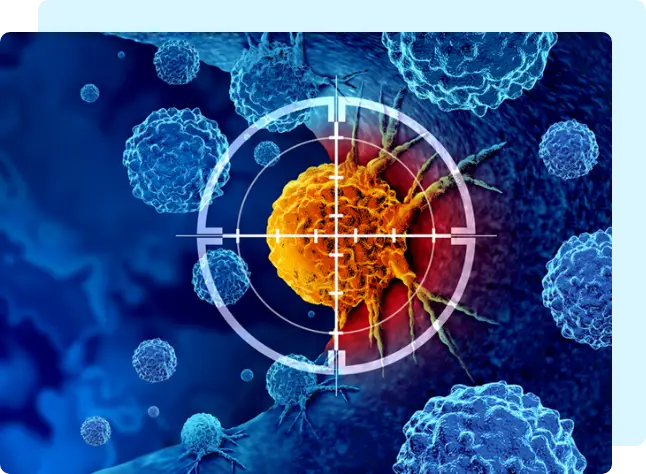
T cells are part of the body's immune system that helps us fight various infections and cancers. Chimeric Antigen Receptor T (CAR T) cells are genetically engineered T cells. CAR T cell Therapy harnesses the power of modified T cells to seek out and eliminate cancer cells, enhancing the body's natural defenses against the disease. This modern form of Immunotherapy offers promise in the fight against various cancers, including lymphomas, leukemias, and certain recurrent blood cancers. CAR T cell therapy is approved by United States Food and Drug Administration (USFDA) for hematological malignancies. CAR T cells identify and attack cancer cells in a patient body to stop the cancer from growing in the long term.
Descriptive Alt Text 1

How CAR T cell therapy works?

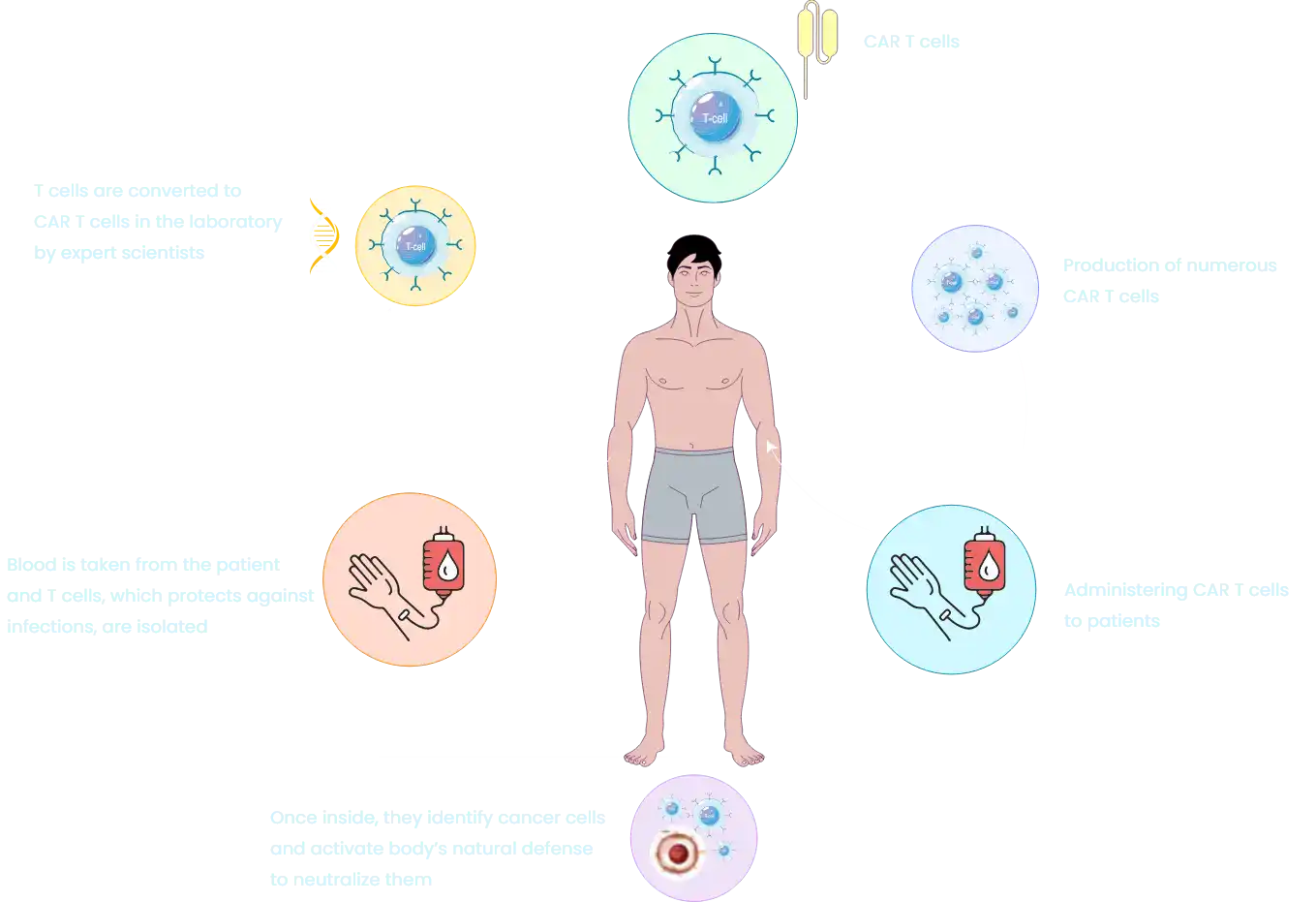
Like blood donation, blood is collected from patients to separate T cells. These T cells are then modified in the laboratory under expert supervision to express the chimeric antigen receptor. Before CAR T cell administration, patients need to undergo chemotherapy to prepare their bodies for CAR T cell therapy. Once infused, CAR T cells are anticipated to recognize and neutralize resistant cancer cells by activating the body’s immune system.Figure 1 discusses the production and function of CAR T cells.
Descriptive Alt Text 1

Who is eligible for this treatment?

Since 2017, the FDA has approved six CAR T-cell therapies for treating blood cancers like lymphomas, certain types of leukemia, and most recently, multiple myeloma.

01

Relapsed B cell - Acute Lymphoblastic Leukemia (B-ALL):

One potential approach is to use CAR T-cell therapy after the initial treatment to strengthen its impact.

02

Relapsed B cell- Non-Hodgkins Lymphoma (higher grade):

It's typically given after multiple rounds of treatment. CAR T cell therapy showed impressive response rates and the chance for long-lasting remission, even after previous treatments have failed.

Patients eligible for CAR T-cell therapy must meet FDA criteria and be in good overall health to handle the waiting period and potential side effects. Their T-cell health must also be sufficient for successful treatment. Seeking guidance from an oncologist is crucial to determining eligibility

Benefits of CAR T cell therapy

With proper care and observation, patients typically recover well within 2-3 weeks.

Offers better outcomes compared to traditional cancer treatments, potentially leading to longer-term remission and improved quality of life

Demonstrated remission in patients who had previously undergone multiple unsuccessful cancer treatments

Quick intervention time and single infusion of CAR T cells

Shorter
treatment time

Advantageous in targeting and destroying cancer cells during disease relapse

About Car-T Cell Therapy

What to Expect Before, During, and after CAR T Cell Therapy

Image
Before Treatment:

Consultation: You will have detailed discussions with your oncologist to ensure you are a suitable candidate for therapy.

Pre-Treatment Tests: Once your eligibility has been determined, several tests may be conducted to evaluate your health status.


Image
During Treatment:

Apheresis: This process will take a few hours and is generally performed in an outpatient department setting.

Infusion: After the laboratory work, the infusion of CAR T cells is carried out in a controlled environment. This often requires a brief hospital stay for close monitoring of the patient.


Image
After Treatment:

Monitoring: Once the cells have been infused, you will be closely monitored for any immediate side effects, such as fever or chills.

Follow-Up Care: Regular follow-up appointments will be scheduled to assess the effectiveness of the therapy and manage side effects if any.

Frequently Asked Questions

While CAR T cell therapy represents a significant advancement in cancer treatment, it's natural to have concerns about any medical procedure. Rest assured that this therapy has undergone rigorous testing and has shown promising results for many patients with otherwise difficult-to-treat cancers. Your doctors will provide continuous support throughout your treatment journey, ensuring you receive the best possible care at every step. Consult with your doctor to explore whether this ground-breaking treatment is right for you. Stay informed, stay hopeful, and let’s fight cancer together with cutting-edge therapies like CAR-T cell therapy.

For CAR-T cell therapy, it is recommended to consult with a hematologist, hemato oncologist or a medical oncologist who specializes in immunotherapy or cellular therapy. These specialists are typically experienced in managing patients undergoing CAR-T cell therapy and can provide comprehensive care throughout the treatment process.

Age 15 years and above.

Common side effects can range from mild to severe which include cytokine release syndrome (CRS) and neurologic toxicity. Complications are generally temporary and resolve with treatment. Apollo’s care team is specially trained to identify and manage these side effects. Long-term effects are still being studied. Some of the symptoms that a patient may experience are flu-like, with a high fever and/or chills; low blood pressure; difficulty breathing; or confusion. These symptoms can be mild or severe. Some neurological symptoms can range from confusion, difficulty understanding language and speaking, or stupor.

Yes, several CAR-T therapies have received FDA approval for specific indications. Examples include Kymriah and Yescarta for certain types of lymphomas and leukemias.

CAR-T therapy has shown remarkable efficacy in some patients, achieving high response rates and even durable remissions. However, individual responses can vary, and not all patients experience the same level of success.

Eligibility depends on the specific CAR-T product and the type of cancer. Generally, patients need to have failed standard treatments or have relapsed/refractory disease to be considered for CAR-T therapy.

Since CAR-T cell therapy is a newer treatment option that has been made available in India, Insurance coverage is restricted and is not covered. Coverage may be reviewed on a case-by-case basis, as is typical for new therapies. Apollo is working with patients and insurers to seek health insurance coverage for clinically-eligible patients.

Patients treated with CAR T-cell therapy don’t experience the hair loss typically associated with chemotherapy.

Whether CAR-T cell therapy is better than chemotherapy depends on various factors such as the type and stage of cancer, the patient's overall health, potential side effects, and treatment goals. In some cases, CAR-T cell therapy may offer a higher chance of long-term remission or cure compared to chemotherapy, especially for certain types of blood cancers. However, it may also come with unique side effects and risks.

In general, patients undergoing CAR-T cell therapy typically require a hospital stay of approximately 1 to 2 weeks. However, the length of hospitalization for CAR-T cell therapy can vary depending on several factors, including the specific protocol used, the patient's individual response to treatment, and any potential complications that may arise.

The success rate of CAR T-cell therapy varies depending on the type of cancer being treated and individual patient factors. Overall, CAR T-cell therapy has shown promising results, especially in certain blood cancers like acute lymphoblastic leukaemia (ALL) and diffuse large B-cell lymphoma (DLBCL). Success rates can range from complete remission in some patients to no response in others.

After CAR-T cell therapy, patients typically require regular follow-up visits with their healthcare provider. The frequency of follow up visits will be determined by the treating physician based on individual patient needs and clinical considerations. In general, patients can expect to have regular follow-up appointments with their healthcare provider for an extended period following CAR-T cell therapy, often spanning months to years, to ensure optimal management of their condition and ongoing support.

Prior to collecting the T-cells, patient undergo a series of tests to confirm they are healthy enough for CAR T-cell therapy. These tests may include:
    Before CAR-T Cell Therapy:
  • -Complete blood count (CBC)
  • -MRI, CT or PET CT scans
  • -Tests for infection (Hepatitis B, C, HIV)
  • -Glomerular Filtration Rate (GFR)
  • -Pulmonary function test (PFT)
  • -Biopsy or bone marrow aspiration
  • -Echocardiogram (ECHO)
  • -Evaluation of immune function
  • -Electrocardiogram (ECG)
After CAR-T Cell Therapy:
Patient will be monitored closely for a few weeks after the CAR-T cell infusion. Monitoring may include physical exams, blood tests and assessing the ability to do simple tasks. Patient may have to undergo one or more physical exams each day at the beginning.